Personal and small group training can engage members and
keep them regularly coming through the doors of a club.
Kristen Walsh shares the findings of a recent IHRSA report
that looks at how members use these sessions
By Kristen Walsh | Published in Health Club Management 2018 issue 4
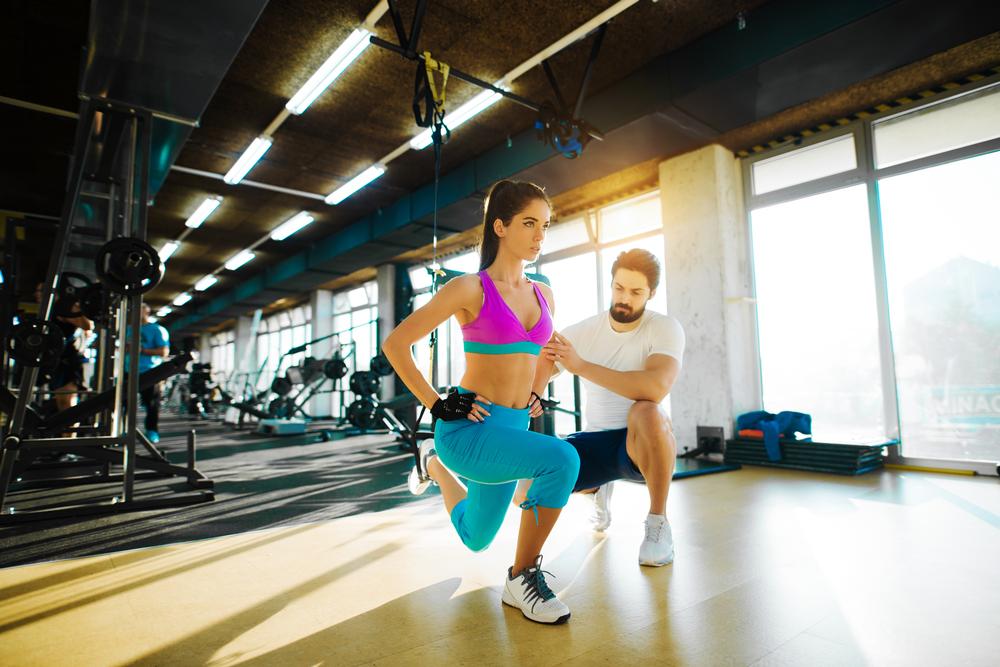
Women dominate small personal training classes at 54 per cent / shutterstock
Personal and small-group training forms a significant share of non-dues revenue for health clubs. Personal training (PT) is the number one profit centre among leading health clubs, according to IHRSA’s Profiles of Success, while small-group training (SGT) is a close second among top fitness-only centres.
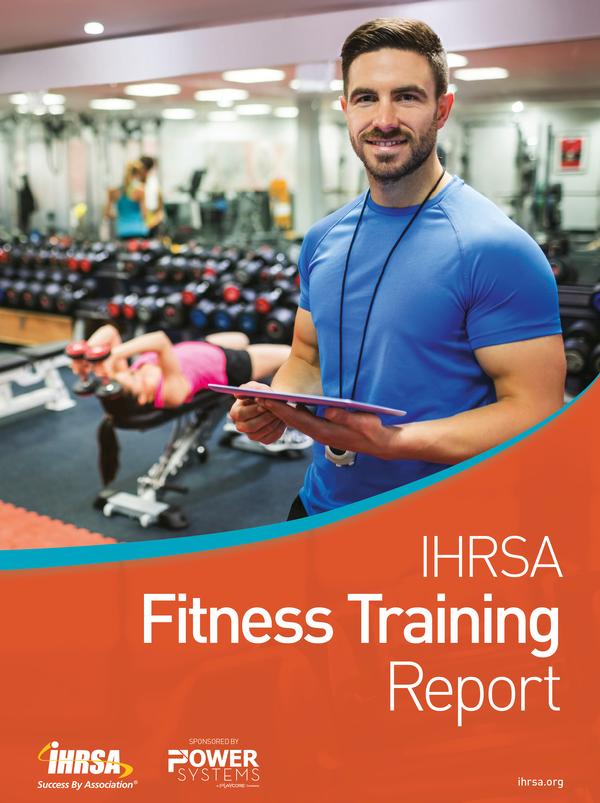
Given the popularity of these training types, The IHRSA Fitness Training Report – published in February – aims to help health club owners and operators to better understand their PT and SGT clients.
“With this report, IHRSA aims to provide a deeper understanding of consumer demographics and the usage trends of fitness training services, in order to help club operators attract and engage more customers,” says Jay Ablondi, IHRSA’s executive VP of global products.
“Fitness training clients tend to be more committed to their workouts, have higher retention rates and get better results, so the more successful operators are at converting occasional exercisers to PT and SGT, the healthier their members – and bottom lines – will be,” he adds.
Data analysed and reported in The IHRSA Fitness Training Report was compiled in 2016 by Sports Marketing Surveys Inc. The report concentrates on analysing data around US health club consumers (specifically those who used a health club in the US within the last 12 months).
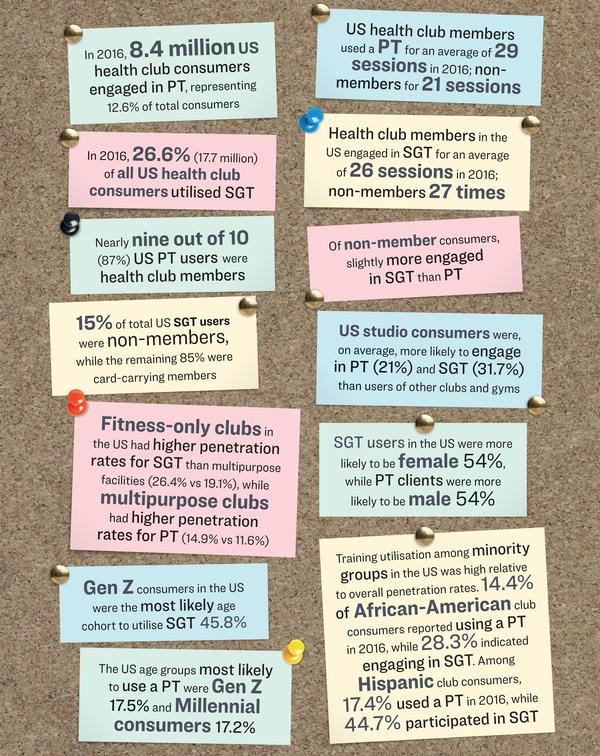
Gender preferences According to the report, men and women have an inverse relationship when it comes to training preferences. Men accounted for 54 per cent of total PT users, while women accounted for 46 per cent. The reverse was the case for SGT. Men made up 46 per cent of users while women acounted for 54 per cent.
This is somewhat comparable to the gender division for member participation in group exercise. As reported in The 2017 IHRSA Health Club Consumer Report, 61 per cent of group exercise participants are women, while 39 per cent are men. Based on these statistics, it appears that female health club consumers are more likely to participate in group-based activities.
Overall, a total of 9.6 million female club consumers (including members and non-members) participated in SGT during the research period, accounting for 28 per cent of total female health club consumers. For male consumers it was one in four – a total of 8.1 million.
When it came to PT, 14 per cent of men used a personal trainer, while 11.2 per cent of women used one.
Payment levels In general, men appear to pay more in training fees than women. Men paid an average of US$70.09 (£50/€57) for an hourly PT session, nearly US$5 (£3.60/€4.05) more than the average. Women paid an average of US$58.88 (£42/€48), roughly US$7 (£5/€5.70) less than the average. Men were also more likely to pay more for SGT, reporting an average of US$39.88 (£28.50/€32.30) per session. Women paid an average of US$29.14 (£20.84/€23.60) per SGT session.
The inclination of men to pay more in training fees is consistent with consumer findings regarding membership fees paid by gender. According to The 2017 IHRSA Health Club Consumer Report, men are also more likely to pay more in membership fees. In 2016, they paid an average of US$53.25 (£38/€43) in monthly membership fees, while women paid an average of US$47.64 (£34/€38.60).
Women members used both PT and SGT more frequently than male members. Although men were likely to pay more in training fees, female health club members were likely to use both PT and SGT slightly more frequently than male members.
Female members engaged in PT for an average of 30 sessions in 2016, while male members engaged for 29 sessions. Female members used SGT for an average of 27 sessions, while males used it for an average of 25.
Members versus non-members Interestingly, although women had higher utilisation rates for SGT, non-member men used it approximately the same number of times as women members.
The study also found that non-member men also used a PT more frequently than non-member women.
Higher utilisation rates of training among non-member men may provide clubs with the opportunity to attract men into membership. Historically, frequent utilisation of a gym is positively correlated with length of membership.
Access the report Visit ihrsa.org/publications to access the entire report as well other relevant IHRSA resources. Please contact [email protected] with any questions.
IHRSA fitness Training report
IHRSA found personal training is the number one profit centre among leading US health clubs / shutterstock
IHRSA found that women in the US use group exercise more and pay less for personal training / PHOTO: courtesy of fitness first
Panatta brought together four of the most influential figures in bodybuilding history on the
stage of RiminiWellness 2026: Phil Heath, Lee Haney, Ronnie Coleman and Hany Rambod. [more...]
Active Blackpool is deploying Cornerstone Connect, a new digital interface allowing
disparate information from multiple systems to be aggregated into one dataset, to support
its focus on reducing health inequalities and improving healthy life expectancy. [more...]
Personal and small group training can engage members and
keep them regularly coming through the doors of a club.
Kristen Walsh shares the findings of a recent IHRSA report
that looks at how members use these sessions
By Kristen Walsh | Published in Health Club Management 2018 issue 4
Women dominate small personal training classes at 54 per cent / shutterstock
Personal and small-group training forms a significant share of non-dues revenue for health clubs. Personal training (PT) is the number one profit centre among leading health clubs, according to IHRSA’s Profiles of Success, while small-group training (SGT) is a close second among top fitness-only centres.
Given the popularity of these training types, The IHRSA Fitness Training Report – published in February – aims to help health club owners and operators to better understand their PT and SGT clients.
“With this report, IHRSA aims to provide a deeper understanding of consumer demographics and the usage trends of fitness training services, in order to help club operators attract and engage more customers,” says Jay Ablondi, IHRSA’s executive VP of global products.
“Fitness training clients tend to be more committed to their workouts, have higher retention rates and get better results, so the more successful operators are at converting occasional exercisers to PT and SGT, the healthier their members – and bottom lines – will be,” he adds.
Data analysed and reported in The IHRSA Fitness Training Report was compiled in 2016 by Sports Marketing Surveys Inc. The report concentrates on analysing data around US health club consumers (specifically those who used a health club in the US within the last 12 months).
Gender preferences According to the report, men and women have an inverse relationship when it comes to training preferences. Men accounted for 54 per cent of total PT users, while women accounted for 46 per cent. The reverse was the case for SGT. Men made up 46 per cent of users while women acounted for 54 per cent.
This is somewhat comparable to the gender division for member participation in group exercise. As reported in The 2017 IHRSA Health Club Consumer Report, 61 per cent of group exercise participants are women, while 39 per cent are men. Based on these statistics, it appears that female health club consumers are more likely to participate in group-based activities.
Overall, a total of 9.6 million female club consumers (including members and non-members) participated in SGT during the research period, accounting for 28 per cent of total female health club consumers. For male consumers it was one in four – a total of 8.1 million.
When it came to PT, 14 per cent of men used a personal trainer, while 11.2 per cent of women used one.
Payment levels In general, men appear to pay more in training fees than women. Men paid an average of US$70.09 (£50/€57) for an hourly PT session, nearly US$5 (£3.60/€4.05) more than the average. Women paid an average of US$58.88 (£42/€48), roughly US$7 (£5/€5.70) less than the average. Men were also more likely to pay more for SGT, reporting an average of US$39.88 (£28.50/€32.30) per session. Women paid an average of US$29.14 (£20.84/€23.60) per SGT session.
The inclination of men to pay more in training fees is consistent with consumer findings regarding membership fees paid by gender. According to The 2017 IHRSA Health Club Consumer Report, men are also more likely to pay more in membership fees. In 2016, they paid an average of US$53.25 (£38/€43) in monthly membership fees, while women paid an average of US$47.64 (£34/€38.60).
Women members used both PT and SGT more frequently than male members. Although men were likely to pay more in training fees, female health club members were likely to use both PT and SGT slightly more frequently than male members.
Female members engaged in PT for an average of 30 sessions in 2016, while male members engaged for 29 sessions. Female members used SGT for an average of 27 sessions, while males used it for an average of 25.
Members versus non-members Interestingly, although women had higher utilisation rates for SGT, non-member men used it approximately the same number of times as women members.
The study also found that non-member men also used a PT more frequently than non-member women.
Higher utilisation rates of training among non-member men may provide clubs with the opportunity to attract men into membership. Historically, frequent utilisation of a gym is positively correlated with length of membership.
Access the report Visit ihrsa.org/publications to access the entire report as well other relevant IHRSA resources. Please contact [email protected] with any questions.
IHRSA fitness Training report
IHRSA found personal training is the number one profit centre among leading US health clubs / shutterstock
IHRSA found that women in the US use group exercise more and pay less for personal training / PHOTO: courtesy of fitness first
According to research which tracked more than 147,000 people for 30 years, 90-120 minutes
of strength training a week may deliver some of the biggest long-term health rewards.
The UK's four Chief Medical Officers have published a refreshed edition of Physical activity
guidelines: UK Chief Medical Officers' report, updating the evidence that underpins the nation's
physical activity recommendations and placing greater emphasis on strength, balance, reducing
sedentary behaviour and, for the first time, supporting people taking weight loss medications.
Places Leisure has exchanged contracts to build and operate a flagship £60m water and leisure
destination on behalf of Basingstoke and Deane Borough Council.
The Republic of Ireland will become the latest market in PureGym’s expanding international
portfolio, with the first launch planned for Dublin in 2027.
Anytime Fitness opened more than one club a day in 2025 and is on track to maintain this rate
of growth this year, as parent company Purpose Brands targets further international expansion.
The £33.9 million Leighton Leisure and Community Centre has opened in Leighton Buzzard, UK,
creating a next-generation public leisure, health and wellbeing hub for the local community.
Walnuts Leisure Centre in Orpington, in the London Borough of Bromley, has reopened following
a £17m transformation designed to secure the long-term future of the public leisure asset and
reposition it as a community wellbeing hub.
The Gym Group, has announced that it's sustained positive trading momentum has continued
through the first half of 2026 and the company remains confident about the outlook.
Panatta brought together four of the most influential figures in bodybuilding history on the
stage of RiminiWellness 2026: Phil Heath, Lee Haney, Ronnie Coleman and Hany Rambod. [more...]
Active Blackpool is deploying Cornerstone Connect, a new digital interface allowing
disparate information from multiple systems to be aggregated into one dataset, to support
its focus on reducing health inequalities and improving healthy life expectancy. [more...]