Many gyms contract PTs as self-employed workers, but with a parliamentary committee questioning the fairness of such contracts, could a change in the status quo be on the horizon?
By Kath Hudson | Published in Health Club Management 2018 issue 3
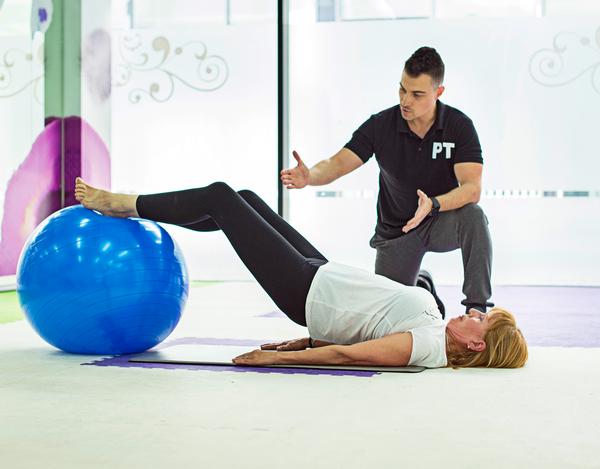
A rethink of the way gyms approach PT staffing could help ensure everyone is treated fairly / shutterstock
Last November, The Gym Group hit the headlines for the wrong reasons. Frank Field MP, chair of the Commons Work and Pensions Select Committee, placed the company’s PT contracts in the spotlight. He argued that restrictions placed on the company's "freelance independent" PTs in fact make them employees, who should be entitled to the "rights and protections that come with that status".
Self-employed PTs have helped low-cost operators to grow their businesses and engage more people in health and fitness. But while many PTs report that the self-employed set-up can work well for them, others disagree. With the government now showing an interest, it appears that the industry may have to look more closely at its current PT employment practices to ensure a fairer deal for all. But what does this entail?
Philip LandauFounderLandau Law
Philip Landau
The defining feature of self-employment is independence. This means that a PT who is truly self-employed, and otherwise known as a “contractor”, should be completely free to accept or reject work – there should be no minimum number of sessions provided per week.
They should also be contracted to provide the service and nothing more. Employees have to fulfil any reasonable requests their employers make, such as cleaning the changing rooms, but a self-employed PT would not be expected to perform these kinds of tasks.
Having a workforce made up of self-employed contractors is much cheaper than workers. Self-employed people are responsible for making all their own tax and national insurance arrangements, do not have to be paid the minimum wage, or sick or holiday pay. The reason we’re seeing so many cases in the courts is that employers want to use the self-employed model to keep costs low while retaining high levels of control over their workforce. For example, many facilities require self-employed PTs to use a holiday booking system, accept a minimum number of client inductions a week and wear uniforms.
Going forward, gyms need to make a choice: either accept that their PTs are workers and provide the appropriate benefits, or relinquish some control and make them truly self-employed. Parliament and the courts are now wise to the need for stronger protection of workers’ rights, so employers must avoid taking advantage of the goodwill of self-employed workers.
"Employees have to fulfil any reasonable requests their employers make, such as cleaning the changing rooms, but a self-employed PT should not be expected to do the same"
Photo: SHUTTERSTOCK
Being self-employed provides the PT with the freedom to work when and for who they want
Jon NastaDirector of Ecommerce and MarketingXercise4Less
Jon Nasta
If the industry wants to push past the current 15 per cent penetration rate, as well as be taken seriously by the government, we have to look at our employment practices. PTs play one of the most important roles in our clubs: they spend the most time with the members and give them what they want in the form of the expert guidance and support required to achieve their goals.
With this in mind, last year we took the decision to flip the self-employed model and now employ every personal trainer at Xercise4Less. In the past we could have been accused of having our cake and eating it: we didn’t pay to train the PTs, but we still expected them to offer a good service and to pay us rent. This approach allowed us to grow our business rapidly, but cracks were appearing in the system.
Some of the customer feedback we received in 2016 was alarming, including some PTs taking money from clients and disappearing without giving them all of their sessions. Since bringing our PT service in-house, the worst feedback we get is that a member hasn’t been able to get their favourite instructor for their particular time slot – and this is something that can be easily managed.
Under our new system, all of our PTs are employed between 24 and 40 hours per week. We provide the flow of clients though our online PT platform and our app, so members can feel confident that they are buying from Xercise4Less, rather than the individual PT. However, our software also allows customers to book their favourite PT or change their PT as often as they like.
Making all our PTs employed hasn’t worked for all. The superstar PTs – those earning more than £100k – left and set up their own studios. But the majority of the others liked the change, as it meant a steady income, job security, the ability to get a mortgage, holiday pay and sick pay. An average PT earns around £30k, which in my opinion is a decent salary.
It has been more work than we expected and it has been expensive, but it was a necessary move that has helped us to take control of the entire customer journey and has set us up to move the business forward.
"In the past we could have been accused of having our cake and eating it: we didn’t pay to train the PTs, but we still expected them to offer a good service and to pay us rent"
Photo: SHUTTERSTOCK
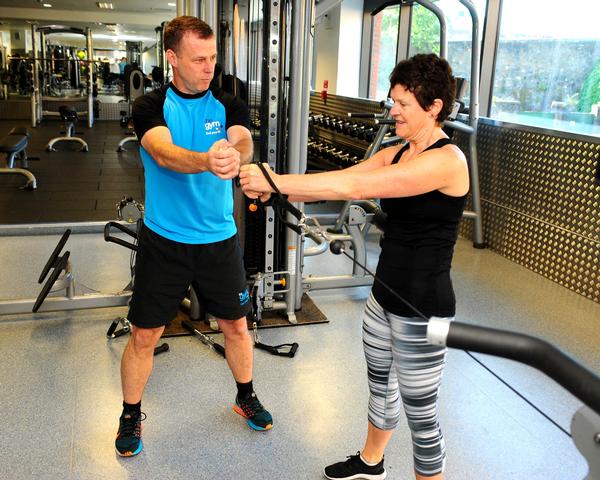
As employees of Xercise4Less, PTs are able to earn a steady income and gain job security
John TreharneCEOThe Gym Group
John Treharne
At the start of last year, The Gym Group identified that we needed to make some changes to our PT model. With that in mind, we began working on a more effective model, which is currently being trialled in a newly opened gym before being rolled out across the whole estate later this year.
When we began 10 years ago, PTs were not part of our original business model, but we wanted our members to have access to that service so we allowed PTs to operate out of our clubs – rent free and on a totally self-employed basis. We didn’t derive any financial benefit.
Now that we have grown the business to 129 gyms and more than 600,000 members, we have found that the arrangement we had in place doesn’t work well enough for us or for our customers. For this reason, and in order to ensure a quality, standardised service across the estate, we are trialling a new model that offers PTs employment on a part-time basis together with the payment of a small rent to The Gym Group for working with their independent clients outside of contracted hours.
This means that the PTs now benefit from the associated employment rights while having the flexibility to run their own business. Alternatively, PTs who prefer to be self-employed can stay as such, but they will have to pay a market rent to practice in our gyms. This model will allow our general managers to plan better and The Gym Group to offer a more consistent service to our members.
"Now that we have grown the business to 129 gyms and more than 600,000 members, we have found that the old PT arrangement doesn’t work well enough for us or for our customers"
Photo: SHUTTERSTOCK
The Gym Group is trialling a plan for PTs to stay self-employed or choose part-time employment
Nikki WithersSelf employed PTSkinny Jeans Fitness
Nikki Withers
Working as a PT, I’ve experienced a number of models, each with various advantages and disadvantages, however working as a salaried PT, with commission for each client was my least favourite option. Although I always knew that I would come home with a pay package, as well as benefit from sick pay, holiday pay and a pension, it was demotivating because the basic salary was around minimum wage. This felt offensive given the amount of training and qualifications I had invested in. Being paid £17 for a client when I was charged out at £47 also had a negative impact on my confidence.
Another model was to work for free at a gym and scout for PT clients among the members. As PTs, we were allowed complete freedom to book our clients and set prices, but it was very competitive and those who did best were great at sales, but not necessarily the most knowledgeable PTs. It was also daunting to have no pay whatsoever, as in some months like December the gym was very quiet.
I also worked at a gym where you paid rent up front for the month ahead and then had the freedom to set your own client rates. Again, this model has an element of risk, as you start out the month in the red. But it can work well for established PTs.
My favourite gym-based model was to be salaried for certain hours, and then generate my own PT work which could be done at any time, even within shifts. I paid the gym a commission for each client. As I ran classes I got to know members and there was also a photo wall to advertise the PTs, which was helpful for marketing.
Whatever model gyms choose to work with, it’s important to make sure their PTs are taking home enough money to compensate for their skills as well as the amount of time, energy and money they have nvested in getting themselves qualified. Paying minimum wage is not acceptable. Offering employee status and a salary gives an element of security and is good for new recruits. PTs also need to be respected and not given cleaning jobs on the gym floor, as this undermines their expert status in the eyes of potential clients.
"My favourite gym-based model was to be salaried for certain hours, and then generate my own PT work which could be done at any time, even within shifts"
shutterstock
Some gyms ask PTs to work for free in exchange for being able to sign up gyms members as private clients
Active Blackpool is deploying Cornerstone Connect, a new digital interface allowing
disparate information from multiple systems to be aggregated into one dataset, to support
its focus on reducing health inequalities and improving healthy life expectancy. [more...]
Panatta brought together four of the most influential figures in bodybuilding history on the
stage of RiminiWellness 2026: Phil Heath, Lee Haney, Ronnie Coleman and Hany Rambod. [more...]
+ More featured suppliers
COMPANY PROFILES
Orbit4
With Orbit4, you’ll always have full visibility
of your equipment inventory, the true
market value [more...]
Serco Leisure
Serco Leisure Operating Limited is one of the UK’s leading national operators of leisure centres, de [more...]
Many gyms contract PTs as self-employed workers, but with a parliamentary committee questioning the fairness of such contracts, could a change in the status quo be on the horizon?
By Kath Hudson | Published in Health Club Management 2018 issue 3
A rethink of the way gyms approach PT staffing could help ensure everyone is treated fairly / shutterstock
Last November, The Gym Group hit the headlines for the wrong reasons. Frank Field MP, chair of the Commons Work and Pensions Select Committee, placed the company’s PT contracts in the spotlight. He argued that restrictions placed on the company's "freelance independent" PTs in fact make them employees, who should be entitled to the "rights and protections that come with that status".
Self-employed PTs have helped low-cost operators to grow their businesses and engage more people in health and fitness. But while many PTs report that the self-employed set-up can work well for them, others disagree. With the government now showing an interest, it appears that the industry may have to look more closely at its current PT employment practices to ensure a fairer deal for all. But what does this entail?
Philip LandauFounderLandau Law
Philip Landau
The defining feature of self-employment is independence. This means that a PT who is truly self-employed, and otherwise known as a “contractor”, should be completely free to accept or reject work – there should be no minimum number of sessions provided per week.
They should also be contracted to provide the service and nothing more. Employees have to fulfil any reasonable requests their employers make, such as cleaning the changing rooms, but a self-employed PT would not be expected to perform these kinds of tasks.
Having a workforce made up of self-employed contractors is much cheaper than workers. Self-employed people are responsible for making all their own tax and national insurance arrangements, do not have to be paid the minimum wage, or sick or holiday pay. The reason we’re seeing so many cases in the courts is that employers want to use the self-employed model to keep costs low while retaining high levels of control over their workforce. For example, many facilities require self-employed PTs to use a holiday booking system, accept a minimum number of client inductions a week and wear uniforms.
Going forward, gyms need to make a choice: either accept that their PTs are workers and provide the appropriate benefits, or relinquish some control and make them truly self-employed. Parliament and the courts are now wise to the need for stronger protection of workers’ rights, so employers must avoid taking advantage of the goodwill of self-employed workers.
"Employees have to fulfil any reasonable requests their employers make, such as cleaning the changing rooms, but a self-employed PT should not be expected to do the same"
Photo: SHUTTERSTOCK
Being self-employed provides the PT with the freedom to work when and for who they want
Jon NastaDirector of Ecommerce and MarketingXercise4Less
Jon Nasta
If the industry wants to push past the current 15 per cent penetration rate, as well as be taken seriously by the government, we have to look at our employment practices. PTs play one of the most important roles in our clubs: they spend the most time with the members and give them what they want in the form of the expert guidance and support required to achieve their goals.
With this in mind, last year we took the decision to flip the self-employed model and now employ every personal trainer at Xercise4Less. In the past we could have been accused of having our cake and eating it: we didn’t pay to train the PTs, but we still expected them to offer a good service and to pay us rent. This approach allowed us to grow our business rapidly, but cracks were appearing in the system.
Some of the customer feedback we received in 2016 was alarming, including some PTs taking money from clients and disappearing without giving them all of their sessions. Since bringing our PT service in-house, the worst feedback we get is that a member hasn’t been able to get their favourite instructor for their particular time slot – and this is something that can be easily managed.
Under our new system, all of our PTs are employed between 24 and 40 hours per week. We provide the flow of clients though our online PT platform and our app, so members can feel confident that they are buying from Xercise4Less, rather than the individual PT. However, our software also allows customers to book their favourite PT or change their PT as often as they like.
Making all our PTs employed hasn’t worked for all. The superstar PTs – those earning more than £100k – left and set up their own studios. But the majority of the others liked the change, as it meant a steady income, job security, the ability to get a mortgage, holiday pay and sick pay. An average PT earns around £30k, which in my opinion is a decent salary.
It has been more work than we expected and it has been expensive, but it was a necessary move that has helped us to take control of the entire customer journey and has set us up to move the business forward.
"In the past we could have been accused of having our cake and eating it: we didn’t pay to train the PTs, but we still expected them to offer a good service and to pay us rent"
Photo: SHUTTERSTOCK
As employees of Xercise4Less, PTs are able to earn a steady income and gain job security
John TreharneCEOThe Gym Group
John Treharne
At the start of last year, The Gym Group identified that we needed to make some changes to our PT model. With that in mind, we began working on a more effective model, which is currently being trialled in a newly opened gym before being rolled out across the whole estate later this year.
When we began 10 years ago, PTs were not part of our original business model, but we wanted our members to have access to that service so we allowed PTs to operate out of our clubs – rent free and on a totally self-employed basis. We didn’t derive any financial benefit.
Now that we have grown the business to 129 gyms and more than 600,000 members, we have found that the arrangement we had in place doesn’t work well enough for us or for our customers. For this reason, and in order to ensure a quality, standardised service across the estate, we are trialling a new model that offers PTs employment on a part-time basis together with the payment of a small rent to The Gym Group for working with their independent clients outside of contracted hours.
This means that the PTs now benefit from the associated employment rights while having the flexibility to run their own business. Alternatively, PTs who prefer to be self-employed can stay as such, but they will have to pay a market rent to practice in our gyms. This model will allow our general managers to plan better and The Gym Group to offer a more consistent service to our members.
"Now that we have grown the business to 129 gyms and more than 600,000 members, we have found that the old PT arrangement doesn’t work well enough for us or for our customers"
Photo: SHUTTERSTOCK
The Gym Group is trialling a plan for PTs to stay self-employed or choose part-time employment
Nikki WithersSelf employed PTSkinny Jeans Fitness
Nikki Withers
Working as a PT, I’ve experienced a number of models, each with various advantages and disadvantages, however working as a salaried PT, with commission for each client was my least favourite option. Although I always knew that I would come home with a pay package, as well as benefit from sick pay, holiday pay and a pension, it was demotivating because the basic salary was around minimum wage. This felt offensive given the amount of training and qualifications I had invested in. Being paid £17 for a client when I was charged out at £47 also had a negative impact on my confidence.
Another model was to work for free at a gym and scout for PT clients among the members. As PTs, we were allowed complete freedom to book our clients and set prices, but it was very competitive and those who did best were great at sales, but not necessarily the most knowledgeable PTs. It was also daunting to have no pay whatsoever, as in some months like December the gym was very quiet.
I also worked at a gym where you paid rent up front for the month ahead and then had the freedom to set your own client rates. Again, this model has an element of risk, as you start out the month in the red. But it can work well for established PTs.
My favourite gym-based model was to be salaried for certain hours, and then generate my own PT work which could be done at any time, even within shifts. I paid the gym a commission for each client. As I ran classes I got to know members and there was also a photo wall to advertise the PTs, which was helpful for marketing.
Whatever model gyms choose to work with, it’s important to make sure their PTs are taking home enough money to compensate for their skills as well as the amount of time, energy and money they have nvested in getting themselves qualified. Paying minimum wage is not acceptable. Offering employee status and a salary gives an element of security and is good for new recruits. PTs also need to be respected and not given cleaning jobs on the gym floor, as this undermines their expert status in the eyes of potential clients.
"My favourite gym-based model was to be salaried for certain hours, and then generate my own PT work which could be done at any time, even within shifts"
shutterstock
Some gyms ask PTs to work for free in exchange for being able to sign up gyms members as private clients
According to research which tracked more than 147,000 people for 30 years, 90-120 minutes
of strength training a week may deliver some of the biggest long-term health rewards.
The UK's four Chief Medical Officers have published a refreshed edition of Physical activity
guidelines: UK Chief Medical Officers' report, updating the evidence that underpins the nation's
physical activity recommendations and placing greater emphasis on strength, balance, reducing
sedentary behaviour and, for the first time, supporting people taking weight loss medications.
Places Leisure has exchanged contracts to build and operate a flagship £60m water and leisure
destination on behalf of Basingstoke and Deane Borough Council.
The Republic of Ireland will become the latest market in PureGym’s expanding international
portfolio, with the first launch planned for Dublin in 2027.
Anytime Fitness opened more than one club a day in 2025 and is on track to maintain this rate
of growth this year, as parent company Purpose Brands targets further international expansion.
The £33.9 million Leighton Leisure and Community Centre has opened in Leighton Buzzard, UK,
creating a next-generation public leisure, health and wellbeing hub for the local community.
Walnuts Leisure Centre in Orpington, in the London Borough of Bromley, has reopened following
a £17m transformation designed to secure the long-term future of the public leisure asset and
reposition it as a community wellbeing hub.
The Gym Group, has announced that it's sustained positive trading momentum has continued
through the first half of 2026 and the company remains confident about the outlook.
Active Blackpool is deploying Cornerstone Connect, a new digital interface allowing
disparate information from multiple systems to be aggregated into one dataset, to support
its focus on reducing health inequalities and improving healthy life expectancy. [more...]
Panatta brought together four of the most influential figures in bodybuilding history on the
stage of RiminiWellness 2026: Phil Heath, Lee Haney, Ronnie Coleman and Hany Rambod. [more...]
+ More featured suppliers
COMPANY PROFILES
Orbit4 With Orbit4, you’ll always have full visibility
of your equipment inventory, the true
market value [more...]