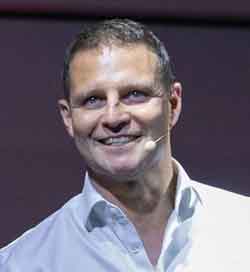
When I joined Fitness World back in October 2015, I was surprised by the lack of differentiation between the brands in the market,” comments Steen Albrechtslund, CEO of Denmark’s largest health club chain, Fitness World. “There are the high-end boutiques that tell their own compelling story, but among the big chains – whether you’re in Europe, Asia or the US – there’s very little differentiation, very little attempt to tell a branded story within the four walls of the club compared to other retail sectors, such as apparel.”
He continues: “I came to Fitness World directly from a retail role and with a very strong retail background that included running my own watch and jewellery company, which we ultimately sold to Fossil. In that business, we had our own branded channels – hundreds of our own retail outlets – and we very, very carefully managed the brand experience within those outlets.
“That’s the approach I’m now trying to apply here at Fitness World because in my mind, we aren’t fitness operators. We’re health and fitness retailers.
Learning from retail He continues: “We’re setting out to tell a distinctive story in our clubs, including using signature colours, décor and equipment. We want to create a branded environment that strengthens the member experience, that has an impact the moment you come into the club. Think about when you go into a theatre – how you’re catapulted into the environment and the experience. That’s what we’re trying to achieve from a consumer perspective in our clubs.
Space Optimisation “On the operational side of things, I’m extremely focused on the idea of space optimisation. When I travel around, both to other operators’ clubs and to our own, I see a lot of high-value space being wasted.
“In retail, you have to optimise space by selling what sells best. That sounds pretty obvious, but ask yourself this: do you really analyse what sells best? In retail, you have people whose entire job is to analyse what SKUs are being sold and what SKUs aren’t selling. The latter you remove from the retail space, replacing them with the former – and you also product/develop the former, so you have exactly the right colours, right price point, right materials and so on.
“You can apply exactly the same principle in fitness retail. Here, the SKU is the type of equipment. If you have a club profile where people are more into cardio, but a lot of the space is taken up by weights, that’s not optimised.
“Similarly in the studio, do we have the right SKUs in terms of classes – which ones are popular in that location and which aren’t? Get rid of the less popular classes and do more of what’s popular.”
The ecosystem This willingness to identify, and then prioritise, what’s popular in each individual location has allowed Albrechtslund to apply what he calls an “ecosystem” approach to the Fitness World business.
He explains: “We went from being a single- to a multi-brand company in order to efficiently cover the market and tap into the different volume pools.
“Our core brand, Fitness World, sits in the low mainstream full-service segment, while our new Urban Gym brand is pure low-cost fitness. It’s accessible via members’ smartphones and has no staff or showers, just a small changing area in the middle of the gym floor – like you might see in a retail store.
“We launched Urban Gym with five clubs in the autumn of 2016 and we’ve now grown to 10 clubs. They’re all performing well ahead of forecast and we’re opening another batch this year.”
He continues: “In general, the Danish market is extremely focused on price – we have the highest penetration of all the discount grocery stores worldwide. That’s why we operate in the low mainstream and budget sector: this price sensitivity, combined with the small size of the market, means it would be very, very difficult to create a premium concept with a lot of scale in Denmark.
“But in fact, there are three dominant drivers in the Danish fitness market: location, price and classes. We aim to own them all. Location we certainly own: with it being such a small market, Danes expect everything to be nearby. We have 162 clubs, which means we’re always close to wherever people are.
“We’re also absolutely determined to own the entry price point in the Danish fitness market, as well as offering value for money across the board.
“And we offer the widest range of classes on the market, with about 60 different types of class.
“But this is where the ecosystem really kicks in because it allows us to deliver even better value for money and even more choice for our members.
“Again, this goes back to my retail experience: big retailers will have a flagship store that has all their SKUs in all sizes and all colours, and then scattered around it are satellite stores in an ecosystem. These satellite stores operate according to the 80:20 rule – you only need to stock the most popular SKUs there because these account for the majority of sales anyway. Then, if someone wants something you don’t stock, they don’t have too far to travel to get to your flagship store.
“We’ve tried to apply the same model at Fitness World. In each of our ecosystems, we’ll have one club that offers a wider range of classes and equipment, and then satellite stores – which might be Fitness World or Urban Gym – which only offer the most popular classes and the most used equipment in any given location. If you want specialist equipment or a more unusual class, you just hop on your bike and cycle a couple of kilometres to the flagship store.
“We’ve identified 28 ecosystems in the Danish market, with some volume pools that are still untapped. Obviously, when you have half a million members and 162 clubs in a population of 5.5 million – all living within a very small area – there are limits to your growth potential. However, there’s certainly still room for profitable growth in the Danish market.”
Moving beyond Denmark “We’ve worked with a team of anthropologists to segment our market. We now have a detailed segmentation, spanning member age, gender and needs, which allows us to look at the whole Danish market to see exactly where we’re over- and under-represented. That’s a fantastic tool for us because it allows us to create solutions that fill the spaces in which we’re under-represented.
And it isn’t only Denmark that Fitness World is fine-tuning its presence in. The brand currently has 17 clubs in Poland, and further growth is on its mid-term radar. “We want to have quite a significant penetration in certain parts of Poland that we find more interesting than others, but even here, we’re looking at ecosystems more than we’re thinking in terms of traditional markets or countries with borders.”
Does that mean other countries might be on the radar too? “We haven’t done any in-depth analysis on that yet, because first of all, we want to make sure we have a very strong platform for growth. I took over a very successful company that had grown very fast; we now need to put new systems and structures in place before we can embark on a new growth phase.
“Firstly, we want to have profitable growth in Denmark: there’s some low-hanging fruit here. We need to explore all the different volume pools, assessing the number of potential members, but also their willingness to pay, which gives you the value pools.
“There are certain segments of volume and value pools in the Danish market that we’re currently under-represented in – where we have a lower market share than our overall market share. We’d like to provide solutions that cater for these segments. Whether that’s within our existing set-up or whether it’s via new brands and new propositions is still to be determined.”
He continues: “We also want to ensure we have all the moving parts in place in Poland: our clubs are performing positively, but we’re not quite there with our branding and marketing just yet.
“Then, when I feel it’s all running smoothly and we have the resources, that will be the time to investigate further growth opportunities – identifying new ecosystems and volume pools that are attractive to us, and looking at what solutions we might be able to bring to market within those ecosystems. It’s all about finding the right spaces with the right solutions.”
FITNESS WORLD FACT BOX • Number of clubs in Denmark: 162
• Number of members in Denmark: 450,000+ (that’s 12 per cent of the Danish population)
• Number of clubs in Poland: 17
• Majority stakeholder: Norwegian private equity company FSN Capital
• Membership at Fitness World: €25–30 a month
• Membership at Urban Gym: €15 a month
ALBRECHTSLUND ON TECHNOLOGY “The fitness business needs to be on its toes when it comes to digitisation, not only in terms of the member experience, but also in terms of avoiding getting trapped in the lower part of the value stack. It has to make sure it still has an influence over what customers are buying, and how they’re buying it, rather than being sidelined by new innovations that create a new market.
“One solution I see is for strategic partnerships: a big operator could team up with other complementary providers, such as sports clubs, to create one single subscription that gives full access to their combined services via an app. The consumer would have far more choice, while the operator would retain control over the experience.”
ABOUT THE AUTHOR
Kate Cracknell is the former editor and now editor-at-large of Health Club Management. Follow her on Twitter @healthclubkate
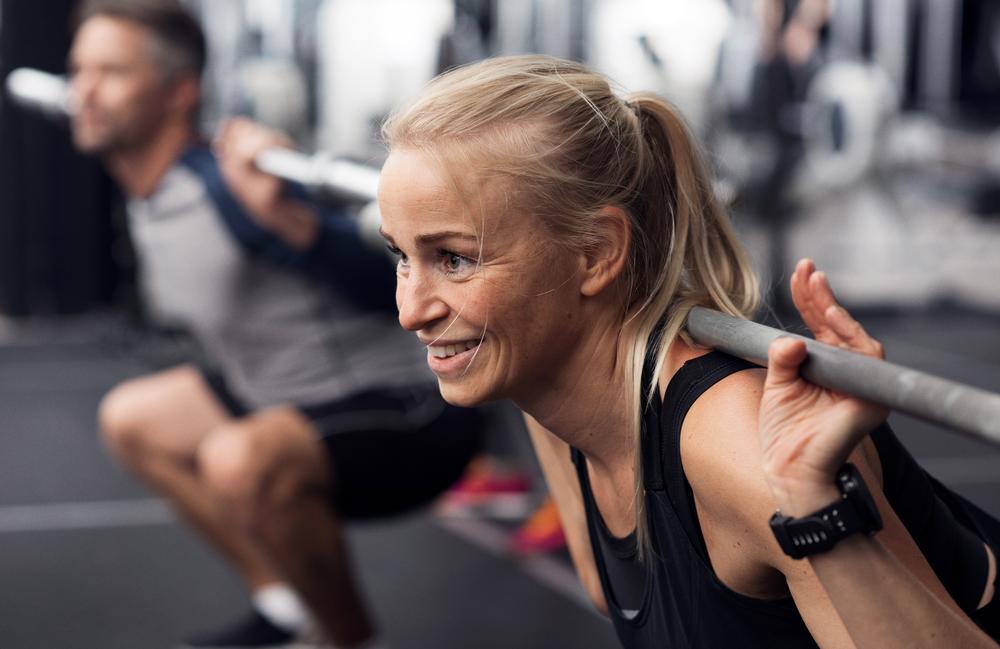
Albrechtslund uses retail analytics to establish which classes are most popular, and schedule more of these
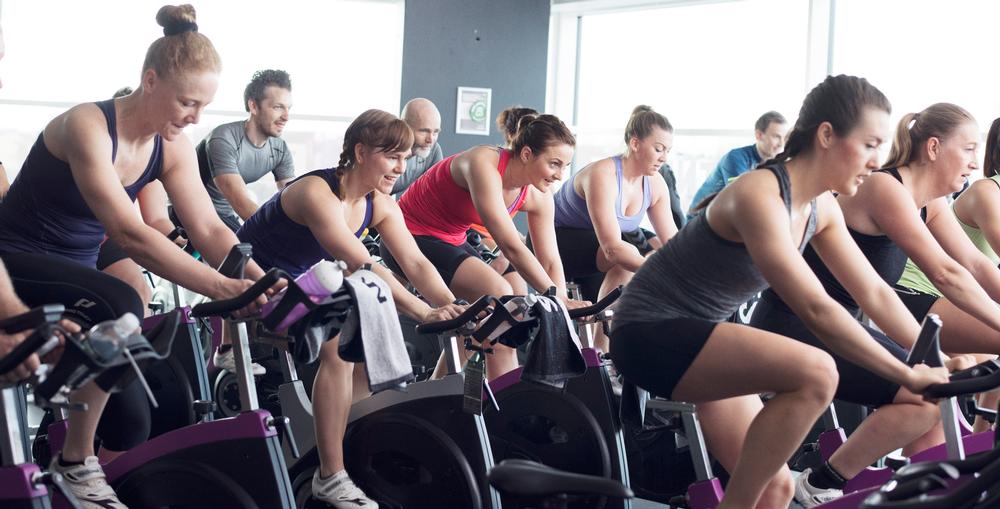
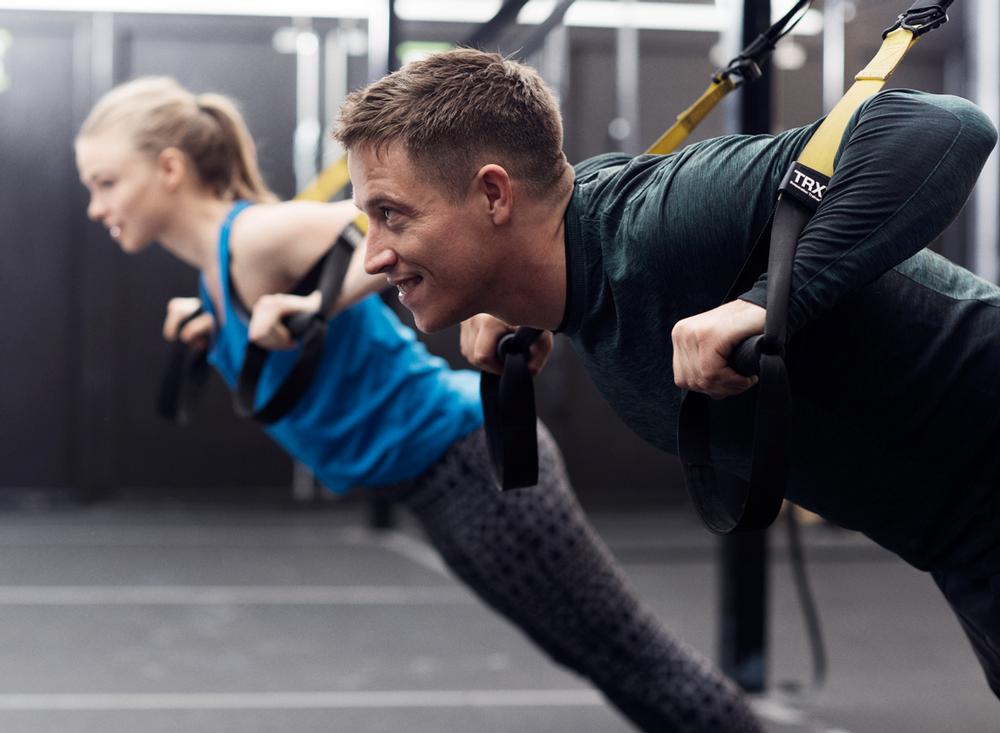
Fitness World offers a wide variety of class types, from group strength training to HIIT and cardio
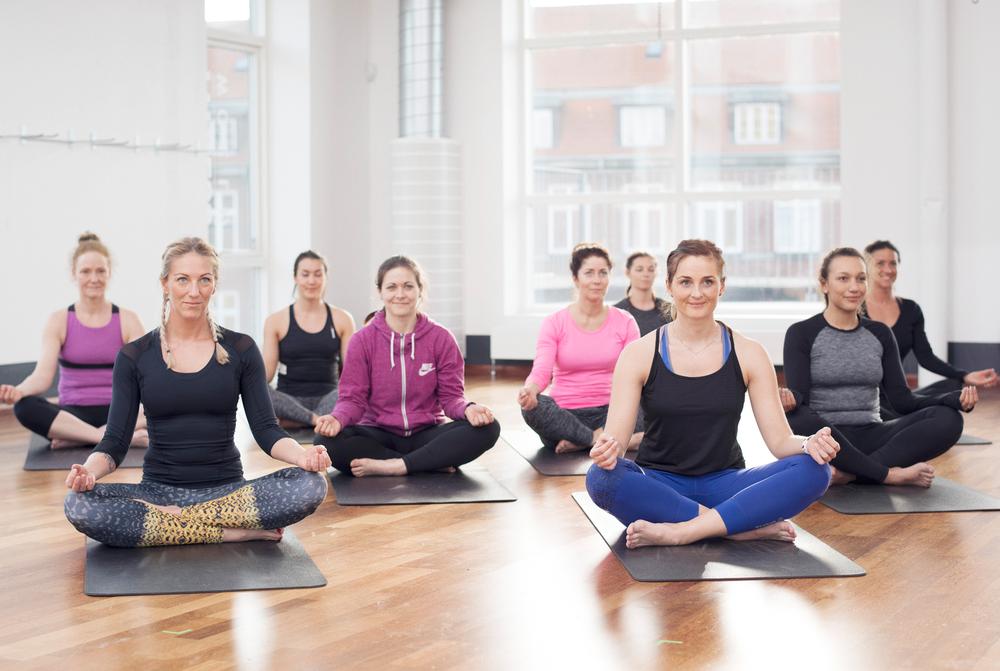
Flagship gyms offer the full programme of classes, with the most popular then made available at smaller local gyms
Urban Gym is the company’s low-cost brand
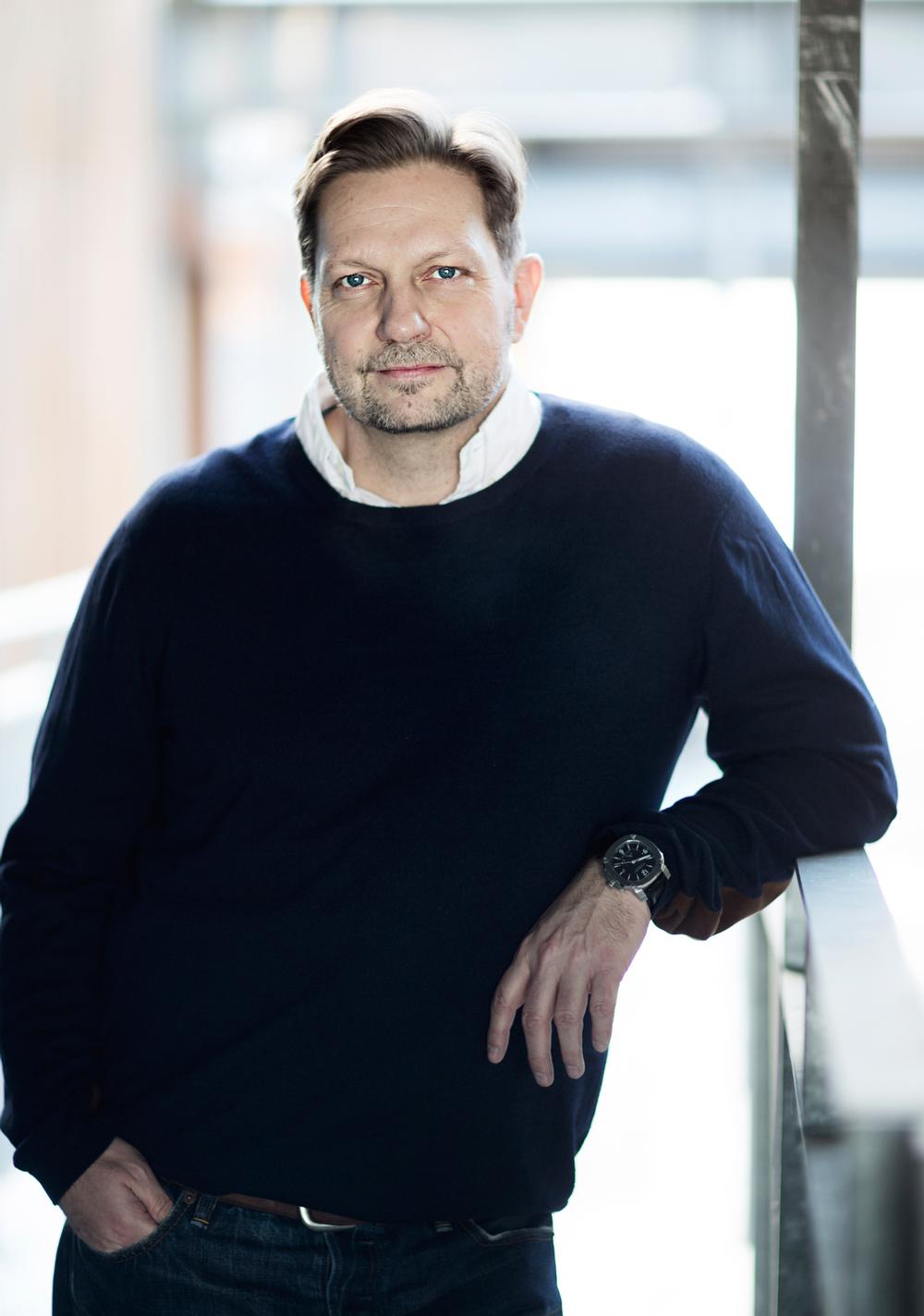
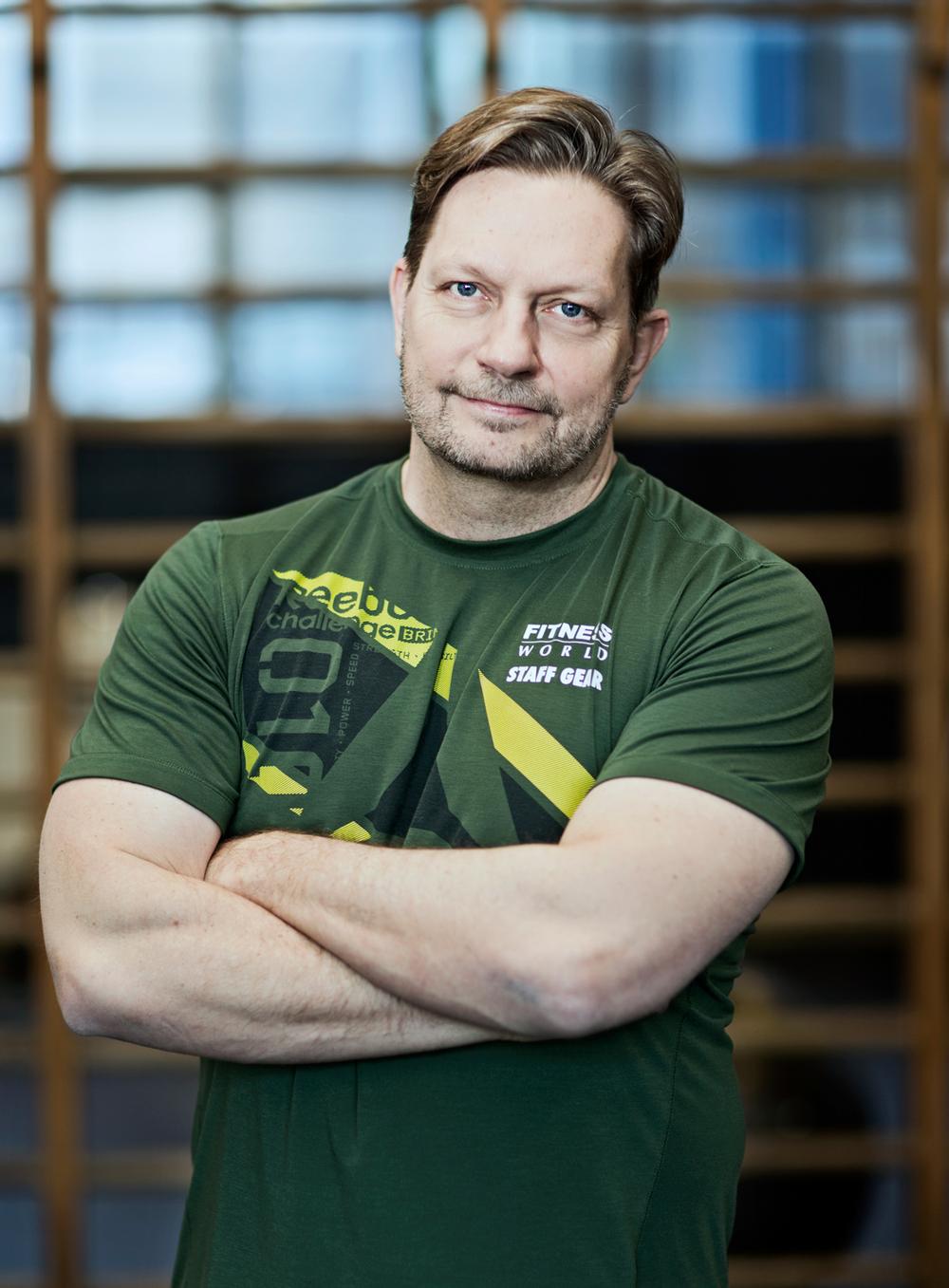
Albrechtslund is bringing retail principles to bear on fitness
Fitness World, which is backed by private equity firm FSM Capital, has 17 clubs in Poland and is planning to open more
Albrechtslund suggests gym operators build partnerships with complementary businesses such as sports clubs
Panatta brought together four of the most influential figures in bodybuilding history on the
stage of RiminiWellness 2026: Phil Heath, Lee Haney, Ronnie Coleman and Hany Rambod. [more...]
Active Blackpool is deploying Cornerstone Connect, a new digital interface allowing
disparate information from multiple systems to be aggregated into one dataset, to support
its focus on reducing health inequalities and improving healthy life expectancy. [more...]
When I joined Fitness World back in October 2015, I was surprised by the lack of differentiation between the brands in the market,” comments Steen Albrechtslund, CEO of Denmark’s largest health club chain, Fitness World. “There are the high-end boutiques that tell their own compelling story, but among the big chains – whether you’re in Europe, Asia or the US – there’s very little differentiation, very little attempt to tell a branded story within the four walls of the club compared to other retail sectors, such as apparel.”
He continues: “I came to Fitness World directly from a retail role and with a very strong retail background that included running my own watch and jewellery company, which we ultimately sold to Fossil. In that business, we had our own branded channels – hundreds of our own retail outlets – and we very, very carefully managed the brand experience within those outlets.
“That’s the approach I’m now trying to apply here at Fitness World because in my mind, we aren’t fitness operators. We’re health and fitness retailers.
Learning from retail He continues: “We’re setting out to tell a distinctive story in our clubs, including using signature colours, décor and equipment. We want to create a branded environment that strengthens the member experience, that has an impact the moment you come into the club. Think about when you go into a theatre – how you’re catapulted into the environment and the experience. That’s what we’re trying to achieve from a consumer perspective in our clubs.
Space Optimisation “On the operational side of things, I’m extremely focused on the idea of space optimisation. When I travel around, both to other operators’ clubs and to our own, I see a lot of high-value space being wasted.
“In retail, you have to optimise space by selling what sells best. That sounds pretty obvious, but ask yourself this: do you really analyse what sells best? In retail, you have people whose entire job is to analyse what SKUs are being sold and what SKUs aren’t selling. The latter you remove from the retail space, replacing them with the former – and you also product/develop the former, so you have exactly the right colours, right price point, right materials and so on.
“You can apply exactly the same principle in fitness retail. Here, the SKU is the type of equipment. If you have a club profile where people are more into cardio, but a lot of the space is taken up by weights, that’s not optimised.
“Similarly in the studio, do we have the right SKUs in terms of classes – which ones are popular in that location and which aren’t? Get rid of the less popular classes and do more of what’s popular.”
The ecosystem This willingness to identify, and then prioritise, what’s popular in each individual location has allowed Albrechtslund to apply what he calls an “ecosystem” approach to the Fitness World business.
He explains: “We went from being a single- to a multi-brand company in order to efficiently cover the market and tap into the different volume pools.
“Our core brand, Fitness World, sits in the low mainstream full-service segment, while our new Urban Gym brand is pure low-cost fitness. It’s accessible via members’ smartphones and has no staff or showers, just a small changing area in the middle of the gym floor – like you might see in a retail store.
“We launched Urban Gym with five clubs in the autumn of 2016 and we’ve now grown to 10 clubs. They’re all performing well ahead of forecast and we’re opening another batch this year.”
He continues: “In general, the Danish market is extremely focused on price – we have the highest penetration of all the discount grocery stores worldwide. That’s why we operate in the low mainstream and budget sector: this price sensitivity, combined with the small size of the market, means it would be very, very difficult to create a premium concept with a lot of scale in Denmark.
“But in fact, there are three dominant drivers in the Danish fitness market: location, price and classes. We aim to own them all. Location we certainly own: with it being such a small market, Danes expect everything to be nearby. We have 162 clubs, which means we’re always close to wherever people are.
“We’re also absolutely determined to own the entry price point in the Danish fitness market, as well as offering value for money across the board.
“And we offer the widest range of classes on the market, with about 60 different types of class.
“But this is where the ecosystem really kicks in because it allows us to deliver even better value for money and even more choice for our members.
“Again, this goes back to my retail experience: big retailers will have a flagship store that has all their SKUs in all sizes and all colours, and then scattered around it are satellite stores in an ecosystem. These satellite stores operate according to the 80:20 rule – you only need to stock the most popular SKUs there because these account for the majority of sales anyway. Then, if someone wants something you don’t stock, they don’t have too far to travel to get to your flagship store.
“We’ve tried to apply the same model at Fitness World. In each of our ecosystems, we’ll have one club that offers a wider range of classes and equipment, and then satellite stores – which might be Fitness World or Urban Gym – which only offer the most popular classes and the most used equipment in any given location. If you want specialist equipment or a more unusual class, you just hop on your bike and cycle a couple of kilometres to the flagship store.
“We’ve identified 28 ecosystems in the Danish market, with some volume pools that are still untapped. Obviously, when you have half a million members and 162 clubs in a population of 5.5 million – all living within a very small area – there are limits to your growth potential. However, there’s certainly still room for profitable growth in the Danish market.”
Moving beyond Denmark “We’ve worked with a team of anthropologists to segment our market. We now have a detailed segmentation, spanning member age, gender and needs, which allows us to look at the whole Danish market to see exactly where we’re over- and under-represented. That’s a fantastic tool for us because it allows us to create solutions that fill the spaces in which we’re under-represented.
And it isn’t only Denmark that Fitness World is fine-tuning its presence in. The brand currently has 17 clubs in Poland, and further growth is on its mid-term radar. “We want to have quite a significant penetration in certain parts of Poland that we find more interesting than others, but even here, we’re looking at ecosystems more than we’re thinking in terms of traditional markets or countries with borders.”
Does that mean other countries might be on the radar too? “We haven’t done any in-depth analysis on that yet, because first of all, we want to make sure we have a very strong platform for growth. I took over a very successful company that had grown very fast; we now need to put new systems and structures in place before we can embark on a new growth phase.
“Firstly, we want to have profitable growth in Denmark: there’s some low-hanging fruit here. We need to explore all the different volume pools, assessing the number of potential members, but also their willingness to pay, which gives you the value pools.
“There are certain segments of volume and value pools in the Danish market that we’re currently under-represented in – where we have a lower market share than our overall market share. We’d like to provide solutions that cater for these segments. Whether that’s within our existing set-up or whether it’s via new brands and new propositions is still to be determined.”
He continues: “We also want to ensure we have all the moving parts in place in Poland: our clubs are performing positively, but we’re not quite there with our branding and marketing just yet.
“Then, when I feel it’s all running smoothly and we have the resources, that will be the time to investigate further growth opportunities – identifying new ecosystems and volume pools that are attractive to us, and looking at what solutions we might be able to bring to market within those ecosystems. It’s all about finding the right spaces with the right solutions.”
FITNESS WORLD FACT BOX • Number of clubs in Denmark: 162
• Number of members in Denmark: 450,000+ (that’s 12 per cent of the Danish population)
• Number of clubs in Poland: 17
• Majority stakeholder: Norwegian private equity company FSN Capital
• Membership at Fitness World: €25–30 a month
• Membership at Urban Gym: €15 a month
ALBRECHTSLUND ON TECHNOLOGY “The fitness business needs to be on its toes when it comes to digitisation, not only in terms of the member experience, but also in terms of avoiding getting trapped in the lower part of the value stack. It has to make sure it still has an influence over what customers are buying, and how they’re buying it, rather than being sidelined by new innovations that create a new market.
“One solution I see is for strategic partnerships: a big operator could team up with other complementary providers, such as sports clubs, to create one single subscription that gives full access to their combined services via an app. The consumer would have far more choice, while the operator would retain control over the experience.”
ABOUT THE AUTHOR
Kate Cracknell is the former editor and now editor-at-large of Health Club Management. Follow her on Twitter @healthclubkate
Albrechtslund uses retail analytics to establish which classes are most popular, and schedule more of these
Fitness World offers a wide variety of class types, from group strength training to HIIT and cardio
Flagship gyms offer the full programme of classes, with the most popular then made available at smaller local gyms
Urban Gym is the company’s low-cost brand
Albrechtslund is bringing retail principles to bear on fitness
Fitness World, which is backed by private equity firm FSM Capital, has 17 clubs in Poland and is planning to open more
Albrechtslund suggests gym operators build partnerships with complementary businesses such as sports clubs
According to research which tracked more than 147,000 people for 30 years, 90-120 minutes
of strength training a week may deliver some of the biggest long-term health rewards.
The UK's four Chief Medical Officers have published a refreshed edition of Physical activity
guidelines: UK Chief Medical Officers' report, updating the evidence that underpins the nation's
physical activity recommendations and placing greater emphasis on strength, balance, reducing
sedentary behaviour and, for the first time, supporting people taking weight loss medications.
Places Leisure has exchanged contracts to build and operate a flagship £60m water and leisure
destination on behalf of Basingstoke and Deane Borough Council.
The Republic of Ireland will become the latest market in PureGym’s expanding international
portfolio, with the first launch planned for Dublin in 2027.
Anytime Fitness opened more than one club a day in 2025 and is on track to maintain this rate
of growth this year, as parent company Purpose Brands targets further international expansion.
The £33.9 million Leighton Leisure and Community Centre has opened in Leighton Buzzard, UK,
creating a next-generation public leisure, health and wellbeing hub for the local community.
Walnuts Leisure Centre in Orpington, in the London Borough of Bromley, has reopened following
a £17m transformation designed to secure the long-term future of the public leisure asset and
reposition it as a community wellbeing hub.
The Gym Group, has announced that it's sustained positive trading momentum has continued
through the first half of 2026 and the company remains confident about the outlook.
Panatta brought together four of the most influential figures in bodybuilding history on the
stage of RiminiWellness 2026: Phil Heath, Lee Haney, Ronnie Coleman and Hany Rambod. [more...]
Active Blackpool is deploying Cornerstone Connect, a new digital interface allowing
disparate information from multiple systems to be aggregated into one dataset, to support
its focus on reducing health inequalities and improving healthy life expectancy. [more...]