Get HCM digital magazine and ezines FREE
Sign up here ▸
Jobs   News   Features   Products   Magazine      Advertise  
NEWS
Socio-economic approach will benefit Africa's World Heritage sites, says expert
POSTED 12 May 2016 . BY Tom Anstey
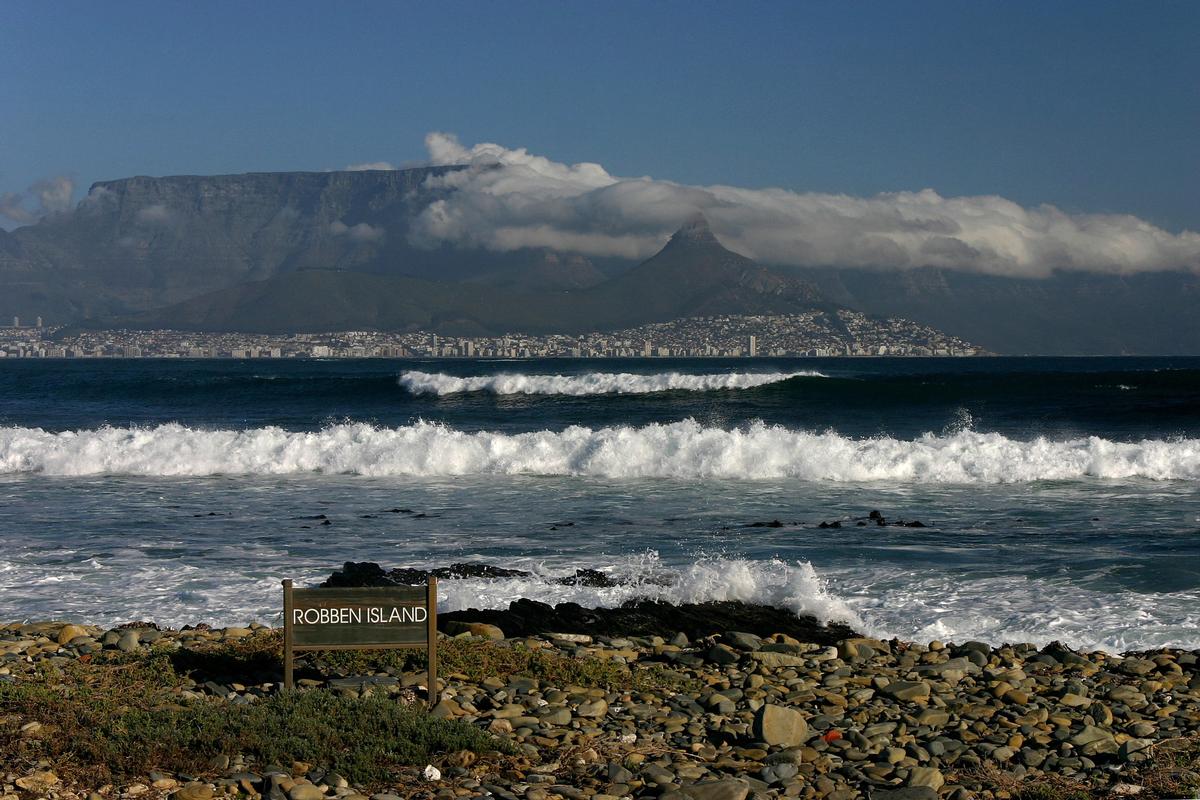
Robben Island is among the heritage sites that have taken the socio-economic approach Credit: Shutterstock.com
A leading heritage expert has raised critical questions related to management of heritage sites in Africa, suggesting a socio-economic approach needs to be taken to maximise sustainability.

Speaking on the first-ever African World Heritage Day on 5 May, Pascall Taruvinga, chief heritage officer for the Robben Island Museum and World Heritage site in Cape Town, South Africa, said that while the number of world heritage sites in Africa is increasing, the relationship between conservation and socio-economic development at these sites has become a topical issue over the years.

According to Taruvinga, Africa as a continent requires sensible and sustainable solutions driven by stakeholders in world heritage to address socio-economic needs, while simultaneously upholding the principles of conservation for its 129 World Heritage sites.

“Socio-economic development often takes place either within or outside the boundaries of places inscribed as world heritage sites, for example, uranium extraction in Tanzania’s Selous Game Reserve,” said Taruvinga.

“World heritage has not been sufficiently harnessed for contributing to socio-economic development, especially in developing nations. Principles of sustainable development should be applied during this process.”

Using the socio-economic method of sustainability, Taruvinga added that a paradox is created where heritage sites are expected to combat ever-decreasing government grants through sustainable development initiatives, while still upholding the ‘virtues’ of conservation.

“The question that arises is: What are the acceptable socio-economic initiatives that can be implemented without compromising the authenticity and the integrity of a site?” said Taruvinga.

“Heritage institutions can achieve operational sustainability through implementing sustainable development initiatives that directly benefit conservation. Cradle of Humankind in South Africa has successfully developed its site for tourism and supportive infrastructures, creating direct jobs in guiding and servicing visitors at the museum and visitor centre facilities. This is an example of sustainable development and adaptive re-use at a heritage site without destroying the significance of the site.

“Heritage institutions are now confronted not only with purely conservation and economic issues, but also with the growing complexities and dynamics of the social context in which they operate,” he concluded.

“Heritage is becoming a driver or catalyst for socio-economic development in Africa, therefore the multiple and multi-layered stakeholders of heritage sites have to become informed decision makers on issues of conservation and development.”
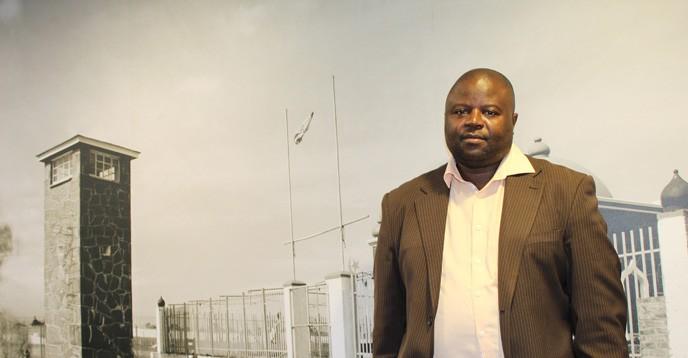
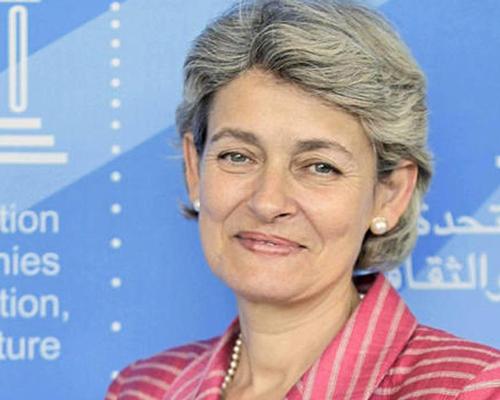
Pascall Taruvinga said that while the number of world heritage sites in Africa is increasing, the relationship between conservation and socio-economic development at these sites has become a topical issue over the years Credit: UNESCO
RELATED STORIES
  UNESCO continues efforts to thwart heritage destruction with Red Cross agreement


UNESCO and Red Cross are teaming up to enhance the protection of cultural heritage in the event of an armed conflict.
  UNESCO and Italy form heritage taskforce to tackle cultural destruction worldwide


After calls early last year to form a UN peacekeeping force to protect heritage sites worldwide, UNESCO and the Italian government have signed an agreement to establish a taskforce focused on the conservation of cultural heritage affected by crises around the world.
  UNESCO workshop offers crucial management training for Asia-Pacific's coastal and marine World Heritage sites


UNESCO is running a heritage training workshop at the end of this month designed to teach skills in management of coastal and marine world heritage sites in the Asia-Pacific region.
  Heritage delegates gather in Malta for UNESCO disaster management training


A collaboration of UNESCO groups gathered in Malta last month to deliver training in disaster risk reduction principles, also incorporating heritage professionals in the body’s management plans for cultural heritage sites.
MORE NEWS
HUM2N opens longevity clinic at Six Senses London
Global luxury hospitality brand, Six Senses, has partnered with longevity healthcare provider, HUM2N, to launch a clinic at Six Senses London, at The Whiteley.
KX Chelsea invests £15 million to upgrade its wellness offering
Premium London health club, KX Chelsea, will imminently unveil its most significant redevelopment since its launch in 2002 to create an integrated wellness model combining training, recovery and relaxation.
Researchers identify a drug which reduces muscle loss when using GLP-1 medications
Researchers in the US have identified an antibody which could greatly reduce the loss of lean muscle mass in people who are taking weight-loss medications.
Peloton signals potential move into reformer Pilates with Skop acquisition
Peloton has made the strategic acquisition of the Pilates start-up, Skōp, to support the expansion of its strength ecosystem.
+ More news   
LATEST JOBS
GP Exercise Referral Instructor
Everyone Active
Salary: £33,000pa + benefits
Job location: Harrow, Middlesex , United Kingdom
Self Employed Personal Trainer
Everyone Active
Salary: Competitive
Job location: Enderby
+ More jobs  

FEATURED SUPPLIERS

Supporting long-term health: why whole body vibration belongs in clinical settings
As healthcare continues to shift towards prevention, there’s a growing focus on helping people stay active, independent and feeling good for longer. [more...]

W3Fit EMEA celebrates its fifth anniversary
Celebrating its milestone 5th anniversary, W3Fit EMEA returns in 2026 with an unmissable gathering of the Health & Fitness industry’s most influential leaders. [more...]
+ More featured suppliers  
COMPANY PROFILES
Everyone Active

Everyone Active operates leisure centres in partnership with local councils across the UK. Today, Ev [more...]
Safe Space Lockers

We provide a full turn-key solution for clients from design and consultation, through to bespoke man [more...]
+ More profiles  
CATALOGUE GALLERY
 
+ More catalogues  

DIRECTORY
+ More directory  
DIARY


09-12 Jun 2026

W3Spa EMEA

Hotel Cascais Miragem Health & Spa, Portugal
13-13 Jun 2026

Global Wellness Day

Worldwide, Various,
+ More diary  
 
ABOUT LEISURE MEDIA
LEISURE MEDIA MAGAZINES
LEISURE MEDIA HANDBOOKS
LEISURE MEDIA WEBSITES
LEISURE MEDIA PRODUCT SEARCH
 
HCM
LEISURE OPPORTUNITIES
HEALTH CLUB HANDBOOK
PRINT SUBSCRIPTIONS
FREE DIGITAL SUBSCRIPTIONS
ADVERTISE . CONTACT US

Leisure Media
Tel: +44 (0)1462 431385

©Cybertrek 2026
Get HCM digital magazine and ezines FREE
Sign up here ▸
Jobs    News   Products   Magazine
NEWS
Socio-economic approach will benefit Africa's World Heritage sites, says expert
POSTED 12 May 2016 . BY Tom Anstey
Robben Island is among the heritage sites that have taken the socio-economic approach Credit: Shutterstock.com
A leading heritage expert has raised critical questions related to management of heritage sites in Africa, suggesting a socio-economic approach needs to be taken to maximise sustainability.

Speaking on the first-ever African World Heritage Day on 5 May, Pascall Taruvinga, chief heritage officer for the Robben Island Museum and World Heritage site in Cape Town, South Africa, said that while the number of world heritage sites in Africa is increasing, the relationship between conservation and socio-economic development at these sites has become a topical issue over the years.

According to Taruvinga, Africa as a continent requires sensible and sustainable solutions driven by stakeholders in world heritage to address socio-economic needs, while simultaneously upholding the principles of conservation for its 129 World Heritage sites.

“Socio-economic development often takes place either within or outside the boundaries of places inscribed as world heritage sites, for example, uranium extraction in Tanzania’s Selous Game Reserve,” said Taruvinga.

“World heritage has not been sufficiently harnessed for contributing to socio-economic development, especially in developing nations. Principles of sustainable development should be applied during this process.”

Using the socio-economic method of sustainability, Taruvinga added that a paradox is created where heritage sites are expected to combat ever-decreasing government grants through sustainable development initiatives, while still upholding the ‘virtues’ of conservation.

“The question that arises is: What are the acceptable socio-economic initiatives that can be implemented without compromising the authenticity and the integrity of a site?” said Taruvinga.

“Heritage institutions can achieve operational sustainability through implementing sustainable development initiatives that directly benefit conservation. Cradle of Humankind in South Africa has successfully developed its site for tourism and supportive infrastructures, creating direct jobs in guiding and servicing visitors at the museum and visitor centre facilities. This is an example of sustainable development and adaptive re-use at a heritage site without destroying the significance of the site.

“Heritage institutions are now confronted not only with purely conservation and economic issues, but also with the growing complexities and dynamics of the social context in which they operate,” he concluded.

“Heritage is becoming a driver or catalyst for socio-economic development in Africa, therefore the multiple and multi-layered stakeholders of heritage sites have to become informed decision makers on issues of conservation and development.”
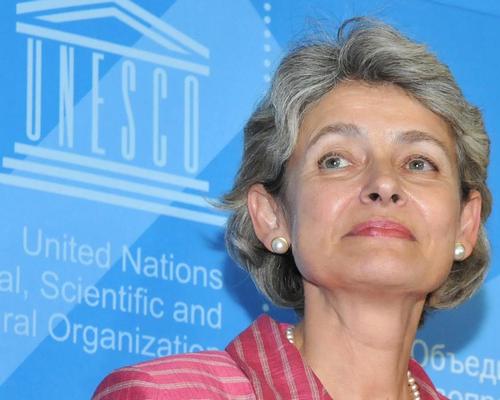
Pascall Taruvinga said that while the number of world heritage sites in Africa is increasing, the relationship between conservation and socio-economic development at these sites has become a topical issue over the years Credit: UNESCO
RELATED STORIES
UNESCO continues efforts to thwart heritage destruction with Red Cross agreement


UNESCO and Red Cross are teaming up to enhance the protection of cultural heritage in the event of an armed conflict.
UNESCO and Italy form heritage taskforce to tackle cultural destruction worldwide


After calls early last year to form a UN peacekeeping force to protect heritage sites worldwide, UNESCO and the Italian government have signed an agreement to establish a taskforce focused on the conservation of cultural heritage affected by crises around the world.
UNESCO workshop offers crucial management training for Asia-Pacific's coastal and marine World Heritage sites


UNESCO is running a heritage training workshop at the end of this month designed to teach skills in management of coastal and marine world heritage sites in the Asia-Pacific region.
Heritage delegates gather in Malta for UNESCO disaster management training


A collaboration of UNESCO groups gathered in Malta last month to deliver training in disaster risk reduction principles, also incorporating heritage professionals in the body’s management plans for cultural heritage sites.
MORE NEWS
HUM2N opens longevity clinic at Six Senses London
Global luxury hospitality brand, Six Senses, has partnered with longevity healthcare provider, HUM2N, to launch a clinic at Six Senses London, at The Whiteley.
KX Chelsea invests £15 million to upgrade its wellness offering
Premium London health club, KX Chelsea, will imminently unveil its most significant redevelopment since its launch in 2002 to create an integrated wellness model combining training, recovery and relaxation.
Researchers identify a drug which reduces muscle loss when using GLP-1 medications
Researchers in the US have identified an antibody which could greatly reduce the loss of lean muscle mass in people who are taking weight-loss medications.
Peloton signals potential move into reformer Pilates with Skop acquisition
Peloton has made the strategic acquisition of the Pilates start-up, Skōp, to support the expansion of its strength ecosystem.
Crunch Fitness creates more affordable reformer Pilates concept
Crunch Fitness has announced the launch of Crunch Reform Pilates – its own reformer concept designed to bring this fast growing, but rather expensive, modality into the mainstream.
As the 20th State of the Industry Report is released, LeisureDB rebrands to Evolve
The 20th State of the Industry Report reveals a resilient, expanding and competitive sector, the importance of differentiation and the ongoing challenge of tackling inequalities.
+ More news   
 
FEATURED SUPPLIERS

Supporting long-term health: why whole body vibration belongs in clinical settings
As healthcare continues to shift towards prevention, there’s a growing focus on helping people stay active, independent and feeling good for longer. [more...]

W3Fit EMEA celebrates its fifth anniversary
Celebrating its milestone 5th anniversary, W3Fit EMEA returns in 2026 with an unmissable gathering of the Health & Fitness industry’s most influential leaders. [more...]
+ More featured suppliers  
COMPANY PROFILES
Everyone Active

Everyone Active operates leisure centres in partnership with local councils across the UK. Today, Ev [more...]
+ More profiles  
CATALOGUE GALLERY
+ More catalogues  

DIRECTORY
+ More directory  
DIARY


09-12 Jun 2026

W3Spa EMEA

Hotel Cascais Miragem Health & Spa, Portugal
13-13 Jun 2026

Global Wellness Day

Worldwide, Various,
+ More diary  


ADVERTISE . CONTACT US

Leisure Media
Tel: +44 (0)1462 431385

©Cybertrek 2026

ABOUT LEISURE MEDIA
LEISURE MEDIA MAGAZINES
LEISURE MEDIA HANDBOOKS
LEISURE MEDIA WEBSITES
LEISURE MEDIA PRODUCT SEARCH
PRINT SUBSCRIPTIONS
FREE DIGITAL SUBSCRIPTIONS