Moodie says CSI has engaged with 2,200 people so far
What is the Challenge through Sport Initiative? CSI is a bespoke behaviour change programme for people in recovery from alcohol or substance misuse. Organised by Lancashire Sport Partnership, it’s led by support workers who are themselves in recovery. We get individuals involved in physical activity and sport to improve their long term health and economic profiles.
How did CSI come about? It was spearheaded by our CEO, Adrian Leather, and Tom Woodcock from Public Health England (PHE) who together wanted to do something to encourage people who are in recovery to be active.
In 2014 a pilot project was introduced in four areas of Lancashire, which successfully engaged with 600 people. Our service was launched off the back of it in August 2015. After the pilot we successfully bid for £500,000 from Sport England and received match funding from the Police Crime Commission and PHE.
How does the initiative work? We network with recovery agencies and attend drop-ins to connect with people who may like to use our service. To start with, we consult with the individuals and find out what sort of activities would be appealing to them: it could be swimming, kickboxing, climbing or self defence. We then liaise with grassroots clubs in the area.
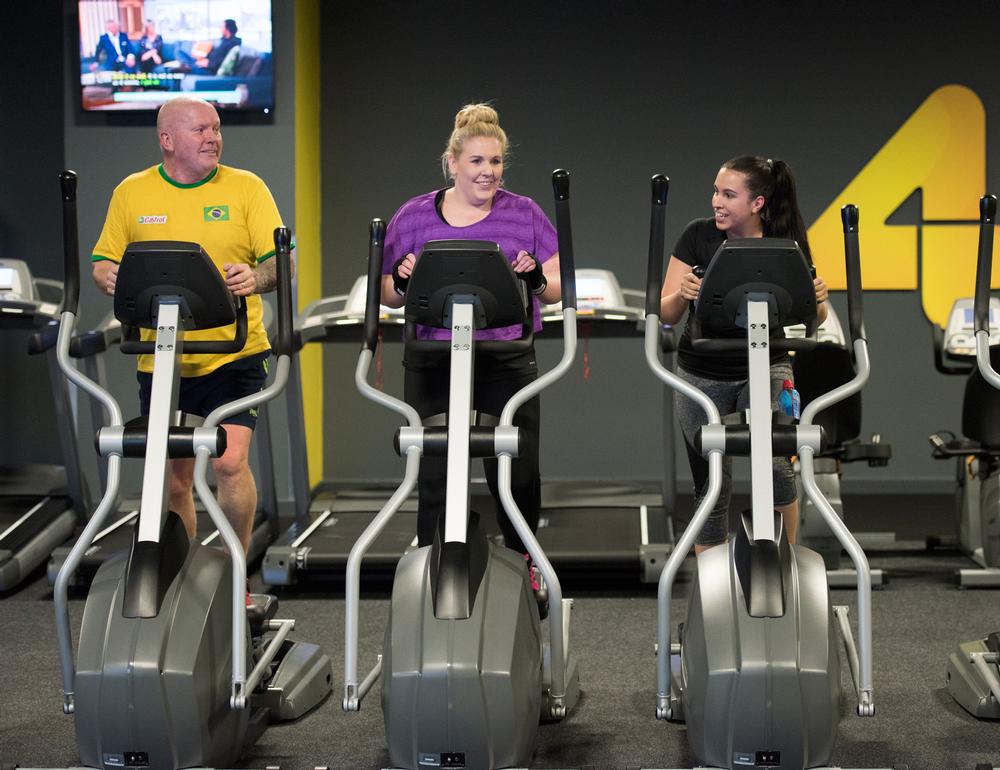
How did the partnership with Xercise4less come about? We linked up with Xercise4less in December 2016 because they have been supportive of what we are doing.
Most people in recovery believe that people like them can’t go into a gym, so we help them to overcome these barriers by meeting them at the facility, showing them around and making them feel more comfortable.
We pay for a six month membership, after which they can join if they want to without the admin or joining fee. If they can’t afford it then they can just do the free sessions that Xercise4less offers.
What have been the results of the CSI programme? Key impacts have been a marked reduction in re-admission to specialist health services and increased levels of employment in the target group.
So far we’ve engaged with 2,200 people and at least 100 people have moved into employment, as well as regained access to, or custody of, children, and places in sheltered accommodation.
How would you like this to progress in the future? It would be great to work with even more organisations and to spread geographically. We’ve already had a gym operator from the south east contact us because they would like to offer the same type of service as Xercise4less.
We’re more than happy to share the experiences and challenges that we’ve faced, because we know this will help a lot of people to get back to work, as well as get fit and healthy.
CSI has linked up with Xercise4less to help people in recovery get fitter
Panatta brought together four of the most influential figures in bodybuilding history on the
stage of RiminiWellness 2026: Phil Heath, Lee Haney, Ronnie Coleman and Hany Rambod. [more...]
Active Blackpool is deploying Cornerstone Connect, a new digital interface allowing
disparate information from multiple systems to be aggregated into one dataset, to support
its focus on reducing health inequalities and improving healthy life expectancy. [more...]
Moodie says CSI has engaged with 2,200 people so far
What is the Challenge through Sport Initiative? CSI is a bespoke behaviour change programme for people in recovery from alcohol or substance misuse. Organised by Lancashire Sport Partnership, it’s led by support workers who are themselves in recovery. We get individuals involved in physical activity and sport to improve their long term health and economic profiles.
How did CSI come about? It was spearheaded by our CEO, Adrian Leather, and Tom Woodcock from Public Health England (PHE) who together wanted to do something to encourage people who are in recovery to be active.
In 2014 a pilot project was introduced in four areas of Lancashire, which successfully engaged with 600 people. Our service was launched off the back of it in August 2015. After the pilot we successfully bid for £500,000 from Sport England and received match funding from the Police Crime Commission and PHE.
How does the initiative work? We network with recovery agencies and attend drop-ins to connect with people who may like to use our service. To start with, we consult with the individuals and find out what sort of activities would be appealing to them: it could be swimming, kickboxing, climbing or self defence. We then liaise with grassroots clubs in the area.
How did the partnership with Xercise4less come about? We linked up with Xercise4less in December 2016 because they have been supportive of what we are doing.
Most people in recovery believe that people like them can’t go into a gym, so we help them to overcome these barriers by meeting them at the facility, showing them around and making them feel more comfortable.
We pay for a six month membership, after which they can join if they want to without the admin or joining fee. If they can’t afford it then they can just do the free sessions that Xercise4less offers.
What have been the results of the CSI programme? Key impacts have been a marked reduction in re-admission to specialist health services and increased levels of employment in the target group.
So far we’ve engaged with 2,200 people and at least 100 people have moved into employment, as well as regained access to, or custody of, children, and places in sheltered accommodation.
How would you like this to progress in the future? It would be great to work with even more organisations and to spread geographically. We’ve already had a gym operator from the south east contact us because they would like to offer the same type of service as Xercise4less.
We’re more than happy to share the experiences and challenges that we’ve faced, because we know this will help a lot of people to get back to work, as well as get fit and healthy.
CSI has linked up with Xercise4less to help people in recovery get fitter
According to research which tracked more than 147,000 people for 30 years, 90-120 minutes
of strength training a week may deliver some of the biggest long-term health rewards.
The UK's four Chief Medical Officers have published a refreshed edition of Physical activity
guidelines: UK Chief Medical Officers' report, updating the evidence that underpins the nation's
physical activity recommendations and placing greater emphasis on strength, balance, reducing
sedentary behaviour and, for the first time, supporting people taking weight loss medications.
Places Leisure has exchanged contracts to build and operate a flagship £60m water and leisure
destination on behalf of Basingstoke and Deane Borough Council.
The Republic of Ireland will become the latest market in PureGym’s expanding international
portfolio, with the first launch planned for Dublin in 2027.
Anytime Fitness opened more than one club a day in 2025 and is on track to maintain this rate
of growth this year, as parent company Purpose Brands targets further international expansion.
The £33.9 million Leighton Leisure and Community Centre has opened in Leighton Buzzard, UK,
creating a next-generation public leisure, health and wellbeing hub for the local community.
Walnuts Leisure Centre in Orpington, in the London Borough of Bromley, has reopened following
a £17m transformation designed to secure the long-term future of the public leisure asset and
reposition it as a community wellbeing hub.
The Gym Group, has announced that it's sustained positive trading momentum has continued
through the first half of 2026 and the company remains confident about the outlook.
Panatta brought together four of the most influential figures in bodybuilding history on the
stage of RiminiWellness 2026: Phil Heath, Lee Haney, Ronnie Coleman and Hany Rambod. [more...]
Active Blackpool is deploying Cornerstone Connect, a new digital interface allowing
disparate information from multiple systems to be aggregated into one dataset, to support
its focus on reducing health inequalities and improving healthy life expectancy. [more...]