NEWS
 |
| Could citizens of the future live under the sea? Vincent Callebaut unveils 3D-printed 'oceanscrapers' |
|
| POSTED 06 Jan 2016 . BY Kim Megson |
|
|
|
|

|
|
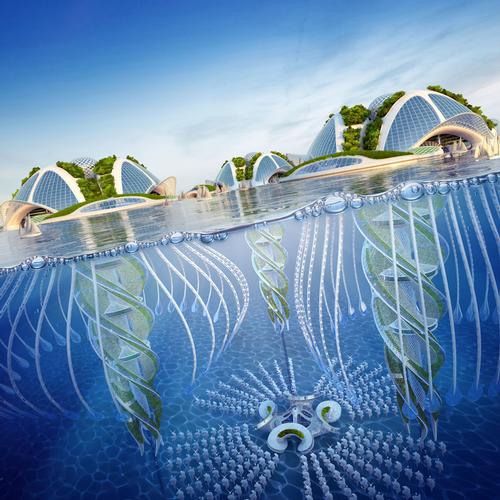
The jellyfish-inspired 'oceanscrapers' will stretch to depth of 1,000m (3,300ft) Credit: Vincent Callebaut
|
|
|
|
|
Belgian architect Vincent Callebaut has unveiled his vision for a future where the citizens of the world live underwater in vast self-sufficient ‘oceanscrapers’ made from recycled waste.
The futuristic concept – named Aequorea after a bioluminescent jellyfish capable of emitting light – imagines communities living in twisting 250-floor structures that drop to depths of 1,000m (3,300ft).
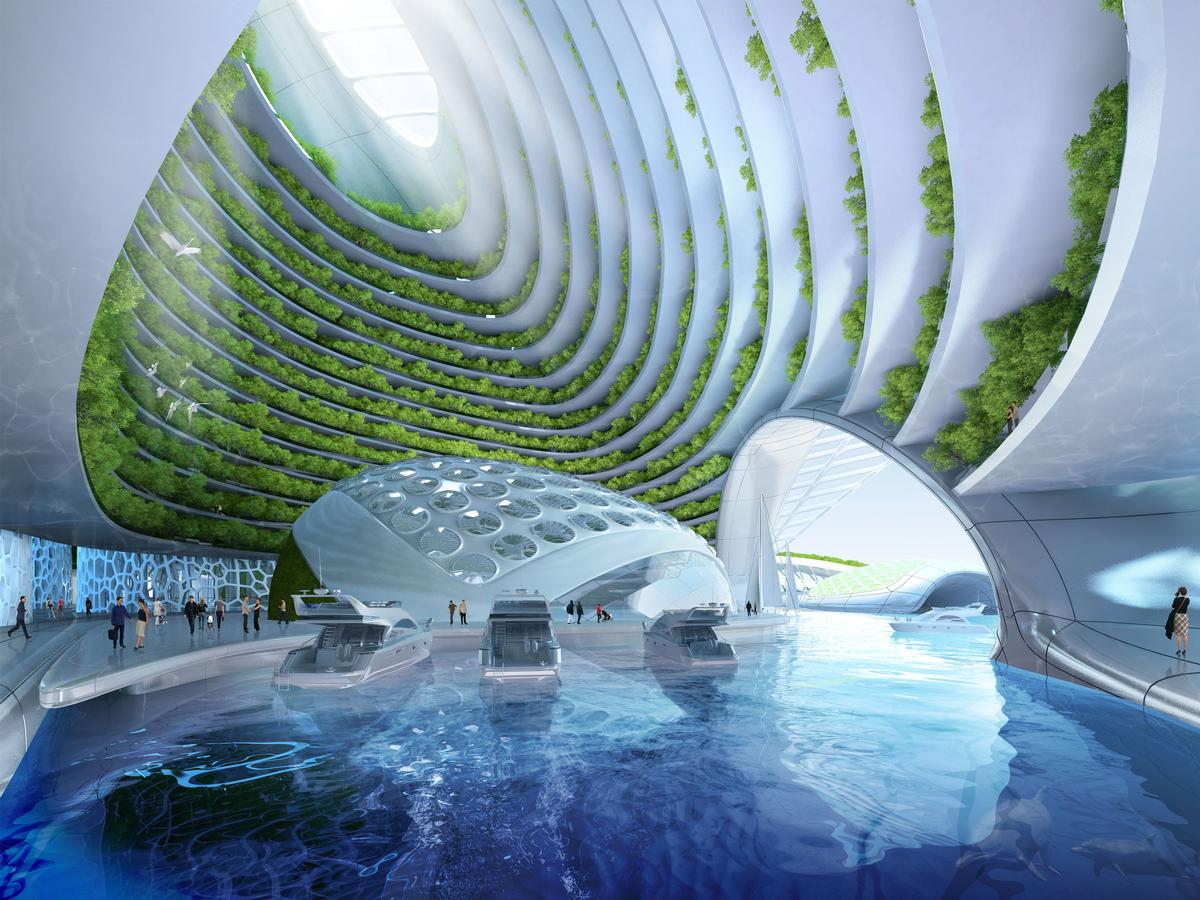
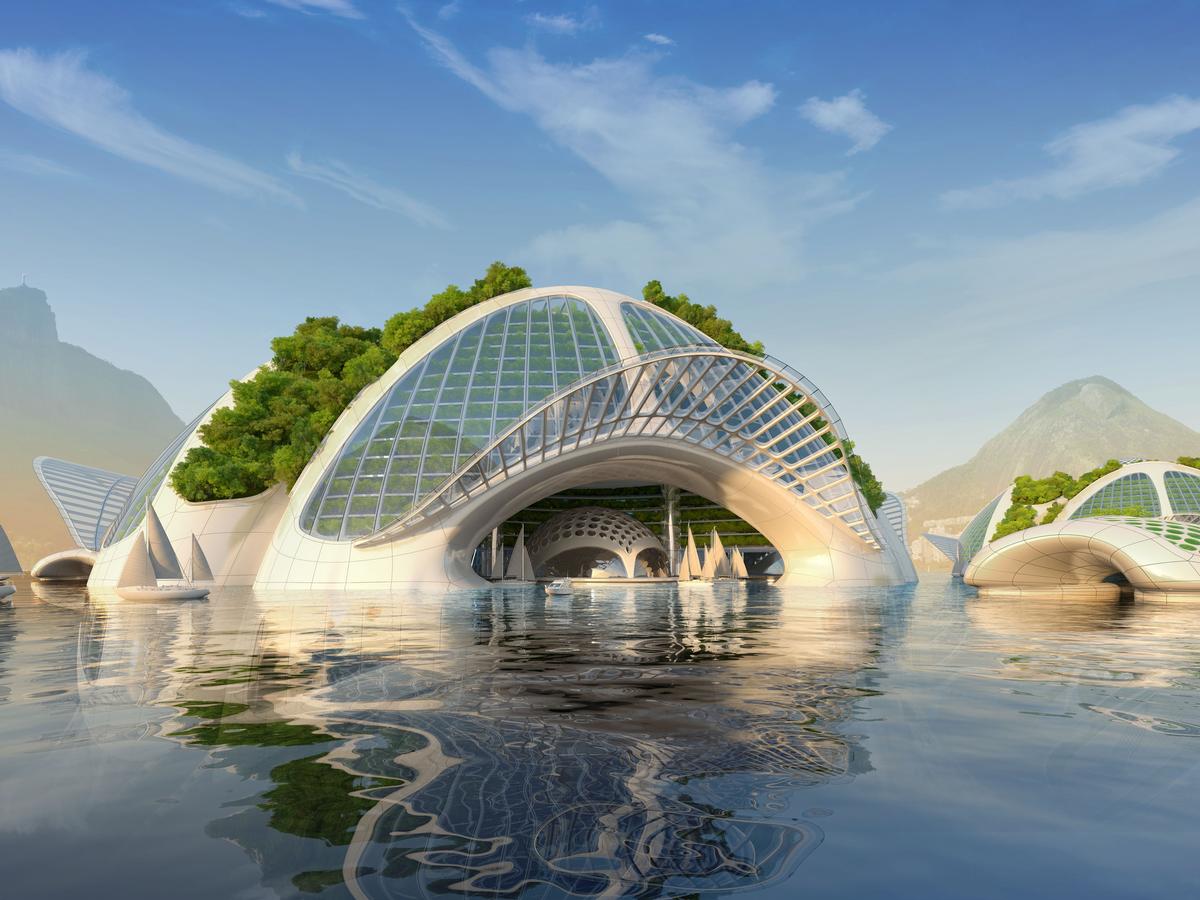
Each of these underwater villages would accommodate 20,000 people and would feature houses, hotels, coral reef gardens and sport, leisure and culture facilities. On the surface, large floating conch-shaped marinas rooted with mangroves would provide access to the surface and a home for horticultural greenhouses, organic farms and community spaces to be enjoyed by each water-bound community.
Each of Callebaut’s oceanscrapers would be made from recycled plastic gathered from islands of waste floating in the world’s oceans, and created into watertight and durable building materials using 3D printing.
Taking inspiration from sea shells, calcium-heavy materials like aragonite would be added to naturally form an external exoskeleton. Meanwhile, the towers would be resistant to hydrostatic pressure and would be designed, like jellyfish, to remain stable during high currents and storms. The cost of construction is estimated at €1,900 (£1,430, US$2,000) for every square metre.
Light from the surface would be accessed using bioluminescence, water turbines on the ocean floor would provide power, water would be desalinated for drinking and algae, while plankton and mollusks would be harvested as a source of food rich in minerals.
Callebaut’s concept was revealed by the architect in the form of an open letter from an ‘aquanaut’ in the year 2050, remembering how humanity finally took action to combat climate change and waste in 2015 by looking to the oceans.
|
|
|
|
| Marinas will provide access to the surface Credit: Vincent Callebaut |
|
|
|
|
|
| Each oceanscraper would be made from recycled plastic gathered from islands of waste floating in the world’s oceans Credit: Vincent Callebaut |
|
|
|

|
|
| As many as 20,000 aquanauts could live in each oceanscraper Credit: Vincent Callebaut |
|
|
|
|
|
| On the surface, large floating conch-shaped marinas rooted with mangroves would provide a home for horticultural greenhouses, organic farms and community spaces Credit: Vincent Callebaut |
|
|
|
|
|
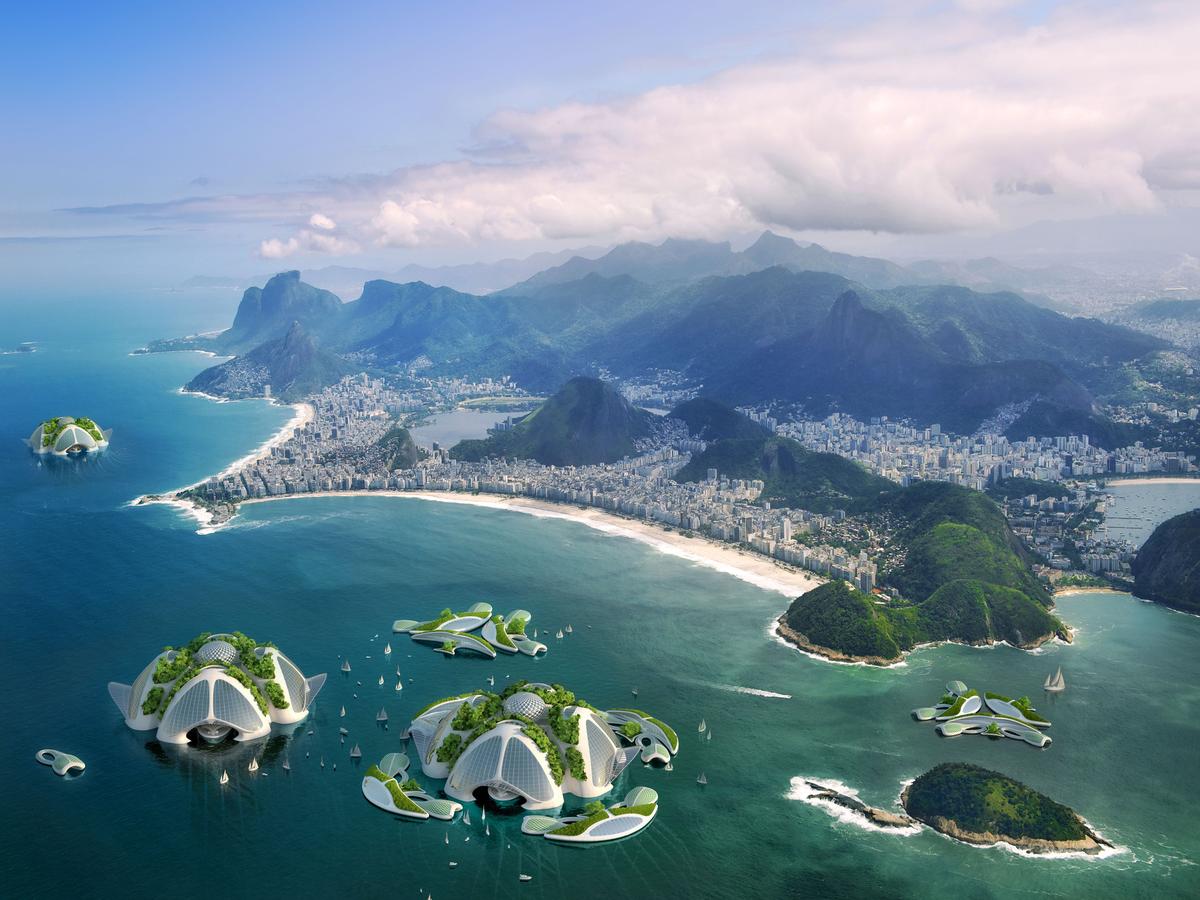
| The oceanscrapers could be located all around the world Credit: Vincent Callebaut |
|
|
|
|
|
|
|
|
|
|
|
|
|
World’s first underwater nightclub redesigned by Poole Associates as “creative playground”
POSTED 03 Jun 2015. BY Jason Holland
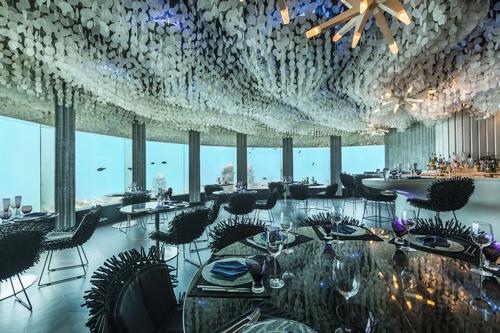
It can only be reached by taking a speedboat over a coral reef and descending a
dramatic three-tier staircase, and was originally opened in 2012 as the world's first
underwater nightclub. Now Poole Associates has redesigned Subsix, the underwater
venue located at the Per Aquum Niyama resort in the Maldives, to become a multi-
functional creative space which can be “transformed into whatever guests imagine it to
be”.
|
|
|
|
|
|
 |
|
|


 |
|
| DIARY |
15-18 Jun 2026
HLTH Europe
RAI Convention Centre,
Amsterdam,
Netherlands
|
|
|
|
|
|