Get HCM digital magazine and ezines FREE
Sign up here ▸
Jobs   News   Features   Products   Magazine      Advertise  
Letters
Write to reply

Do you have a strong opinion or disagree with somebody else’s views on the industry? If so, we’d love to hear from you – email: [email protected]


Women-only areas should be considered a vital addition to gyms, rather than a ‘nice to have’ extra


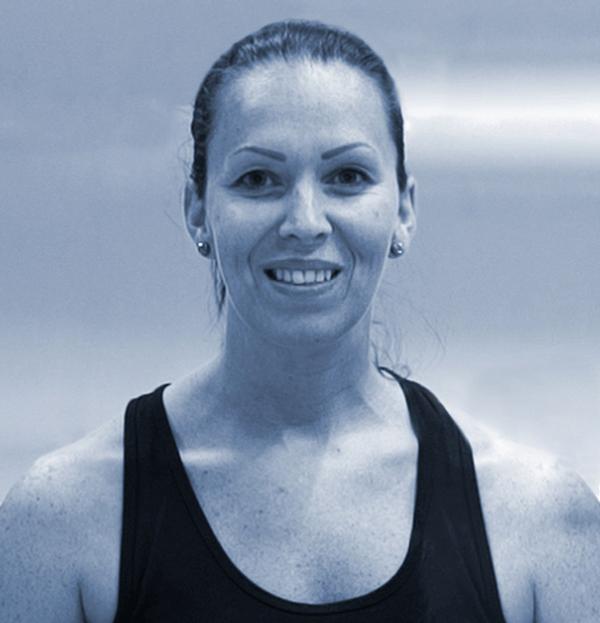
Kate Read
 
Kate Read General Manager Total Fitness Whitefield

I was encouraged by your recent piece on a women-only gym chain in Saudi Arabia (NuYu, HCM July 17, p70).

Even though that club operator is based in the Middle East, there’s also a clear need for female-only fitness facilities to be more widely available to women across the UK.

Recent studies suggest women are risking their health by exercising less than men, and self-consciousness, childcare and housework are all being blamed for this failure to exercise.

In addition, women with faith demands or personal beliefs that involve modesty and traditional dress can feel limited or uncomfortable when working out in a more conventional exercise setting, such as in a health and fitness club.

Research suggests that in-gym women-only areas are not just a cultural necessity for ensuring uninhibited workouts, but that the brains of men and women are wired differently and trigger different reactions to exercise.

This is why having a women-only gym in all 17 branches of Total Fitness across the north of England and Wales has proved to be so important.

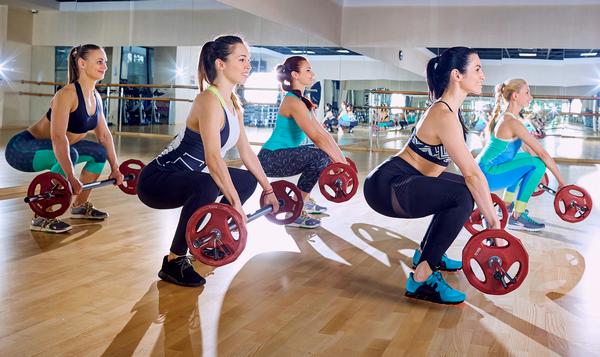
We often see a selection of female members who use the non-intimidating environment of the women-only gym as a stepping stone to the main gym floor, while others choose to stay in there throughout their membership, due to the sense of community developed among the group of like-minded women. Some even tell me that our women-only gym is why they chose to join our facility instead of the other local health clubs.

After all, it’s not all about how women look when they exercise – how they feel is also really important.

Having a dedicated space to themselves helps to nurture this feeling of psychological and emotional wellbeing.



"We often see female members using the non-intimidating environment of the women-only gym as a stepping stone to the main gym floor”


shutterstock.com

All-female gyms can foster a strong sense of community

The tools used to calculate the impact of inactivity may not be perfect, but they are useful


Dr Steven Mann
 
Dr Steven Mann Research Director ukactive

Lauretta Ihonor’s Editor’s Letter (July 2017) raised important points on the use of statistics in making the case for getting more people, more active, more often – specifically those related to the ‘cost of inactivity’.

However, I believe the notion that the sector is misrepresenting figures to gain traction and exaggerating impact is wide of the mark. At ukactive, we don’t tend to use ‘cost to the NHS figures’. The figure we use regularly – physical inactivity costs the UK £20bn each year – is taken from the government’s own figures in a Public Health England report.

When calculating the ‘impact’ of our work we generally have to turn to the best available tools at our disposal. Both the National Institute for Health and Care Excellence and Sport England provide means of predicting the financial saving provided to the NHS with simple information such as the number of participants involved and levels of activity. With these simple metrics, sophisticated modelling then predicts health outcomes based on how physical activity has been demonstrated to contribute to a whole host of conditions and how much each of those conditions costs to treat and/or manage.

There is one major assumption we make in this process, and that comes from relying on self-reported physical activity data as opposed to any knowledge related to the actual amount of movement completed by individuals. This makes it very hard to predict any health outcomes that might be achieved.

We can, however, take steps to solidify our assumptions and work towards an evidence base for the real-world health impacts of physical activity. The routine collection of health-related outcomes and monitoring of actual behaviours will increase the power of our predictions, and give stakeholders, policy makers and commentators alike greater confidence in our calculations.


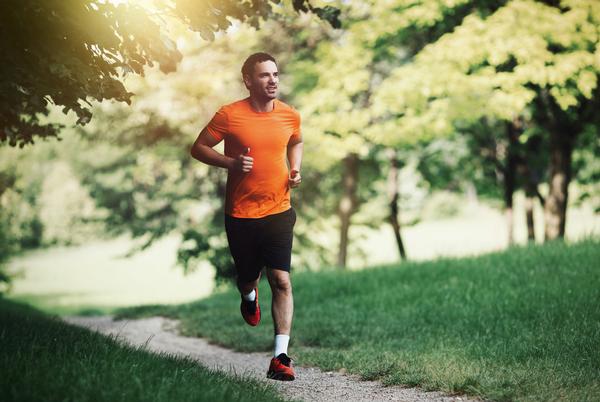
“The collection of health-related outcomes and behaviour monitoring will increase the power of predictions”


shutterstock.com

Relying on self-reported physical activity affects data reliability
FEATURED SUPPLIERS

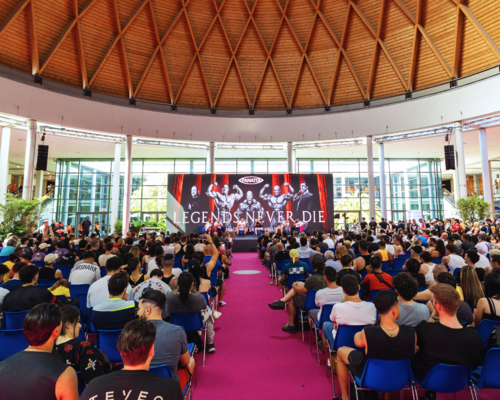
Legends never die: four legends, four philosophies of life
Panatta brought together four of the most influential figures in bodybuilding history on the stage of RiminiWellness 2026: Phil Heath, Lee Haney, Ronnie Coleman and Hany Rambod. [more...]

Cornerstone Connect helps Active Blackpool tackle health inequalities
Active Blackpool is deploying Cornerstone Connect, a new digital interface allowing disparate information from multiple systems to be aggregated into one dataset, to support its focus on reducing health inequalities and improving healthy life expectancy. [more...]
+ More featured suppliers  
COMPANY PROFILES
Total Vibration Solutions Ltd (TVS Group)

TVS Group includes TVS Sports Surfaces, TVS Gym Flooring, TVS Play Surfaces and TVS Acoustics. [more...]
Perfect Gym Solutions S.A.

Perfect Gym, part of the Sport Alliance group, is a global software provider specialising in fitness [more...]
+ More profiles  
CATALOGUE GALLERY
 
+ More catalogues  

DIRECTORY
+ More directory  
DIARY


23-26 Aug 2026

Elevate Spa Riviera Maya Edition

The Riviera Maya Edition Kanai, Playa del Carmen, Mexico
10-12 Sep 2026

ASEAN Patio Pool Spa Expo 2026

MITEC Kuala Lumpur,Malaysia, Malaysia
+ More diary  
 
ABOUT LEISURE MEDIA
LEISURE MEDIA MAGAZINES
LEISURE MEDIA HANDBOOKS
LEISURE MEDIA WEBSITES
LEISURE MEDIA PRODUCT SEARCH
 
HCM
LEISURE OPPORTUNITIES
HEALTH CLUB HANDBOOK
PRINT SUBSCRIPTIONS
FREE DIGITAL SUBSCRIPTIONS
ADVERTISE . CONTACT US

Leisure Media
Tel: +44 (0)1462 431385

©Cybertrek 2026
Get HCM digital magazine and ezines FREE
Sign up here ▸
Jobs    News   Products   Magazine
Letters
Write to reply

Do you have a strong opinion or disagree with somebody else’s views on the industry? If so, we’d love to hear from you – email: [email protected]


Women-only areas should be considered a vital addition to gyms, rather than a ‘nice to have’ extra


Kate Read
 
Kate Read General Manager Total Fitness Whitefield

I was encouraged by your recent piece on a women-only gym chain in Saudi Arabia (NuYu, HCM July 17, p70).

Even though that club operator is based in the Middle East, there’s also a clear need for female-only fitness facilities to be more widely available to women across the UK.

Recent studies suggest women are risking their health by exercising less than men, and self-consciousness, childcare and housework are all being blamed for this failure to exercise.

In addition, women with faith demands or personal beliefs that involve modesty and traditional dress can feel limited or uncomfortable when working out in a more conventional exercise setting, such as in a health and fitness club.

Research suggests that in-gym women-only areas are not just a cultural necessity for ensuring uninhibited workouts, but that the brains of men and women are wired differently and trigger different reactions to exercise.

This is why having a women-only gym in all 17 branches of Total Fitness across the north of England and Wales has proved to be so important.

We often see a selection of female members who use the non-intimidating environment of the women-only gym as a stepping stone to the main gym floor, while others choose to stay in there throughout their membership, due to the sense of community developed among the group of like-minded women. Some even tell me that our women-only gym is why they chose to join our facility instead of the other local health clubs.

After all, it’s not all about how women look when they exercise – how they feel is also really important.

Having a dedicated space to themselves helps to nurture this feeling of psychological and emotional wellbeing.

"We often see female members using the non-intimidating environment of the women-only gym as a stepping stone to the main gym floor”


shutterstock.com

All-female gyms can foster a strong sense of community

The tools used to calculate the impact of inactivity may not be perfect, but they are useful


Dr Steven Mann
 
Dr Steven Mann Research Director ukactive

Lauretta Ihonor’s Editor’s Letter (July 2017) raised important points on the use of statistics in making the case for getting more people, more active, more often – specifically those related to the ‘cost of inactivity’.

However, I believe the notion that the sector is misrepresenting figures to gain traction and exaggerating impact is wide of the mark. At ukactive, we don’t tend to use ‘cost to the NHS figures’. The figure we use regularly – physical inactivity costs the UK £20bn each year – is taken from the government’s own figures in a Public Health England report.

When calculating the ‘impact’ of our work we generally have to turn to the best available tools at our disposal. Both the National Institute for Health and Care Excellence and Sport England provide means of predicting the financial saving provided to the NHS with simple information such as the number of participants involved and levels of activity. With these simple metrics, sophisticated modelling then predicts health outcomes based on how physical activity has been demonstrated to contribute to a whole host of conditions and how much each of those conditions costs to treat and/or manage.

There is one major assumption we make in this process, and that comes from relying on self-reported physical activity data as opposed to any knowledge related to the actual amount of movement completed by individuals. This makes it very hard to predict any health outcomes that might be achieved.

We can, however, take steps to solidify our assumptions and work towards an evidence base for the real-world health impacts of physical activity. The routine collection of health-related outcomes and monitoring of actual behaviours will increase the power of our predictions, and give stakeholders, policy makers and commentators alike greater confidence in our calculations.


“The collection of health-related outcomes and behaviour monitoring will increase the power of predictions”


shutterstock.com

Relying on self-reported physical activity affects data reliability
LATEST NEWS
Researchers find that 90-120 minutes of strength training a week has longevity benefits
According to research which tracked more than 147,000 people for 30 years, 90-120 minutes of strength training a week may deliver some of the biggest long-term health rewards.
Everlast pushes internationally with Dublin site
Everlast Gyms expands its footprint outside of the UK this month with the imminent launch of a club in Dublin.
UK updates physical activity guidelines with focus on daily movement
The UK's four Chief Medical Officers have published a refreshed edition of Physical activity guidelines: UK Chief Medical Officers' report, updating the evidence that underpins the nation's physical activity recommendations and placing greater emphasis on strength, balance, reducing sedentary behaviour and, for the first time, supporting people taking weight loss medications.
Places Leisure is working with Roberts Limbrick to build £60m wellness flagship in Basingstoke
Places Leisure has exchanged contracts to build and operate a flagship £60m water and leisure destination on behalf of Basingstoke and Deane Borough Council.
PureGym announces expansion into Ireland
The Republic of Ireland will become the latest market in PureGym’s expanding international portfolio, with the first launch planned for Dublin in 2027.
Total Fitness CEO Sophie Lawler launches leadership coaching venture
Sophie Lawler, CEO of Total Fitness, has launched a leadership coaching business aimed at helping women realise their professional potential.
Anytime Fitness reaches milestone moment and targets Europe for growth
Anytime Fitness opened more than one club a day in 2025 and is on track to maintain this rate of growth this year, as parent company Purpose Brands targets further international expansion.
Everyone Active opens £33.9 million next-generation leisure and wellbeing hub
The £33.9 million Leighton Leisure and Community Centre has opened in Leighton Buzzard, UK, creating a next-generation public leisure, health and wellbeing hub for the local community.
YogaSix responds to Pilates boom with launch of strength-focused Y6 Core class
YogaSix, the yoga brand of Xponential Fitness, has launched a heated, Pilates-inspired class called Y6 Core.
Bromley’s £17m Walnuts revamp adds EGYM, rehab and recovery
Walnuts Leisure Centre in Orpington, in the London Borough of Bromley, has reopened following a £17m transformation designed to secure the long-term future of the public leisure asset and reposition it as a community wellbeing hub.
The Gym Group breaks the million members mark for the first time
The Gym Group, has announced that it's sustained positive trading momentum has continued through the first half of 2026 and the company remains confident about the outlook.
Hyrox offers charity spots in sold-out races
Hyrox has announced it will be working with a second charity in the upcoming season and offering charity spots in sold-out races.
+ More news   
 
FEATURED SUPPLIERS

Legends never die: four legends, four philosophies of life
Panatta brought together four of the most influential figures in bodybuilding history on the stage of RiminiWellness 2026: Phil Heath, Lee Haney, Ronnie Coleman and Hany Rambod. [more...]

Cornerstone Connect helps Active Blackpool tackle health inequalities
Active Blackpool is deploying Cornerstone Connect, a new digital interface allowing disparate information from multiple systems to be aggregated into one dataset, to support its focus on reducing health inequalities and improving healthy life expectancy. [more...]
+ More featured suppliers  
COMPANY PROFILES
Total Vibration Solutions Ltd (TVS Group)

TVS Group includes TVS Sports Surfaces, TVS Gym Flooring, TVS Play Surfaces and TVS Acoustics. [more...]
+ More profiles  
CATALOGUE GALLERY
+ More catalogues  

DIRECTORY
+ More directory  
DIARY


23-26 Aug 2026

Elevate Spa Riviera Maya Edition

The Riviera Maya Edition Kanai, Playa del Carmen, Mexico
10-12 Sep 2026

ASEAN Patio Pool Spa Expo 2026

MITEC Kuala Lumpur,Malaysia, Malaysia
+ More diary  


ADVERTISE . CONTACT US

Leisure Media
Tel: +44 (0)1462 431385

©Cybertrek 2026

ABOUT LEISURE MEDIA
LEISURE MEDIA MAGAZINES
LEISURE MEDIA HANDBOOKS
LEISURE MEDIA WEBSITES
LEISURE MEDIA PRODUCT SEARCH
PRINT SUBSCRIPTIONS
FREE DIGITAL SUBSCRIPTIONS