Static stretching is good for you after all, say scientists
POSTED 14 Dec 2015 . BY Jak Phillips
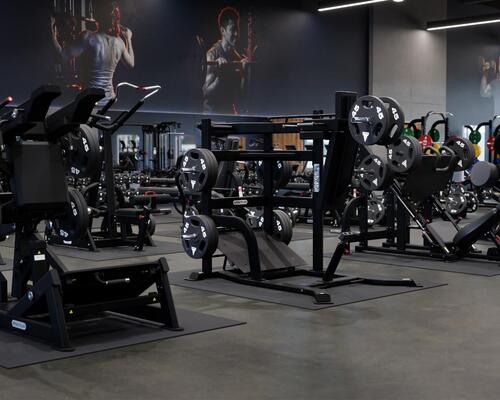
Researchers say static stretching is an important part of a warm-up routine Credit: Shutterstock.com / Pindyurin Vasily
It’s one of the great exercise debates: should you warm-up with static or dynamic stretching? After decades of conflicting information, the answer, it seems, is a mixture of both.
For more than 30 years, from the 1960s to the late 90s, conventional wisdom held that static stretching was important for increased flexibility, improved performance and injury reduction. This has been followed by 15 years of thinking that static stretching risks performance impairments and doesn’t prevent injury – leading to the rise of dynamic stretching.
Now, a group of scientists have systematically reviewed hundreds of studies into stretching from the past 15 years. They conclude that static stretching, when incorporated into a full warm-up routine including an initial aerobic component and dynamic stretching, should not result in significant performance impairments and may reduce muscle strain injury risk. This systematic review has also highlighted the lack of scientific data regarding the effects of dynamic stretching on injury risk.
"It is important for fitness professionals and enthusiasts, coaches, rehabilitation professionals and other scientists to critically assess the findings of fitness studies" said lead author of the study Dr David Behm.
"Before incorporating new findings into your fitness activities, think about how the study applies to your situation and activities."
The research has been published in the journal Applied Physiology, Nutrition, and Metabolism and the findings have also been endorsed by the Canadian Society for Exercise Physiology (CSEP).
"CSEP strongly supports promoting physical activity for healthy outcomes and equally important to that are warm up routines that increase range of motion and decrease muscle injury," said Dr Phil Chilibeck, CSEP Chair.
“The inclusion of static, or Proprioceptive Neuromuscular Facilitation (PNF), stretching is recommended and has the potential to positively influence the standard warm-up routines of a large number of athletes.”
It’s been five years since the fitness industry reopened after the last lockdown – long enough
to look back on the impact the pandemic had on the sector and what might come next.
Wattbike has announced a new integration with EGYM, which enables the bikes to contribute to
the Cardio BioAge score of individuals via a VO2 max result.
Les Mills has launched a reformer Pilates workout. The 45-minute workout blends traditional
reformer movements and more contemporary exercises, choreographed to music.
Panatta brought together four of the most influential figures in bodybuilding history on the
stage of RiminiWellness 2026: Phil Heath, Lee Haney, Ronnie Coleman and Hany Rambod. [more...]
+ More featured suppliers
COMPANY PROFILES
ukactive
ukactive is the UK’s leading trade body for the physical activity sector, bringing together more tha [more...]
Safe Space Lockers
We provide a full turn-key solution for clients from design and consultation, through to bespoke man [more...]
Static stretching is good for you after all, say scientists
POSTED 14 Dec 2015 . BY Jak Phillips
Researchers say static stretching is an important part of a warm-up routine Credit: Shutterstock.com / Pindyurin Vasily
It’s one of the great exercise debates: should you warm-up with static or dynamic stretching? After decades of conflicting information, the answer, it seems, is a mixture of both.
For more than 30 years, from the 1960s to the late 90s, conventional wisdom held that static stretching was important for increased flexibility, improved performance and injury reduction. This has been followed by 15 years of thinking that static stretching risks performance impairments and doesn’t prevent injury – leading to the rise of dynamic stretching.
Now, a group of scientists have systematically reviewed hundreds of studies into stretching from the past 15 years. They conclude that static stretching, when incorporated into a full warm-up routine including an initial aerobic component and dynamic stretching, should not result in significant performance impairments and may reduce muscle strain injury risk. This systematic review has also highlighted the lack of scientific data regarding the effects of dynamic stretching on injury risk.
"It is important for fitness professionals and enthusiasts, coaches, rehabilitation professionals and other scientists to critically assess the findings of fitness studies" said lead author of the study Dr David Behm.
"Before incorporating new findings into your fitness activities, think about how the study applies to your situation and activities."
The research has been published in the journal Applied Physiology, Nutrition, and Metabolism and the findings have also been endorsed by the Canadian Society for Exercise Physiology (CSEP).
"CSEP strongly supports promoting physical activity for healthy outcomes and equally important to that are warm up routines that increase range of motion and decrease muscle injury," said Dr Phil Chilibeck, CSEP Chair.
“The inclusion of static, or Proprioceptive Neuromuscular Facilitation (PNF), stretching is recommended and has the potential to positively influence the standard warm-up routines of a large number of athletes.”
It’s been five years since the fitness industry reopened after the last lockdown – long enough
to look back on the impact the pandemic had on the sector and what might come next.
Wattbike has announced a new integration with EGYM, which enables the bikes to contribute to
the Cardio BioAge score of individuals via a VO2 max result.
Les Mills has launched a reformer Pilates workout. The 45-minute workout blends traditional
reformer movements and more contemporary exercises, choreographed to music.
According to research which tracked more than 147,000 people for 30 years, 90-120 minutes
of strength training a week may deliver some of the biggest long-term health rewards.
Panatta brought together four of the most influential figures in bodybuilding history on the
stage of RiminiWellness 2026: Phil Heath, Lee Haney, Ronnie Coleman and Hany Rambod. [more...]
+ More featured suppliers
COMPANY PROFILES
ukactive ukactive is the UK’s leading trade body for the physical activity sector, bringing together more tha [more...]