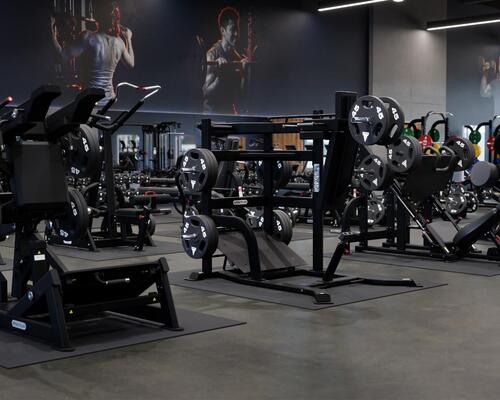
The research exposed a thousand molecular changes that occur in our muscles when we exercise Credit: Shutterstock.com
Scientists in Australia have hailed a ‘major breakthrough’ which could lead to drug treatments which are able to mirror the health benefits of exercise.
Research from the University of Sydney's Charles Perkins Centre has identified molecular reactions to exercise in the body, providing what has been described as the world's first comprehensive exercise blueprint. Published in Cell Metabolism, the research exposed a thousand molecular changes that occur in our muscles when we exercise.
Although the scientists admit that nothing can replace exercise in terms of its health benefits, the breakthrough could help to bring these benefits to people whose condition inhibits their participation in physical activity. Greater understanding of the bodily processes surrounding physical activity could also help professionals to maximise its effect.
"Exercise is the most powerful therapy for many human diseases, including type 2 diabetes, cardiovascular disease and neurological disorders," said head of the research group Professor David James.
"However, for many people, exercise isn't a viable treatment option. This means it is essential we find ways of developing drugs that mimic the benefits of exercise."
The University of Sydney researchers, in collaboration with researchers from the University of Copenhagen in Denmark, analysed human skeletal muscle biopsies from four untrained, healthy males following 10 minutes of high intensity exercise. Using a technique known as mass spectrometry to study a process called protein phosphorylation, co-author Dr Benjamin Parker discovered that short, intensive exercise triggers more than 1,000 changes.
Most traditional drugs target individual molecules. With this exercise blueprint the scientists say they have proven that any drug that mimics exercise will need to target multiple molecules and possibly even pathways, which are a combination of molecules working together. The majority of changes they discovered have not previously been associated with exercise, with existing research focusing on just a small number of changes.
"Exercise produces an extremely complex, cascading set of responses within human muscle. It plays an essential role in controlling energy metabolism and insulin sensitivity," said co-author Dr Nolan Hoffman from the Charles Perkins Centre and Faculty of Science.
"While scientists have long suspected that exercise causes a complicated series of changes to human muscle, this is the first time we have been able to map exactly what happens.
“Our data clearly show the complexity of the response: it is not one thing, but rather the drug will have to target multiple things. Our research has provided the roadmap to figure this out.”
It’s been five years since the fitness industry reopened after the last lockdown – long enough
to look back on the impact the pandemic had on the sector and what might come next.
Wattbike has announced a new integration with EGYM, which enables the bikes to contribute to
the Cardio BioAge score of individuals via a VO2 max result.
Les Mills has launched a reformer Pilates workout. The 45-minute workout blends traditional
reformer movements and more contemporary exercises, choreographed to music.
Panatta brought together four of the most influential figures in bodybuilding history on the
stage of RiminiWellness 2026: Phil Heath, Lee Haney, Ronnie Coleman and Hany Rambod. [more...]
The research exposed a thousand molecular changes that occur in our muscles when we exercise Credit: Shutterstock.com
Scientists in Australia have hailed a ‘major breakthrough’ which could lead to drug treatments which are able to mirror the health benefits of exercise.
Research from the University of Sydney's Charles Perkins Centre has identified molecular reactions to exercise in the body, providing what has been described as the world's first comprehensive exercise blueprint. Published in Cell Metabolism, the research exposed a thousand molecular changes that occur in our muscles when we exercise.
Although the scientists admit that nothing can replace exercise in terms of its health benefits, the breakthrough could help to bring these benefits to people whose condition inhibits their participation in physical activity. Greater understanding of the bodily processes surrounding physical activity could also help professionals to maximise its effect.
"Exercise is the most powerful therapy for many human diseases, including type 2 diabetes, cardiovascular disease and neurological disorders," said head of the research group Professor David James.
"However, for many people, exercise isn't a viable treatment option. This means it is essential we find ways of developing drugs that mimic the benefits of exercise."
The University of Sydney researchers, in collaboration with researchers from the University of Copenhagen in Denmark, analysed human skeletal muscle biopsies from four untrained, healthy males following 10 minutes of high intensity exercise. Using a technique known as mass spectrometry to study a process called protein phosphorylation, co-author Dr Benjamin Parker discovered that short, intensive exercise triggers more than 1,000 changes.
Most traditional drugs target individual molecules. With this exercise blueprint the scientists say they have proven that any drug that mimics exercise will need to target multiple molecules and possibly even pathways, which are a combination of molecules working together. The majority of changes they discovered have not previously been associated with exercise, with existing research focusing on just a small number of changes.
"Exercise produces an extremely complex, cascading set of responses within human muscle. It plays an essential role in controlling energy metabolism and insulin sensitivity," said co-author Dr Nolan Hoffman from the Charles Perkins Centre and Faculty of Science.
"While scientists have long suspected that exercise causes a complicated series of changes to human muscle, this is the first time we have been able to map exactly what happens.
“Our data clearly show the complexity of the response: it is not one thing, but rather the drug will have to target multiple things. Our research has provided the roadmap to figure this out.”
It’s been five years since the fitness industry reopened after the last lockdown – long enough
to look back on the impact the pandemic had on the sector and what might come next.
Wattbike has announced a new integration with EGYM, which enables the bikes to contribute to
the Cardio BioAge score of individuals via a VO2 max result.
Les Mills has launched a reformer Pilates workout. The 45-minute workout blends traditional
reformer movements and more contemporary exercises, choreographed to music.
According to research which tracked more than 147,000 people for 30 years, 90-120 minutes
of strength training a week may deliver some of the biggest long-term health rewards.
Panatta brought together four of the most influential figures in bodybuilding history on the
stage of RiminiWellness 2026: Phil Heath, Lee Haney, Ronnie Coleman and Hany Rambod. [more...]