What is the press saying about the health and fitness industry? How is
wellness-related research covered in the mainstream media? Tom Walker trawls
the newswires to pick out some of the hot topics and conversation points
By Tom Walker | Published in Health Club Management 2017 issue 5
FINANCIAL TIMES - March 20 2017 China’s fitness boom The Financial Times reports how China is in the grip of a government-backed exercise boom. Driven by millennials and a growing middle class, the Chinese fitness sector is rapidly expanding and has the potential to be one of the biggest wellness markets in the world.
“Gym membership in the country has doubled since 2008 to 6.6 million last year, according to the China Business Research Academy. Running has become a popular pastime, with more than 100 marathons held last year compared with 51 in 2014. The number of yoga practitioners is estimated to have grown from 4 million in 2009 to more than 10 million today.”
According to the FT, as well as the gym boom, another beneficiary of the trend is the sportswear sector. Global brands such as Nike and Adidas are experiencing double-digit growth in their Chinese sales on the back of consumers embracing the “athleisure” fashion trend.
shutterstock
China could become the biggest wellness market
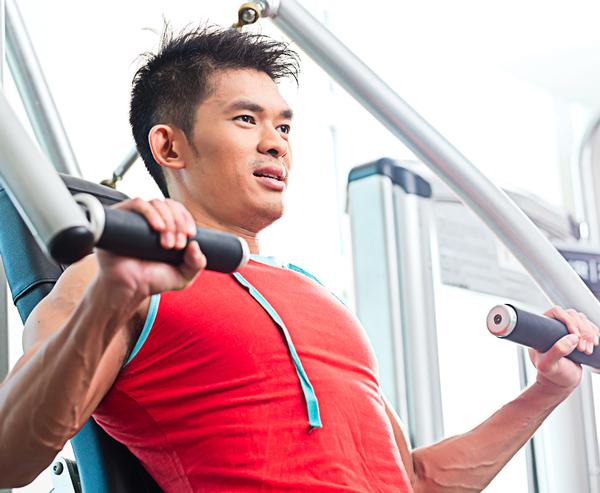
The Guardian - 11 March 2017 Can high-intensity interval training delay the ageing process? The Guardian covered a new finding by a team of scientists at non-profit medical research group Mayo Clinic in the US, which claims that high-intensity interval training (HIIT), can slow down ageing.
The article went on to explain: “The team have found that HIIT helps to rejuvenate protein-building factories in our cells, known as ribosomes, and boosts the energy-producing capacity of our cells’ powerhouses, the mitochondria. As we get older, the ability of our mitochondria to generate energy dwindles. This study suggests HIIT can help to reverse the age-related changes seen in mitochondria.”
Shutterstock.com
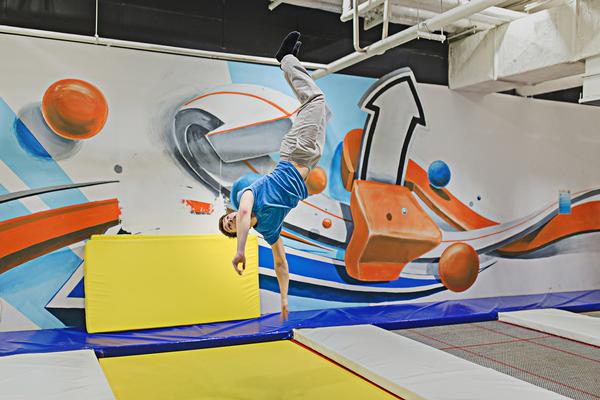
Radio 5 live - 14 March 2017 Trampoline park emergency calls revealed According to research by the BBC, an ambulance is called to a UK trampoline park nearly every day.
“In total, ambulances were called to trampoline parks in the UK more than 300 times in a year, according to figures obtained by BBC 5 Live’s Daily programme. Statistics from a Freedom of Information request show callouts made by 30 parks in 12 months to April 2016. One park in Chester is investigating after three people broke vertebrae in their backs on the same day.”
Shutterstock.com
In the space of 12 months, there were 300 emergency callouts to UK trampoline parks
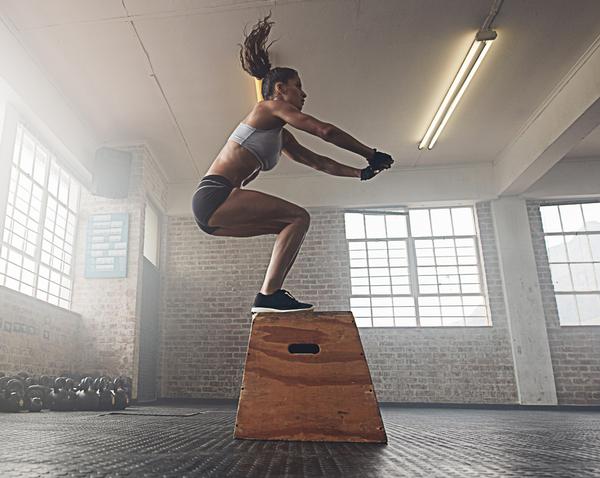
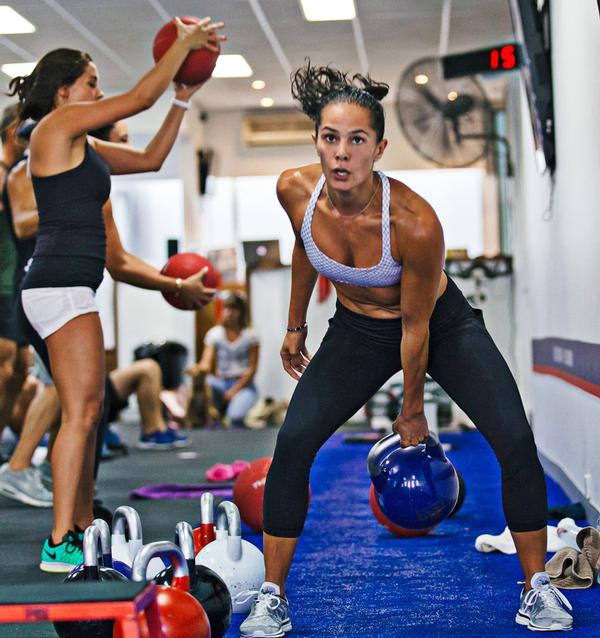
Daily Mail - 18 March 2017 If F45’s good enough for the Wolverine… the new fitness brand exploding in popularity The UK’s Daily Mail ran an article on how F45 – a high-intensity, circuit-based group training brand similar to CrossFit, which has already taken Australia by storm – is rapidly expanding in the UK (see also p12).
“The brand, whose celebrity fans include Wolverine actor Hugh Jackman, has more than 750 franchises worldwide and four UK studios so far. Its flagship UK venue opened this month in Tottenham Court Road, central London – just 18 months after its first British site opened its doors. A fifth studio, in Twickenham, south-west London, is due to open soon.
“Short for Functional 45, the business was launched by former equities trader Rob Deutsch three years ago. It spans 26 countries and expects 1,150 franchises to be sold by the end of 2017.”
Shutterstock.com
F45 currently has over 750 franchises worldwide
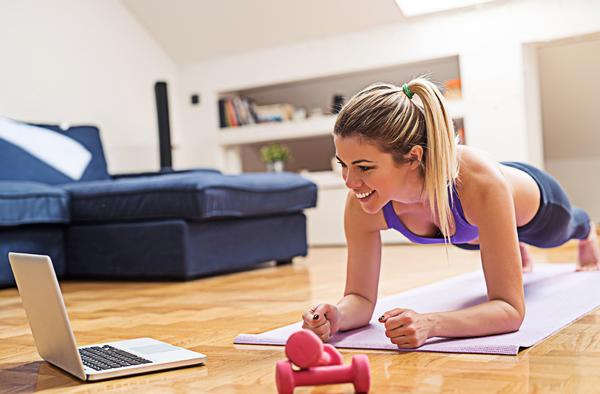
Entrepreneur - March 2017 Why fitness is moving from the gym to the home “There is a growing movement in fitness and training to ditch the gym and work out at home,” claims Entrepreneur magazine. In the article, published online on 23 March, the magazine lists a number of reasons why gym members are ditching the gym and getting fit at home, including:
1 Online fitness An outpouring of information online has made it easier than ever for newcomers to research fitness plans and develop custom solutions that work best for them – and most of the time, this advice comes from outside the traditional gym network. In line with this search for customised solutions, we’ve seen an increased demand for packaged experiences that meet more than just one aspect of a person’s wellbeing needs: exercise, nutrition, education and support are all offered by numerous online suppliers, at a fraction of the cost of personal training.
2 Functional fitness Whether it’s bodyweight training or HIIT, consumers are turning to alternatives that can help them achieve body transformation wherever they are. Digital platforms provide guided experiences in functional fitness and have the advantage of being available to anyone with an internet connection, as minimal equipment is required.
3 Wearables In the past, gym-goers needed hi-tech machines at the gym to help them monitor their heart rate, but now – with people wearing multiple devices to track their fitness and movement – the need for a central location to evaluate performance is all but disappearing.
shutterstock.com
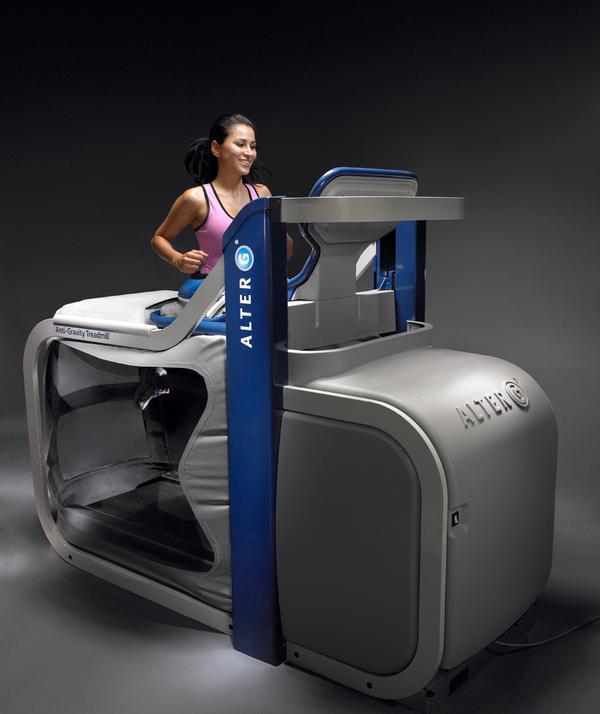
The Daily Telegraph - 27 March 2017 Could an anti-gravity treadmill save your damaged knees? The Telegraph’s feature writer India Sturgis charted her road to recovery from a serious knee injury – and her experience of using an anti-gravity treadmill. After suffering a ruptured anterior cruciate ligament (ACL), Sturgis had surgery and is now undergoing a gruelling rehabilitation period. In a feature-length article, the journalist described the benefits of “weightless training”.
“After three months of physiotherapy and wobbling about on the cross-trainer, I stepped onto an AlterG Anti-Gravity Treadmill, a machine normally used by elite athletes such as Mo Farah and Gareth Bale to recover from serious injury. Paula Radcliffe, who bought a £36,000 device, said it was one of the best investments she has ever made.
“Now, the NASA-patented technology is being rolled out into rehabilitation centres, NHS wards, private clinics and gyms, to be used with a range of serious conditions.
“I’ve been on the anti-gravity treadmill for half an hour and, even after 10 months without exercise, there is not a bead of sweat on me. My breath is coming easily and running feels fluid, light and loose. Usually, when I up the pace – to jog for a bus – my leg aches and the knee joint feels slightly unstable. Now, I notice neither. I could be running on air, which, essentially, I am.”
shutterstock.com
The anti-gravity treadmill is like ‘running on air’
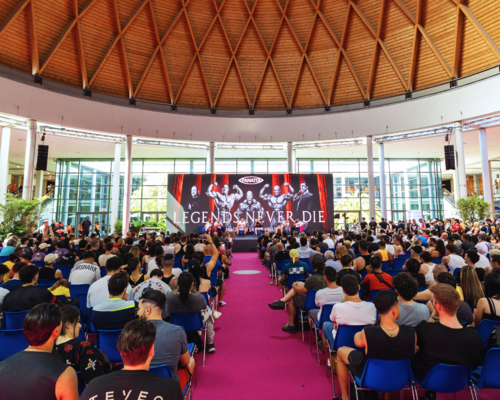
Panatta brought together four of the most influential figures in bodybuilding history on the
stage of RiminiWellness 2026: Phil Heath, Lee Haney, Ronnie Coleman and Hany Rambod. [more...]
Active Blackpool is deploying Cornerstone Connect, a new digital interface allowing
disparate information from multiple systems to be aggregated into one dataset, to support
its focus on reducing health inequalities and improving healthy life expectancy. [more...]
+ More featured suppliers
COMPANY PROFILES
Precor
Precor promises precision-quality products with steadfast reliability that are inspired by exerciser [more...]
Everyone Active
Everyone Active operates leisure centres in partnership with local councils across the UK. Today, Ev [more...]
What is the press saying about the health and fitness industry? How is
wellness-related research covered in the mainstream media? Tom Walker trawls
the newswires to pick out some of the hot topics and conversation points
By Tom Walker | Published in Health Club Management 2017 issue 5
FINANCIAL TIMES - March 20 2017 China’s fitness boom The Financial Times reports how China is in the grip of a government-backed exercise boom. Driven by millennials and a growing middle class, the Chinese fitness sector is rapidly expanding and has the potential to be one of the biggest wellness markets in the world.
“Gym membership in the country has doubled since 2008 to 6.6 million last year, according to the China Business Research Academy. Running has become a popular pastime, with more than 100 marathons held last year compared with 51 in 2014. The number of yoga practitioners is estimated to have grown from 4 million in 2009 to more than 10 million today.”
According to the FT, as well as the gym boom, another beneficiary of the trend is the sportswear sector. Global brands such as Nike and Adidas are experiencing double-digit growth in their Chinese sales on the back of consumers embracing the “athleisure” fashion trend.
shutterstock
China could become the biggest wellness market
The Guardian - 11 March 2017 Can high-intensity interval training delay the ageing process? The Guardian covered a new finding by a team of scientists at non-profit medical research group Mayo Clinic in the US, which claims that high-intensity interval training (HIIT), can slow down ageing.
The article went on to explain: “The team have found that HIIT helps to rejuvenate protein-building factories in our cells, known as ribosomes, and boosts the energy-producing capacity of our cells’ powerhouses, the mitochondria. As we get older, the ability of our mitochondria to generate energy dwindles. This study suggests HIIT can help to reverse the age-related changes seen in mitochondria.”
Shutterstock.com
Radio 5 live - 14 March 2017 Trampoline park emergency calls revealed According to research by the BBC, an ambulance is called to a UK trampoline park nearly every day.
“In total, ambulances were called to trampoline parks in the UK more than 300 times in a year, according to figures obtained by BBC 5 Live’s Daily programme. Statistics from a Freedom of Information request show callouts made by 30 parks in 12 months to April 2016. One park in Chester is investigating after three people broke vertebrae in their backs on the same day.”
Shutterstock.com
In the space of 12 months, there were 300 emergency callouts to UK trampoline parks
Daily Mail - 18 March 2017 If F45’s good enough for the Wolverine… the new fitness brand exploding in popularity The UK’s Daily Mail ran an article on how F45 – a high-intensity, circuit-based group training brand similar to CrossFit, which has already taken Australia by storm – is rapidly expanding in the UK (see also p12).
“The brand, whose celebrity fans include Wolverine actor Hugh Jackman, has more than 750 franchises worldwide and four UK studios so far. Its flagship UK venue opened this month in Tottenham Court Road, central London – just 18 months after its first British site opened its doors. A fifth studio, in Twickenham, south-west London, is due to open soon.
“Short for Functional 45, the business was launched by former equities trader Rob Deutsch three years ago. It spans 26 countries and expects 1,150 franchises to be sold by the end of 2017.”
Shutterstock.com
F45 currently has over 750 franchises worldwide
Entrepreneur - March 2017 Why fitness is moving from the gym to the home “There is a growing movement in fitness and training to ditch the gym and work out at home,” claims Entrepreneur magazine. In the article, published online on 23 March, the magazine lists a number of reasons why gym members are ditching the gym and getting fit at home, including:
1 Online fitness An outpouring of information online has made it easier than ever for newcomers to research fitness plans and develop custom solutions that work best for them – and most of the time, this advice comes from outside the traditional gym network. In line with this search for customised solutions, we’ve seen an increased demand for packaged experiences that meet more than just one aspect of a person’s wellbeing needs: exercise, nutrition, education and support are all offered by numerous online suppliers, at a fraction of the cost of personal training.
2 Functional fitness Whether it’s bodyweight training or HIIT, consumers are turning to alternatives that can help them achieve body transformation wherever they are. Digital platforms provide guided experiences in functional fitness and have the advantage of being available to anyone with an internet connection, as minimal equipment is required.
3 Wearables In the past, gym-goers needed hi-tech machines at the gym to help them monitor their heart rate, but now – with people wearing multiple devices to track their fitness and movement – the need for a central location to evaluate performance is all but disappearing.
shutterstock.com
The Daily Telegraph - 27 March 2017 Could an anti-gravity treadmill save your damaged knees? The Telegraph’s feature writer India Sturgis charted her road to recovery from a serious knee injury – and her experience of using an anti-gravity treadmill. After suffering a ruptured anterior cruciate ligament (ACL), Sturgis had surgery and is now undergoing a gruelling rehabilitation period. In a feature-length article, the journalist described the benefits of “weightless training”.
“After three months of physiotherapy and wobbling about on the cross-trainer, I stepped onto an AlterG Anti-Gravity Treadmill, a machine normally used by elite athletes such as Mo Farah and Gareth Bale to recover from serious injury. Paula Radcliffe, who bought a £36,000 device, said it was one of the best investments she has ever made.
“Now, the NASA-patented technology is being rolled out into rehabilitation centres, NHS wards, private clinics and gyms, to be used with a range of serious conditions.
“I’ve been on the anti-gravity treadmill for half an hour and, even after 10 months without exercise, there is not a bead of sweat on me. My breath is coming easily and running feels fluid, light and loose. Usually, when I up the pace – to jog for a bus – my leg aches and the knee joint feels slightly unstable. Now, I notice neither. I could be running on air, which, essentially, I am.”
shutterstock.com
The anti-gravity treadmill is like ‘running on air’
According to research which tracked more than 147,000 people for 30 years, 90-120 minutes
of strength training a week may deliver some of the biggest long-term health rewards.
The UK's four Chief Medical Officers have published a refreshed edition of Physical activity
guidelines: UK Chief Medical Officers' report, updating the evidence that underpins the nation's
physical activity recommendations and placing greater emphasis on strength, balance, reducing
sedentary behaviour and, for the first time, supporting people taking weight loss medications.
Places Leisure has exchanged contracts to build and operate a flagship £60m water and leisure
destination on behalf of Basingstoke and Deane Borough Council.
The Republic of Ireland will become the latest market in PureGym’s expanding international
portfolio, with the first launch planned for Dublin in 2027.
Anytime Fitness opened more than one club a day in 2025 and is on track to maintain this rate
of growth this year, as parent company Purpose Brands targets further international expansion.
The £33.9 million Leighton Leisure and Community Centre has opened in Leighton Buzzard, UK,
creating a next-generation public leisure, health and wellbeing hub for the local community.
Walnuts Leisure Centre in Orpington, in the London Borough of Bromley, has reopened following
a £17m transformation designed to secure the long-term future of the public leisure asset and
reposition it as a community wellbeing hub.
The Gym Group, has announced that it's sustained positive trading momentum has continued
through the first half of 2026 and the company remains confident about the outlook.
Panatta brought together four of the most influential figures in bodybuilding history on the
stage of RiminiWellness 2026: Phil Heath, Lee Haney, Ronnie Coleman and Hany Rambod. [more...]
Active Blackpool is deploying Cornerstone Connect, a new digital interface allowing
disparate information from multiple systems to be aggregated into one dataset, to support
its focus on reducing health inequalities and improving healthy life expectancy. [more...]
+ More featured suppliers
COMPANY PROFILES
Precor Precor promises precision-quality products with steadfast reliability that are inspired by exerciser [more...]