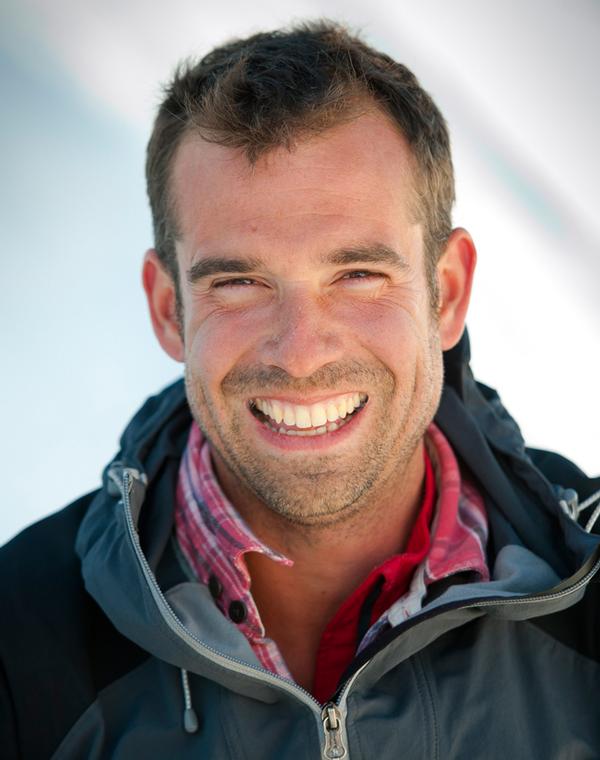
Van Tulleken says GP surgeries should offer health coaches
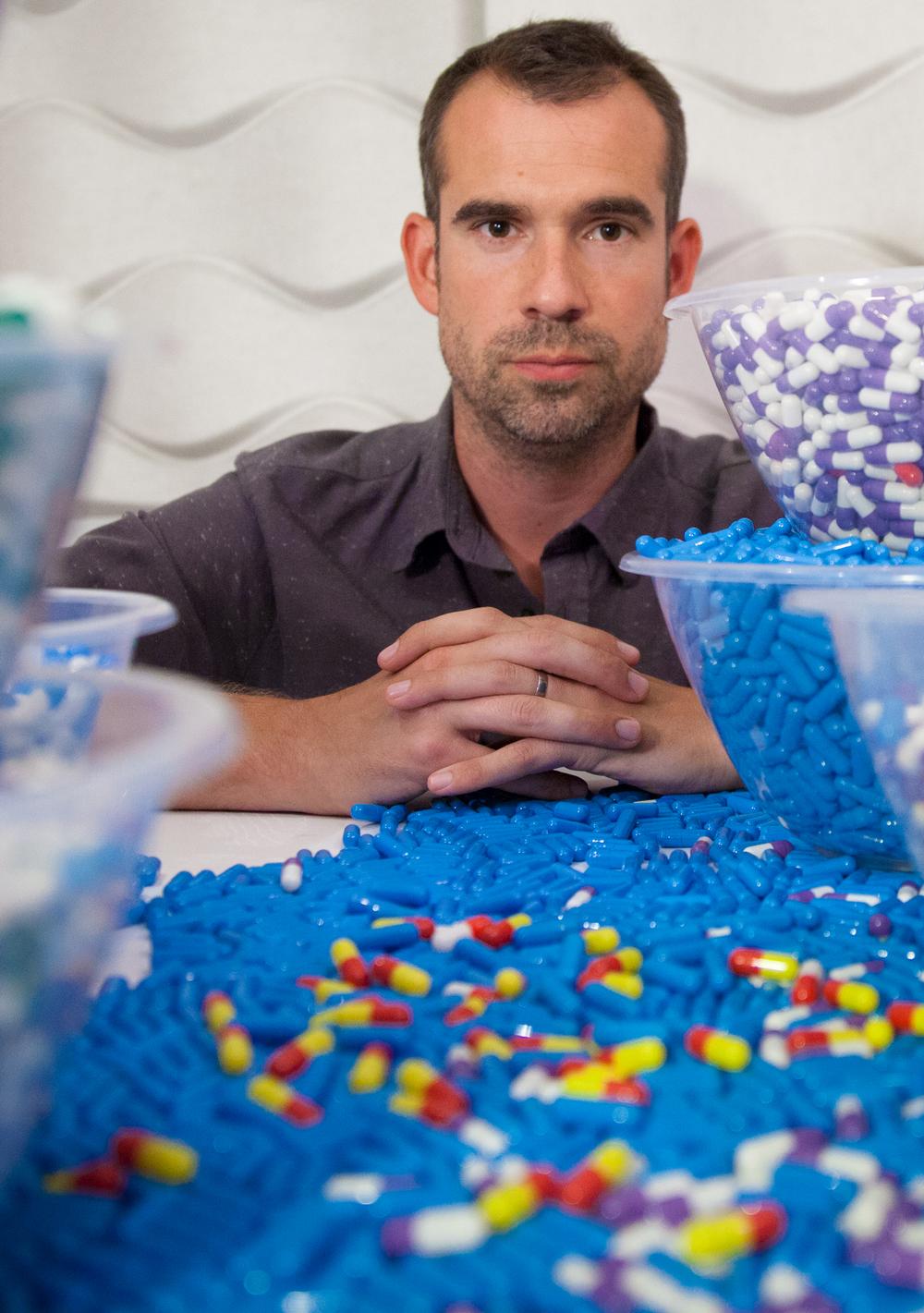
You’re known as ‘the doctor who gave up drugs’. Why? The Doctor Who Gave Up Drugs was a documentary I filmed for the BBC, which we aired in 2016. The idea was that I would persuade people to swap their drugs for exercise. My experience, since day one of medical school, is that most drugs don’t work well, for most people, most of the time. There are a small number of people for whom drugs are the only solution, but that has paved the way for a much larger number of people being sold drugs which do them as much harm as good and for which there are much better alternatives – exercise being one key example.
In my head, persuading people to give up drugs was going to be easy. I would turn up at a GP practice, show them the evidence, they would come off the drugs and exercise, everyone would feel better, the practice would save money and I’d be saluted as a hero. What actually happened was that I failed very badly. People simply weren’t interested.
Why do you think that was? We live in a world where there’s an acceptance that a medical transaction consists of the doctor listening and then prescribing pills. The pills legitimise a complaint, are surrounded by science and have a placebo effect. In contrast, being told to lose weight and do exercise can be perceived as insulting and blaming. Also, in real terms, exercise referrals aren’t widely available and many people don’t know where to start.
Fortunately, we did find some people who hated their pills and were very keen to try an alternative. We showed that, if you do it carefully and navigate pitfalls, you can deliver interventions which are extremely successful and also cheap.
How might we encourage more people to swap pills for exercise? A major culture shift is needed to make people realise that good health doesn’t come from pills – that they aren’t a good answer for lifestyle problems.
Exercise, on the other hand, is life-changing. It gives all sorts of things which you can’t put in a pill: a sense of wellness, ambition, purpose. It also provides a group of friends.
What we need is a staged process of culture change. Firstly, we have to accept that pills aren’t a good idea. Then we have to take away the blame for lifestyle problems and support people to do the things which are good for them. This must be evidence-based and scientific, so we need more research, which isn’t easy because, unlike drugs, there’s no profit to be made.
What can GPs do to bring about this culture change? So many GPs are already doing this out of their own budgets and in their spare time. But it’s difficult for them:
it takes 30 seconds to prescribe a pill – and 30 minutes not to.
Weight loss and behaviour change is an ongoing process which requires support, so this needs to be outsourced from the doctor. It would be great if GPs could refer people to a practice coach for dietary advice, follow-ups and ongoing support.
The other thing that needs to change is incentives: at the moment, GPs are punished for not prescribing drugs. They should be rewarded for having patients with good weight, good blood pressure, good blood profiles, and who aren’t on drugs.
What can the health and fitness sector do to help? I’d like to see more research from the industry, and for the industry to be reaching out to GPs and infiltrating general practice. We should have coaches in GP surgeries who can help people find an activity that suits them, signpost them to groups, and check in with them regularly to keep motivation high.
I don’t think it should all be free – people should accept they have to take some responsibility and it may cost. However, the NHS spends billions of pounds on drugs when it could be empowering patients to try exercise, and investing in evidence, research and programmes which could make our nation healthier, more productive, longer-living and more joyful.
Good health would become self-sustaining as people would start demanding more cycle routes, reduced traffic, more parks and leisure facilities. There would be a culture shift away from smoking, eating junk food and being overweight.
See also our interview with Sir Muir Gray (page 30) for his thoughts on how GPs might help drive this culture change towards ‘exercise as medicine’.
Van Tullekan says the prescription of exercise is far more effective than drugs for many patients
Panatta brought together four of the most influential figures in bodybuilding history on the
stage of RiminiWellness 2026: Phil Heath, Lee Haney, Ronnie Coleman and Hany Rambod. [more...]
Active Blackpool is deploying Cornerstone Connect, a new digital interface allowing
disparate information from multiple systems to be aggregated into one dataset, to support
its focus on reducing health inequalities and improving healthy life expectancy. [more...]
+ More featured suppliers
COMPANY PROFILES
PSLT Ltd
PSLT Fitness Solutions manufacture, remanufacture and buy back commercial gym equipment. [more...]
Van Tulleken says GP surgeries should offer health coaches
You’re known as ‘the doctor who gave up drugs’. Why? The Doctor Who Gave Up Drugs was a documentary I filmed for the BBC, which we aired in 2016. The idea was that I would persuade people to swap their drugs for exercise. My experience, since day one of medical school, is that most drugs don’t work well, for most people, most of the time. There are a small number of people for whom drugs are the only solution, but that has paved the way for a much larger number of people being sold drugs which do them as much harm as good and for which there are much better alternatives – exercise being one key example.
In my head, persuading people to give up drugs was going to be easy. I would turn up at a GP practice, show them the evidence, they would come off the drugs and exercise, everyone would feel better, the practice would save money and I’d be saluted as a hero. What actually happened was that I failed very badly. People simply weren’t interested.
Why do you think that was? We live in a world where there’s an acceptance that a medical transaction consists of the doctor listening and then prescribing pills. The pills legitimise a complaint, are surrounded by science and have a placebo effect. In contrast, being told to lose weight and do exercise can be perceived as insulting and blaming. Also, in real terms, exercise referrals aren’t widely available and many people don’t know where to start.
Fortunately, we did find some people who hated their pills and were very keen to try an alternative. We showed that, if you do it carefully and navigate pitfalls, you can deliver interventions which are extremely successful and also cheap.
How might we encourage more people to swap pills for exercise? A major culture shift is needed to make people realise that good health doesn’t come from pills – that they aren’t a good answer for lifestyle problems.
Exercise, on the other hand, is life-changing. It gives all sorts of things which you can’t put in a pill: a sense of wellness, ambition, purpose. It also provides a group of friends.
What we need is a staged process of culture change. Firstly, we have to accept that pills aren’t a good idea. Then we have to take away the blame for lifestyle problems and support people to do the things which are good for them. This must be evidence-based and scientific, so we need more research, which isn’t easy because, unlike drugs, there’s no profit to be made.
What can GPs do to bring about this culture change? So many GPs are already doing this out of their own budgets and in their spare time. But it’s difficult for them:
it takes 30 seconds to prescribe a pill – and 30 minutes not to.
Weight loss and behaviour change is an ongoing process which requires support, so this needs to be outsourced from the doctor. It would be great if GPs could refer people to a practice coach for dietary advice, follow-ups and ongoing support.
The other thing that needs to change is incentives: at the moment, GPs are punished for not prescribing drugs. They should be rewarded for having patients with good weight, good blood pressure, good blood profiles, and who aren’t on drugs.
What can the health and fitness sector do to help? I’d like to see more research from the industry, and for the industry to be reaching out to GPs and infiltrating general practice. We should have coaches in GP surgeries who can help people find an activity that suits them, signpost them to groups, and check in with them regularly to keep motivation high.
I don’t think it should all be free – people should accept they have to take some responsibility and it may cost. However, the NHS spends billions of pounds on drugs when it could be empowering patients to try exercise, and investing in evidence, research and programmes which could make our nation healthier, more productive, longer-living and more joyful.
Good health would become self-sustaining as people would start demanding more cycle routes, reduced traffic, more parks and leisure facilities. There would be a culture shift away from smoking, eating junk food and being overweight.
See also our interview with Sir Muir Gray (page 30) for his thoughts on how GPs might help drive this culture change towards ‘exercise as medicine’.
Van Tullekan says the prescription of exercise is far more effective than drugs for many patients
According to research which tracked more than 147,000 people for 30 years, 90-120 minutes
of strength training a week may deliver some of the biggest long-term health rewards.
The UK's four Chief Medical Officers have published a refreshed edition of Physical activity
guidelines: UK Chief Medical Officers' report, updating the evidence that underpins the nation's
physical activity recommendations and placing greater emphasis on strength, balance, reducing
sedentary behaviour and, for the first time, supporting people taking weight loss medications.
Places Leisure has exchanged contracts to build and operate a flagship £60m water and leisure
destination on behalf of Basingstoke and Deane Borough Council.
The Republic of Ireland will become the latest market in PureGym’s expanding international
portfolio, with the first launch planned for Dublin in 2027.
Anytime Fitness opened more than one club a day in 2025 and is on track to maintain this rate
of growth this year, as parent company Purpose Brands targets further international expansion.
The £33.9 million Leighton Leisure and Community Centre has opened in Leighton Buzzard, UK,
creating a next-generation public leisure, health and wellbeing hub for the local community.
Walnuts Leisure Centre in Orpington, in the London Borough of Bromley, has reopened following
a £17m transformation designed to secure the long-term future of the public leisure asset and
reposition it as a community wellbeing hub.
The Gym Group, has announced that it's sustained positive trading momentum has continued
through the first half of 2026 and the company remains confident about the outlook.
Panatta brought together four of the most influential figures in bodybuilding history on the
stage of RiminiWellness 2026: Phil Heath, Lee Haney, Ronnie Coleman and Hany Rambod. [more...]
Active Blackpool is deploying Cornerstone Connect, a new digital interface allowing
disparate information from multiple systems to be aggregated into one dataset, to support
its focus on reducing health inequalities and improving healthy life expectancy. [more...]
+ More featured suppliers
COMPANY PROFILES
PSLT Ltd PSLT Fitness Solutions manufacture, remanufacture and buy back commercial gym equipment. [more...]