Britain is in the grip of a physical inactivity epidemic that costs £20bn each year. At the heart of this crisis is a modern workforce eternally hunched over desks, despite evidence that sitting down for eight hours each day increases the risk of premature death by 60 per cent.
With sedentary office culture taking a toxic toll on our health, should we be enforcing compulsory exercise sessions during the working day, as has been recently suggested? Probably not. We can’t force people to be active. We can, however, promote the myriad benefits of physical activity, which has been described as a miracle cure by the Academy of Medical Royal Colleges.
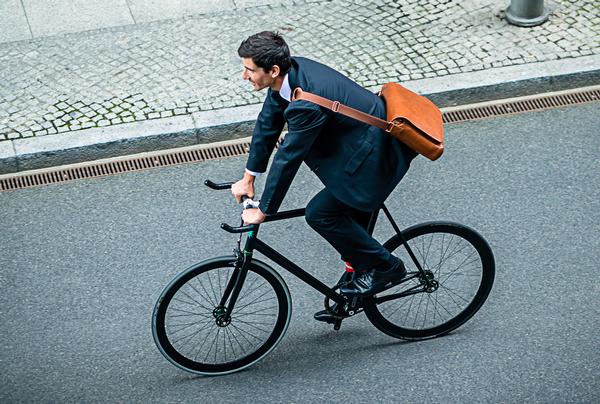
We should also make it easier and cheaper for workers to be active. The Cycle to Work scheme has encouraged workers to buy bikes and ride to work through salary sacrifice incentives.
Cycling isn’t for everyone though, so why not expand the scheme to include gym passes and equipment? This policy – dubbed Workout from Work – is a ukactive flagship and we have now had a number of discussions with the government, outlining the economic and social benefits that would result from its implementation.
This would create an enormous opportunity for the physical activity sector. Health clubs and activity professionals are ideally placed to reinvigorate the workforce and stimulate the economy. Research shows that a healthier and happier workforce will be more productive and help boost the bottom line of UK PLC. It’s a win-win for everybody.
“We can’t force people to be active. We can, however, promote the myriad benefits of physical activity”
PHOTO: shutterstock.com
The Cycle to Work scheme allows employees to buy bikes through salary sacrifice incentives
Work spaces at health clubs can help people fit exercise into their busy lives
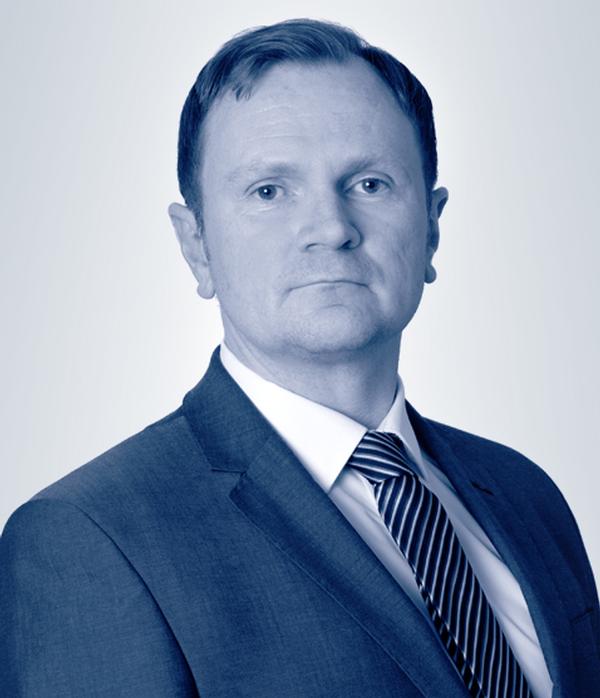
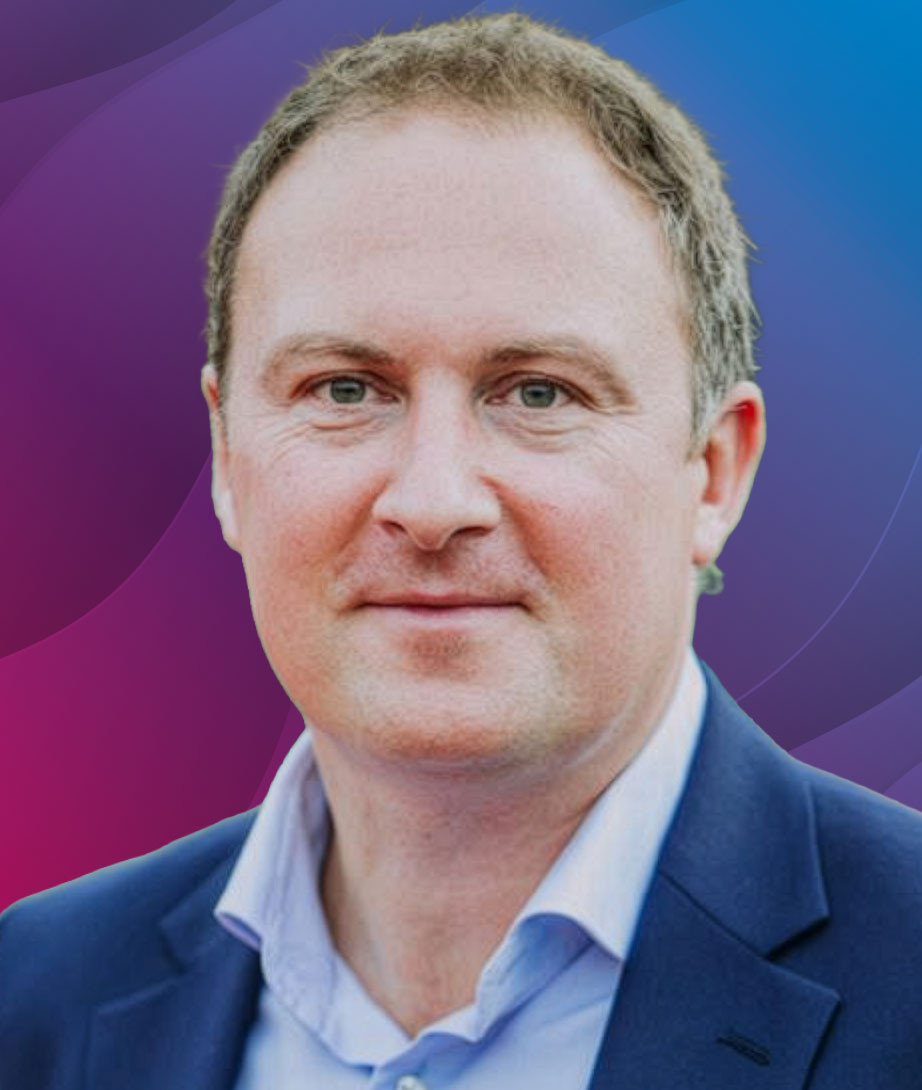
Hilary Rowland
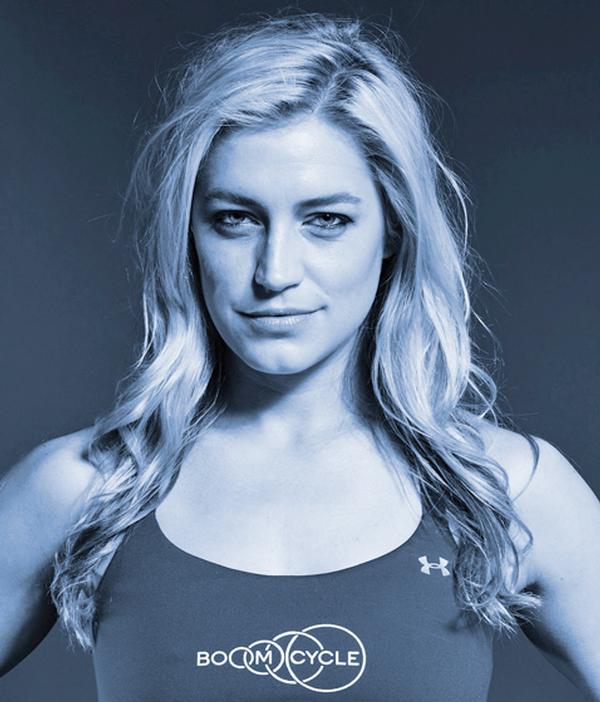
Hilary RowlandFounderBoom Cycle
There is currently a strong focus on how to get people moving more, particularly those who are relatively inactive. One of the main reasons people give for not exercising is that they simply don’t have the time – with work and family commitments taking priority, and especially with millennials where it’s becoming a common trend to have two or three careers at once.
Without exercise, I know I would not feel as happy or mentally strong. Yet in an ever-more competitive world, and even though we all know how important it is, it’s hard to fit everything in.
To help people overcome this challenge, we at Boom Cycle are aiming to provide multi-use spaces that save time for our customers. An entrepreneurial way of life is very common within our community of riders and we wanted to create a space where the creative vibes can keep flowing. Our newest studio locations will provide lots of charging points and seating to enable people who are leading those busy lifestyles to catch up on their all-important work, before or after they work out.
These spaces allow us to strengthen our community feel and welcome everyone into Boom Cycle. I believe that, if more health clubs offer work-friendly environments, collectively we can begin to change the way people interact with fitness. Gyms and studios should be welcoming places that people feel comfortable hanging out in, whether they want to work, relax or meet friends.
“Gyms should be welcoming places that people feel comfortable hanging out in, whether to work or relax”
PHOTO: shutterstock.com
Clubs could offer work-friendly spaces
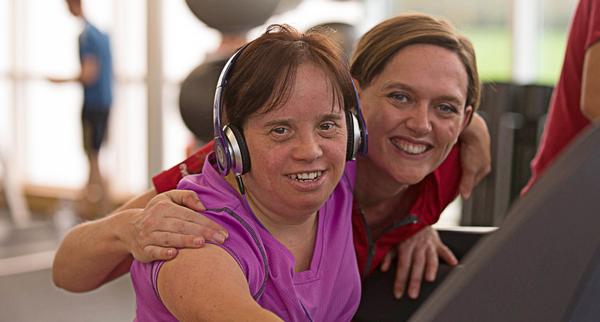
Welcoming people with disabilities into health clubs can benefit the local community
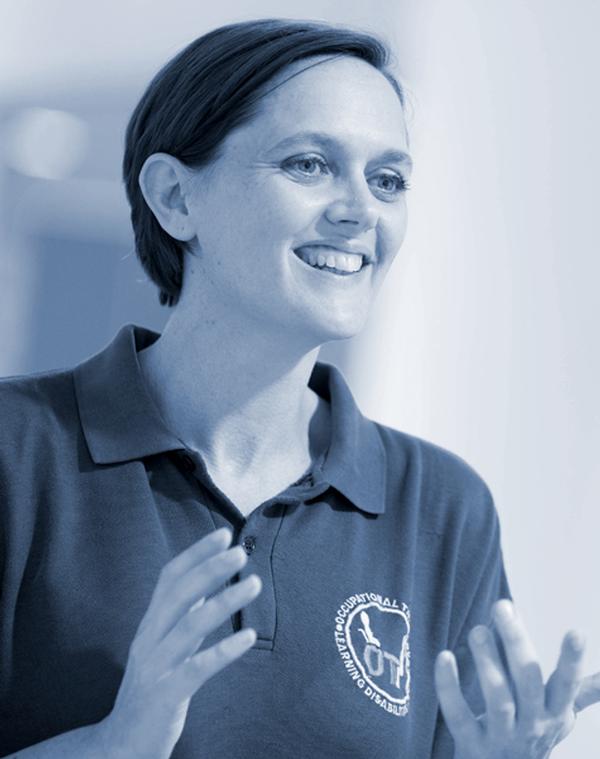
Lyndsey Barrett
Lyndsey BarrettSenior Occupational Therapist and Founder Sport For Confidence
I was encouraged by the letter in HCM April 17 (p17) from South Lanarkshire Leisure and Culture, outlining its work in mental health care provision.
There is a huge opportunity for leisure centres to open their services up to a much wider demographic, through better engagement with community groups and the healthcare sector.
Sport for Confidence works in partnership with leisure operators to deliver fully inclusive sport and physical activity sessions for people with and without learning disabilities. The sessions, led by a specialist healthcare professional and a sports coach, measure and assess occupational outcomes. Since launching in 2011, the programme has grown to cater for 150 participants per month across six sites in Essex, and offering 12 sports.
Everyone can benefit from these initiatives. We’ve collated evidence, independently audited by the College of Occupational Therapists, that proves there are significant economic savings to the community. Many regular participants reduce the level of support they need from social care and public health.
Operators benefit from more customers, an uplift in secondary spend and the delivery of a fully inclusive local service.
“There is a huge opportunity for leisure centres to open their services up to a much wider demographic”
Active Blackpool is deploying Cornerstone Connect, a new digital interface allowing
disparate information from multiple systems to be aggregated into one dataset, to support
its focus on reducing health inequalities and improving healthy life expectancy. [more...]
Panatta brought together four of the most influential figures in bodybuilding history on the
stage of RiminiWellness 2026: Phil Heath, Lee Haney, Ronnie Coleman and Hany Rambod. [more...]
+ More featured suppliers
COMPANY PROFILES
Everyone Active
Everyone Active operates leisure centres in partnership with local councils across the UK. Today, Ev [more...]
Britain is in the grip of a physical inactivity epidemic that costs £20bn each year. At the heart of this crisis is a modern workforce eternally hunched over desks, despite evidence that sitting down for eight hours each day increases the risk of premature death by 60 per cent.
With sedentary office culture taking a toxic toll on our health, should we be enforcing compulsory exercise sessions during the working day, as has been recently suggested? Probably not. We can’t force people to be active. We can, however, promote the myriad benefits of physical activity, which has been described as a miracle cure by the Academy of Medical Royal Colleges.
We should also make it easier and cheaper for workers to be active. The Cycle to Work scheme has encouraged workers to buy bikes and ride to work through salary sacrifice incentives.
Cycling isn’t for everyone though, so why not expand the scheme to include gym passes and equipment? This policy – dubbed Workout from Work – is a ukactive flagship and we have now had a number of discussions with the government, outlining the economic and social benefits that would result from its implementation.
This would create an enormous opportunity for the physical activity sector. Health clubs and activity professionals are ideally placed to reinvigorate the workforce and stimulate the economy. Research shows that a healthier and happier workforce will be more productive and help boost the bottom line of UK PLC. It’s a win-win for everybody.
“We can’t force people to be active. We can, however, promote the myriad benefits of physical activity”
PHOTO: shutterstock.com
The Cycle to Work scheme allows employees to buy bikes through salary sacrifice incentives
Work spaces at health clubs can help people fit exercise into their busy lives
Hilary Rowland
Hilary RowlandFounderBoom Cycle
There is currently a strong focus on how to get people moving more, particularly those who are relatively inactive. One of the main reasons people give for not exercising is that they simply don’t have the time – with work and family commitments taking priority, and especially with millennials where it’s becoming a common trend to have two or three careers at once.
Without exercise, I know I would not feel as happy or mentally strong. Yet in an ever-more competitive world, and even though we all know how important it is, it’s hard to fit everything in.
To help people overcome this challenge, we at Boom Cycle are aiming to provide multi-use spaces that save time for our customers. An entrepreneurial way of life is very common within our community of riders and we wanted to create a space where the creative vibes can keep flowing. Our newest studio locations will provide lots of charging points and seating to enable people who are leading those busy lifestyles to catch up on their all-important work, before or after they work out.
These spaces allow us to strengthen our community feel and welcome everyone into Boom Cycle. I believe that, if more health clubs offer work-friendly environments, collectively we can begin to change the way people interact with fitness. Gyms and studios should be welcoming places that people feel comfortable hanging out in, whether they want to work, relax or meet friends.
“Gyms should be welcoming places that people feel comfortable hanging out in, whether to work or relax”
PHOTO: shutterstock.com
Clubs could offer work-friendly spaces
Welcoming people with disabilities into health clubs can benefit the local community
Lyndsey Barrett
Lyndsey BarrettSenior Occupational Therapist and Founder Sport For Confidence
I was encouraged by the letter in HCM April 17 (p17) from South Lanarkshire Leisure and Culture, outlining its work in mental health care provision.
There is a huge opportunity for leisure centres to open their services up to a much wider demographic, through better engagement with community groups and the healthcare sector.
Sport for Confidence works in partnership with leisure operators to deliver fully inclusive sport and physical activity sessions for people with and without learning disabilities. The sessions, led by a specialist healthcare professional and a sports coach, measure and assess occupational outcomes. Since launching in 2011, the programme has grown to cater for 150 participants per month across six sites in Essex, and offering 12 sports.
Everyone can benefit from these initiatives. We’ve collated evidence, independently audited by the College of Occupational Therapists, that proves there are significant economic savings to the community. Many regular participants reduce the level of support they need from social care and public health.
Operators benefit from more customers, an uplift in secondary spend and the delivery of a fully inclusive local service.
“There is a huge opportunity for leisure centres to open their services up to a much wider demographic”
According to research which tracked more than 147,000 people for 30 years, 90-120 minutes
of strength training a week may deliver some of the biggest long-term health rewards.
The UK's four Chief Medical Officers have published a refreshed edition of Physical activity
guidelines: UK Chief Medical Officers' report, updating the evidence that underpins the nation's
physical activity recommendations and placing greater emphasis on strength, balance, reducing
sedentary behaviour and, for the first time, supporting people taking weight loss medications.
Places Leisure has exchanged contracts to build and operate a flagship £60m water and leisure
destination on behalf of Basingstoke and Deane Borough Council.
The Republic of Ireland will become the latest market in PureGym’s expanding international
portfolio, with the first launch planned for Dublin in 2027.
Anytime Fitness opened more than one club a day in 2025 and is on track to maintain this rate
of growth this year, as parent company Purpose Brands targets further international expansion.
The £33.9 million Leighton Leisure and Community Centre has opened in Leighton Buzzard, UK,
creating a next-generation public leisure, health and wellbeing hub for the local community.
Walnuts Leisure Centre in Orpington, in the London Borough of Bromley, has reopened following
a £17m transformation designed to secure the long-term future of the public leisure asset and
reposition it as a community wellbeing hub.
The Gym Group, has announced that it's sustained positive trading momentum has continued
through the first half of 2026 and the company remains confident about the outlook.
Active Blackpool is deploying Cornerstone Connect, a new digital interface allowing
disparate information from multiple systems to be aggregated into one dataset, to support
its focus on reducing health inequalities and improving healthy life expectancy. [more...]
Panatta brought together four of the most influential figures in bodybuilding history on the
stage of RiminiWellness 2026: Phil Heath, Lee Haney, Ronnie Coleman and Hany Rambod. [more...]
+ More featured suppliers
COMPANY PROFILES
Everyone Active Everyone Active operates leisure centres in partnership with local councils across the UK. Today, Ev [more...]