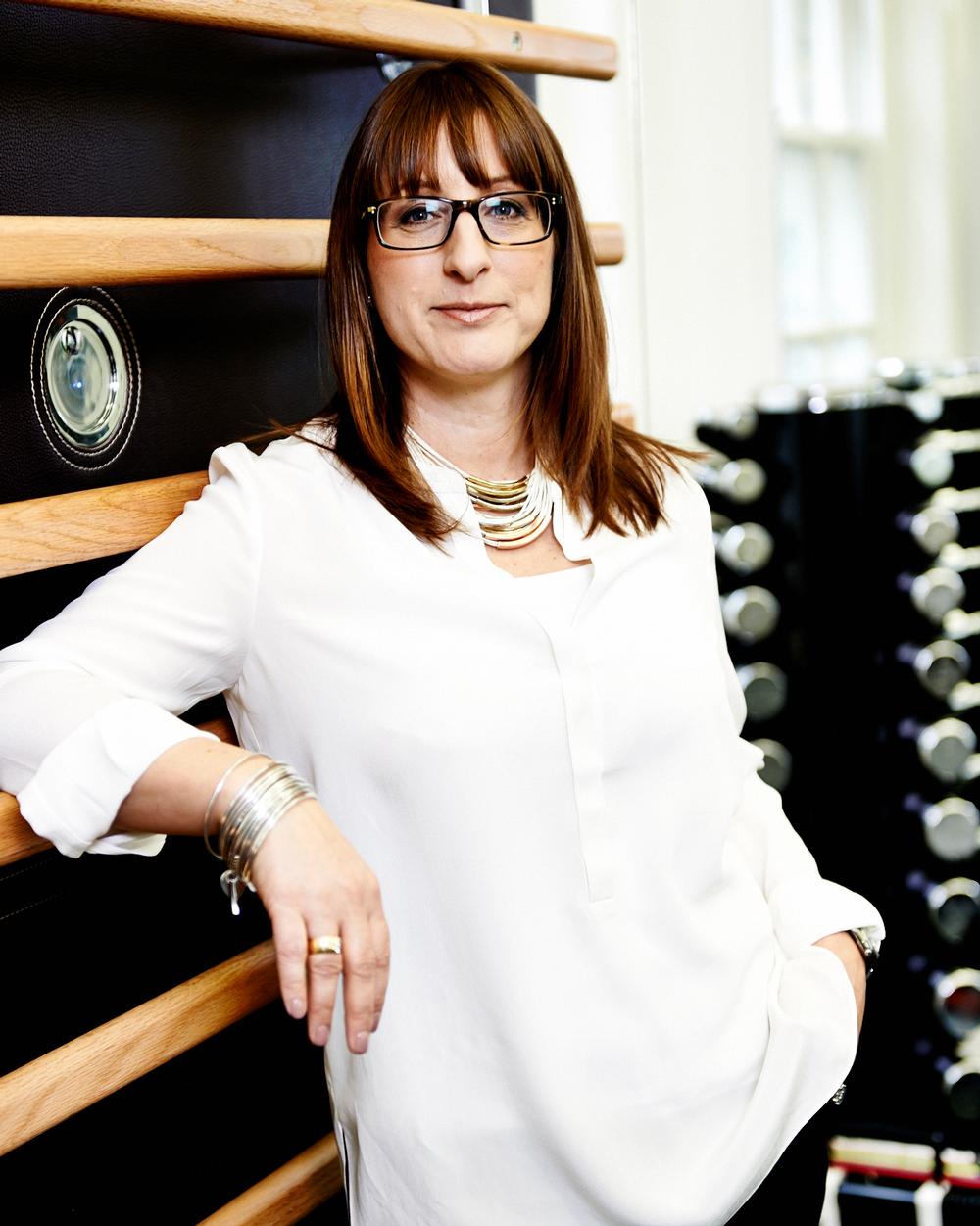
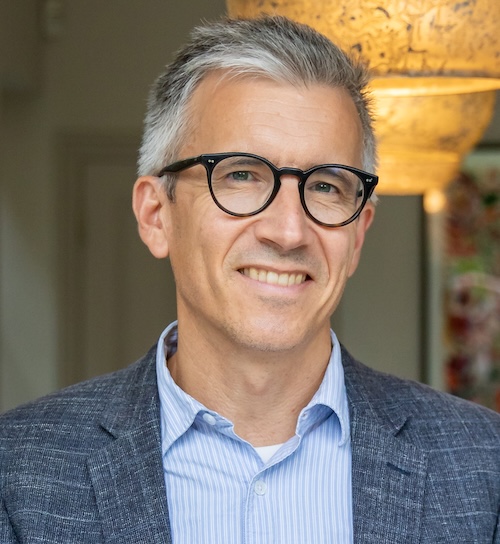
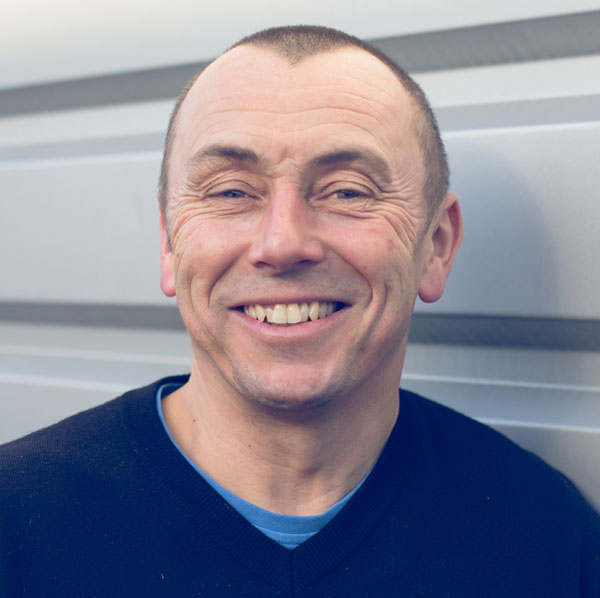
Mathews has seen the boutique fitness sector grow exponentially since she launched her studio brand in 2007
Where did the idea for Ten Health & Fitness come from? I was in a car accident and suffered a number of injuries, including severe whiplash, a fractured coccyx and soft tissue damage. The impact on my quality of life was significant. I was often in pain, I lost a lot of mobility and wasn’t able to work for around six months.
I saw GPs, physios and sport massage therapists, all based in different practices and none very interested in a joined-up approach to my case. I became frustrated by this lack of consistency and joined a local rehab gym where I met David Higgins, a personal trainer who specialised in a dynamic form of pilates.
David had also recognised this lack of joined-up thinking in the sector, and together we saw a gap in the market for a boutique pilates studio that could offer both rehab and functional exercise. By combining my marketing background with David’s fitness expertise, we felt we had a chance to make our business idea a reality.
Can you describe your offering? We’re not one of those ‘get a beasting in a nightclub’ providers. Our focus is on small classes and expert trainers. Combine that with our in-house physiotherapy, massage and rehab offer and we occupy a really interesting place in the boutique fitness sector. We sit at the point where the fitness world meets the medical sector, offering a ‘prehabilitative’ approach to fitness and exercise.
How did you get started? We were lucky to be one of the first entrants into the boutique fitness sector; when we started in 2007, no-one was entering the sector with the amount of funding we’re seeing now. We were (and still pretty much are) self-funded, and had a really tight budget. When we opened, David taught 40 hours of classes a week while I manned the reception.
But we were in the right place at the right time, with a strong product. By the end of 2008, we were doing well enough to hire more trainers and open a second studio.
Where did the name ‘Ten’ come from? We always felt a good name should mean everything and nothing. Think of brands like Apple, Gap, Reebok, Audi… whatever the initial reason for the name, they’ve just become ciphers, a memorable short-hand for a brand or experience. We wanted to get to that point quickly with something short, memorable, different and recognisable, and also something that wouldn’t limit us. Ten seemed to fit the bill.
How has business progressed? Dynamic reformer pilates will always be at the heart of our business, but as we’ve grown we’ve been able to broaden our offering. We’ve recently introduced two new classes: TenStretch, a reformer-based stretch class; and TenYoga, developed in conjunction with physios to make it more suitable for today’s sedentary and desk-bound lifestyles.
We’ve also used the learnings from our own in-house REPs-accredited training academy to launch TenEducation, which offers reformer-based courses for external fitness, rehab and therapy professionals. Our eighth studio opens in Fitzrovia, London, in a couple of months, but I think there’s still room for growth.
How has the market changed? The boutique fitness sector has grown exponentially since we opened. There’s now much more competition for sites and rents have gone through the roof in recent years, which puts pressure on margins. A relatively new challenge affecting us – and the sector – is the arrival of ClassPass and other aggregators. It’s great that they’re encouraging people to experiment and maybe fall in love with something they wouldn’t have otherwise tried, but they’re also in danger of devaluing what we do.
A ClassPass user can do a basic exercise-to-music class in a room full of 50 or 60 other people one day, and a highly specialist class with just a handful of people the next. But they’re doing it all on the same monthly pass. So they’re encouraged to value all classes – and all providers – the same, when they’re patently not. It’s something we have to manage carefully.
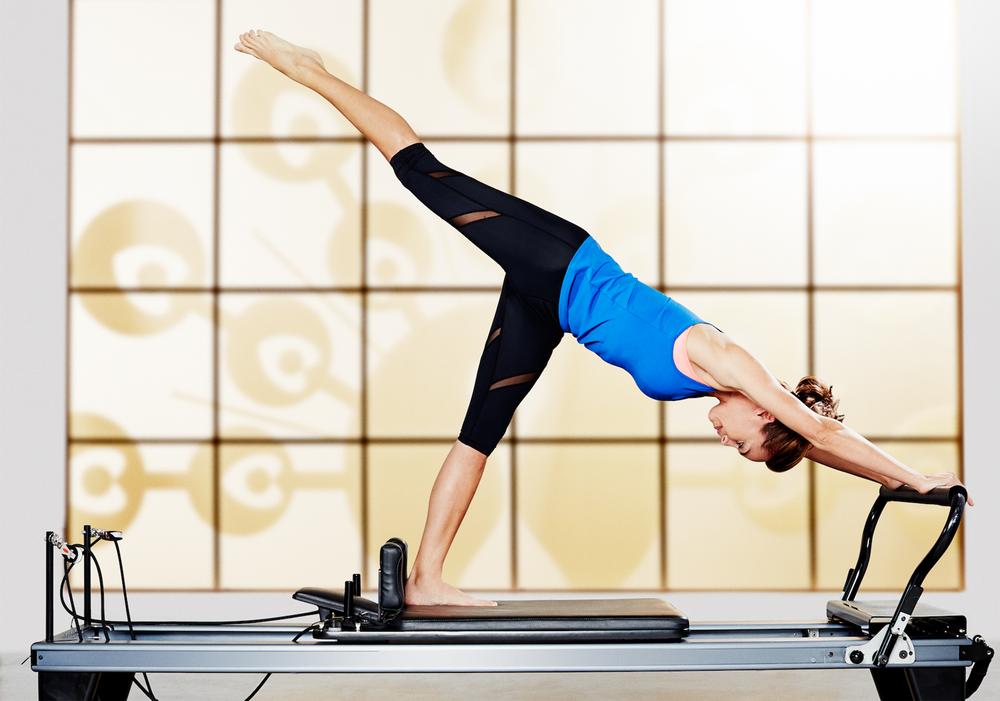
Dynamic reformer pilates remains at the core of Ten’s offering
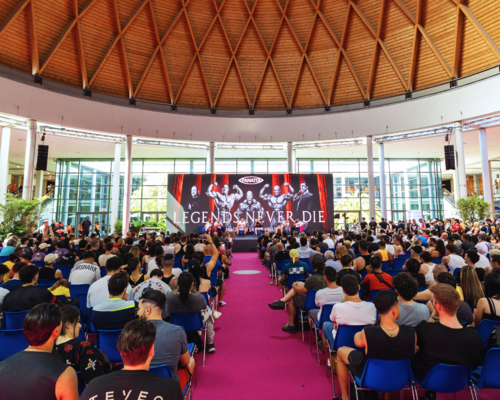
Panatta brought together four of the most influential figures in bodybuilding history on the
stage of RiminiWellness 2026: Phil Heath, Lee Haney, Ronnie Coleman and Hany Rambod. [more...]
+ More featured suppliers
COMPANY PROFILES
UK Active
UK Active is the UK’s leading trade body for the physical activity sector, bringing together more th [more...]
Safe Space Lockers
We provide a full turn-key solution for clients from design and consultation, through to bespoke man [more...]
Mathews has seen the boutique fitness sector grow exponentially since she launched her studio brand in 2007
Where did the idea for Ten Health & Fitness come from? I was in a car accident and suffered a number of injuries, including severe whiplash, a fractured coccyx and soft tissue damage. The impact on my quality of life was significant. I was often in pain, I lost a lot of mobility and wasn’t able to work for around six months.
I saw GPs, physios and sport massage therapists, all based in different practices and none very interested in a joined-up approach to my case. I became frustrated by this lack of consistency and joined a local rehab gym where I met David Higgins, a personal trainer who specialised in a dynamic form of pilates.
David had also recognised this lack of joined-up thinking in the sector, and together we saw a gap in the market for a boutique pilates studio that could offer both rehab and functional exercise. By combining my marketing background with David’s fitness expertise, we felt we had a chance to make our business idea a reality.
Can you describe your offering? We’re not one of those ‘get a beasting in a nightclub’ providers. Our focus is on small classes and expert trainers. Combine that with our in-house physiotherapy, massage and rehab offer and we occupy a really interesting place in the boutique fitness sector. We sit at the point where the fitness world meets the medical sector, offering a ‘prehabilitative’ approach to fitness and exercise.
How did you get started? We were lucky to be one of the first entrants into the boutique fitness sector; when we started in 2007, no-one was entering the sector with the amount of funding we’re seeing now. We were (and still pretty much are) self-funded, and had a really tight budget. When we opened, David taught 40 hours of classes a week while I manned the reception.
But we were in the right place at the right time, with a strong product. By the end of 2008, we were doing well enough to hire more trainers and open a second studio.
Where did the name ‘Ten’ come from? We always felt a good name should mean everything and nothing. Think of brands like Apple, Gap, Reebok, Audi… whatever the initial reason for the name, they’ve just become ciphers, a memorable short-hand for a brand or experience. We wanted to get to that point quickly with something short, memorable, different and recognisable, and also something that wouldn’t limit us. Ten seemed to fit the bill.
How has business progressed? Dynamic reformer pilates will always be at the heart of our business, but as we’ve grown we’ve been able to broaden our offering. We’ve recently introduced two new classes: TenStretch, a reformer-based stretch class; and TenYoga, developed in conjunction with physios to make it more suitable for today’s sedentary and desk-bound lifestyles.
We’ve also used the learnings from our own in-house REPs-accredited training academy to launch TenEducation, which offers reformer-based courses for external fitness, rehab and therapy professionals. Our eighth studio opens in Fitzrovia, London, in a couple of months, but I think there’s still room for growth.
How has the market changed? The boutique fitness sector has grown exponentially since we opened. There’s now much more competition for sites and rents have gone through the roof in recent years, which puts pressure on margins. A relatively new challenge affecting us – and the sector – is the arrival of ClassPass and other aggregators. It’s great that they’re encouraging people to experiment and maybe fall in love with something they wouldn’t have otherwise tried, but they’re also in danger of devaluing what we do.
A ClassPass user can do a basic exercise-to-music class in a room full of 50 or 60 other people one day, and a highly specialist class with just a handful of people the next. But they’re doing it all on the same monthly pass. So they’re encouraged to value all classes – and all providers – the same, when they’re patently not. It’s something we have to manage carefully.
Dynamic reformer pilates remains at the core of Ten’s offering
In response to customer demand, Gymnation has unveiled a muscle thobe and ghutra range
for Saudi men that celebrates Saudi culture as well as the region’s growing interest in fitness.
Italian Exhibition Group – the organiser behind industry events Dubai Active and Dubai Muscle
Show – has been appointed to deliver the Health and Wellness Expo and Fire and Safety Expo at
the 16th World Firefighters Games.
It’s been five years since the fitness industry reopened after the last lockdown – long enough
to look back on the impact the pandemic had on the sector and what might come next.
Wattbike has announced a new integration with EGYM, which enables the bikes to contribute to
the Cardio BioAge score of individuals via a VO2 max result.
Les Mills has launched a reformer Pilates workout. The 45-minute workout blends traditional
reformer movements and more contemporary exercises, choreographed to music.
According to research which tracked more than 147,000 people for 30 years, 90-120 minutes
of strength training a week may deliver some of the biggest long-term health rewards.
The UK's four Chief Medical Officers have published a refreshed edition of Physical activity
guidelines: UK Chief Medical Officers' report, updating the evidence that underpins the nation's
physical activity recommendations and placing greater emphasis on strength, balance, reducing
sedentary behaviour and, for the first time, supporting people taking weight loss medications.
Places Leisure has exchanged contracts to build and operate a flagship £60m water and leisure
destination on behalf of Basingstoke and Deane Borough Council.
Panatta brought together four of the most influential figures in bodybuilding history on the
stage of RiminiWellness 2026: Phil Heath, Lee Haney, Ronnie Coleman and Hany Rambod. [more...]
+ More featured suppliers
COMPANY PROFILES
UK Active UK Active is the UK’s leading trade body for the physical activity sector, bringing together more th [more...]