Sport England’s new funding model signals decreased money – and less responsibility – for governing bodies, with funds now being allocated from three pots: sport, beating inactivity and facility development. Matthew Campelli reports on what this means for the sector
By Matthew Campelli | Published in Sports Management Mar Apr 2017 issue 130
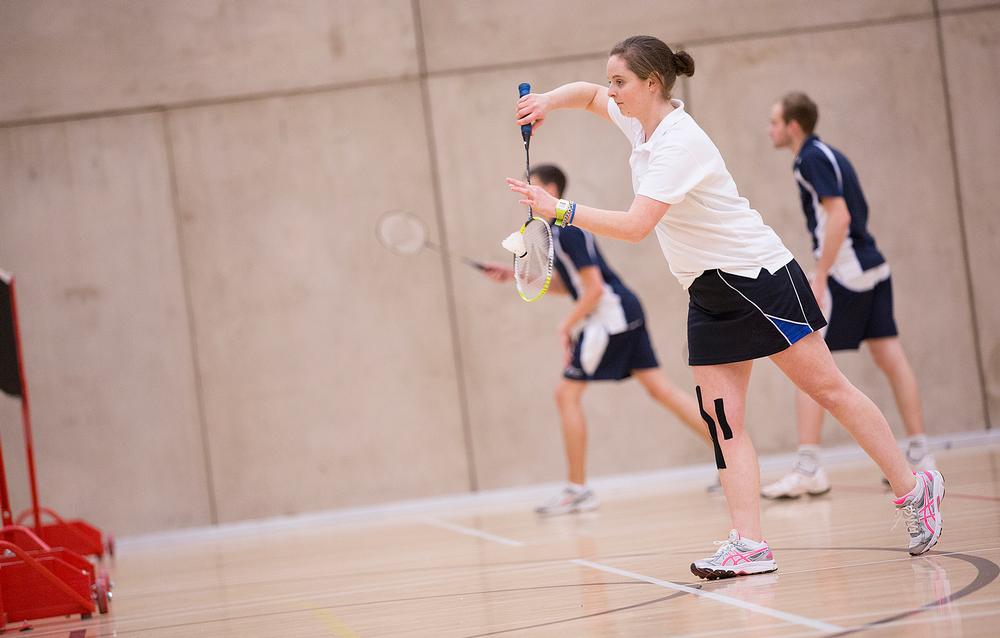
Badminton England will focus on bringing children and teens into the sport
Last April, when Sport England announced that it was ripping up its existing funding model and replacing it with a system that adequately represents the government’s Sporting Future strategy, the sector braced itself for some big changes.
The grassroots sports quango was transparent about what it needed to do; Sporting Future had changed the focus from purely counting the number of participants in sport to taking a holistic view of the affect that physical activity has on variety of factors, including mental wellbeing, social cohesion and the economy.
In response, national governing bodies (NGB) – the traditional guardians of sport – were prepared to lose a substantial amount of the funding they had previously received from the government, via Sport England.
And so it came to pass, with the first raft of funding decisions revealed before Christmas with £88m handed out to 26 NGBs over the next four-year period. In February, Sport England announced its latest tranche, with a further £101m split between 25 NGBs. While there are still a few decisions to be made, the total will be somewhat short of the £467m that comprised Whole Sport Plan funding between 2013 and 2017.
Sports minister Tracey Crouch says that sports bodies “must reshape and refocus”, but what does this mean for NGBs and the funding of sport and physical activity?
At face value, it looks as though some sports will be losing out, with a number of NGBs not even attaining half of the funding they received over the last four years.
However, the scenario is not black and white. While NGB funding will go down substantially, their responsibilities will also decrease, with most tasked with focusing on retaining their core market rather than looking after everything.
Looking after the core “This isn’t a cut,” says Adrian Christy, the chief executive of Badminton England, which was awarded £7.25m over the four-year cycle compared to the £18m Whole Sport Plan grant it received during 2013-2017.
“It’s really important that there is a clear recognition of this in how it is reported,” he tells Sports Management. “It’s less money, but we are focused on a very specific area.
“We’ve always been honest. Supporting some of the elements Sport England asked us to oversee were probably outside of our skillset. We’re more than comfortable with people or organisations that have more experience getting inactive people active taking over that responsibility rather than the governing bodies of sports.”
To give an example, Badminton England will now place resources on a select number of initiatives, with a greater focus on getting young children involved in the sport. The idea, says Christy, is to make sure every primary school in the country has a link with a local club. The body will also establish new junior clubs across the country.
“Our investment over the last five years has predominantly been aimed at secondary schools, Key Stage 3 and 4,” Christy explains. “We have been incredibly successful with that, with two out of three secondary schools playing badminton, while the National Schools Championships has grown to over 40,000 young people.”
He adds that Badminton England’s Smash Up programme targeted at 14-16 year-olds has enticed 45,000 teenagers, but now the focus was on Key Stage 1 and 2 children.
A youthful focus Accommodating and increasing the participation of children is a key area for British Gymnastics as well. While the NGB saw funding decrease from £11.8m during 2013-2017 to its current grant of £8.3m, British Gymnastics chief executive Jane Allen points out the need for a “significant volume of extra gymnastics classes for children” to whittle down the current waiting list of “over one million people”.
“Our work with existing delivery partners will continue, but we will also focus on recruiting and supporting them to deliver a high-quality gymnastics experience,” Allen tells Sports Management.
She adds: “In the latest funding award, Sport England recognised the important role gymnastics can play in providing children with foundation skills for life and the positive impact gymnastics has on young people’s lives. We want to build more awareness of how gymnastics can help children develop physical competence and a positive attitude towards sport.”
Despite losing £3.5m of Sport England funding, Allen insists that the body was “fortunate to receive an allocation which will allow us to continue to deliver our plans”.
The £11.8m 2013-2017 investment was awarded to British Gymnastics to support talent development, fund new or refurbish facilities and design programmes to keep children and young people involved in the sport. Whether the body can continue to commit to these requirements with less money remains to be seen.
One area British Gymnastics has excelled in over recent years is its engagement with disabled people. Since launching its ‘I’m In’ initiative in 2013, more than 1,500 disabled people have taken part in the activity more regularly. Allen is keen for this to continue with the new investment.
“There are now 200 of our registered clubs offering gymnastics to people with learning or physical disabilities, sensory impairments or health conditions,” she says. “We’ve recently appointed seven disability ambassadors to help us encourage more participants to get involved.”
Inactivity fund But where will the rest of Sport England’s £1.1bn funding pot go over the next four years, if not to sporting bodies?
Well, a substantial amount will go towards inactivity, or in other words, engaging those who are sedentary in regular physical activity. In fact, almost a quarter (£250m) will go towards achieving that very aim over the coming years.
Talking to Sports Management at the end of last year, Sport England chief executive Jennie Price revealed that the funding body was talking to organisations such as the National Trust, the Youth Hostels Association, the Royal Society for the Protection of Birds and the government’s Troubled Families Unit about potential investment with the aim of reaching a larger proportion of inactive people.
While NGBs are permitted to bid for other pockets of funding separate from the core sport grants they have received, Sport England director of sport Phil Smith is unsure whether they can fulfil any of the requirements, including reaching the inactive and hard-to-reach groups.
“Most governing bodies will acknowledge that if you’re going to encourage someone who is doing nothing to do something, you wouldn’t start by putting them in a team for one of those sports,” he says.
“It’s not their natural territory, and I’d be surprised if that money finds its way to governing bodies. It’s more likely other providers will succeed with that audience.”
However, some governing bodies with slightly enhanced responsibilities have been compensated to reflect this. British Cycling will have to retain its core market, but will also be responsible for the mass market.
The mass market, says British Cycling recreation and partnership director David Bourque, is “the revolving door” – “a combination of new people and people dipping in and out”. To accommodate this segment, the organisation is introducing more group riding opportunities, which makes cycling more of a sociable activity, as well as being safer for participants.
Although British Cycling hasn’t quite garnered the £32m it received from Sport England over the course of the last Whole Sport Plan, its £17.3m grant is the largest distributed to a single NGB thus far.
Part of that money will go towards technology, with a new ‘club finder tool’ in the works. There is also a big push to increase the number of volunteers to “keep people affiliated within the core market”.
“The idea is that Sport England wants us to address the major life disruptions of people in our core market, so if they’re moving house, changing job or starting a family, it will still be easy for them to remain as part of a cycling club,” says Bourque.
“We’ve got a Ride Smart programme teaching core market people to ride in safer ways and we’re establishing a load of member benefits that will keep people engaged. We’ve so far pushed through 130,000 members – a good amount.”
fresh Facilities British Cycling has been helped with a separate £15m grant for facilities, which was provided by the government after Yorkshire won the right to host the 2019 World Road Championships.
According to Bourque, money will be spent on BMX pump tracks, closed road circuits and velodrome facilities. Also high on the agenda is a plan to accommodate more mountain biking – a facet of the sport that is becoming increasingly popular.
But other NGBs will not benefit from that kind of extra funding unless they secure sponsorship money. So where will this leave the funding of facilities?
Some money from NGB grants will be focused on the creation and improvement of facilities. Badminton England will use £250,000 of its overall award to invest in local hubs that would create a designated space for the development of coaches, volunteers, officials and players. The hubs will be geographically spread, and Christy is optimistic that a successful return will see further long-term investment in a funding scheme from Sport England.
Sport England will continue to provide facilities grants through a Community Asset Fund and the new Local Delivery Pilots, which will be rolled out later this year.
However, while everything has been mapped out, it is still unclear exactly what impact the new funding model will have on sport. A year after the publication of Sporting Future, sports minister Tracey Crouch says the government and Sport England’s vision of the sporting landscape will only begin to take shape from this April when all the funding has been announced.
If national governing bodies can get on with the task of retaining their core market, and discover that the money granted by Sport England allows them to do this with aplomb, and other organisations can succeed in truly engaging the inactive, then the funding model will be rightly deemed a success. Only time will tell.
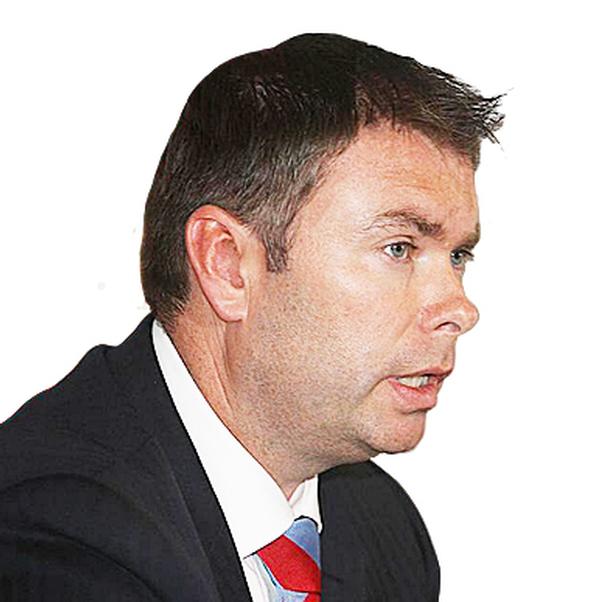
Adrian ChristyCEOBadminton England
Adrian Christy
"We’re comfortable with organisations that have more experience in getting inactive people active taking over that responsibility"
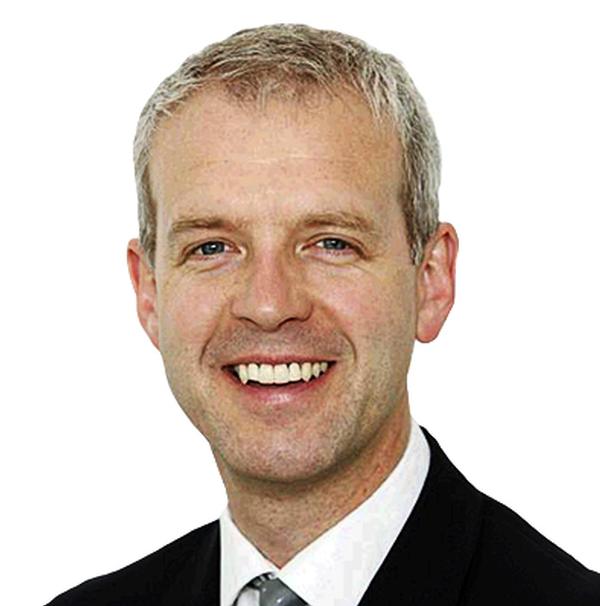
Phil SmithDirector of SportSport England
Phil Smith
"I’m unsure whether [NGBs] can fulfil the government’s requirements to reach inactive groups. It’s more likely other providers will succeed with that audience"
Tracey CrouchMinister for sport
Tracey Crouch
"Sports bodies must reshape and refocus, thinking less about those that already play sport and more about those who don’t, or who do but infrequently."
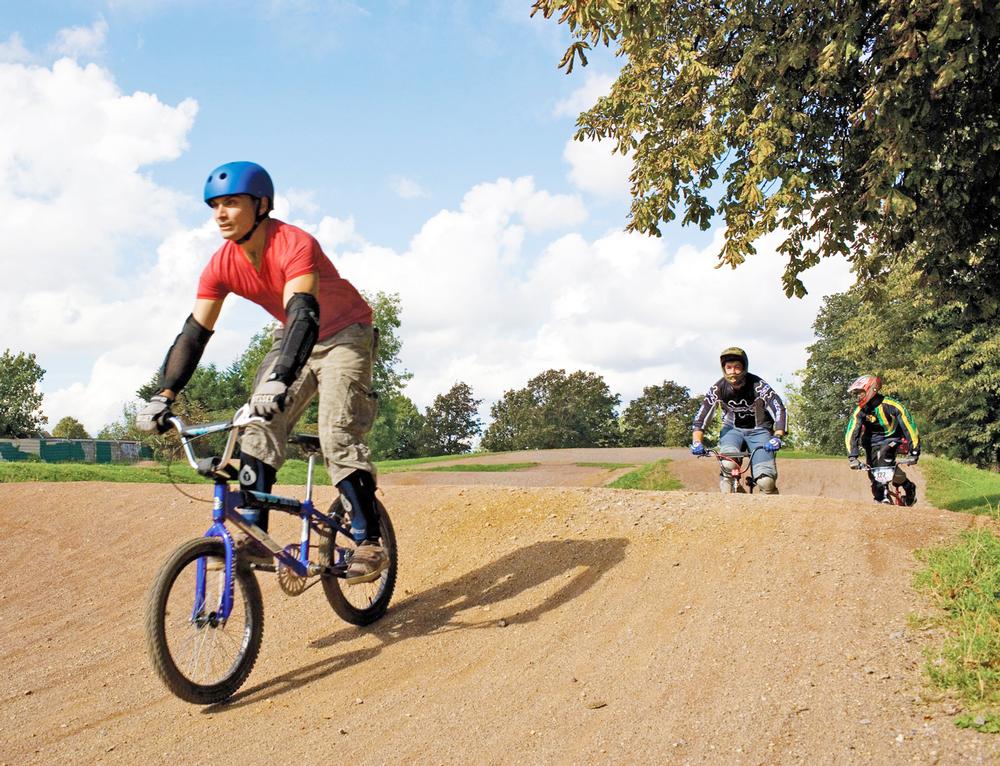
Part of a facilities grant will be spent on BMX pump tracks
Disability ambassador Alex Buesnel is part of British Gymnastics’ disability programme, which is supported by Sport England funding
British Gymnastics plans to provide enough children’s classes to satisfy the 1 million children on the waiting list
British Cycling is being funded to introduce more group riding opportunities
An extra £15m facilities grant was awarded to British Cycling
CoverMe, the global leader in fitness workforce management, today launches CoverMe PT, an
on-demand personal training platform that connects the right personal trainer to the right
client in under 10 seconds. [more...]
Elevate is set to celebrate its 10th anniversary in style this June, with organisers
confirming the event’s largest-ever drinks reception as registrations continue to run more
than 10% ahead of last year. [more...]
+ More featured suppliers
COMPANY PROFILES
Orbit4
With Orbit4, you’ll always have full visibility
of your equipment inventory, the true
market value [more...]
ukactive
ukactive is the UK’s leading trade body for the physical activity sector, bringing together more tha [more...]
Sport England’s new funding model signals decreased money – and less responsibility – for governing bodies, with funds now being allocated from three pots: sport, beating inactivity and facility development. Matthew Campelli reports on what this means for the sector
By Matthew Campelli | Published in Sports Management Mar Apr 2017 issue 130
Badminton England will focus on bringing children and teens into the sport
Last April, when Sport England announced that it was ripping up its existing funding model and replacing it with a system that adequately represents the government’s Sporting Future strategy, the sector braced itself for some big changes.
The grassroots sports quango was transparent about what it needed to do; Sporting Future had changed the focus from purely counting the number of participants in sport to taking a holistic view of the affect that physical activity has on variety of factors, including mental wellbeing, social cohesion and the economy.
In response, national governing bodies (NGB) – the traditional guardians of sport – were prepared to lose a substantial amount of the funding they had previously received from the government, via Sport England.
And so it came to pass, with the first raft of funding decisions revealed before Christmas with £88m handed out to 26 NGBs over the next four-year period. In February, Sport England announced its latest tranche, with a further £101m split between 25 NGBs. While there are still a few decisions to be made, the total will be somewhat short of the £467m that comprised Whole Sport Plan funding between 2013 and 2017.
Sports minister Tracey Crouch says that sports bodies “must reshape and refocus”, but what does this mean for NGBs and the funding of sport and physical activity?
At face value, it looks as though some sports will be losing out, with a number of NGBs not even attaining half of the funding they received over the last four years.
However, the scenario is not black and white. While NGB funding will go down substantially, their responsibilities will also decrease, with most tasked with focusing on retaining their core market rather than looking after everything.
Looking after the core “This isn’t a cut,” says Adrian Christy, the chief executive of Badminton England, which was awarded £7.25m over the four-year cycle compared to the £18m Whole Sport Plan grant it received during 2013-2017.
“It’s really important that there is a clear recognition of this in how it is reported,” he tells Sports Management. “It’s less money, but we are focused on a very specific area.
“We’ve always been honest. Supporting some of the elements Sport England asked us to oversee were probably outside of our skillset. We’re more than comfortable with people or organisations that have more experience getting inactive people active taking over that responsibility rather than the governing bodies of sports.”
To give an example, Badminton England will now place resources on a select number of initiatives, with a greater focus on getting young children involved in the sport. The idea, says Christy, is to make sure every primary school in the country has a link with a local club. The body will also establish new junior clubs across the country.
“Our investment over the last five years has predominantly been aimed at secondary schools, Key Stage 3 and 4,” Christy explains. “We have been incredibly successful with that, with two out of three secondary schools playing badminton, while the National Schools Championships has grown to over 40,000 young people.”
He adds that Badminton England’s Smash Up programme targeted at 14-16 year-olds has enticed 45,000 teenagers, but now the focus was on Key Stage 1 and 2 children.
A youthful focus Accommodating and increasing the participation of children is a key area for British Gymnastics as well. While the NGB saw funding decrease from £11.8m during 2013-2017 to its current grant of £8.3m, British Gymnastics chief executive Jane Allen points out the need for a “significant volume of extra gymnastics classes for children” to whittle down the current waiting list of “over one million people”.
“Our work with existing delivery partners will continue, but we will also focus on recruiting and supporting them to deliver a high-quality gymnastics experience,” Allen tells Sports Management.
She adds: “In the latest funding award, Sport England recognised the important role gymnastics can play in providing children with foundation skills for life and the positive impact gymnastics has on young people’s lives. We want to build more awareness of how gymnastics can help children develop physical competence and a positive attitude towards sport.”
Despite losing £3.5m of Sport England funding, Allen insists that the body was “fortunate to receive an allocation which will allow us to continue to deliver our plans”.
The £11.8m 2013-2017 investment was awarded to British Gymnastics to support talent development, fund new or refurbish facilities and design programmes to keep children and young people involved in the sport. Whether the body can continue to commit to these requirements with less money remains to be seen.
One area British Gymnastics has excelled in over recent years is its engagement with disabled people. Since launching its ‘I’m In’ initiative in 2013, more than 1,500 disabled people have taken part in the activity more regularly. Allen is keen for this to continue with the new investment.
“There are now 200 of our registered clubs offering gymnastics to people with learning or physical disabilities, sensory impairments or health conditions,” she says. “We’ve recently appointed seven disability ambassadors to help us encourage more participants to get involved.”
Inactivity fund But where will the rest of Sport England’s £1.1bn funding pot go over the next four years, if not to sporting bodies?
Well, a substantial amount will go towards inactivity, or in other words, engaging those who are sedentary in regular physical activity. In fact, almost a quarter (£250m) will go towards achieving that very aim over the coming years.
Talking to Sports Management at the end of last year, Sport England chief executive Jennie Price revealed that the funding body was talking to organisations such as the National Trust, the Youth Hostels Association, the Royal Society for the Protection of Birds and the government’s Troubled Families Unit about potential investment with the aim of reaching a larger proportion of inactive people.
While NGBs are permitted to bid for other pockets of funding separate from the core sport grants they have received, Sport England director of sport Phil Smith is unsure whether they can fulfil any of the requirements, including reaching the inactive and hard-to-reach groups.
“Most governing bodies will acknowledge that if you’re going to encourage someone who is doing nothing to do something, you wouldn’t start by putting them in a team for one of those sports,” he says.
“It’s not their natural territory, and I’d be surprised if that money finds its way to governing bodies. It’s more likely other providers will succeed with that audience.”
However, some governing bodies with slightly enhanced responsibilities have been compensated to reflect this. British Cycling will have to retain its core market, but will also be responsible for the mass market.
The mass market, says British Cycling recreation and partnership director David Bourque, is “the revolving door” – “a combination of new people and people dipping in and out”. To accommodate this segment, the organisation is introducing more group riding opportunities, which makes cycling more of a sociable activity, as well as being safer for participants.
Although British Cycling hasn’t quite garnered the £32m it received from Sport England over the course of the last Whole Sport Plan, its £17.3m grant is the largest distributed to a single NGB thus far.
Part of that money will go towards technology, with a new ‘club finder tool’ in the works. There is also a big push to increase the number of volunteers to “keep people affiliated within the core market”.
“The idea is that Sport England wants us to address the major life disruptions of people in our core market, so if they’re moving house, changing job or starting a family, it will still be easy for them to remain as part of a cycling club,” says Bourque.
“We’ve got a Ride Smart programme teaching core market people to ride in safer ways and we’re establishing a load of member benefits that will keep people engaged. We’ve so far pushed through 130,000 members – a good amount.”
fresh Facilities British Cycling has been helped with a separate £15m grant for facilities, which was provided by the government after Yorkshire won the right to host the 2019 World Road Championships.
According to Bourque, money will be spent on BMX pump tracks, closed road circuits and velodrome facilities. Also high on the agenda is a plan to accommodate more mountain biking – a facet of the sport that is becoming increasingly popular.
But other NGBs will not benefit from that kind of extra funding unless they secure sponsorship money. So where will this leave the funding of facilities?
Some money from NGB grants will be focused on the creation and improvement of facilities. Badminton England will use £250,000 of its overall award to invest in local hubs that would create a designated space for the development of coaches, volunteers, officials and players. The hubs will be geographically spread, and Christy is optimistic that a successful return will see further long-term investment in a funding scheme from Sport England.
Sport England will continue to provide facilities grants through a Community Asset Fund and the new Local Delivery Pilots, which will be rolled out later this year.
However, while everything has been mapped out, it is still unclear exactly what impact the new funding model will have on sport. A year after the publication of Sporting Future, sports minister Tracey Crouch says the government and Sport England’s vision of the sporting landscape will only begin to take shape from this April when all the funding has been announced.
If national governing bodies can get on with the task of retaining their core market, and discover that the money granted by Sport England allows them to do this with aplomb, and other organisations can succeed in truly engaging the inactive, then the funding model will be rightly deemed a success. Only time will tell.
Adrian ChristyCEOBadminton England
Adrian Christy
"We’re comfortable with organisations that have more experience in getting inactive people active taking over that responsibility"
Phil SmithDirector of SportSport England
Phil Smith
"I’m unsure whether [NGBs] can fulfil the government’s requirements to reach inactive groups. It’s more likely other providers will succeed with that audience"
Tracey CrouchMinister for sport
Tracey Crouch
"Sports bodies must reshape and refocus, thinking less about those that already play sport and more about those who don’t, or who do but infrequently."
Part of a facilities grant will be spent on BMX pump tracks
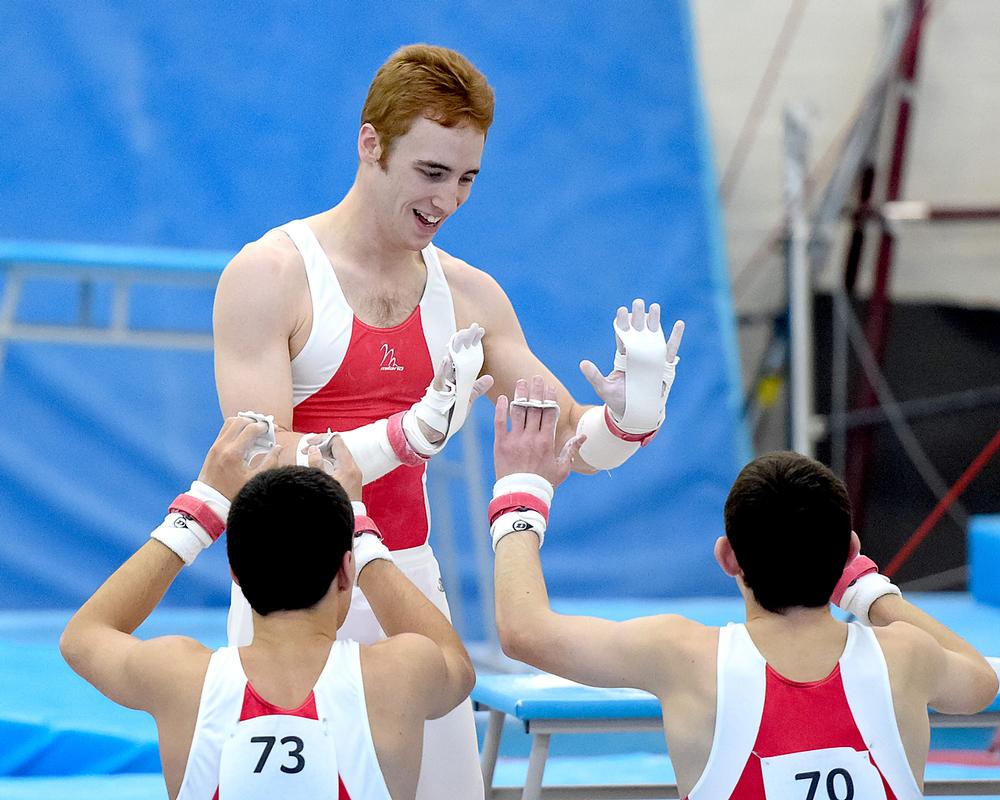
Disability ambassador Alex Buesnel is part of British Gymnastics’ disability programme, which is supported by Sport England funding
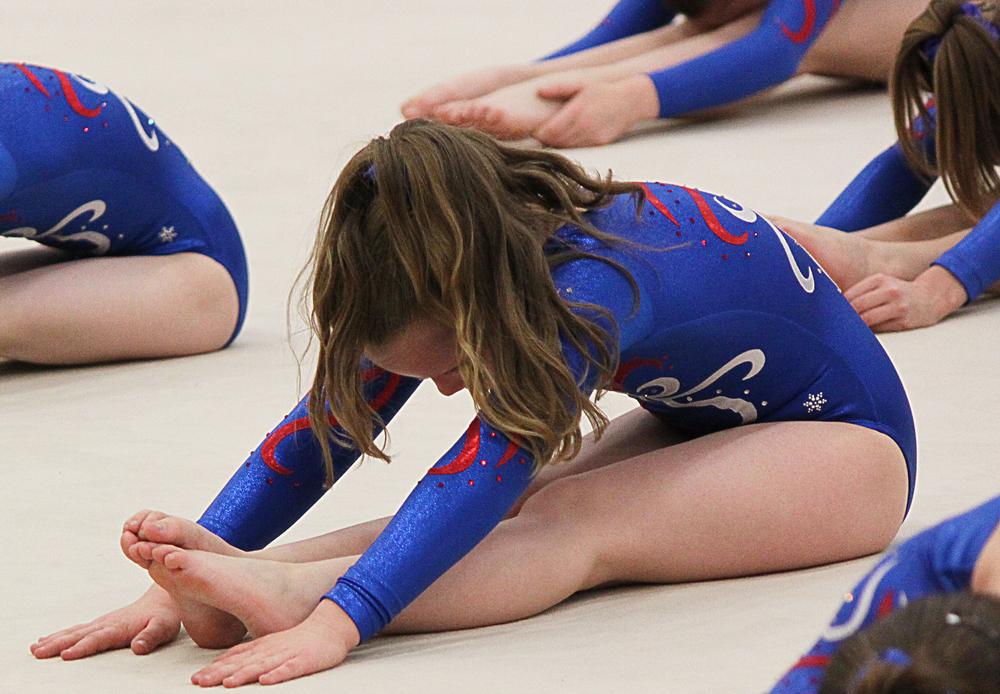
British Gymnastics plans to provide enough children’s classes to satisfy the 1 million children on the waiting list
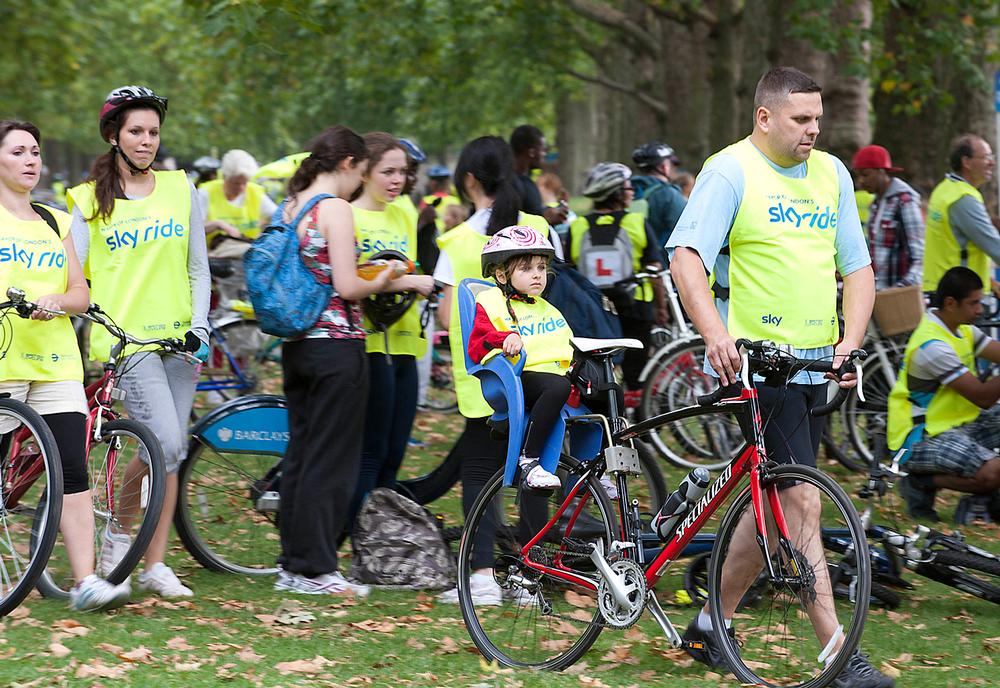
British Cycling is being funded to introduce more group riding opportunities
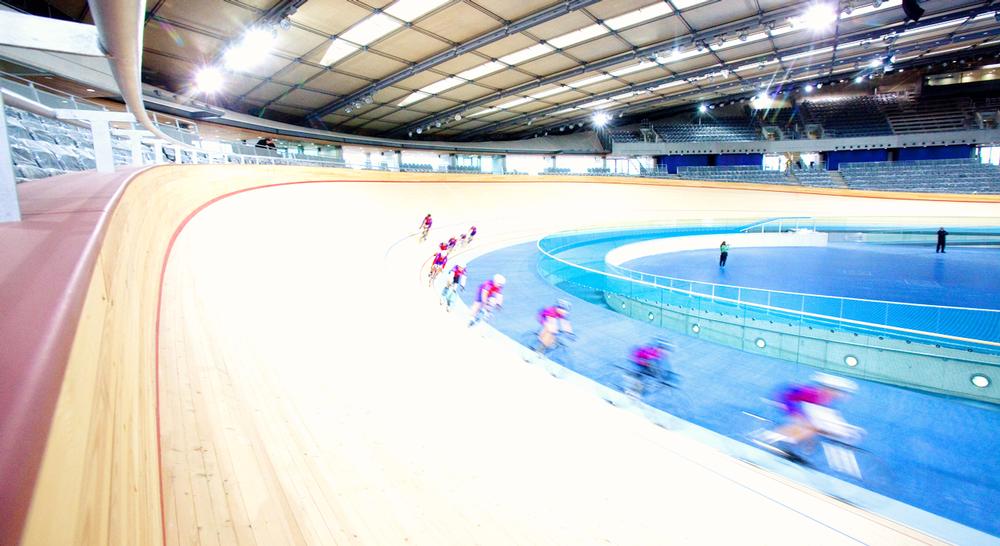
An extra £15m facilities grant was awarded to British Cycling
Global luxury hospitality brand, Six Senses, has partnered with longevity healthcare provider,
HUM2N, to launch a clinic at Six Senses London, at The Whiteley.
Premium London health club, KX Chelsea, will imminently unveil its most significant
redevelopment since its launch in 2002 to create an integrated wellness model combining
training, recovery and relaxation.
Researchers in the US have identified an antibody which could greatly reduce the loss of lean
muscle mass in people who are taking weight-loss medications.
Crunch Fitness has announced the launch of Crunch Reform Pilates – its own reformer concept
designed to bring this fast growing, but rather expensive, modality into the mainstream.
The 20th State of the Industry Report reveals a resilient, expanding and competitive
sector, the
importance of differentiation and the ongoing challenge of tackling inequalities.
Nuffield Health has told HCM that it takes its responsibilities towards its colleagues seriously
and is committed to meeting all legal obligations after news of a tribunal has made national
headlines.
Technogym has announced the launch of the Run X World Treadmill Championship, the first
world championship for running on connected treadmills over five kilometres.
CoverMe, the global leader in fitness workforce management, today launches CoverMe PT, an
on-demand personal training platform that connects the right personal trainer to the right
client in under 10 seconds. [more...]
Elevate is set to celebrate its 10th anniversary in style this June, with organisers
confirming the event’s largest-ever drinks reception as registrations continue to run more
than 10% ahead of last year. [more...]
+ More featured suppliers
COMPANY PROFILES
Orbit4 With Orbit4, you’ll always have full visibility
of your equipment inventory, the true
market value [more...]