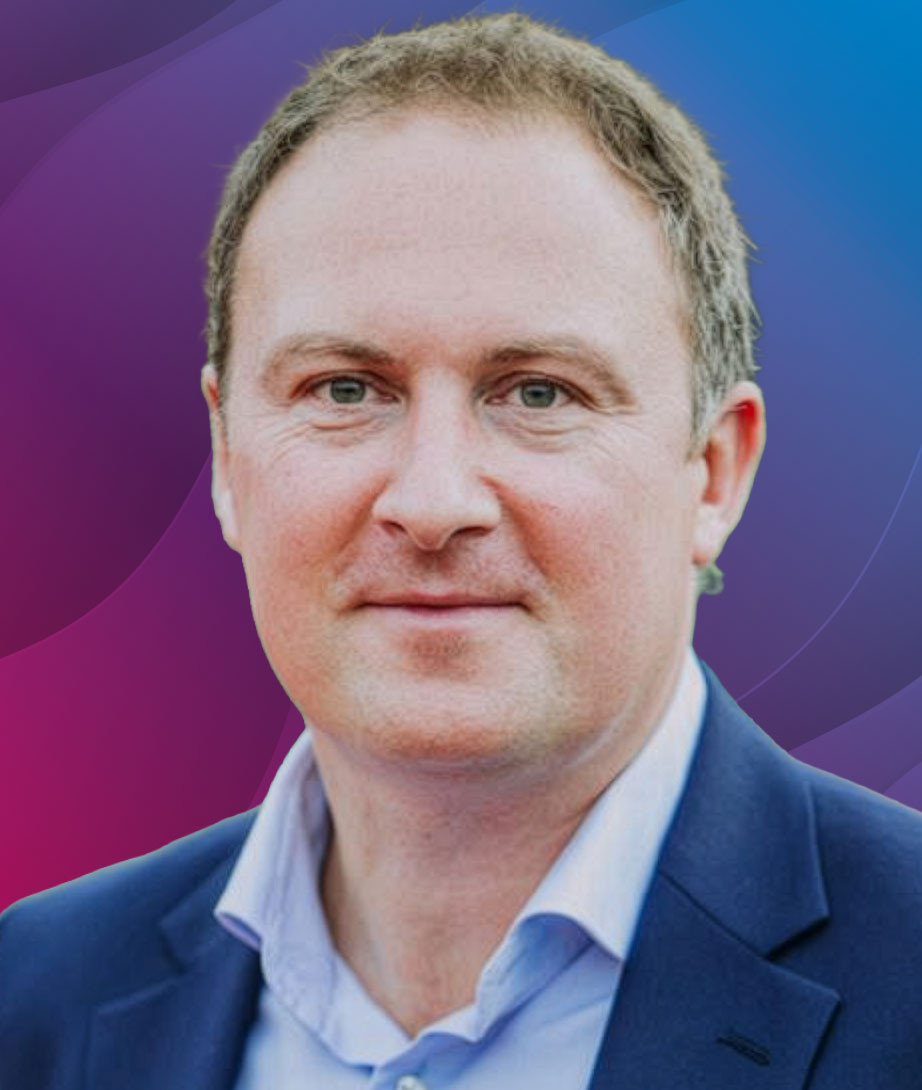
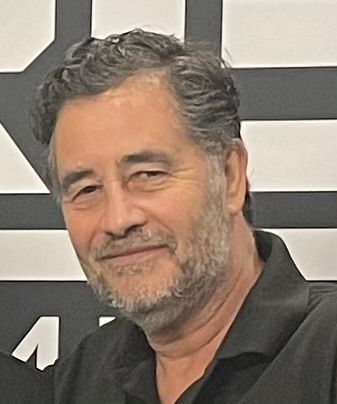
How important is the mind – the mental aspect – when it comes to sport and exercise? Mindset is absolutely crucial: from having the motivation to keep training through the winter months, to being able to turn a new year’s resolution into a habit, to making sure you don’t choke at elite competition level. We train people to harness the power of their mind to maximise their wellbeing and performance.
How does this work in practice? I’ve done a lot of research into positive emotion, and as a sports psychologist I aim to re-educate people to interpret events positively rather than being stressed by them. If we see something as a challenge we’re equipped to handle, rather than something we’re stressed by, our bodies respond better both physiologically and psychologically and we’re far more likely to succeed.
I try to make people understand which of their thoughts are helpful and which should be discarded.
How do you do that? One tool is to view emotions as information, and not as direction. When we understand the emotions that we’re experiencing, we have a much better steer on what to do with that information.
For example, some people interpret butterflies in their tummy as a sign of worry – a fear that something might go wrong – but if we think about this feeling as our body getting ready for the challenge, then we can start to view it more positively.
The same principle exists for any physical activity. We must pay attention to our emotions to understand what they’re trying to tell us – what information they’re providing – so we can act on this information. For example, someone might say “I don’t feel like running today”, but when we examine the feeling it might be that the person feels sad or disappointed, perhaps because they aren’t making as much progress as they would like to.
How could gym owners apply your research to help their members? The first thing they should do is help the people who come through the door get what they want. Most people come with a goal but don’t know how to achieve it. They come with the intention and motivation but need the strategy, and then feedback, to succeed in their goals – otherwise the intention wears off.
What works universally is simple: support, encouragement, warm feedback, direction and guidance. The people who receive this do exceptionally well. Instructors need to make people really believe that they are the person they wish to become.
Hear more at Elevate
Paul, Nick and Julie will be joining an exciting line-up of speakers at this year’s Elevate conference, taking place at ExCel London on 10–11 May.
Bringing together the physical activity sector, academia, healthcare, policy makers, local authorities and performance experts, there will be more than 150 exhibitors and 200 speakers.
Register free for tickets at www.elevatearena.com
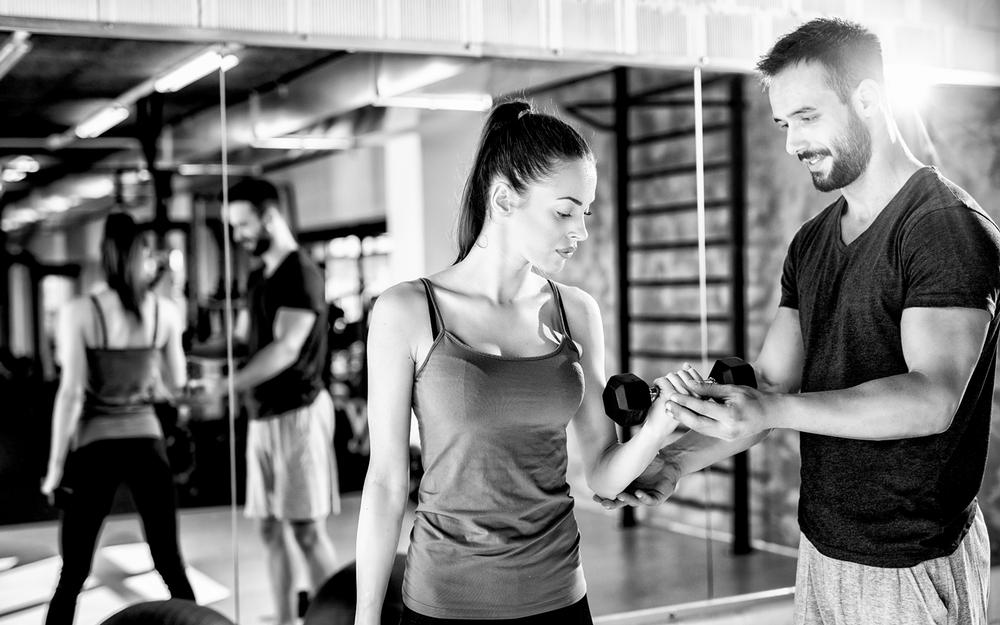
Gyms must give members the encouragement to achieve their goals / PHOTO: SHUTTERSTOCK.COM
Active Blackpool is deploying Cornerstone Connect, a new digital interface allowing
disparate information from multiple systems to be aggregated into one dataset, to support
its focus on reducing health inequalities and improving healthy life expectancy. [more...]
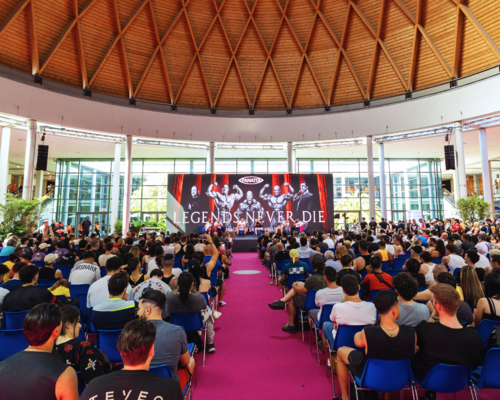
Panatta brought together four of the most influential figures in bodybuilding history on the
stage of RiminiWellness 2026: Phil Heath, Lee Haney, Ronnie Coleman and Hany Rambod. [more...]
+ More featured suppliers
COMPANY PROFILES
Everyone Active
Everyone Active operates leisure centres in partnership with local councils across the UK. Today, Ev [more...]
PSLT Ltd
PSLT Fitness Solutions manufacture, remanufacture and buy back commercial gym equipment. [more...]
How important is the mind – the mental aspect – when it comes to sport and exercise? Mindset is absolutely crucial: from having the motivation to keep training through the winter months, to being able to turn a new year’s resolution into a habit, to making sure you don’t choke at elite competition level. We train people to harness the power of their mind to maximise their wellbeing and performance.
How does this work in practice? I’ve done a lot of research into positive emotion, and as a sports psychologist I aim to re-educate people to interpret events positively rather than being stressed by them. If we see something as a challenge we’re equipped to handle, rather than something we’re stressed by, our bodies respond better both physiologically and psychologically and we’re far more likely to succeed.
I try to make people understand which of their thoughts are helpful and which should be discarded.
How do you do that? One tool is to view emotions as information, and not as direction. When we understand the emotions that we’re experiencing, we have a much better steer on what to do with that information.
For example, some people interpret butterflies in their tummy as a sign of worry – a fear that something might go wrong – but if we think about this feeling as our body getting ready for the challenge, then we can start to view it more positively.
The same principle exists for any physical activity. We must pay attention to our emotions to understand what they’re trying to tell us – what information they’re providing – so we can act on this information. For example, someone might say “I don’t feel like running today”, but when we examine the feeling it might be that the person feels sad or disappointed, perhaps because they aren’t making as much progress as they would like to.
How could gym owners apply your research to help their members? The first thing they should do is help the people who come through the door get what they want. Most people come with a goal but don’t know how to achieve it. They come with the intention and motivation but need the strategy, and then feedback, to succeed in their goals – otherwise the intention wears off.
What works universally is simple: support, encouragement, warm feedback, direction and guidance. The people who receive this do exceptionally well. Instructors need to make people really believe that they are the person they wish to become.
Hear more at Elevate
Paul, Nick and Julie will be joining an exciting line-up of speakers at this year’s Elevate conference, taking place at ExCel London on 10–11 May.
Bringing together the physical activity sector, academia, healthcare, policy makers, local authorities and performance experts, there will be more than 150 exhibitors and 200 speakers.
Register free for tickets at www.elevatearena.com
Gyms must give members the encouragement to achieve their goals / PHOTO: SHUTTERSTOCK.COM
According to research which tracked more than 147,000 people for 30 years, 90-120 minutes
of strength training a week may deliver some of the biggest long-term health rewards.
The UK's four Chief Medical Officers have published a refreshed edition of Physical activity
guidelines: UK Chief Medical Officers' report, updating the evidence that underpins the nation's
physical activity recommendations and placing greater emphasis on strength, balance, reducing
sedentary behaviour and, for the first time, supporting people taking weight loss medications.
Places Leisure has exchanged contracts to build and operate a flagship £60m water and leisure
destination on behalf of Basingstoke and Deane Borough Council.
The Republic of Ireland will become the latest market in PureGym’s expanding international
portfolio, with the first launch planned for Dublin in 2027.
Anytime Fitness opened more than one club a day in 2025 and is on track to maintain this rate
of growth this year, as parent company Purpose Brands targets further international expansion.
The £33.9 million Leighton Leisure and Community Centre has opened in Leighton Buzzard, UK,
creating a next-generation public leisure, health and wellbeing hub for the local community.
Walnuts Leisure Centre in Orpington, in the London Borough of Bromley, has reopened following
a £17m transformation designed to secure the long-term future of the public leisure asset and
reposition it as a community wellbeing hub.
The Gym Group, has announced that it's sustained positive trading momentum has continued
through the first half of 2026 and the company remains confident about the outlook.
Active Blackpool is deploying Cornerstone Connect, a new digital interface allowing
disparate information from multiple systems to be aggregated into one dataset, to support
its focus on reducing health inequalities and improving healthy life expectancy. [more...]
Panatta brought together four of the most influential figures in bodybuilding history on the
stage of RiminiWellness 2026: Phil Heath, Lee Haney, Ronnie Coleman and Hany Rambod. [more...]
+ More featured suppliers
COMPANY PROFILES
Everyone Active Everyone Active operates leisure centres in partnership with local councils across the UK. Today, Ev [more...]