How active are we now compared to 20 years ago? Research suggests that physical activity levels have remained more or less stable, or even risen slightly. The shocking change in the last 20 years has been in obesity, which has shot up, with diabetes rising dramatically as a result.
What can be done to ease this? People have to take personal responsibility for their health, but it’s difficult to be good when they’re surrounded by sweet treats, calorie-laden drinks and opportunities to be inactive. Sadly there’s no simple solution. We need political imperatives to tax sugar and influence food manufacturers to produce less calorific food. I don’t think the current emphasis on voluntary agreements works – we need stronger legislation.
We also need town planning initiatives to create more opportunities for walking and cycling, to push the active commuting and active transport agenda.
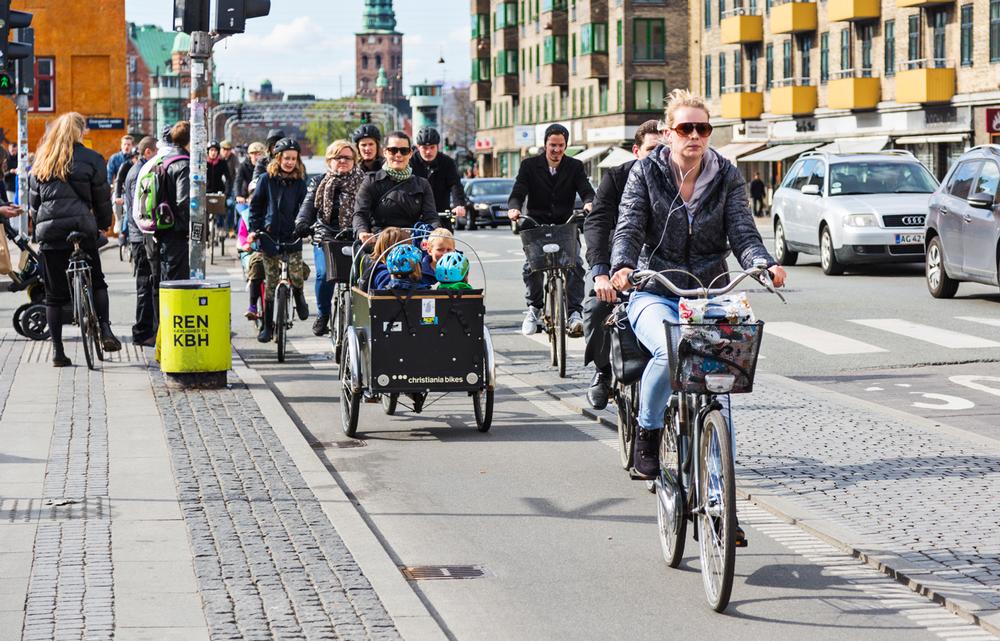
Are there any cities that do active transport well? Copenhagen and Amsterdam are excellent examples of cycling cities, but they weren’t always like that – they took a bold decision.
In the 1970s, cars massively outstripped bicycles in Copenhagen, but the city authorities decided to turn this around, mainly for road safety reasons.
By investing in a comprehensive infrastructure which favours the bike as everyday transport, they transformed the city: since 2015, more bikes enter the city centre than cars.
With cycling, there are frequently political and financial sticking points. The pro-car lobby is seen as too strong and powerful and politicians are frightened of losing votes. But look what’s happened in London with the congestion charge and the cycle super-highways. These weren’t easy decisions to make, but the mayor had the courage to see these initiatives through. And investment follows: look at the money spent on Santander hire bikes in the capital, for example.
Meanwhile, encouraging walking is less about building a network and more about making an environment walkable and liveable, with pedestrianised areas, lower volumes of traffic and more open space. A good example is Sheffield. When I went to university there, the railway station area was grotty, but now it’s been transformed: it’s much more attractive and with better road crossing. The number of pedestrians in the area trebled from 2001 to 2008.
What could the health and fitness sector do to support these efforts? I applaud the work the fitness industry is doing, and in particular ukactive’s efforts with government and the Department of Health, working to integrate with broader policy issues. There’s still enormous potential to make better connections between the health and fitness sector and the NHS, shifting the emphasis to prevention and health promotion rather than just treatment.
It would also be good for operators to encourage their members to do more everyday activity, such as walking and cycling between visits, or travelling to the club in an active way. Encouraging the use of activity trackers could also help, so members can see how their everyday activity all adds up.
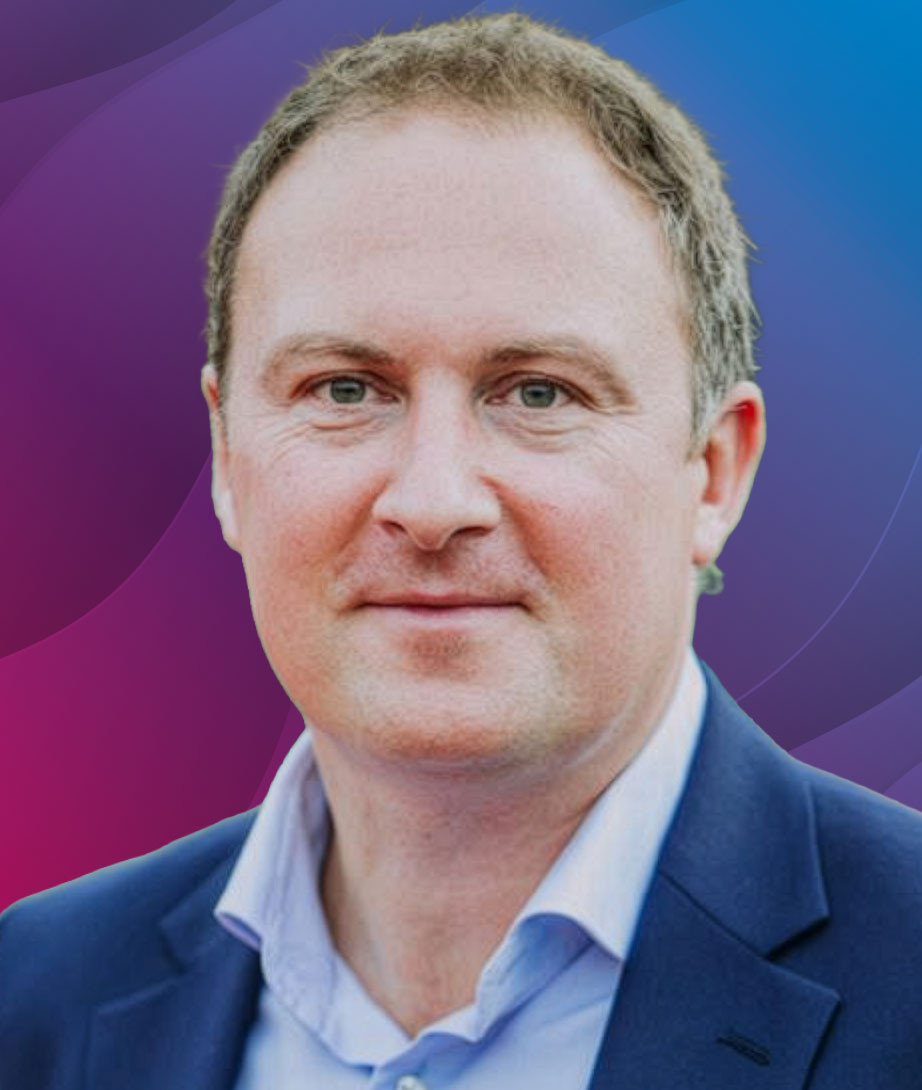
Cavill: Town planners must create more opportunities for active travel / PHOTO: SHUTTERSTOCK.COM
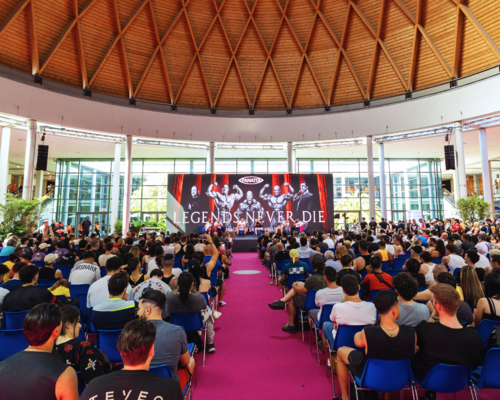
Panatta brought together four of the most influential figures in bodybuilding history on the
stage of RiminiWellness 2026: Phil Heath, Lee Haney, Ronnie Coleman and Hany Rambod. [more...]
Active Blackpool is deploying Cornerstone Connect, a new digital interface allowing
disparate information from multiple systems to be aggregated into one dataset, to support
its focus on reducing health inequalities and improving healthy life expectancy. [more...]
+ More featured suppliers
COMPANY PROFILES
Everyone Active
Everyone Active operates leisure centres in partnership with local councils across the UK. Today, Ev [more...]
Safe Space Lockers
We provide a full turn-key solution for clients from design and consultation, through to bespoke man [more...]
How active are we now compared to 20 years ago? Research suggests that physical activity levels have remained more or less stable, or even risen slightly. The shocking change in the last 20 years has been in obesity, which has shot up, with diabetes rising dramatically as a result.
What can be done to ease this? People have to take personal responsibility for their health, but it’s difficult to be good when they’re surrounded by sweet treats, calorie-laden drinks and opportunities to be inactive. Sadly there’s no simple solution. We need political imperatives to tax sugar and influence food manufacturers to produce less calorific food. I don’t think the current emphasis on voluntary agreements works – we need stronger legislation.
We also need town planning initiatives to create more opportunities for walking and cycling, to push the active commuting and active transport agenda.
Are there any cities that do active transport well? Copenhagen and Amsterdam are excellent examples of cycling cities, but they weren’t always like that – they took a bold decision.
In the 1970s, cars massively outstripped bicycles in Copenhagen, but the city authorities decided to turn this around, mainly for road safety reasons.
By investing in a comprehensive infrastructure which favours the bike as everyday transport, they transformed the city: since 2015, more bikes enter the city centre than cars.
With cycling, there are frequently political and financial sticking points. The pro-car lobby is seen as too strong and powerful and politicians are frightened of losing votes. But look what’s happened in London with the congestion charge and the cycle super-highways. These weren’t easy decisions to make, but the mayor had the courage to see these initiatives through. And investment follows: look at the money spent on Santander hire bikes in the capital, for example.
Meanwhile, encouraging walking is less about building a network and more about making an environment walkable and liveable, with pedestrianised areas, lower volumes of traffic and more open space. A good example is Sheffield. When I went to university there, the railway station area was grotty, but now it’s been transformed: it’s much more attractive and with better road crossing. The number of pedestrians in the area trebled from 2001 to 2008.
What could the health and fitness sector do to support these efforts? I applaud the work the fitness industry is doing, and in particular ukactive’s efforts with government and the Department of Health, working to integrate with broader policy issues. There’s still enormous potential to make better connections between the health and fitness sector and the NHS, shifting the emphasis to prevention and health promotion rather than just treatment.
It would also be good for operators to encourage their members to do more everyday activity, such as walking and cycling between visits, or travelling to the club in an active way. Encouraging the use of activity trackers could also help, so members can see how their everyday activity all adds up.
Cavill: Town planners must create more opportunities for active travel / PHOTO: SHUTTERSTOCK.COM
According to research which tracked more than 147,000 people for 30 years, 90-120 minutes
of strength training a week may deliver some of the biggest long-term health rewards.
The UK's four Chief Medical Officers have published a refreshed edition of Physical activity
guidelines: UK Chief Medical Officers' report, updating the evidence that underpins the nation's
physical activity recommendations and placing greater emphasis on strength, balance, reducing
sedentary behaviour and, for the first time, supporting people taking weight loss medications.
Places Leisure has exchanged contracts to build and operate a flagship £60m water and leisure
destination on behalf of Basingstoke and Deane Borough Council.
The Republic of Ireland will become the latest market in PureGym’s expanding international
portfolio, with the first launch planned for Dublin in 2027.
Anytime Fitness opened more than one club a day in 2025 and is on track to maintain this rate
of growth this year, as parent company Purpose Brands targets further international expansion.
The £33.9 million Leighton Leisure and Community Centre has opened in Leighton Buzzard, UK,
creating a next-generation public leisure, health and wellbeing hub for the local community.
Walnuts Leisure Centre in Orpington, in the London Borough of Bromley, has reopened following
a £17m transformation designed to secure the long-term future of the public leisure asset and
reposition it as a community wellbeing hub.
The Gym Group, has announced that it's sustained positive trading momentum has continued
through the first half of 2026 and the company remains confident about the outlook.
Panatta brought together four of the most influential figures in bodybuilding history on the
stage of RiminiWellness 2026: Phil Heath, Lee Haney, Ronnie Coleman and Hany Rambod. [more...]
Active Blackpool is deploying Cornerstone Connect, a new digital interface allowing
disparate information from multiple systems to be aggregated into one dataset, to support
its focus on reducing health inequalities and improving healthy life expectancy. [more...]
+ More featured suppliers
COMPANY PROFILES
Everyone Active Everyone Active operates leisure centres in partnership with local councils across the UK. Today, Ev [more...]