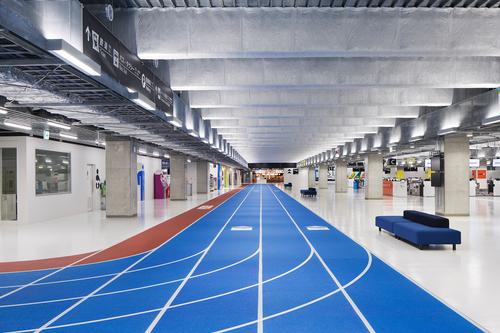
Rogers and the inquiry are calling for examples of how infrastructure can be used to ‘design for good behaviours'
Richard Rogers – the architect behind the Lloyd’s of London building and the Millennium Dome – has launched a parliamentary inquiry into how design in planning can affect behaviour change.
Rogers kicked off the eight-month-long Design Commission inquiry in the Houses of Parliament this week. The cross-party investigation aims to explore how the increased use of design in planning of the built environment could lead to positive behaviour change in local communities.
The inquiry comes in the same week that
newly-released research supported the long-held view that cities which strive to promote physical activity gain a significant economic advantage.
The All Party Parliamentary Design and Innovation Group (APDIG) is calling for examples of how infrastructure can be used to ‘design for good behaviours’ and is also seeking case studies where design-led planning policy has positively affected communities.
“The commission believes that in designing and constructing the environments in which people live and work, architects and planners are necessarily involved in influencing human behaviour,” said a statement released by Rogers.
“The commission argues there exists a long-standing thread of recognition that the way people live their lives is directly linked to the designed environments in which they live.
“While welcoming recent government use of nudge theory principles in policy-making decisions, the commission identifies a need to further develop and reinvigorate thinking in the field.”
The deadline to
submit evidence to the inquiry is 3 July. The inquiry’s final report is expected to produce a series of recommendations for new thinking in planning policy across local and central government.