2017 will be a critical year for sport in the UK, as the sport for social development movement gains momentum. Simon Lansley speaks to Chris Grant, the chief executive of Sported and recently appointed board member of Sport England, about the changes he hopes to see
By Simon Lansley | Published in Sports Management Jan Feb 2017 issue 129
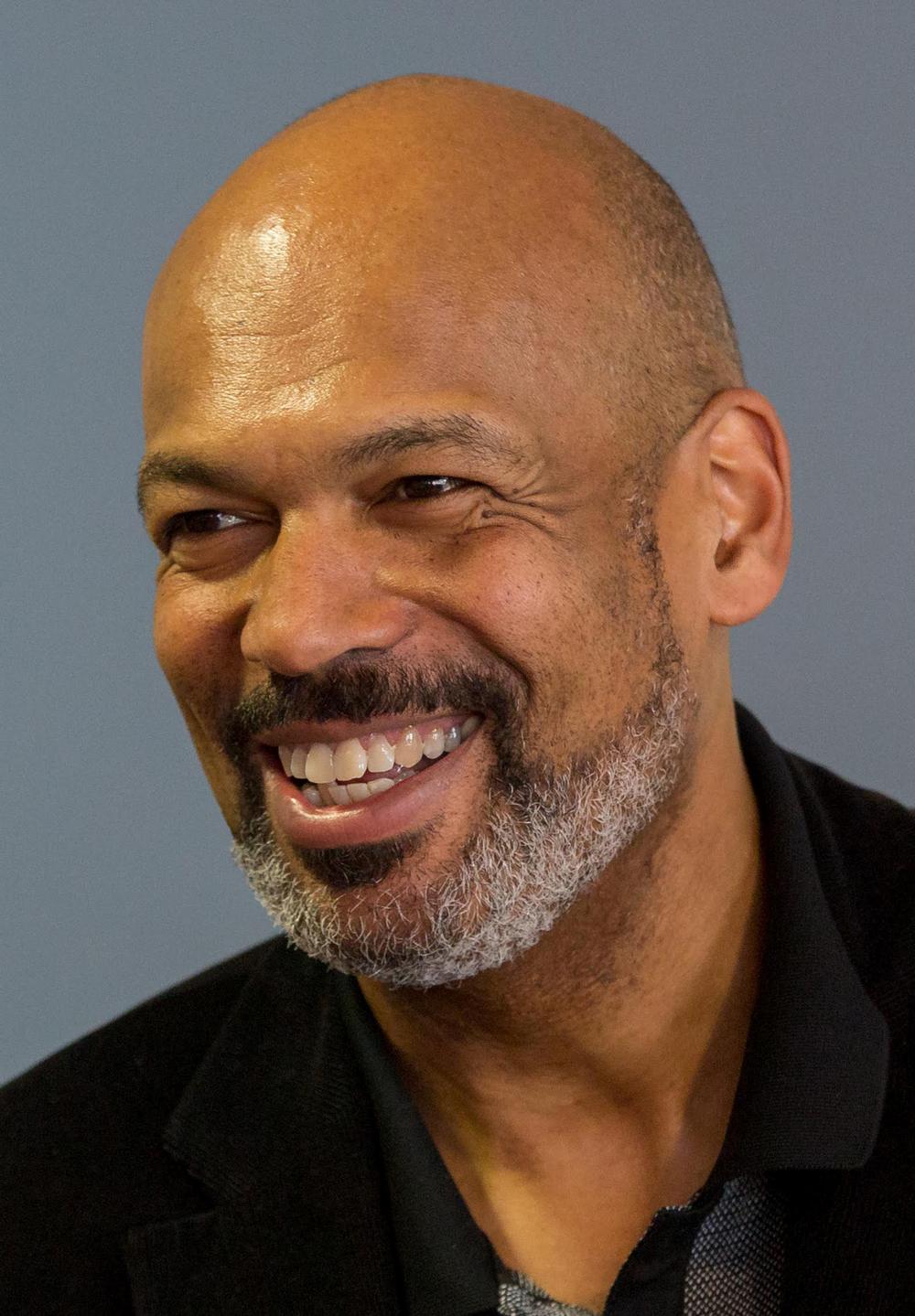
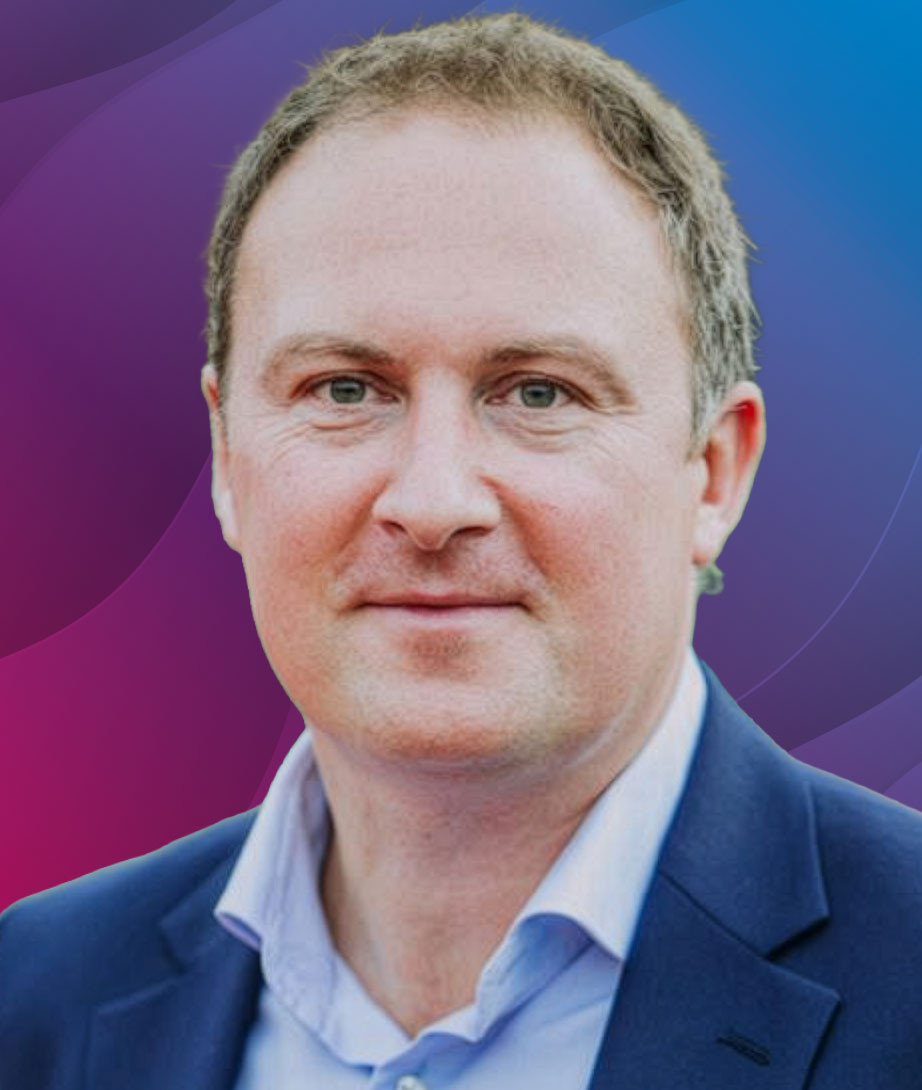
Chris Grant is the CEO of Sported and an enthusiastic proponent of the ‘sport for social development’ movement
One year ago, the government published its Sporting Future strategy, followed six months later by Sport England’s Towards an Active Nation. Now comes the acid test: the implementation of those strategies.
The Department of Culture, Media and Sport (DCMS) strategy hinges on five key outcomes: physical wellbeing, mental wellbeing, individual development, social and community development and economic development. From this year, any organisation applying for Sport England funding will be asked to become more accountable for their output. Specifically, they will be asked to prove that they are genuinely contributing to the outcomes prescribed by the government.
But can sport really cure society’s ills, especially in times of austerity and cutbacks? When policymakers talk about tackling inactivity, aren’t some of the issues inhibiting participation social, not sporting? Can the custodians of mass-market sport, from NGBs to CSPs, genuinely be expected to change the habits of a lifetime?
It looks as though they will have to if they want to preserve their funding streams. However, perhaps policymakers will also have to be patient, creative and supportive as different providers grapple with the demands of the government’s wish-list.
Time for a revolution Chris Grant has been in the vanguard of ‘sport for development’ since becoming CEO of Sported – the national charity that supports 3,000 community clubs – three years ago. He understands the challenges but is firm in his belief: the clock is ticking and has been for too long.
“I think it needs to be revolution, not evolution,” he says. “People have long been talking about 'timebombs' – around obesity, for example – but there has been solid evidence for a long time around how to change certain dynamics in health, education or whatever, and policy still hasn't applied that evidence.
“I wouldn’t argue with the current emphasis on everything being quantifiable, justifiable and defendable; but for me the most valuable part is that we improve, rather than just prove. It's vital that we help everyone – whether it's an NGB, the Premier League or a primary school – to do what they are doing better and stop doing anything that isn't making any difference.”
Grant would like to follow the example set in performance sport. “It's now part of their DNA to ask difficult questions of each other and share knowledge where it can contribute to broader success,” he says.
Grant has also played a leading role in the Sport for Development Coalition, a group of NGOs focused on making a similar cultural shift happen for sport and activity at a community level. Led by Comic Relief, Sported, StreetGames, Access Sport and Laureus, the Coalition created a ‘Shared Measurement Framework’, which will help to measure some of the more intangible benefits of sport and physical activity, such as confidence, motivation and resilience, as well as the broader societal impact and – ultimately – savings to the Exchequer.
Development of the Framework started more than two years ago following conversations with Sport England CEO Jennie Price and former Sports Minister Helen Grant. They wholeheartedly shared the Coalition’s belief in the power of sport to benefit society, but challenged the sector to develop a “common language” with which to build a new strategy.
“Then just as we were getting it developed, we heard that DCMS – now with Tracey Crouch as sports minister – was developing its new strategy, which included some ‘values’ around sport. So we arranged a couple of meetings with DCMS and made sure it was aligned with the Framework,” Grant explains.
“Some of the people involved in designing that then helped with the Sport England strategy, and made sure that everything dovetailed with the Framework.
“The Framework is deliberately designed so that anyone can situate themselves within it. They don't have to change their data capture or anything. We want people to use this Framework – say, if they’re going to talk to the Department of Work and Pensions, for example – to illuminate and validate what they’re saying.”
Striking a balance This approach potentially heralds a bright new era for sport as a positive force in society, putting it in stark contrast with some episodes endured in recent years.
Part of the appeal is the strategy’s “organisationally neutral” approach, which promises a level playing field to any organisation, be it an NGB, a housing association or local charity using sport to achieve social outcomes. The theory is that if they meet the criteria, they can win funding. In reality, Grant believes a balance between old and new will be required.
“The core market favours the NGBs – and I absolutely understand why we need to do that. However, we need to ensure that the right balance is struck between the old world of sport development, and the new world of sport for development.”
Bringing people together Once the mould is broken, Grant is hugely optimistic about what can be achieved in society through increased participation in sport and activity.
“We can do so much through sport. For large sections of the least engaged young people – for example those who are not in employment, education or training (NEET) or at risk of being NEET – sport captures and holds their attention like nothing else.
“I'm not saying it works for every young person, but so often young people are starved of good quality attention. By giving young people attention, you can work with them. Then when you keep giving them attention, they develop durability.”
In a society where ‘time poverty’ is increasing; attention spans are decreasing, and there are fewer and fewer opportunities for different social, economic or cultural groups to meet, Grant believes sport is one space where the nation still comes together.
“When we get our Sported clubs together, you’ll see the riding for the disabled club, the boxing club, the Parkour group and the tag rugby for Autistic kids group all enjoying each other’s company. They have so much to share and yet socially they are from very different backgrounds. There aren’t many places where people can meet any more, and that’s why we end up with such deeply polarised views, and the tendency to write each other off, rather than look for the potential in other people.
“But what we do have is this huge under-used asset called ‘sport’ and I think we have to be more ambitious about leveraging it. People who manage pots of investment will sometimes say ‘it’s not a magic bullet’, and it’s not – but I can't think of anything that’s closer to being one than sport. I believe it’s capable of doing a lot more.”
A stronger nation So what will success look like? “I think the tipping point will be when the Home Office, Department for Work and Pensions or other government departments are looking for solutions, they will routinely ask themselves ‘what’s the sport aspect of this’?
“Frankly I think we’re being under-ambitious about what sport can do in terms of social change. I’ve always been an optimist about this, but my optimism grew massively when the DCMS strategy was published. This is, undoubtedly, our chance to fully contribute to creating a happier, healthier, stronger nation.”
Vive la revolution!
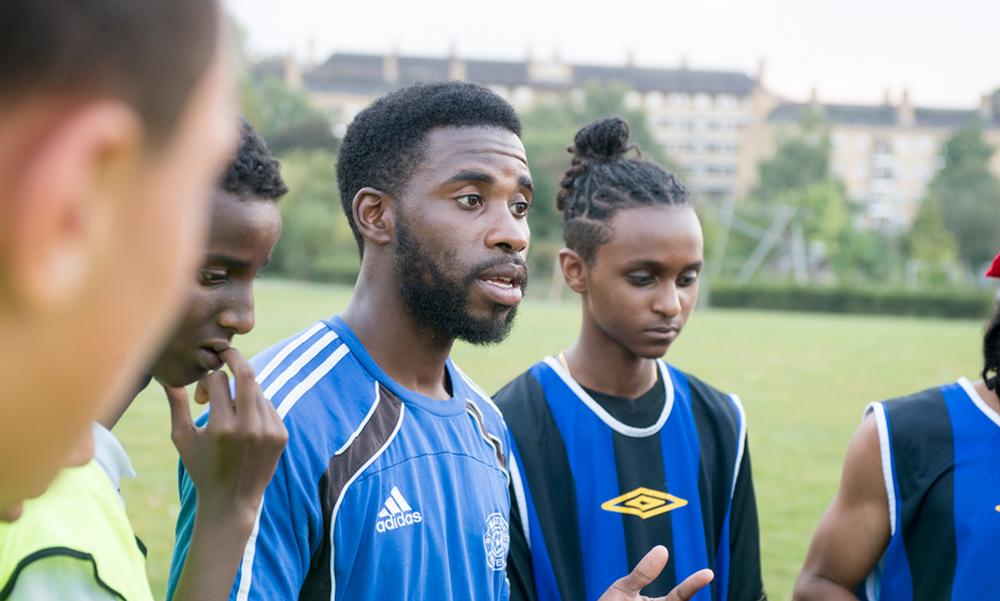
Sported supports 3,000 community groups that use sport to improve the lives of young people
The Sport for Development Coalition measures the benefits of community sport
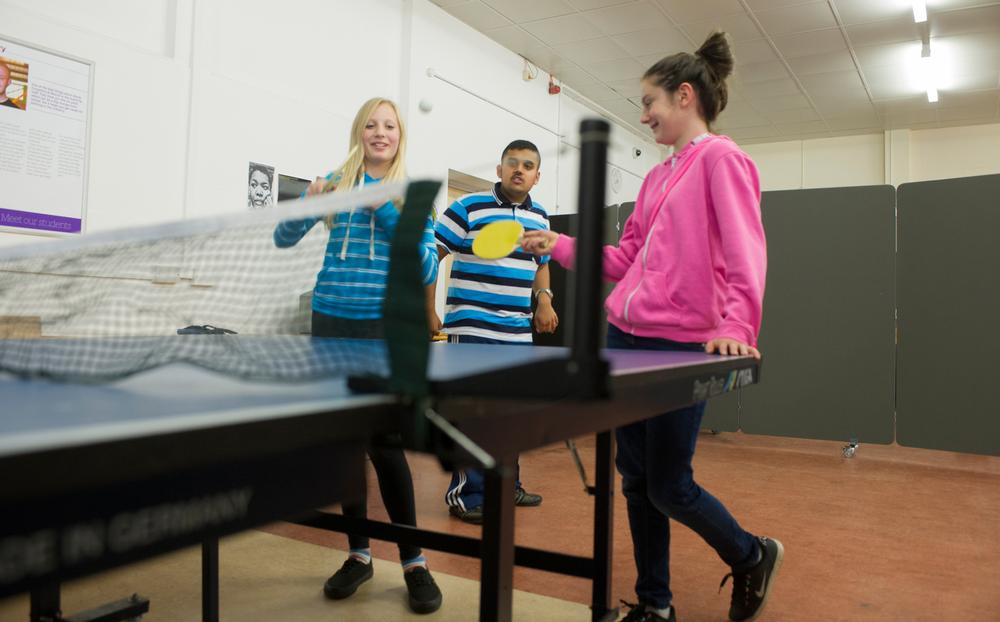
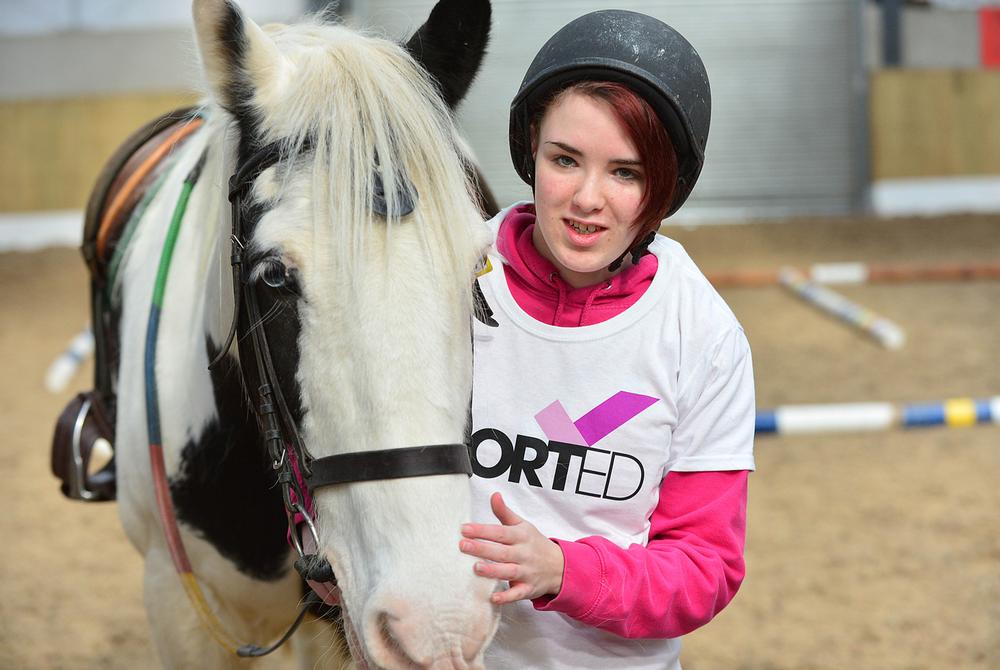
Riding for the Disabled in Coleraine, Northern Ireland is supported by Sported
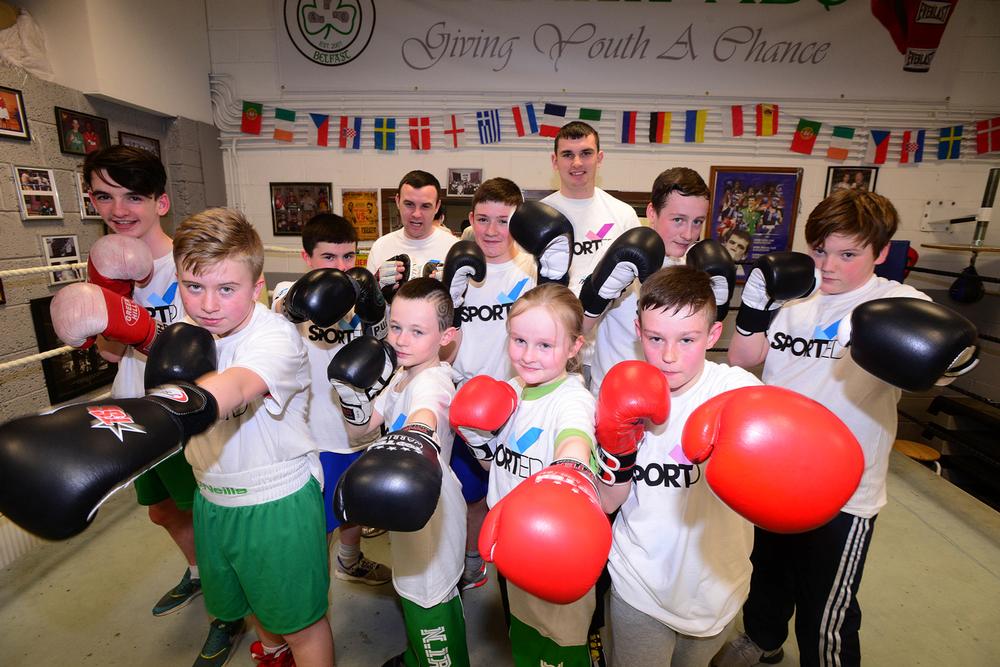
The kids at Gleann Amateur Boxing Club are learning important life skills
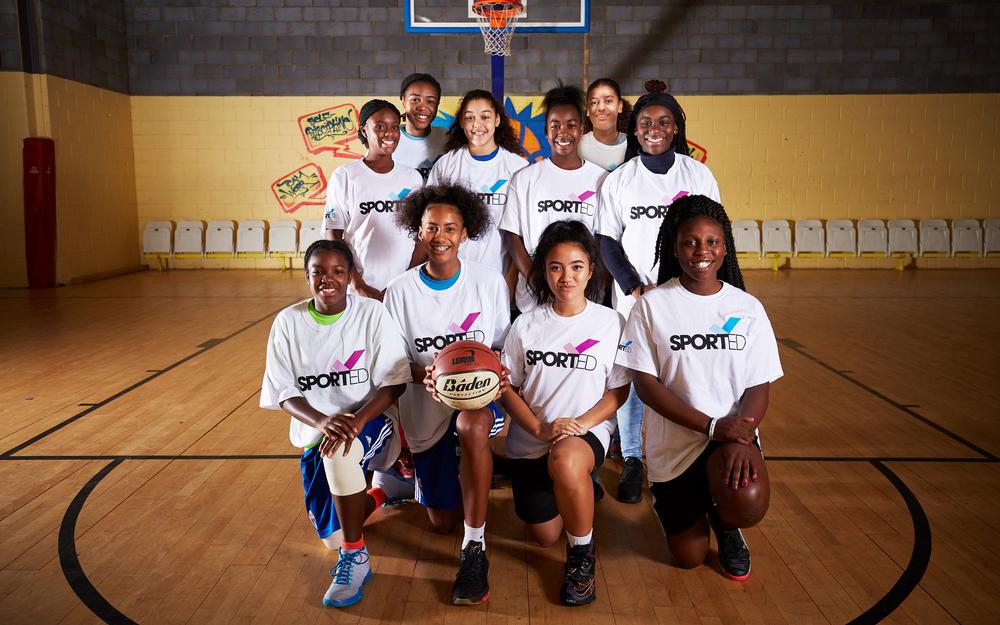
Sport teams, such as basketball, help young people build confidence and resilience
Celebrating its milestone 5th anniversary, W3Fit EMEA returns in 2026 with an unmissable
gathering of the Health & Fitness industry’s most influential leaders. [more...]
One of the biggest mistakes the fitness industry still makes is advertising almost
exclusively to people who already look and live like gym members. [more...]
+ More featured suppliers
COMPANY PROFILES
ukactive
ukactive is the UK’s leading trade body for the physical activity sector, bringing together more tha [more...]
Everyone Active
Everyone Active operates leisure centres in partnership with local councils across the UK. Today, Ev [more...]
2017 will be a critical year for sport in the UK, as the sport for social development movement gains momentum. Simon Lansley speaks to Chris Grant, the chief executive of Sported and recently appointed board member of Sport England, about the changes he hopes to see
By Simon Lansley | Published in Sports Management Jan Feb 2017 issue 129
Chris Grant is the CEO of Sported and an enthusiastic proponent of the ‘sport for social development’ movement
One year ago, the government published its Sporting Future strategy, followed six months later by Sport England’s Towards an Active Nation. Now comes the acid test: the implementation of those strategies.
The Department of Culture, Media and Sport (DCMS) strategy hinges on five key outcomes: physical wellbeing, mental wellbeing, individual development, social and community development and economic development. From this year, any organisation applying for Sport England funding will be asked to become more accountable for their output. Specifically, they will be asked to prove that they are genuinely contributing to the outcomes prescribed by the government.
But can sport really cure society’s ills, especially in times of austerity and cutbacks? When policymakers talk about tackling inactivity, aren’t some of the issues inhibiting participation social, not sporting? Can the custodians of mass-market sport, from NGBs to CSPs, genuinely be expected to change the habits of a lifetime?
It looks as though they will have to if they want to preserve their funding streams. However, perhaps policymakers will also have to be patient, creative and supportive as different providers grapple with the demands of the government’s wish-list.
Time for a revolution Chris Grant has been in the vanguard of ‘sport for development’ since becoming CEO of Sported – the national charity that supports 3,000 community clubs – three years ago. He understands the challenges but is firm in his belief: the clock is ticking and has been for too long.
“I think it needs to be revolution, not evolution,” he says. “People have long been talking about 'timebombs' – around obesity, for example – but there has been solid evidence for a long time around how to change certain dynamics in health, education or whatever, and policy still hasn't applied that evidence.
“I wouldn’t argue with the current emphasis on everything being quantifiable, justifiable and defendable; but for me the most valuable part is that we improve, rather than just prove. It's vital that we help everyone – whether it's an NGB, the Premier League or a primary school – to do what they are doing better and stop doing anything that isn't making any difference.”
Grant would like to follow the example set in performance sport. “It's now part of their DNA to ask difficult questions of each other and share knowledge where it can contribute to broader success,” he says.
Grant has also played a leading role in the Sport for Development Coalition, a group of NGOs focused on making a similar cultural shift happen for sport and activity at a community level. Led by Comic Relief, Sported, StreetGames, Access Sport and Laureus, the Coalition created a ‘Shared Measurement Framework’, which will help to measure some of the more intangible benefits of sport and physical activity, such as confidence, motivation and resilience, as well as the broader societal impact and – ultimately – savings to the Exchequer.
Development of the Framework started more than two years ago following conversations with Sport England CEO Jennie Price and former Sports Minister Helen Grant. They wholeheartedly shared the Coalition’s belief in the power of sport to benefit society, but challenged the sector to develop a “common language” with which to build a new strategy.
“Then just as we were getting it developed, we heard that DCMS – now with Tracey Crouch as sports minister – was developing its new strategy, which included some ‘values’ around sport. So we arranged a couple of meetings with DCMS and made sure it was aligned with the Framework,” Grant explains.
“Some of the people involved in designing that then helped with the Sport England strategy, and made sure that everything dovetailed with the Framework.
“The Framework is deliberately designed so that anyone can situate themselves within it. They don't have to change their data capture or anything. We want people to use this Framework – say, if they’re going to talk to the Department of Work and Pensions, for example – to illuminate and validate what they’re saying.”
Striking a balance This approach potentially heralds a bright new era for sport as a positive force in society, putting it in stark contrast with some episodes endured in recent years.
Part of the appeal is the strategy’s “organisationally neutral” approach, which promises a level playing field to any organisation, be it an NGB, a housing association or local charity using sport to achieve social outcomes. The theory is that if they meet the criteria, they can win funding. In reality, Grant believes a balance between old and new will be required.
“The core market favours the NGBs – and I absolutely understand why we need to do that. However, we need to ensure that the right balance is struck between the old world of sport development, and the new world of sport for development.”
Bringing people together Once the mould is broken, Grant is hugely optimistic about what can be achieved in society through increased participation in sport and activity.
“We can do so much through sport. For large sections of the least engaged young people – for example those who are not in employment, education or training (NEET) or at risk of being NEET – sport captures and holds their attention like nothing else.
“I'm not saying it works for every young person, but so often young people are starved of good quality attention. By giving young people attention, you can work with them. Then when you keep giving them attention, they develop durability.”
In a society where ‘time poverty’ is increasing; attention spans are decreasing, and there are fewer and fewer opportunities for different social, economic or cultural groups to meet, Grant believes sport is one space where the nation still comes together.
“When we get our Sported clubs together, you’ll see the riding for the disabled club, the boxing club, the Parkour group and the tag rugby for Autistic kids group all enjoying each other’s company. They have so much to share and yet socially they are from very different backgrounds. There aren’t many places where people can meet any more, and that’s why we end up with such deeply polarised views, and the tendency to write each other off, rather than look for the potential in other people.
“But what we do have is this huge under-used asset called ‘sport’ and I think we have to be more ambitious about leveraging it. People who manage pots of investment will sometimes say ‘it’s not a magic bullet’, and it’s not – but I can't think of anything that’s closer to being one than sport. I believe it’s capable of doing a lot more.”
A stronger nation So what will success look like? “I think the tipping point will be when the Home Office, Department for Work and Pensions or other government departments are looking for solutions, they will routinely ask themselves ‘what’s the sport aspect of this’?
“Frankly I think we’re being under-ambitious about what sport can do in terms of social change. I’ve always been an optimist about this, but my optimism grew massively when the DCMS strategy was published. This is, undoubtedly, our chance to fully contribute to creating a happier, healthier, stronger nation.”
Vive la revolution!
Sported supports 3,000 community groups that use sport to improve the lives of young people
The Sport for Development Coalition measures the benefits of community sport
Riding for the Disabled in Coleraine, Northern Ireland is supported by Sported
The kids at Gleann Amateur Boxing Club are learning important life skills
Sport teams, such as basketball, help young people build confidence and resilience
Global luxury hospitality brand, Six Senses, has partnered with longevity healthcare provider,
HUM2N, to launch a clinic at Six Senses London, at The Whiteley.
Premium London health club, KX Chelsea, will imminently unveil its most significant
redevelopment since its launch in 2002 to create an integrated wellness model combining
training, recovery and relaxation.
Researchers in the US have identified an antibody which could greatly reduce the loss of lean
muscle mass in people who are taking weight-loss medications.
Crunch Fitness has announced the launch of Crunch Reform Pilates – its own reformer concept
designed to bring this fast growing, but rather expensive, modality into the mainstream.
The 20th State of the Industry Report reveals a resilient, expanding and competitive
sector, the
importance of differentiation and the ongoing challenge of tackling inequalities.
Nuffield Health has told HCM that it takes its responsibilities towards its colleagues seriously
and is committed to meeting all legal obligations after news of a tribunal has made national
headlines.
Technogym has announced the launch of the Run X World Treadmill Championship, the first
world championship for running on connected treadmills over five kilometres.
Celebrating its milestone 5th anniversary, W3Fit EMEA returns in 2026 with an unmissable
gathering of the Health & Fitness industry’s most influential leaders. [more...]
One of the biggest mistakes the fitness industry still makes is advertising almost
exclusively to people who already look and live like gym members. [more...]
+ More featured suppliers
COMPANY PROFILES
ukactive ukactive is the UK’s leading trade body for the physical activity sector, bringing together more tha [more...]