Specialist boutique offerings are emerging strongly in Spain
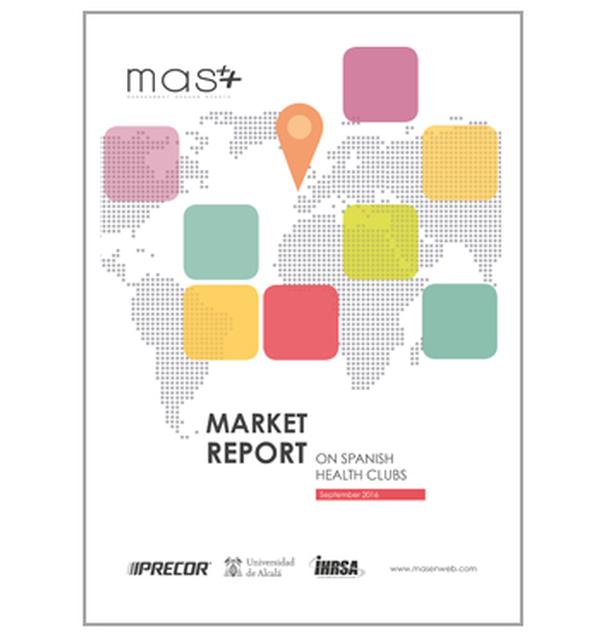
Published in September 2016 by Management Around Sports, in conjunction with the University of Alcalá de Madrid, The Market Report on Spanish Health Clubs is the most comprehensive survey and overview of the Spanish health club market available.
The new report – based on a survey of Spanish clubs completed in early to mid-2016, looking back on data for 2015 – contains information and analysis on the total number of health clubs in Spain, membership structures, pricing information, facility size, amenities offered, health club consumer demographics and much more.
Key findings According to the comprehensive report, Spain is home to 4,350 health clubs, with an average size of 3,859sq m including outdoor activity space. On average, each club has 3,037 members with an average age of 36.5 years.
Spanish health club members are slightly more likely to be female (50.6 per cent) than male (49.4 per cent), with an average monthly cancellation rate of health club membership coming in at 6.7 per cent.
The average monthly membership fee of health clubs in 2015 was €35.10 (plus VAT), while the average monthly income was valued at €42.15 per member including secondary spend (plus VAT) – a 10.4 per cent and 11.6 per cent increase respectively.
The results show that in 2015, health and fitness clubs in Spain increased their revenue from monthly membership fees to €1,186,813, up by 3.8 per cent compared to the revenues in 2014. Total income per health club has grown by 3 per cent from 2014 to €1,405,112 in 2015.
In 2015 the average EBIT per club was €181,346 – a 6.18 per cent increase from 2014. The amortisation ratio, plus financing (leasing and rentals) over the total income, was 16.1 per cent in 2015. This is similar to 2014, when the figure was 15.5 per cent.
In 2015, Spanish health clubs spent, on average, 37.7 per cent of income on personnel salaries, 9.9 per cent on supplies, 3.5 per cent on marketing and promotions, and 1.3 per cent on education and training.
Evolving market “The fitness and health club industry in Spain is undergoing a very interesting evolution,” says Maria Ángeles de Santiago, CEO of Management Around Sports. “There are business models that are strongly consolidating in the market and others that are emerging as totally innovative.”
So which business models are emerging strongly in Spain? “A number of sectors are currently experiencing growth,” she says. “Each of these has a specific competitive advantage.
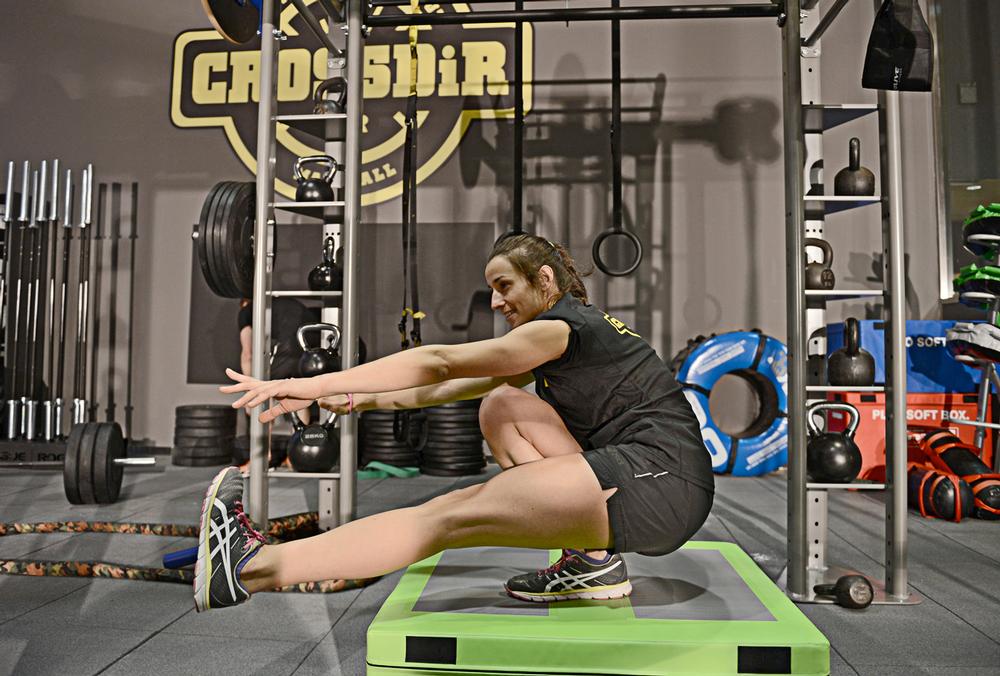
“These include specialist clubs or boutiques: small facilities where members pay per visit. The greatest advantage is the unique experience they provide the user/member. They address specific objectives and the activity is in a group setting.
“Another growth sector is the personal training studio: facilities that offer one-to-one activities or small group training, with a strong focus on the members' results.
“Finally, neighbourhood gyms that are open longer hours – even 24/7 – with a slightly smaller footprint than the typical low-cost gym, and a small number of staff.”
Obtain the report The full 91-page report is available as a PDF download at www.ihrsa.org/research-reports – priced at US$69.95 for IHRSA members, or US$139.95 for non-members.
It will also be available on-site at IHRSA 2017 (ihrsa.org/convention), which takes place on 8–11 March in Los Angeles, California, US.
For any questions regarding the report, please contact [email protected]
The report’s English language version was funded by IHRSA.
IHRSA Spanish Report
About IHRSA
Founded in 1981, IHRSA – the International Health, Racquet & Sportsclub Association – is the only global trade association, representing more than 10,000 health and fitness facilities and suppliers worldwide. Locate an IHRSA club at www.healthclubs.com
To learn how IHRSA can help your business thrive, visit www.ihrsa.org
In Spain, 50.6 per cent of all members are female
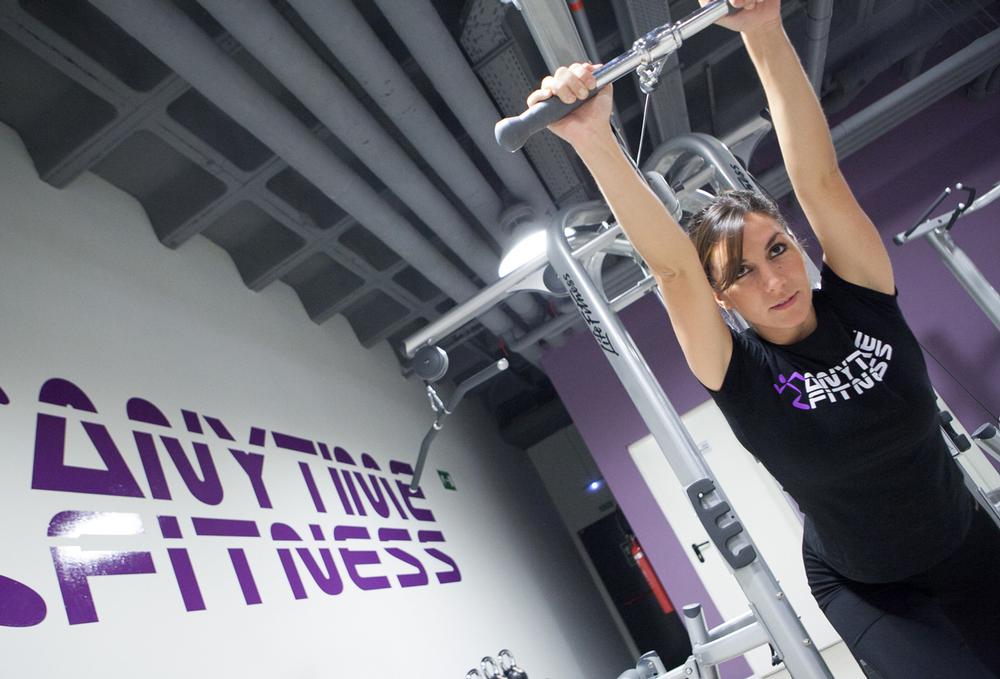
Smaller local gym chains such as Anytime Fitness are seeing growth
Panatta brought together four of the most influential figures in bodybuilding history on the
stage of RiminiWellness 2026: Phil Heath, Lee Haney, Ronnie Coleman and Hany Rambod. [more...]
Active Blackpool is deploying Cornerstone Connect, a new digital interface allowing
disparate information from multiple systems to be aggregated into one dataset, to support
its focus on reducing health inequalities and improving healthy life expectancy. [more...]
+ More featured suppliers
COMPANY PROFILES
ukactive
ukactive is the UK’s leading trade body for the physical activity sector, bringing together more tha [more...]
IndigoFitness
At IndigoFitness, we create intelligent training spaces that elevate fitness facilities across indus [more...]
Specialist boutique offerings are emerging strongly in Spain
Published in September 2016 by Management Around Sports, in conjunction with the University of Alcalá de Madrid, The Market Report on Spanish Health Clubs is the most comprehensive survey and overview of the Spanish health club market available.
The new report – based on a survey of Spanish clubs completed in early to mid-2016, looking back on data for 2015 – contains information and analysis on the total number of health clubs in Spain, membership structures, pricing information, facility size, amenities offered, health club consumer demographics and much more.
Key findings According to the comprehensive report, Spain is home to 4,350 health clubs, with an average size of 3,859sq m including outdoor activity space. On average, each club has 3,037 members with an average age of 36.5 years.
Spanish health club members are slightly more likely to be female (50.6 per cent) than male (49.4 per cent), with an average monthly cancellation rate of health club membership coming in at 6.7 per cent.
The average monthly membership fee of health clubs in 2015 was €35.10 (plus VAT), while the average monthly income was valued at €42.15 per member including secondary spend (plus VAT) – a 10.4 per cent and 11.6 per cent increase respectively.
The results show that in 2015, health and fitness clubs in Spain increased their revenue from monthly membership fees to €1,186,813, up by 3.8 per cent compared to the revenues in 2014. Total income per health club has grown by 3 per cent from 2014 to €1,405,112 in 2015.
In 2015 the average EBIT per club was €181,346 – a 6.18 per cent increase from 2014. The amortisation ratio, plus financing (leasing and rentals) over the total income, was 16.1 per cent in 2015. This is similar to 2014, when the figure was 15.5 per cent.
In 2015, Spanish health clubs spent, on average, 37.7 per cent of income on personnel salaries, 9.9 per cent on supplies, 3.5 per cent on marketing and promotions, and 1.3 per cent on education and training.
Evolving market “The fitness and health club industry in Spain is undergoing a very interesting evolution,” says Maria Ángeles de Santiago, CEO of Management Around Sports. “There are business models that are strongly consolidating in the market and others that are emerging as totally innovative.”
So which business models are emerging strongly in Spain? “A number of sectors are currently experiencing growth,” she says. “Each of these has a specific competitive advantage.
“These include specialist clubs or boutiques: small facilities where members pay per visit. The greatest advantage is the unique experience they provide the user/member. They address specific objectives and the activity is in a group setting.
“Another growth sector is the personal training studio: facilities that offer one-to-one activities or small group training, with a strong focus on the members' results.
“Finally, neighbourhood gyms that are open longer hours – even 24/7 – with a slightly smaller footprint than the typical low-cost gym, and a small number of staff.”
Obtain the report The full 91-page report is available as a PDF download at www.ihrsa.org/research-reports – priced at US$69.95 for IHRSA members, or US$139.95 for non-members.
It will also be available on-site at IHRSA 2017 (ihrsa.org/convention), which takes place on 8–11 March in Los Angeles, California, US.
For any questions regarding the report, please contact [email protected]
The report’s English language version was funded by IHRSA.
IHRSA Spanish Report
About IHRSA
Founded in 1981, IHRSA – the International Health, Racquet & Sportsclub Association – is the only global trade association, representing more than 10,000 health and fitness facilities and suppliers worldwide. Locate an IHRSA club at www.healthclubs.com
To learn how IHRSA can help your business thrive, visit www.ihrsa.org
In Spain, 50.6 per cent of all members are female
Smaller local gym chains such as Anytime Fitness are seeing growth
According to research which tracked more than 147,000 people for 30 years, 90-120 minutes
of strength training a week may deliver some of the biggest long-term health rewards.
The UK's four Chief Medical Officers have published a refreshed edition of Physical activity
guidelines: UK Chief Medical Officers' report, updating the evidence that underpins the nation's
physical activity recommendations and placing greater emphasis on strength, balance, reducing
sedentary behaviour and, for the first time, supporting people taking weight loss medications.
Places Leisure has exchanged contracts to build and operate a flagship £60m water and leisure
destination on behalf of Basingstoke and Deane Borough Council.
The Republic of Ireland will become the latest market in PureGym’s expanding international
portfolio, with the first launch planned for Dublin in 2027.
Anytime Fitness opened more than one club a day in 2025 and is on track to maintain this rate
of growth this year, as parent company Purpose Brands targets further international expansion.
The £33.9 million Leighton Leisure and Community Centre has opened in Leighton Buzzard, UK,
creating a next-generation public leisure, health and wellbeing hub for the local community.
Walnuts Leisure Centre in Orpington, in the London Borough of Bromley, has reopened following
a £17m transformation designed to secure the long-term future of the public leisure asset and
reposition it as a community wellbeing hub.
The Gym Group, has announced that it's sustained positive trading momentum has continued
through the first half of 2026 and the company remains confident about the outlook.
Panatta brought together four of the most influential figures in bodybuilding history on the
stage of RiminiWellness 2026: Phil Heath, Lee Haney, Ronnie Coleman and Hany Rambod. [more...]
Active Blackpool is deploying Cornerstone Connect, a new digital interface allowing
disparate information from multiple systems to be aggregated into one dataset, to support
its focus on reducing health inequalities and improving healthy life expectancy. [more...]
+ More featured suppliers
COMPANY PROFILES
ukactive ukactive is the UK’s leading trade body for the physical activity sector, bringing together more tha [more...]