NEWS
 |
| Obesity perceptions can influence a person's sense of smell: study |
|
| POSTED 23 Mar 2015 . BY Helen Andrews |
|
|
|
|
|
|
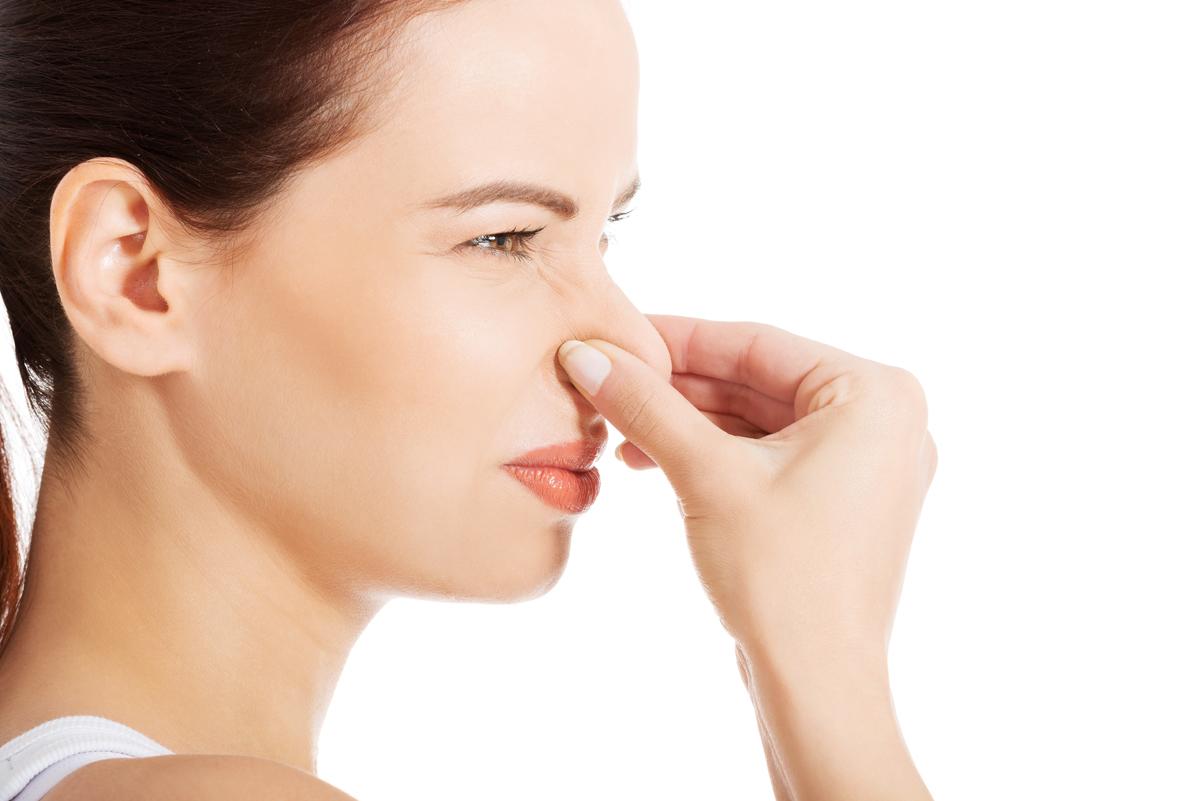
The extent of negative bias toward overweight and obese people may be greater than previously thought Credit: Shutterstock / Piotr Marcinski
|
|
|
|
|
Looking at images associated with overweight or obese people can influence a person’s sense of smell, according to a study. The more negatively someone feels towards the obese image, the worse he or she will tend to rate a particular scent.
Published in the International Journal of Obesity, the authors – researchers from the University of California, Los Angeles (UCLA) – believe the data suggests the extent of negative bias toward overweight and obese people may be greater than previously thought.
In two related studies, participants were shown one of two sets of images. Both sets contained photographs of different people, half of which were visibly overweight or obese. The other half were normal weight or thin. There was also a series of ‘distractor’ objects shown to the participants, according to PsychCentral.
With each visual image, a researcher placed a scent sample – all of which were actually fragrance free – under the participants’ noses. After inhaling they were asked to rate each scent on a scale from one to 11.
The results show that when overweight or obese people were on the screen, participants gave worse ratings to the samples, while photos of average-sized or thin people tended to trigger higher ratings.
“This is the first step in proving that the consequences of weight stigma could be very widespread in ways that we don’t even know,” said Dr A Janet Tomiyama, an assistant professor of psychology at UCLA. “There are no checks and balances on weight stigma in the way you would see with racism, sexism, or homophobia.”
Angelina Incollingo-Rodriguez, a UCLA doctoral student – and co-author of the study with Dr Andrew Ward from Swarthmore College – said: “We wanted to see if looking at something you find unappealing or unpleasant could influence how you evaluate a smell that has nothing to do with weight. [The data] shows that something is happening implicitly, and we may have tapped into a new methodology for assessing people.”
Incollingo-Rodriguez said weight bias affects peoples’ lives in many different situations, adding: “It also undermines people’s motivation to diet and exercise. If anything, stigma is a barrier to these lifestyle changes that people commonly use to lose weight.”
|
|
|
|
|
|
|
|
|
|
|
|
Experimental drug increases metabolic rate: study
POSTED 09 Mar 2015. BY Helen Andrews
An experimental drug has been found to speed up metabolism and burn off fat cells,
according to a study conducted on hundreds of mice by the Houston Methodist Research
Institute, US.
|
|
|
|
Obese people's brains have fewer ‘pleasure receptors’: study
POSTED 06 Mar 2015. BY Helen Andrews
People with obesity have a significantly lower number of neurotransmitters dedicated to
generating pleasurable sensations than people of a normal weight, according to a study,
which could explain why they have difficulty restraining their eating.
|
|
| Les Mills launches reformer Pilates |
|
| Les Mills has launched a reformer Pilates workout. The 45-minute workout blends traditional
reformer movements and more contemporary exercises, choreographed to music. |
|
|
|
|
|
|