NEWS
 |
| Ennead chosen for Shanghai Planetarium development |
|
| POSTED 05 Mar 2015 . BY Tom Anstey |
|
|
|
|
|
|
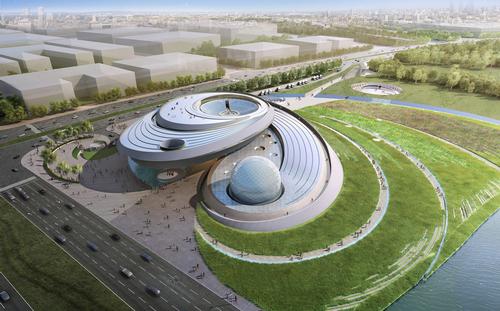
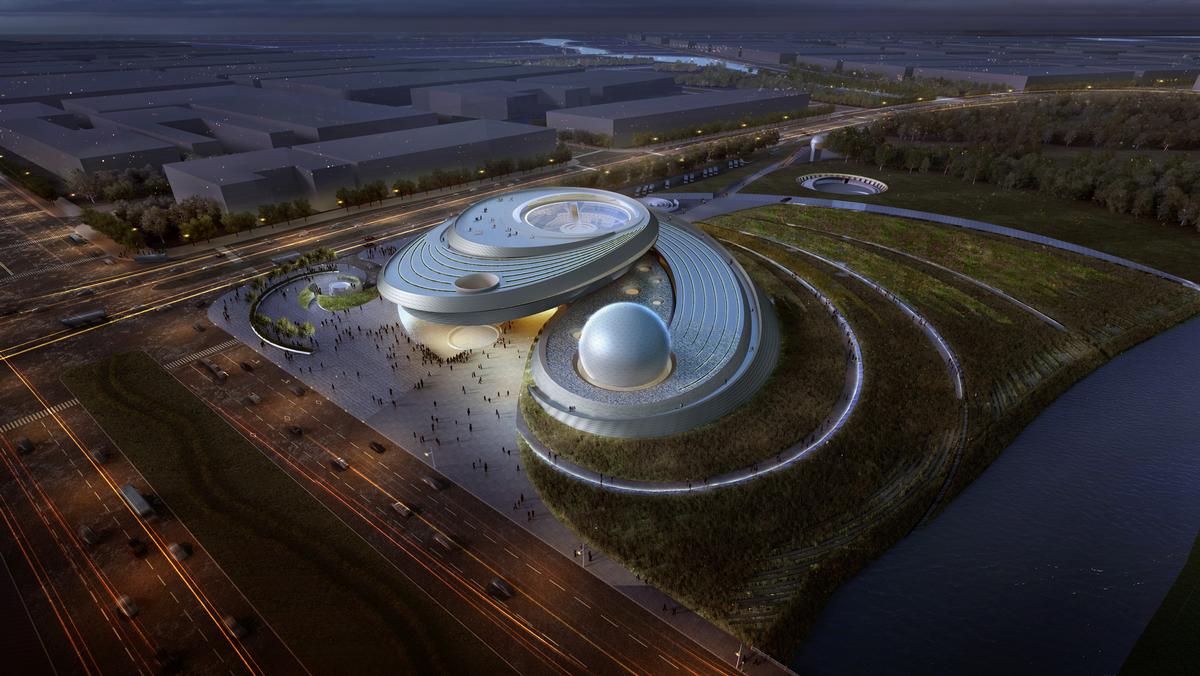
An oculus, inverted dome and sphere comprise the central body of the architecture Credit: Ennead Architects
|
|
|
|
|
Ennead Architects has revealed futuristic plans for the new Shanghai Planetarium after the New York-based design firm won an international contest for its commission.
The 38,000sq m (409,000sq ft) development – a part of the Shanghai Science and Technology Museum – has been designed to celebrate the continuum of time and space. According to Ennead, the plans mirror both the rich history of Chinese astronomy and the future ambitions of China’s space exploration programme. In linking the new Museum to both scientific purpose and to the celestial references of buildings throughout history, the exhibits and architecture will “communicate what it means to be human in a vast and largely unknown universe”, according to Ennead partner and design principal, Thomas Wong.
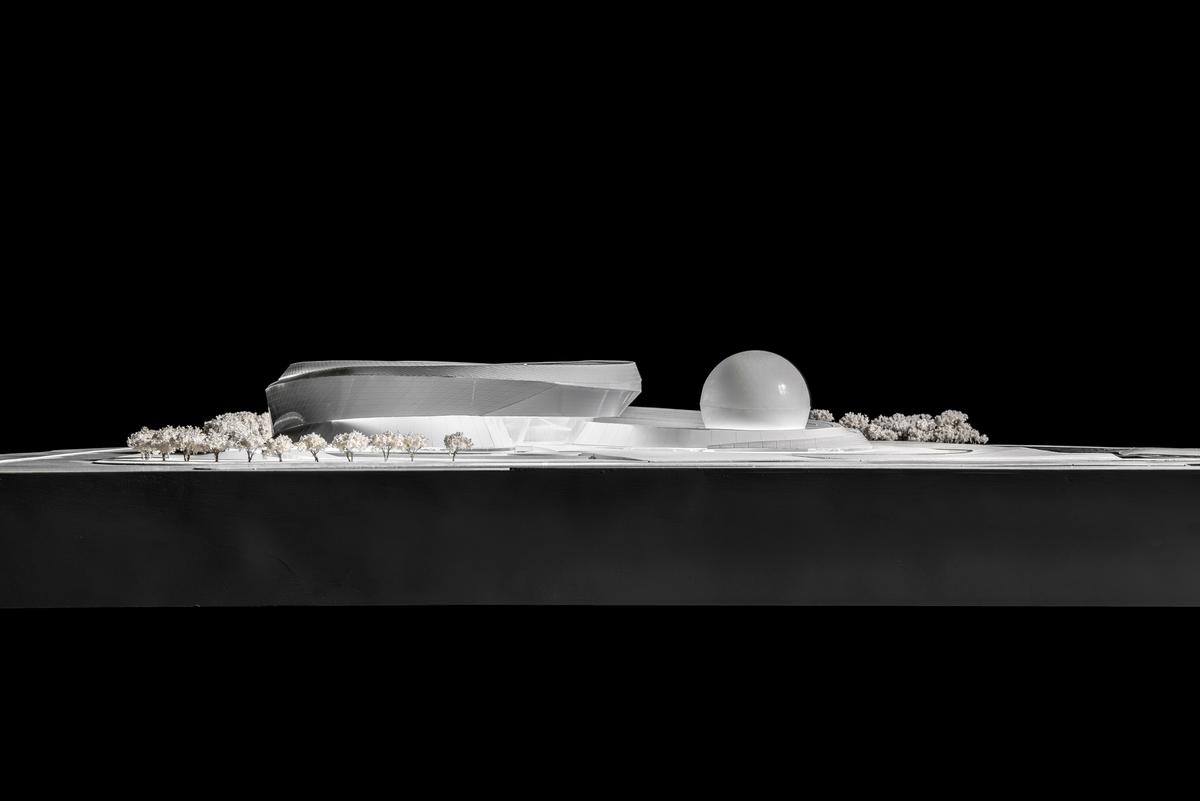
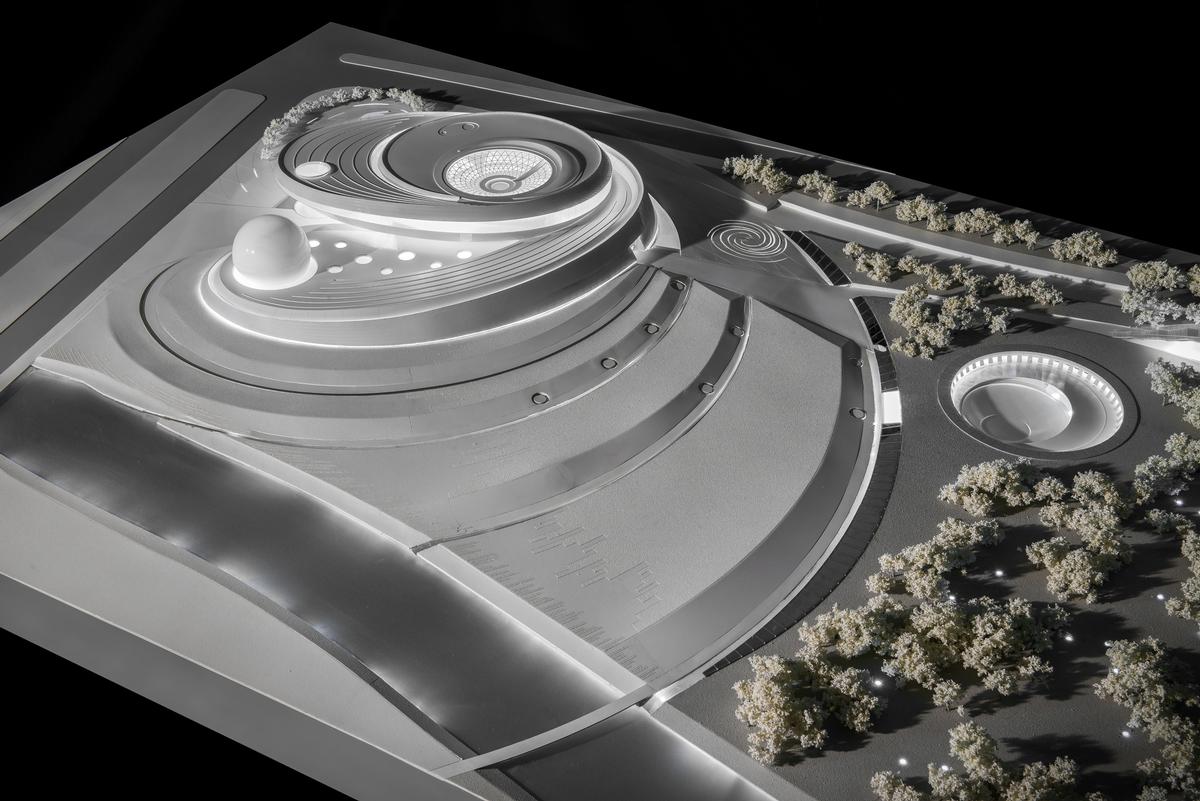
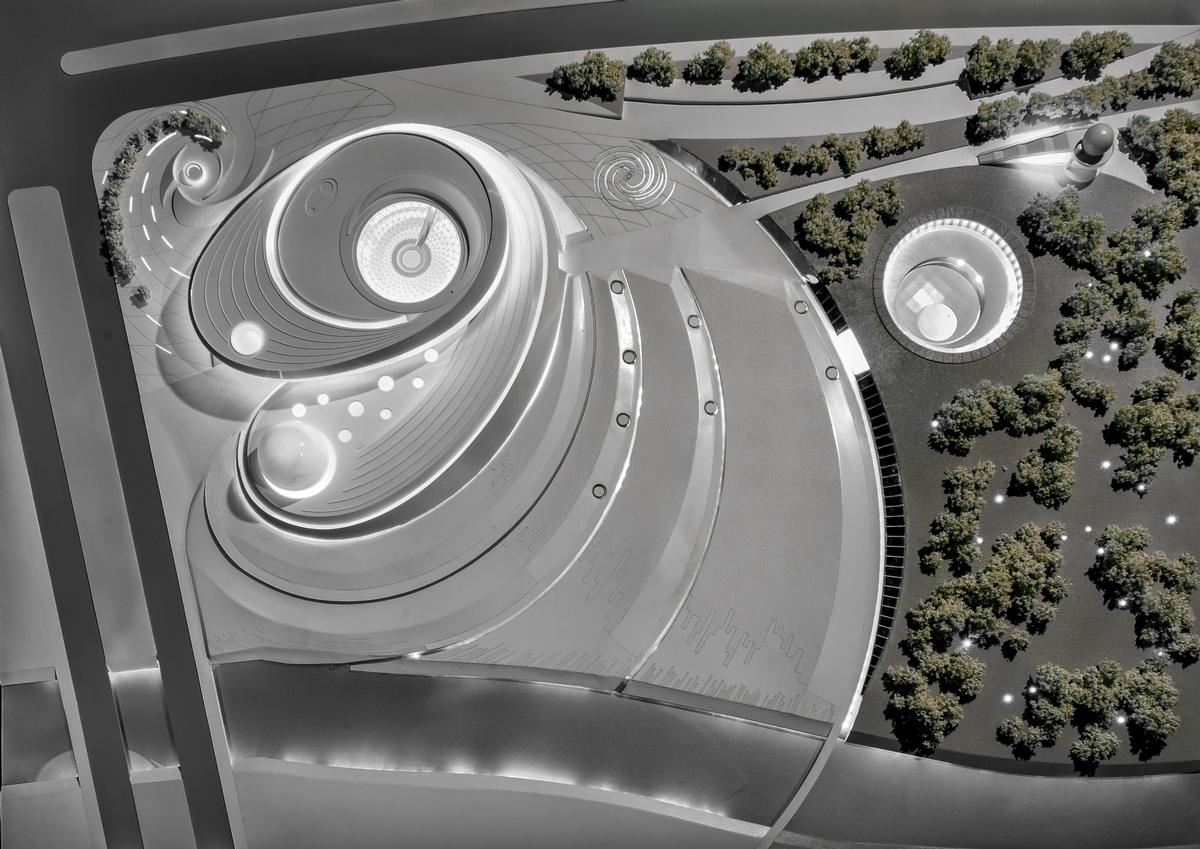
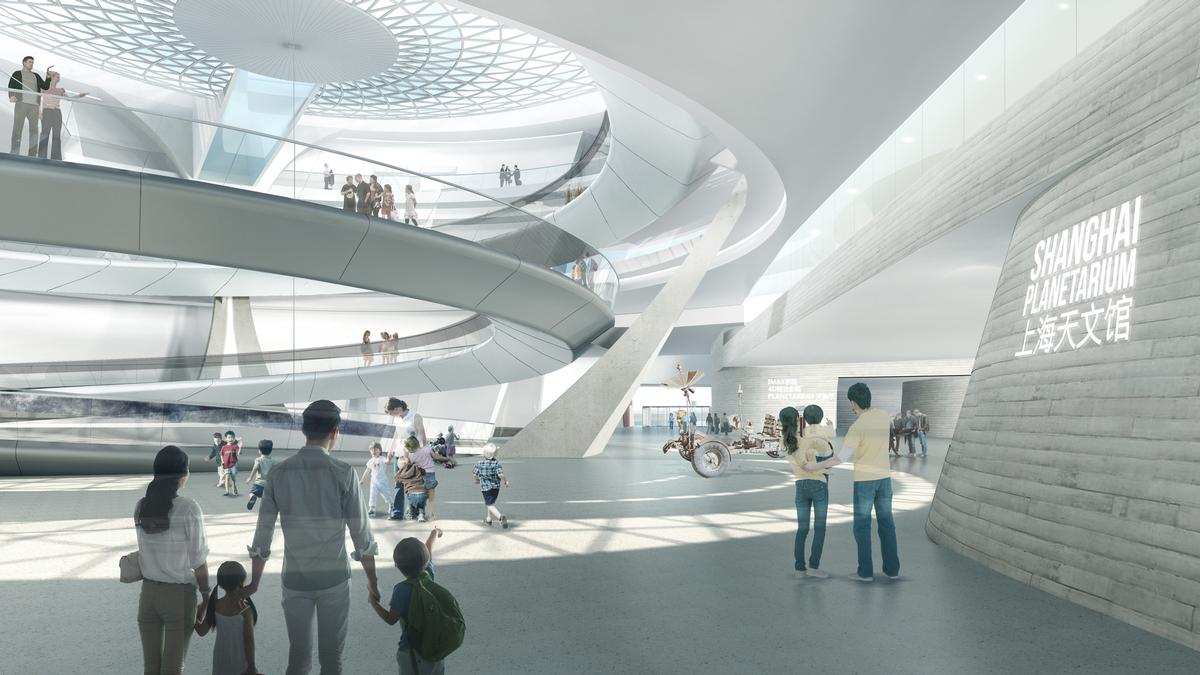
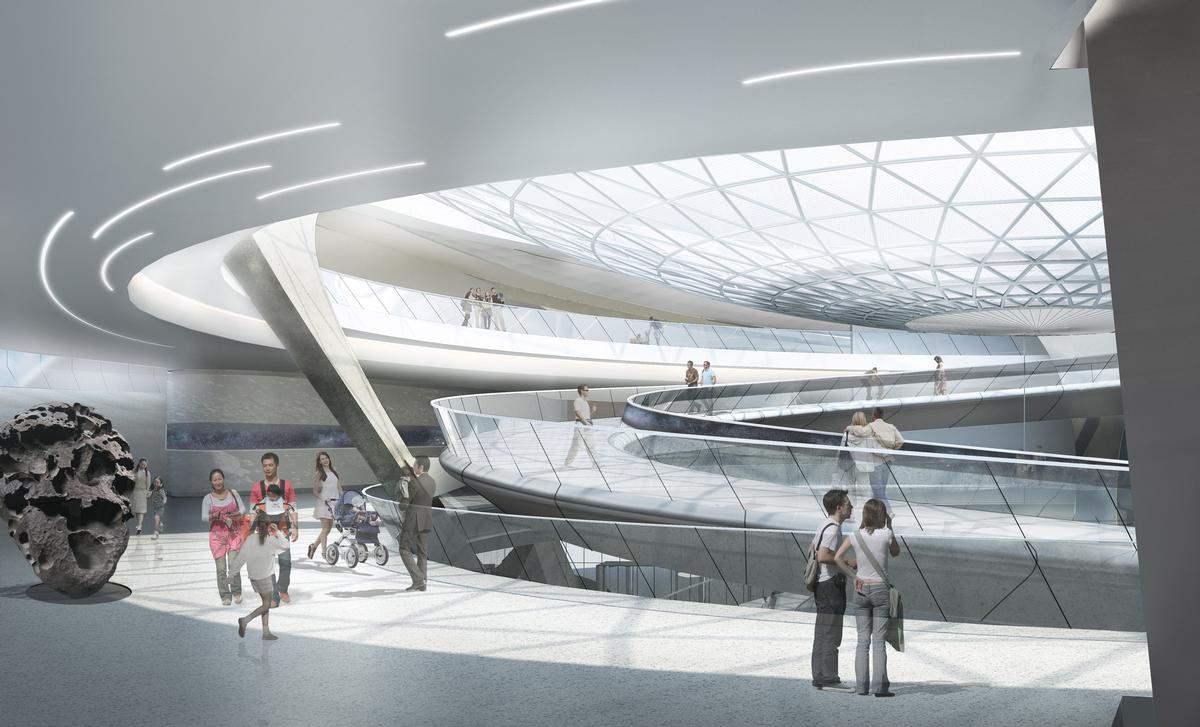
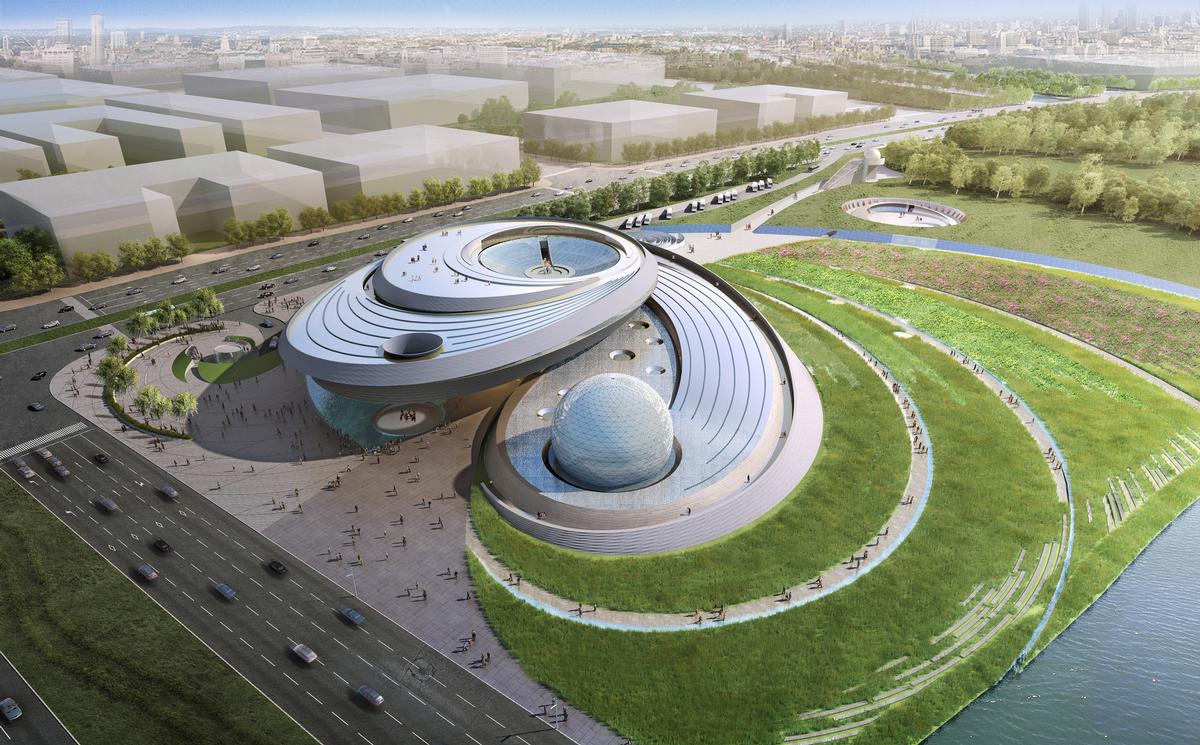
The firm’s design strategy has been based on orbital motion. An oculus, inverted dome and sphere comprise the central body of the architecture, with the building form, programme and circulation incorporating orbital movement, supporting the flow of visitors through the galleries and the three central bodies.
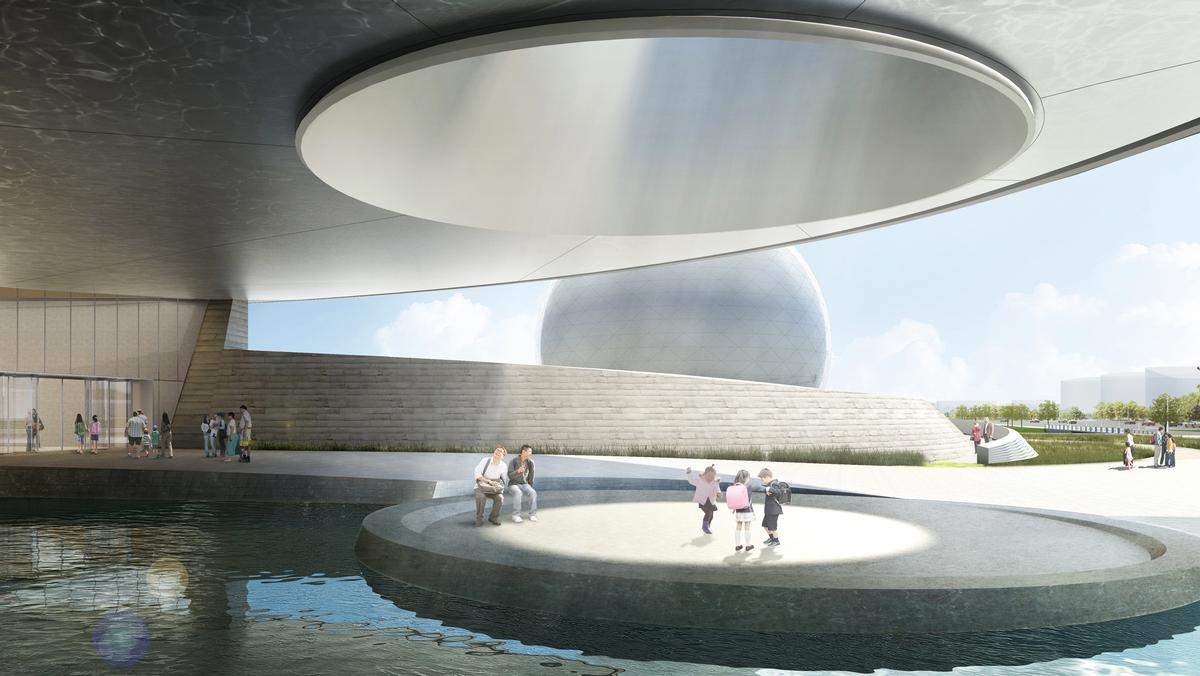
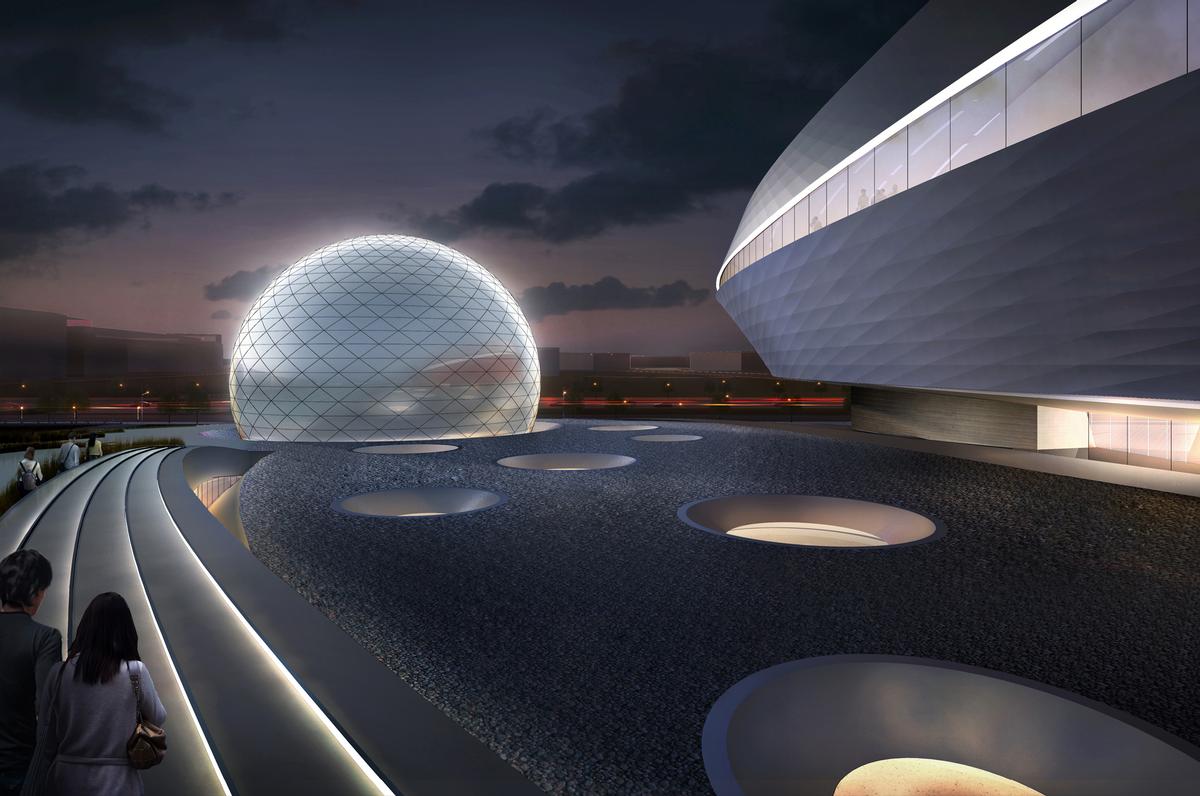
The oculus has been designed so visitors can track a circle of sunlight on the ground across the entry plaza and its reflecting pool. The inverted dome will offer guests a spatial experience focusing on the uninterrupted sky dome. The sphere on the outside of the building contains the planetarium theatre and acts an important icon and reference point to visitors within the museum; something Ennead described as “integral to the planetarium’s identity”.
Also included in the development will be an expansive ‘green zone’, as well as gardens incorporating an exterior exhibitory with a 24m (79ft) -high solar telescope, youth observation camp and observatory. Speaking to AM2, a representative for the planetarium said that at this stage, development costs are being kept confidential and the expected completion date will be some time in 2018.
|
|
|
|
| Credit: Ennead Architects |
|
|
|
|
|
| Credit: Ennead Architects |
|
|
|
|
|
| Credit: Ennead Architects |
|
|
|
|
|
| Credit: Ennead Architects |
|
|
|
|
|
| Credit: Ennead Architects |
|
|
|
|
|
| The oculus has been designed so visitors can track a circle of sunlight on the ground across the entry plaza and its reflecting pool Credit: Ennead Architects |
|
|
|
|
|
| The sphere will house a planetarium theatre Credit: Ennead Architects |
|
|
|
|
|
| Credit: Ennead Architects |
|
|
|
|
|
|
|
|
|
|
PROJECT PROFILE:
Shanghai Planetarium
Ennead Architects has revealed futuristic plans for the new Shanghai Planetarium after the New York-based design firm won an international contest for its commission. The firm’s design strategy has been based on orbital motion. An oculus, inverted dome and sphere comprise the central body of the architecture, with the building form, programme and circulation incorporating orbital movement, supporting the flow of visitors through the galleries and the three central bodies.
Location: Shanghai , China
Size: 38,000sq m
|
|
|
|
|
|
Work to start on US$19m California planetarium development
POSTED 26 Feb 2015. BY Tom Anstey
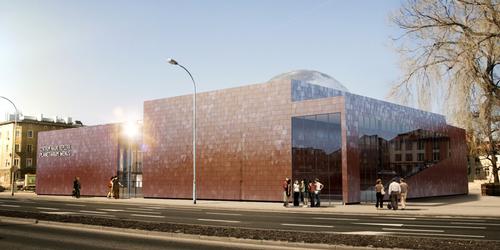
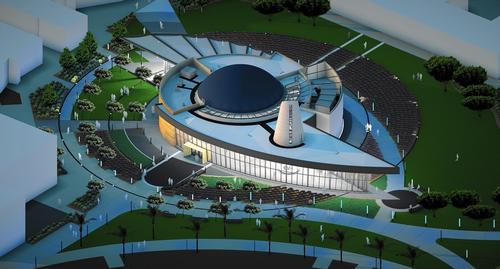
Orange Coast College in Costa Mesa, California, will start work this year on a US$19m
(€16.8m, £12.3m) planetarium development as part of a larger seven-year US$965m
(€854m, £625.2m) renovation to its district campuses.
|
|
|
|
Work to start on US$19m California planetarium development
POSTED 26 Feb 2015. BY Tom Anstey
Orange Coast College in Costa Mesa, California, will start work this year on a US$19m
(€16.8m, £12.3m) planetarium development as part of a larger seven-year US$965m
(€854m, £625.2m) renovation to its district campuses.
|
|
|
|
Virtual planetarium launched on Oculus Rift
POSTED 09 Feb 2015. BY Tom Anstey
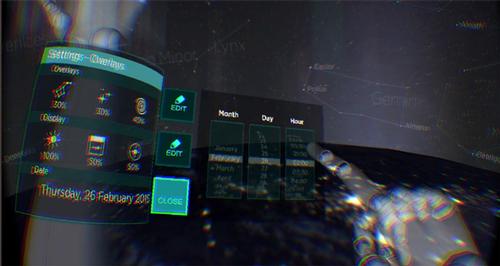
US-based company Leap Motion has unveiled a new program using the Oculus Rift
technology combined with its own hand-tracking sensors that allows users to explore a
virtual planetarium.
|
|
|
|
|
|
 |
|
|


 |
|
| DIARY |
15-18 Jun 2026
HLTH Europe
RAI Convention Centre,
Amsterdam,
Netherlands
|
|
|
|
|
|