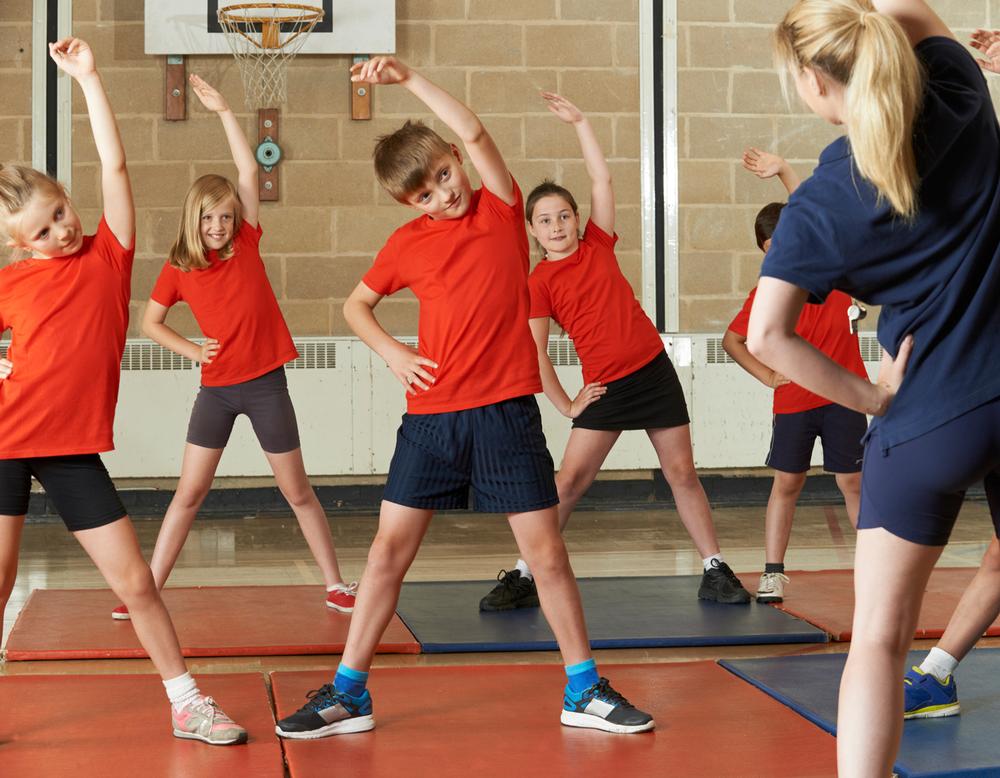
Clark says PE should be personalised, with pupils striving for individual goals
The publication of the sixth report on physical education by the All Party Parliamentary Group on a Fit and Healthy Childhood (APPGFHC) a few months after the Rio Olympics and Paralympics is timely.
Team GB is an outstanding sporting force, but the nation is in the grip of an obesity crisis that starts at birth, becomes entrenched during school and triggers diseases such as type two diabetes and cardiovascular disease in adulthood.
The neglected subject How can this state of affairs co-exist with Olympic glory? We examined the state of physical education in schools, early years settings and the community. A sugary drinks tax is one anti-obesity weapon. But physical education must join good nutrition, play and sport to create a healthy and productive society.
We all had our own personal horror stories about school PE: ‘skill drill’ lessons, humiliating body shaming and the fact that disabled children and those who disliked team games often skipped lessons and ended up pursuing sedentary lifestyles as adults.
The school physical education curriculum has remained largely unchanged since the 1940s and nobody at government level has collated or cascaded examples of excellence that the school community could learn from.
Also, PE is a ‘foundation’ rather than a ‘core’ National Curriculum subject and is often out-sourced to ‘coaches’ without teaching qualifications. Lessons are allocated little time and cancelled in favour of more pressing concerns.
Time for change In response to these concerns, the APPGFHC has identified its top priorities for a 21st century PE experience that works. These are:
• A National PE Task Force to overhaul the PE curriculum.
• Personalised PE teaching – pupils striving for personal, rather than collective, goals.
• For PE to have core status in the National Curriculum.
• For PE to be taught by specialists and for PE content to be increased in teacher training and ongoing professional development.
• A PE syllabus that is properly inclusive for disabled children.
• For PE advice and training to begin from birth, with a strong presence in early years settings.
Making a start Physical education must lead the drive for a ‘whole child’ approach to physical activity in the cause of health and wellbeing. We don’t have all the answers, but for too long nobody has asked the questions. The APPGFHC’s report does that. We honour our elite athletes. But the rest of us should ensure we stay healthy too.
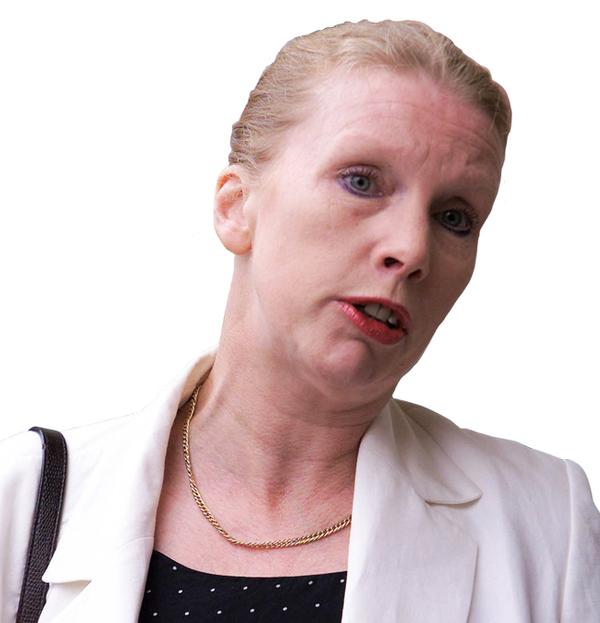
Helen Clark is an associate director for Royal Public Affairs, a public affairs consultancy that advises on a range of policy matters.
Elevate is set to celebrate its 10th anniversary in style this June, with organisers
confirming the event’s largest-ever drinks reception as registrations continue to run more
than 10% ahead of last year. [more...]
Celebrating its milestone 5th anniversary, W3Fit EMEA returns in 2026 with an unmissable
gathering of the Health & Fitness industry’s most influential leaders. [more...]
+ More featured suppliers
COMPANY PROFILES
Precor
Precor promises precision-quality products with steadfast reliability that are inspired by exerciser [more...]
Alliance Leisure
Alliance Leisure Services was specifically
established to respond to the changing
development need [more...]
Clark says PE should be personalised, with pupils striving for individual goals
The publication of the sixth report on physical education by the All Party Parliamentary Group on a Fit and Healthy Childhood (APPGFHC) a few months after the Rio Olympics and Paralympics is timely.
Team GB is an outstanding sporting force, but the nation is in the grip of an obesity crisis that starts at birth, becomes entrenched during school and triggers diseases such as type two diabetes and cardiovascular disease in adulthood.
The neglected subject How can this state of affairs co-exist with Olympic glory? We examined the state of physical education in schools, early years settings and the community. A sugary drinks tax is one anti-obesity weapon. But physical education must join good nutrition, play and sport to create a healthy and productive society.
We all had our own personal horror stories about school PE: ‘skill drill’ lessons, humiliating body shaming and the fact that disabled children and those who disliked team games often skipped lessons and ended up pursuing sedentary lifestyles as adults.
The school physical education curriculum has remained largely unchanged since the 1940s and nobody at government level has collated or cascaded examples of excellence that the school community could learn from.
Also, PE is a ‘foundation’ rather than a ‘core’ National Curriculum subject and is often out-sourced to ‘coaches’ without teaching qualifications. Lessons are allocated little time and cancelled in favour of more pressing concerns.
Time for change In response to these concerns, the APPGFHC has identified its top priorities for a 21st century PE experience that works. These are:
• A National PE Task Force to overhaul the PE curriculum.
• Personalised PE teaching – pupils striving for personal, rather than collective, goals.
• For PE to have core status in the National Curriculum.
• For PE to be taught by specialists and for PE content to be increased in teacher training and ongoing professional development.
• A PE syllabus that is properly inclusive for disabled children.
• For PE advice and training to begin from birth, with a strong presence in early years settings.
Making a start Physical education must lead the drive for a ‘whole child’ approach to physical activity in the cause of health and wellbeing. We don’t have all the answers, but for too long nobody has asked the questions. The APPGFHC’s report does that. We honour our elite athletes. But the rest of us should ensure we stay healthy too.
Helen Clark is an associate director for Royal Public Affairs, a public affairs consultancy that advises on a range of policy matters.
Global luxury hospitality brand, Six Senses, has partnered with longevity healthcare provider,
HUM2N, to launch a clinic at Six Senses London, at The Whiteley.
Premium London health club, KX Chelsea, will imminently unveil its most significant
redevelopment since its launch in 2002 to create an integrated wellness model combining
training, recovery and relaxation.
Researchers in the US have identified an antibody which could greatly reduce the loss of lean
muscle mass in people who are taking weight-loss medications.
Crunch Fitness has announced the launch of Crunch Reform Pilates – its own reformer concept
designed to bring this fast growing, but rather expensive, modality into the mainstream.
The 20th State of the Industry Report reveals a resilient, expanding and competitive
sector, the
importance of differentiation and the ongoing challenge of tackling inequalities.
Nuffield Health has told HCM that it takes its responsibilities towards its colleagues seriously
and is committed to meeting all legal obligations after news of a tribunal has made national
headlines.
Technogym has announced the launch of the Run X World Treadmill Championship, the first
world championship for running on connected treadmills over five kilometres.
Elevate is set to celebrate its 10th anniversary in style this June, with organisers
confirming the event’s largest-ever drinks reception as registrations continue to run more
than 10% ahead of last year. [more...]
Celebrating its milestone 5th anniversary, W3Fit EMEA returns in 2026 with an unmissable
gathering of the Health & Fitness industry’s most influential leaders. [more...]
+ More featured suppliers
COMPANY PROFILES
Precor Precor promises precision-quality products with steadfast reliability that are inspired by exerciser [more...]