New research shows that a holiday can boost wellbeing genes – and that benefits are even greater when wellness programmes are added to the mix. Katie Barnes reports
By Katie Barnes | Published in Health Club Management 2016 issue 11
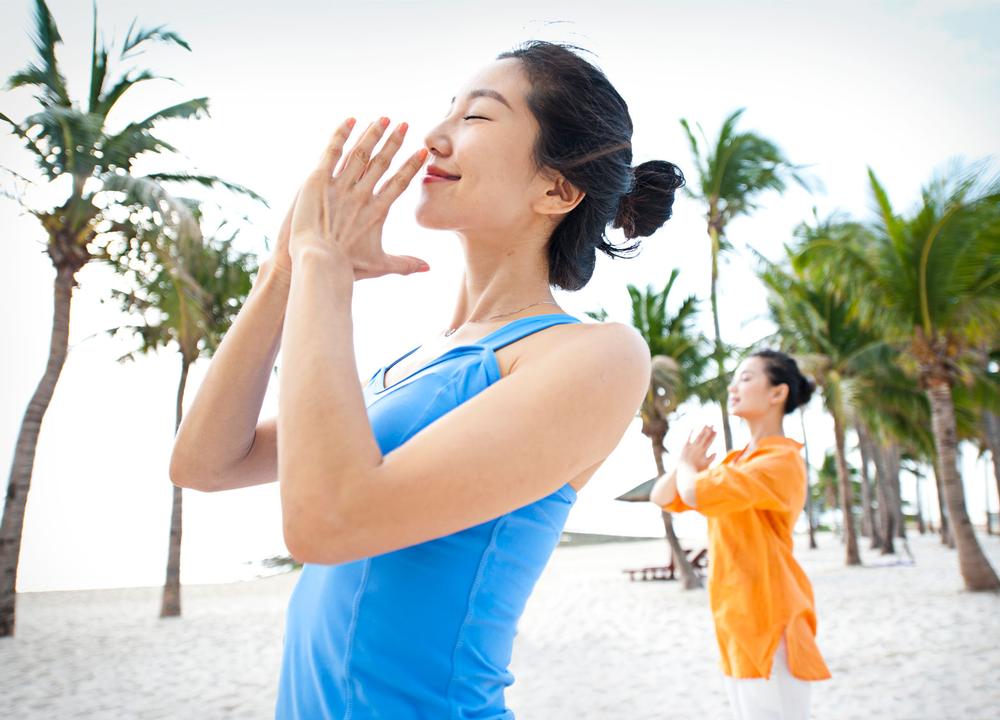
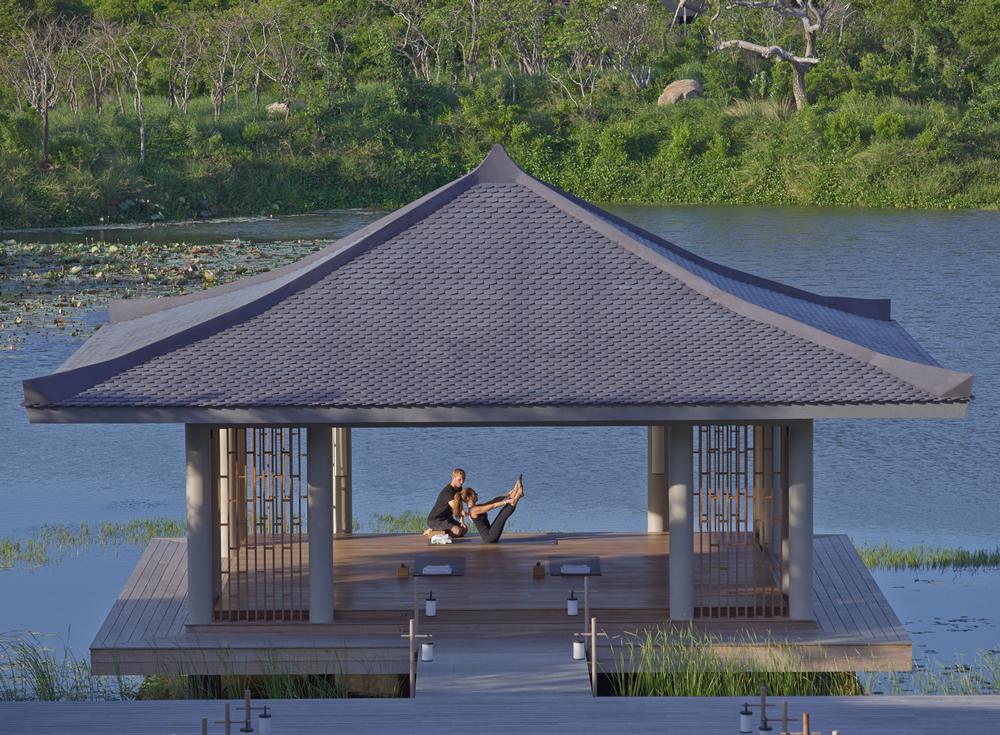
The wellness vacation study included training in meditation and yoga
While it’s known that having a holiday can help us switch off mentally, the physical benefits of getting away from it all aren’t so well documented. A study released this August*, however, has found that a vacation of just six days sets off genetic changes which can reduce stress, boost the immune system and decrease symptoms of depression and dementia.
What’s more, trips that include wellness programmes such as meditation, yoga and self-reflection increase our wellbeing even more – and the effects last for up to one month.
“It’s intuitive that taking a vacation reduces biological processes related to stress,” says the study’s first author, Dr Elissa Epel of the University of California, San Francisco (UCSF). “However, it was still impressive to see the large changes in gene expression as a result of being away from the busy pace of life, in a relaxing environment, in such a short period of time.”
Chopra retreat The study – conducted by scientists from the Icahn School of Medicine at Mount Sinai UCSF and Harvard Medical School, and published in Translational Psychiatry in August – involved 94 healthy women aged between 30 and 60 years.
Half of the participants were selected at random to join a meditation retreat at the Chopra Centre for Wellbeing in California for six days, while the other half simply holidayed there. The programme included training in mantra meditation, yoga and self-reflection exercises.
Sixty-four women in the study were new to meditation, while 30 others regularly practised the discipline. For greater insight into the long-term effects of what scientists dubbed the ‘meditation effect’ compared to the ‘vacation effect’, the team also observed a group of 30 experienced meditators who were enrolled on the Chopra programme that week.
The researchers collected blood samples for genetic analysis and self-reported surveys on wellbeing before and directly after the holiday, as well as a month and 10 months later.
Gene activity The results from the study show that all groups – novice meditators, experienced meditators and vacationers – had significant changes in molecular patterns after a week at the resort. The most notable changes in gene activity were related to stress response and immune function.
However, the wellbeing surveys showed that novice meditators had fewer symptoms of depression and less stress for far longer than those who were just on holiday. They reported significantly more positive effects in both the one-month and 10-month follow up data.
More research is needed to determine whether similar effects can occur at home compared to a resort setting.
Expert insight Epel – a professor of psychiatry at UCSF, and an expert on the subject of telomeres and cellular ageing – says the effects on mental health lasted longer in the group trained in meditation because “it leaves you with more than a residue of peace and calm”. Meditation enables people to observe their thoughts without getting sucked into them, she adds.
However, Epel also believes the benefits aren’t restricted just to meditation. She explains: “There are many other activities – mainly mind-body ones – that can produce this enhanced state and leave people with a new practice or daily discipline.”
The findings of the study, which was part-funded by The Chopra Foundation, align neatly with the growing body of evidence which shows that genes can be altered by healthy lifestyle changes.
In an exclusive interview with HCM’s sister magazine Spa Business last year, alternative health guru Dr Deepak Chopra said: “Even though we all have genetic dispositions, it’s now known that biological ageing is influenced by lifestyle habits and daily activities such as exercise, diet, meditation, stress management and quality of sleep.
“By making conscious choices and focused awareness, we choose to have a joyful energetic body, a restful alert mind and lightness of being.”
*Epel, ES and Schadt EE et al. Meditation and vacation effects have an impact on disease-associated molecular phenotypes.
Translational Psychiatry. 30 August 2016
"It was impressive to see the large changes in gene expression as a result of being away from the busy pace of life" - Dr Elissa Epel
It appears that all kinds of wellness vacations can positively affect a person’s gene activity
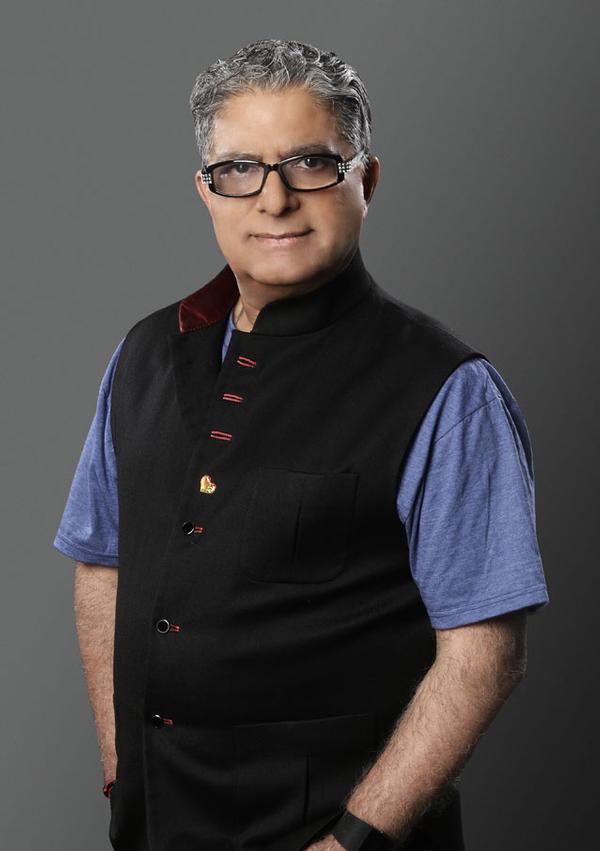
"Biological ageing is influenced by lifestyle habits and daily activities such as exercise, diet
and meditation" - Dr Deepak Chopra / PHOTO: Victor Rodriquez
Active Blackpool is deploying Cornerstone Connect, a new digital interface allowing
disparate information from multiple systems to be aggregated into one dataset, to support
its focus on reducing health inequalities and improving healthy life expectancy. [more...]
Panatta brought together four of the most influential figures in bodybuilding history on the
stage of RiminiWellness 2026: Phil Heath, Lee Haney, Ronnie Coleman and Hany Rambod. [more...]
+ More featured suppliers
COMPANY PROFILES
Serco Leisure
Serco Leisure Operating Limited is one of the UK’s leading national operators of leisure centres, de [more...]
IndigoFitness
At IndigoFitness, we create intelligent training spaces that elevate fitness facilities across indus [more...]
New research shows that a holiday can boost wellbeing genes – and that benefits are even greater when wellness programmes are added to the mix. Katie Barnes reports
By Katie Barnes | Published in Health Club Management 2016 issue 11
The wellness vacation study included training in meditation and yoga
While it’s known that having a holiday can help us switch off mentally, the physical benefits of getting away from it all aren’t so well documented. A study released this August*, however, has found that a vacation of just six days sets off genetic changes which can reduce stress, boost the immune system and decrease symptoms of depression and dementia.
What’s more, trips that include wellness programmes such as meditation, yoga and self-reflection increase our wellbeing even more – and the effects last for up to one month.
“It’s intuitive that taking a vacation reduces biological processes related to stress,” says the study’s first author, Dr Elissa Epel of the University of California, San Francisco (UCSF). “However, it was still impressive to see the large changes in gene expression as a result of being away from the busy pace of life, in a relaxing environment, in such a short period of time.”
Chopra retreat The study – conducted by scientists from the Icahn School of Medicine at Mount Sinai UCSF and Harvard Medical School, and published in Translational Psychiatry in August – involved 94 healthy women aged between 30 and 60 years.
Half of the participants were selected at random to join a meditation retreat at the Chopra Centre for Wellbeing in California for six days, while the other half simply holidayed there. The programme included training in mantra meditation, yoga and self-reflection exercises.
Sixty-four women in the study were new to meditation, while 30 others regularly practised the discipline. For greater insight into the long-term effects of what scientists dubbed the ‘meditation effect’ compared to the ‘vacation effect’, the team also observed a group of 30 experienced meditators who were enrolled on the Chopra programme that week.
The researchers collected blood samples for genetic analysis and self-reported surveys on wellbeing before and directly after the holiday, as well as a month and 10 months later.
Gene activity The results from the study show that all groups – novice meditators, experienced meditators and vacationers – had significant changes in molecular patterns after a week at the resort. The most notable changes in gene activity were related to stress response and immune function.
However, the wellbeing surveys showed that novice meditators had fewer symptoms of depression and less stress for far longer than those who were just on holiday. They reported significantly more positive effects in both the one-month and 10-month follow up data.
More research is needed to determine whether similar effects can occur at home compared to a resort setting.
Expert insight Epel – a professor of psychiatry at UCSF, and an expert on the subject of telomeres and cellular ageing – says the effects on mental health lasted longer in the group trained in meditation because “it leaves you with more than a residue of peace and calm”. Meditation enables people to observe their thoughts without getting sucked into them, she adds.
However, Epel also believes the benefits aren’t restricted just to meditation. She explains: “There are many other activities – mainly mind-body ones – that can produce this enhanced state and leave people with a new practice or daily discipline.”
The findings of the study, which was part-funded by The Chopra Foundation, align neatly with the growing body of evidence which shows that genes can be altered by healthy lifestyle changes.
In an exclusive interview with HCM’s sister magazine Spa Business last year, alternative health guru Dr Deepak Chopra said: “Even though we all have genetic dispositions, it’s now known that biological ageing is influenced by lifestyle habits and daily activities such as exercise, diet, meditation, stress management and quality of sleep.
“By making conscious choices and focused awareness, we choose to have a joyful energetic body, a restful alert mind and lightness of being.”
*Epel, ES and Schadt EE et al. Meditation and vacation effects have an impact on disease-associated molecular phenotypes.
Translational Psychiatry. 30 August 2016
"It was impressive to see the large changes in gene expression as a result of being away from the busy pace of life" - Dr Elissa Epel
It appears that all kinds of wellness vacations can positively affect a person’s gene activity
"Biological ageing is influenced by lifestyle habits and daily activities such as exercise, diet
and meditation" - Dr Deepak Chopra / PHOTO: Victor Rodriquez
The UK's four Chief Medical Officers have published a refreshed edition of Physical activity
guidelines: UK Chief Medical Officers' report, updating the evidence that underpins the nation's
physical activity recommendations and placing greater emphasis on strength, balance, reducing
sedentary behaviour and, for the first time, supporting people taking weight loss medications.
Places Leisure has exchanged contracts to build and operate a flagship £60m water and leisure
destination on behalf of Basingstoke and Deane Borough Council.
The Republic of Ireland will become the latest market in PureGym’s expanding international
portfolio, with the first launch planned for Dublin in 2027.
Anytime Fitness opened more than one club a day in 2025 and is on track to maintain this rate
of growth this year, as parent company Purpose Brands targets further international expansion.
The £33.9 million Leighton Leisure and Community Centre has opened in Leighton Buzzard, UK,
creating a next-generation public leisure, health and wellbeing hub for the local community.
Walnuts Leisure Centre in Orpington, in the London Borough of Bromley, has reopened following
a £17m transformation designed to secure the long-term future of the public leisure asset and
reposition it as a community wellbeing hub.
The Gym Group, has announced that it's sustained positive trading momentum has continued
through the first half of 2026 and the company remains confident about the outlook.
Luxury boutique Pilates and wellness studio, X-Club, officially launches a
4,000sq ft flagship at
Marylebone on 16 July Built around X-Club’s four pillars of wellness – mind,
movement,
nutrition and therapy – the facility features two group exercise studi
Active Blackpool is deploying Cornerstone Connect, a new digital interface allowing
disparate information from multiple systems to be aggregated into one dataset, to support
its focus on reducing health inequalities and improving healthy life expectancy. [more...]
Panatta brought together four of the most influential figures in bodybuilding history on the
stage of RiminiWellness 2026: Phil Heath, Lee Haney, Ronnie Coleman and Hany Rambod. [more...]
+ More featured suppliers
COMPANY PROFILES
Serco Leisure Serco Leisure Operating Limited is one of the UK’s leading national operators of leisure centres, de [more...]