Grassroots football will benefit from the FA’s overall outlay of £260m
In 1857 Sheffield FC was formed, thus becoming the world’s first football club. The South Yorkshire city has form when it comes to firsts in football: Sheffield United’s Bramall Lane is the oldest major stadium in the world, and now the Football Association (FA) is launching what could become its most ambitious grassroots football project in the locality.
The FA’s Parklife project is being piloted in the city to test the governing body’s hypothesis about the creation of high-quality grassroots football hubs in urban areas and their effect on participation.
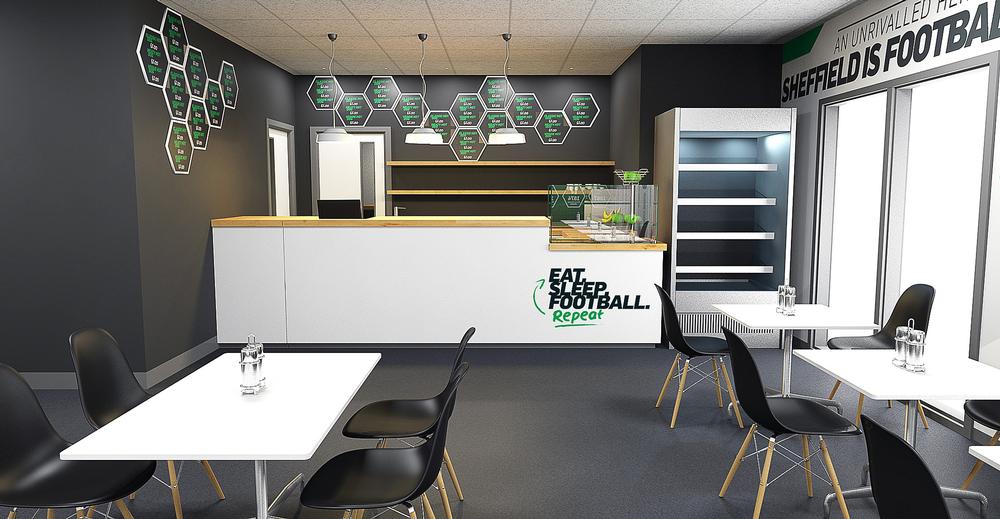
Two centres – which include a number of artificial grass pitches, changing rooms and social areas – have been established in the Graves and Thorncliffe regions of the city respectively. The hubs will be home to a number of FA-affiliated Sunday league clubs, and will also be used by recreational players and younger children.
If the pilot is successful, the FA will rollout the initiative around the country, with Liverpool and London next in line.
Local partners Robert Sullivan, the FA’s strategy director, tells Sports Management that the programme is “central” to the organisation’s strategy to improve grassroots football, and part of a wider £260m outlay the FA is making.
Parklife has been allocated £50m of this fund, plus £50m from the government and £50m from the Premier League. The FA is also asking local authorities to invest 40 per cent – an offer that Sheffield City Council was keen to take up.
“We told Sheffield if they came aboard and made the initial capital investment, they would save the ongoing revenue subsidy that goes towards maintaining grass pitches every year,” says Sullivan.
“Building a number of new sites in Sheffield will also guarantee a certain income return, and therefore there will be money to subsidise the support for grass pitches around the city. You’ve then got a sustainable business that is supporting all grassroots sport and providing fantastic facilities for the players.”
Sheffield City Council director of culture and environment Paul Billington says that the FA investment was required due to the “extreme cuts in government funding” and the danger that football participation was decreasing because of the poor quality of local facilities.
Billington adds that he is keen to develop the relationship further and wants to add at least eight more similar facilities around the city.
Sullivan agrees that the “current economic climate” has not helped local authorities maintain their football facilities, but highlights that other factors – such as a change in the habits of consumers, for instance – have had an effect on the number of people participating in grassroots football.
Consumer-centric centres While Sullivan acknowledges that Sport England has recorded participation declines in football over recent years, he suggests the figures are limited to Sunday league players and that there is a boom in the amount of people taking part in recreational football with operators such as Powerleague and Goals.
The FA will partner with private operators to run several of the hubs to provide consumer-centric service, and implement swipe cards and data capturing facilities to develop insight into what the modern grassroots footballer wants. Pulse has won the contract to operate both hubs in Sheffield.
“No longer is grassroots football mainly being played by blokes who drive up to a park’s pitch in their kit, shuffle their trousers off in the back of the car, and then head to the boozer afterwards,” says Sullivan. “They’re on proper sites, and all of a sudden you can see grassroots football becoming more like the leisure industry.
“We’re still at the very early stages,” he says, “but you can see the potential of how it changes the interaction of grassroots football with the player and impacts their ability to get a better consumer experience.
“That’s what grassroots players want now, and they think ‘why am I slogging it out on a shit grass pitch when I could spend an hour in the gym in a nice leisure centre and have a Costa afterwards’.”
As well as being enjoyable surfaces to play on, the Parklife pitches are designed to be far less susceptible to weather than grass, and will be able to accommodate much more football – potentially transforming the way grassroots football is played in England. “Because there will be more slots it may require some cultural change, which means some matches won’t be kicking off at 10am on a Sunday,” says Sullivan. “That’s going to be interesting to see how that lands with people – they may like flexibility or they might want to remain in their traditional football slot.”
Taking ownership Aside from developing a better customer experience to boost participation, the programme is about the FA showing that it is taking responsibility for the grassroots football landscape in England.
Whenever the England national team has a poor international tournament – such as this summer’s European Championships when Roy Hodgson’s team was dumped out by Iceland – questions are asked about why the country hasn’t been able to develop a crop of players to win a tournament for more than 50 years, and inevitably the issue of grassroots provision comes up.
“The opportunity to have ownership of our own sites and no longer be on the hook for local authority budget cuts every time there’s an economic downturn is a really big thing,” Sullivan explains.
Liverpool and London Sullivan says there are a number of other councils that want to change as well. Mayor of Liverpool Joe Anderson – “a big football man” – quickly expressed his interest, while a number of boroughs in London applied for Parklife sites.
“If there was ever a city crying out for this, it’s Liverpool,” says Sullivan. “It has the highest grassroots participation rates but the worst sports facilities.
“London is a very separate challenge because of the price of land, the size of the population and the huge demographic mix. But you’ve got to start somewhere, so we’ve got a partnership with Ealing and Hounslow on two sites, and we’ve gone through an expression of interest tender for other London boroughs and 13 have come back, so that’s a good level of interest.”
The two areas in Ealing and Hounslow being earmarked are Rectory Park and Gunnersbury, and Sullivan reveals that one of the sites will be managed by the local county FA, demonstrating the FA’s openness to allow different types of organisations to operate the hubs.
But aside from those immediate plans, Sullivan says everything is on the table, from future locations to the possibility of getting commercial partnerships involved on certain projects.
“There’s an assessment criteria we’re looking at,” he stresses. “Manchester, for example, has a good provision of artificial grass pitches, so actually the Parklife model probably isn’t going to fit. But we’ll continue to do some more pitch and facilities provision through our Football Foundation investments.
“We’re not looking at a map and thinking ‘Newcastle is a football city, that’s where we’ll go next’, but where there’s a population of players, where there’s a need, and where there are local authorities willing to partner, we’ll be interested in that location.
“Later this year, we’ll do a national competition, open to local authorities above a certain size – that’s as much Bristol as Southampton, Norwich, Leeds or Newcastle,” Sullivan explains.
If Sheffield’s hubs prove to be effective in cultivating a thriving grassroots landscape, and show revenue-generating capabilities, then that competition may well receive a huge number of entries.
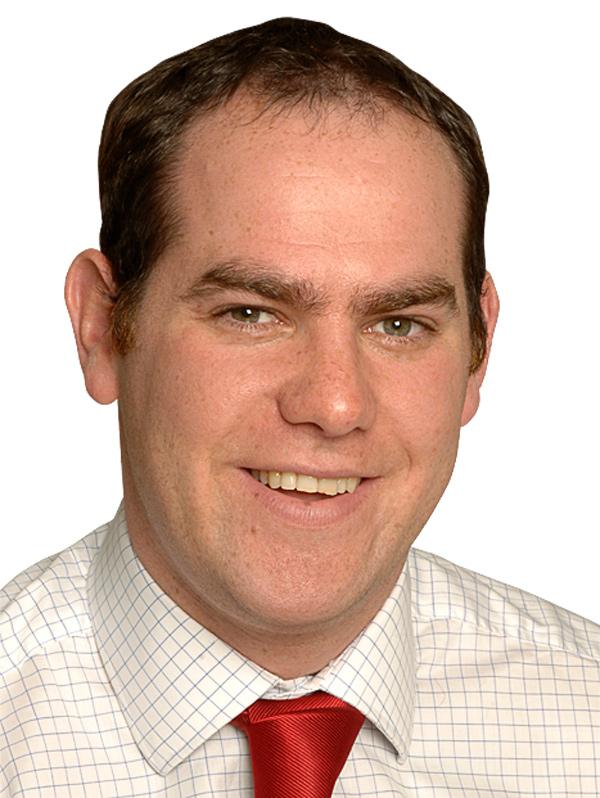
Robert Sullivan, the FA’s strategy director
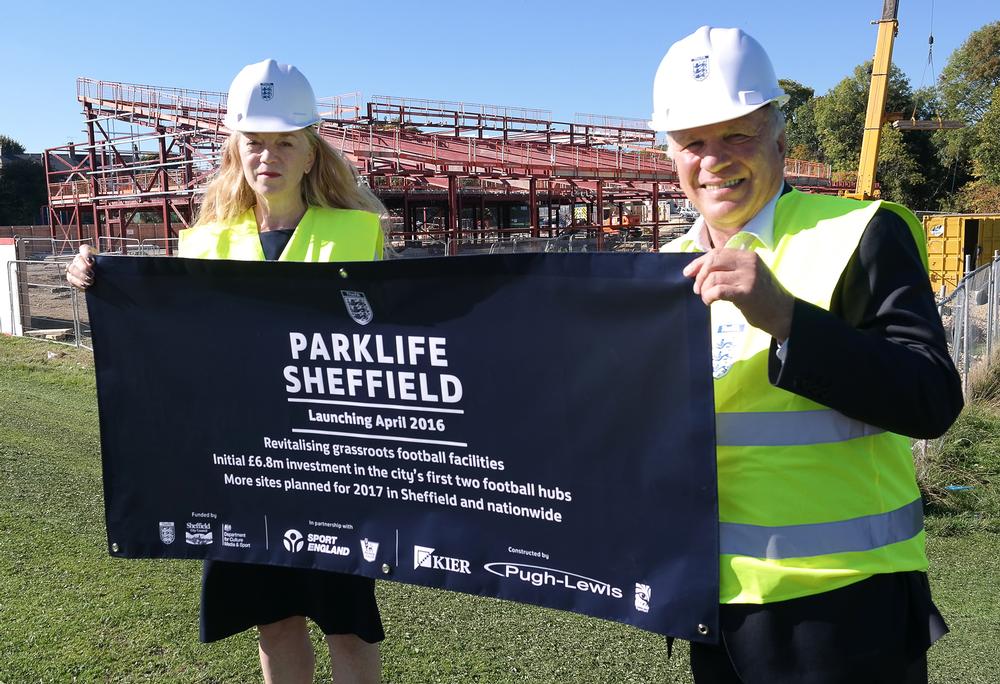
The FA’s Parklife Project was endorsed by its former chair Greg Dyke
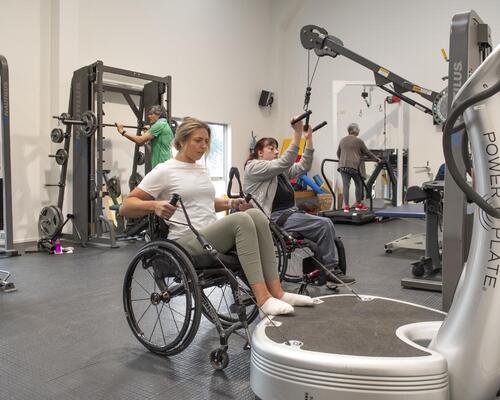
These days, grassroots football has to compete with the lure of a smart leisure centre
As healthcare continues to shift towards prevention, there’s a growing focus on helping
people stay active, independent and feeling good for longer. [more...]
Celebrating its milestone 5th anniversary, W3Fit EMEA returns in 2026 with an unmissable
gathering of the Health & Fitness industry’s most influential leaders. [more...]
+ More featured suppliers
COMPANY PROFILES
Everyone Active
Everyone Active operates leisure centres in partnership with local councils across the UK. Today, Ev [more...]
Alliance Leisure
Alliance Leisure Services was specifically
established to respond to the changing
development need [more...]
Grassroots football will benefit from the FA’s overall outlay of £260m
In 1857 Sheffield FC was formed, thus becoming the world’s first football club. The South Yorkshire city has form when it comes to firsts in football: Sheffield United’s Bramall Lane is the oldest major stadium in the world, and now the Football Association (FA) is launching what could become its most ambitious grassroots football project in the locality.
The FA’s Parklife project is being piloted in the city to test the governing body’s hypothesis about the creation of high-quality grassroots football hubs in urban areas and their effect on participation.
Two centres – which include a number of artificial grass pitches, changing rooms and social areas – have been established in the Graves and Thorncliffe regions of the city respectively. The hubs will be home to a number of FA-affiliated Sunday league clubs, and will also be used by recreational players and younger children.
If the pilot is successful, the FA will rollout the initiative around the country, with Liverpool and London next in line.
Local partners Robert Sullivan, the FA’s strategy director, tells Sports Management that the programme is “central” to the organisation’s strategy to improve grassroots football, and part of a wider £260m outlay the FA is making.
Parklife has been allocated £50m of this fund, plus £50m from the government and £50m from the Premier League. The FA is also asking local authorities to invest 40 per cent – an offer that Sheffield City Council was keen to take up.
“We told Sheffield if they came aboard and made the initial capital investment, they would save the ongoing revenue subsidy that goes towards maintaining grass pitches every year,” says Sullivan.
“Building a number of new sites in Sheffield will also guarantee a certain income return, and therefore there will be money to subsidise the support for grass pitches around the city. You’ve then got a sustainable business that is supporting all grassroots sport and providing fantastic facilities for the players.”
Sheffield City Council director of culture and environment Paul Billington says that the FA investment was required due to the “extreme cuts in government funding” and the danger that football participation was decreasing because of the poor quality of local facilities.
Billington adds that he is keen to develop the relationship further and wants to add at least eight more similar facilities around the city.
Sullivan agrees that the “current economic climate” has not helped local authorities maintain their football facilities, but highlights that other factors – such as a change in the habits of consumers, for instance – have had an effect on the number of people participating in grassroots football.
Consumer-centric centres While Sullivan acknowledges that Sport England has recorded participation declines in football over recent years, he suggests the figures are limited to Sunday league players and that there is a boom in the amount of people taking part in recreational football with operators such as Powerleague and Goals.
The FA will partner with private operators to run several of the hubs to provide consumer-centric service, and implement swipe cards and data capturing facilities to develop insight into what the modern grassroots footballer wants. Pulse has won the contract to operate both hubs in Sheffield.
“No longer is grassroots football mainly being played by blokes who drive up to a park’s pitch in their kit, shuffle their trousers off in the back of the car, and then head to the boozer afterwards,” says Sullivan. “They’re on proper sites, and all of a sudden you can see grassroots football becoming more like the leisure industry.
“We’re still at the very early stages,” he says, “but you can see the potential of how it changes the interaction of grassroots football with the player and impacts their ability to get a better consumer experience.
“That’s what grassroots players want now, and they think ‘why am I slogging it out on a shit grass pitch when I could spend an hour in the gym in a nice leisure centre and have a Costa afterwards’.”
As well as being enjoyable surfaces to play on, the Parklife pitches are designed to be far less susceptible to weather than grass, and will be able to accommodate much more football – potentially transforming the way grassroots football is played in England. “Because there will be more slots it may require some cultural change, which means some matches won’t be kicking off at 10am on a Sunday,” says Sullivan. “That’s going to be interesting to see how that lands with people – they may like flexibility or they might want to remain in their traditional football slot.”
Taking ownership Aside from developing a better customer experience to boost participation, the programme is about the FA showing that it is taking responsibility for the grassroots football landscape in England.
Whenever the England national team has a poor international tournament – such as this summer’s European Championships when Roy Hodgson’s team was dumped out by Iceland – questions are asked about why the country hasn’t been able to develop a crop of players to win a tournament for more than 50 years, and inevitably the issue of grassroots provision comes up.
“The opportunity to have ownership of our own sites and no longer be on the hook for local authority budget cuts every time there’s an economic downturn is a really big thing,” Sullivan explains.
Liverpool and London Sullivan says there are a number of other councils that want to change as well. Mayor of Liverpool Joe Anderson – “a big football man” – quickly expressed his interest, while a number of boroughs in London applied for Parklife sites.
“If there was ever a city crying out for this, it’s Liverpool,” says Sullivan. “It has the highest grassroots participation rates but the worst sports facilities.
“London is a very separate challenge because of the price of land, the size of the population and the huge demographic mix. But you’ve got to start somewhere, so we’ve got a partnership with Ealing and Hounslow on two sites, and we’ve gone through an expression of interest tender for other London boroughs and 13 have come back, so that’s a good level of interest.”
The two areas in Ealing and Hounslow being earmarked are Rectory Park and Gunnersbury, and Sullivan reveals that one of the sites will be managed by the local county FA, demonstrating the FA’s openness to allow different types of organisations to operate the hubs.
But aside from those immediate plans, Sullivan says everything is on the table, from future locations to the possibility of getting commercial partnerships involved on certain projects.
“There’s an assessment criteria we’re looking at,” he stresses. “Manchester, for example, has a good provision of artificial grass pitches, so actually the Parklife model probably isn’t going to fit. But we’ll continue to do some more pitch and facilities provision through our Football Foundation investments.
“We’re not looking at a map and thinking ‘Newcastle is a football city, that’s where we’ll go next’, but where there’s a population of players, where there’s a need, and where there are local authorities willing to partner, we’ll be interested in that location.
“Later this year, we’ll do a national competition, open to local authorities above a certain size – that’s as much Bristol as Southampton, Norwich, Leeds or Newcastle,” Sullivan explains.
If Sheffield’s hubs prove to be effective in cultivating a thriving grassroots landscape, and show revenue-generating capabilities, then that competition may well receive a huge number of entries.
Robert Sullivan, the FA’s strategy director
The FA’s Parklife Project was endorsed by its former chair Greg Dyke
These days, grassroots football has to compete with the lure of a smart leisure centre
Global luxury hospitality brand, Six Senses, has partnered with longevity healthcare provider,
HUM2N, to launch a clinic at Six Senses London, at The Whiteley.
Premium London health club, KX Chelsea, will imminently unveil its most significant
redevelopment since its launch in 2002 to create an integrated wellness model combining
training, recovery and relaxation.
Researchers in the US have identified an antibody which could greatly reduce the loss of lean
muscle mass in people who are taking weight-loss medications.
Crunch Fitness has announced the launch of Crunch Reform Pilates – its own reformer concept
designed to bring this fast growing, but rather expensive, modality into the mainstream.
The 20th State of the Industry Report reveals a resilient, expanding and competitive
sector, the
importance of differentiation and the ongoing challenge of tackling inequalities.
Nuffield Health has told HCM that it takes its responsibilities towards its colleagues seriously
and is committed to meeting all legal obligations after news of a tribunal has made national
headlines.
Technogym has announced the launch of the Run X World Treadmill Championship, the first
world championship for running on connected treadmills over five kilometres.
As healthcare continues to shift towards prevention, there’s a growing focus on helping
people stay active, independent and feeling good for longer. [more...]
Celebrating its milestone 5th anniversary, W3Fit EMEA returns in 2026 with an unmissable
gathering of the Health & Fitness industry’s most influential leaders. [more...]
+ More featured suppliers
COMPANY PROFILES
Everyone Active Everyone Active operates leisure centres in partnership with local councils across the UK. Today, Ev [more...]