Ahead of an Olympic and Paralympic Games, national governing bodies (NGB) prepare – and brace – themselves for the window of opportunity when members of the British public, inspired by an athlete or achievement, decide to take up sports which have largely been ignored by the media for much of the previous four years.
Following Team GB’s success in Rio, a number of sports will experience initial participation increases, which governing bodies will attempt to sustain to boost their respective talent pools, or to appear more attractive to public and commercial funders.
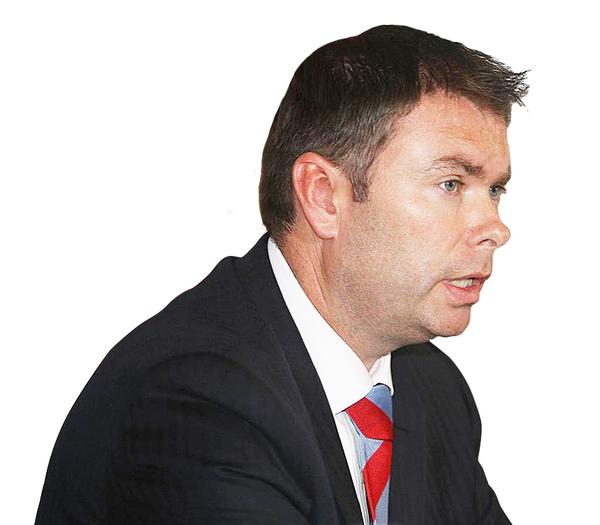
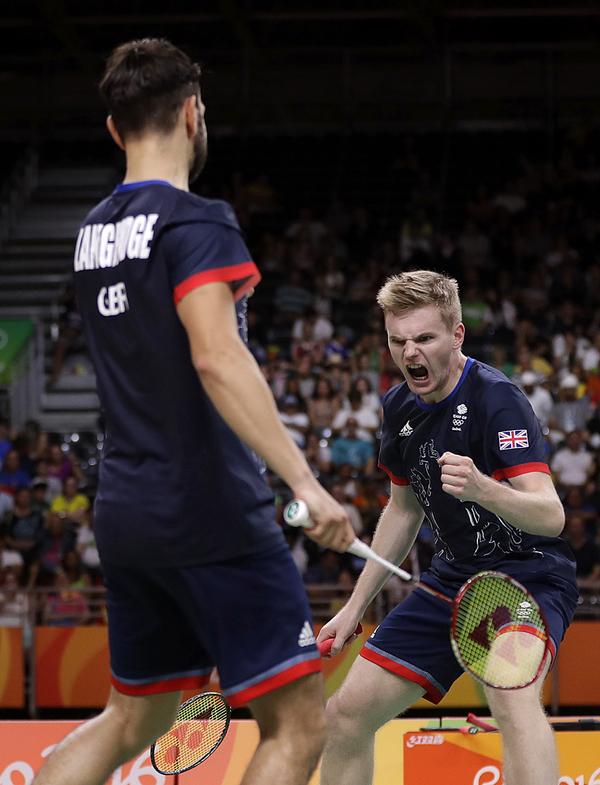
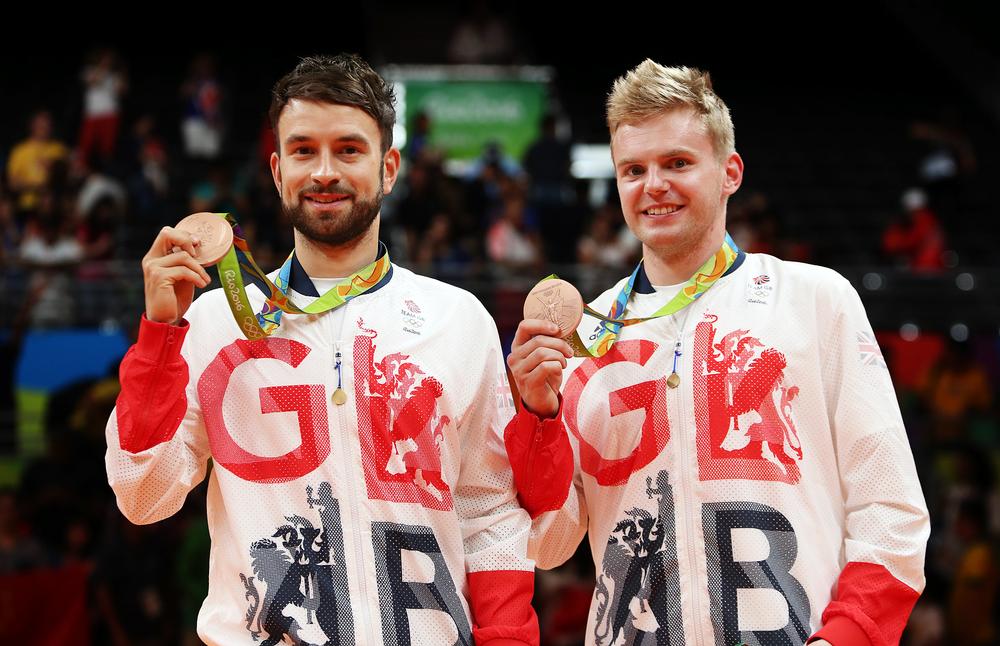
Badminton England chief executive Adrian Christy acknowledges the window is “small”, but after Marcus Ellis and Chris Langridge’s stunning bronze medal success, the opportunity is not insignificant.
Christy tells Sports Management that since the unexpected triumph, the number of court bookings in London alone has increased by 245 per cent, and there are plans to retain the majority of those reeled in by the elite success exposure.
Later on this year the NGB will launch a “huge” digital project, which includes creating personalised messages to appeal to potential badminton players based on their preferences and lifestyle.
Badminton England will also be “restructuring” to “get more impact on the front line”.
“We want more people on the ground,” says Christy, who has spent 10 years as the organisation’s CEO.
“They don’t necessarily have to be employed by us – it could be partnerships with local authorities or County Sports Partnerships (CSP). But critically, we need more people at front line facility level delivery rather than us being the deliverer of it. By being more creative and innovative we’re going to be in a much stronger position to influence participation growth.”
Rather than trying to be “all things to all people”, Christy says establishing a “core market” and creating the right conditions for the market to thrive was the most effective way to keep players in the game.
Focus on young players This year Badminton England lost 10 per cent of its Sport England funding as it failed to attract an agreed number of participants over the age of 26. Despite this, Christy reveals that engaging younger demographics – primary-aged children – will continue to be one of the body’s main ambitions, and is unapologetic about its ultra-focused new approach.
“The key lesson over the last Sport England cycle is to do more with fewer and invest where we think we can have the greatest impact,” explains Christy.
“Over the last two cycles, governing bodies have tried to be everything to everybody, but we now recognise that other organisations can manage and support some objectives better than we can.
“We are looking for investors in our strategy – some of those will be from the membership, some will be sponsors, one of those we hope will be Sport England. But it will be an investment in our strategy.”
Christy adds that Badminton England will be “working closely” with Sport England to understand its objectives. He says: “Where there is alignment then we will absolutely work very closely with them. Where there are objectives that don’t align we won’t be seeking investment for it because it takes us away from our core market and our strategy.”
While Sport England’s new funding method – which has moved away from the Whole Sport Plan towards outcome-based investment – may alter the value of grassroots grants Badminton England may receive, the governing body can be hopeful that money it gets from elite sport quango UK Sport in the run-up to the 2020 Tokyo Olympics will at least remain flat after an impressive Rio performance.
“The competition for money is extremely tough,” says Christy. “You had so many sports do so well and the well isn’t any deeper. Our presentation for Tokyo is about building on what we’ve done and making sure that we’re giving more than just two or three players the opportunity to medal.”
Improving facilities Part of the UK Sport and Sport England funding will likely go towards performance-enhancing technology for the National Badminton Centre in Milton Keynes.
Badminton England is currently in talks with landowners the Parks Trust about expanding and improving the facility, although at time of writing Christy details a “frustrating” stalemate between the parties and their ambitions for the land.
However, the CEO is keen to press ahead to transform what he describes as a “good sports hall” into a “world-class arena” that creates authentic conditions for athletes to train in. For example, Christy highlights the importance of acquiring the technology to create “artificial drift”, which replicates natural air movement experienced in a competitive environment. Christy also wants to move TV lighting higher up to mirror the conditions of competition venues.
“If you look at the National Cycling Centre in Manchester – those guys winning medals on a consistent basis are training in exactly the same environment they’re competing in and we don’t do that,” he explains. “We train in a good sports hall. We need to be training in an arena.”
Badminton suffers from the lack of media it usually gets, but the Rio Games brought the sport more attention / kin cheung / Press Association
Chris Langridge and Marcus Ellis’ bronze medal success at Rio will no doubt reignite interest in badminton / David Davies / Press Association
As healthcare continues to shift towards prevention, there’s a growing focus on helping
people stay active, independent and feeling good for longer. [more...]
Elevate is set to celebrate its 10th anniversary in style this June, with organisers
confirming the event’s largest-ever drinks reception as registrations continue to run more
than 10% ahead of last year. [more...]
+ More featured suppliers
COMPANY PROFILES
Serco Leisure
Serco Leisure Operating Limited is one of the UK’s leading national operators of leisure centres, de [more...]
Everyone Active
Everyone Active operates leisure centres in partnership with local councils across the UK. Today, Ev [more...]
Ahead of an Olympic and Paralympic Games, national governing bodies (NGB) prepare – and brace – themselves for the window of opportunity when members of the British public, inspired by an athlete or achievement, decide to take up sports which have largely been ignored by the media for much of the previous four years.
Following Team GB’s success in Rio, a number of sports will experience initial participation increases, which governing bodies will attempt to sustain to boost their respective talent pools, or to appear more attractive to public and commercial funders.
Badminton England chief executive Adrian Christy acknowledges the window is “small”, but after Marcus Ellis and Chris Langridge’s stunning bronze medal success, the opportunity is not insignificant.
Christy tells Sports Management that since the unexpected triumph, the number of court bookings in London alone has increased by 245 per cent, and there are plans to retain the majority of those reeled in by the elite success exposure.
Later on this year the NGB will launch a “huge” digital project, which includes creating personalised messages to appeal to potential badminton players based on their preferences and lifestyle.
Badminton England will also be “restructuring” to “get more impact on the front line”.
“We want more people on the ground,” says Christy, who has spent 10 years as the organisation’s CEO.
“They don’t necessarily have to be employed by us – it could be partnerships with local authorities or County Sports Partnerships (CSP). But critically, we need more people at front line facility level delivery rather than us being the deliverer of it. By being more creative and innovative we’re going to be in a much stronger position to influence participation growth.”
Rather than trying to be “all things to all people”, Christy says establishing a “core market” and creating the right conditions for the market to thrive was the most effective way to keep players in the game.
Focus on young players This year Badminton England lost 10 per cent of its Sport England funding as it failed to attract an agreed number of participants over the age of 26. Despite this, Christy reveals that engaging younger demographics – primary-aged children – will continue to be one of the body’s main ambitions, and is unapologetic about its ultra-focused new approach.
“The key lesson over the last Sport England cycle is to do more with fewer and invest where we think we can have the greatest impact,” explains Christy.
“Over the last two cycles, governing bodies have tried to be everything to everybody, but we now recognise that other organisations can manage and support some objectives better than we can.
“We are looking for investors in our strategy – some of those will be from the membership, some will be sponsors, one of those we hope will be Sport England. But it will be an investment in our strategy.”
Christy adds that Badminton England will be “working closely” with Sport England to understand its objectives. He says: “Where there is alignment then we will absolutely work very closely with them. Where there are objectives that don’t align we won’t be seeking investment for it because it takes us away from our core market and our strategy.”
While Sport England’s new funding method – which has moved away from the Whole Sport Plan towards outcome-based investment – may alter the value of grassroots grants Badminton England may receive, the governing body can be hopeful that money it gets from elite sport quango UK Sport in the run-up to the 2020 Tokyo Olympics will at least remain flat after an impressive Rio performance.
“The competition for money is extremely tough,” says Christy. “You had so many sports do so well and the well isn’t any deeper. Our presentation for Tokyo is about building on what we’ve done and making sure that we’re giving more than just two or three players the opportunity to medal.”
Improving facilities Part of the UK Sport and Sport England funding will likely go towards performance-enhancing technology for the National Badminton Centre in Milton Keynes.
Badminton England is currently in talks with landowners the Parks Trust about expanding and improving the facility, although at time of writing Christy details a “frustrating” stalemate between the parties and their ambitions for the land.
However, the CEO is keen to press ahead to transform what he describes as a “good sports hall” into a “world-class arena” that creates authentic conditions for athletes to train in. For example, Christy highlights the importance of acquiring the technology to create “artificial drift”, which replicates natural air movement experienced in a competitive environment. Christy also wants to move TV lighting higher up to mirror the conditions of competition venues.
“If you look at the National Cycling Centre in Manchester – those guys winning medals on a consistent basis are training in exactly the same environment they’re competing in and we don’t do that,” he explains. “We train in a good sports hall. We need to be training in an arena.”
Badminton suffers from the lack of media it usually gets, but the Rio Games brought the sport more attention / kin cheung / Press Association
Chris Langridge and Marcus Ellis’ bronze medal success at Rio will no doubt reignite interest in badminton / David Davies / Press Association
Global luxury hospitality brand, Six Senses, has partnered with longevity healthcare provider,
HUM2N, to launch a clinic at Six Senses London, at The Whiteley.
Premium London health club, KX Chelsea, will imminently unveil its most significant
redevelopment since its launch in 2002 to create an integrated wellness model combining
training, recovery and relaxation.
Researchers in the US have identified an antibody which could greatly reduce the loss of lean
muscle mass in people who are taking weight-loss medications.
Crunch Fitness has announced the launch of Crunch Reform Pilates – its own reformer concept
designed to bring this fast growing, but rather expensive, modality into the mainstream.
The 20th State of the Industry Report reveals a resilient, expanding and competitive
sector, the
importance of differentiation and the ongoing challenge of tackling inequalities.
Nuffield Health has told HCM that it takes its responsibilities towards its colleagues seriously
and is committed to meeting all legal obligations after news of a tribunal has made national
headlines.
Technogym has announced the launch of the Run X World Treadmill Championship, the first
world championship for running on connected treadmills over five kilometres.
As healthcare continues to shift towards prevention, there’s a growing focus on helping
people stay active, independent and feeling good for longer. [more...]
Elevate is set to celebrate its 10th anniversary in style this June, with organisers
confirming the event’s largest-ever drinks reception as registrations continue to run more
than 10% ahead of last year. [more...]
+ More featured suppliers
COMPANY PROFILES
Serco Leisure Serco Leisure Operating Limited is one of the UK’s leading national operators of leisure centres, de [more...]