Have you implemented the right personal training model at your club, or is there another route that might better suit the needs of your business? Hayley Price
reports on three of the most common models for offering PT in health clubs
By Hayley Price | Published in Health Club Management 2016 issue 8
Personal training continues to rank in the top 10 worldwide fitness trends, coming in at #6 in the ACSM’s 2016 survey. Unsurprisingly then, it remains a core offering for the majority of leisure operators in the UK – although with very different approaches evident across the sector. We take a look at three of the most common business models.
Freelance model
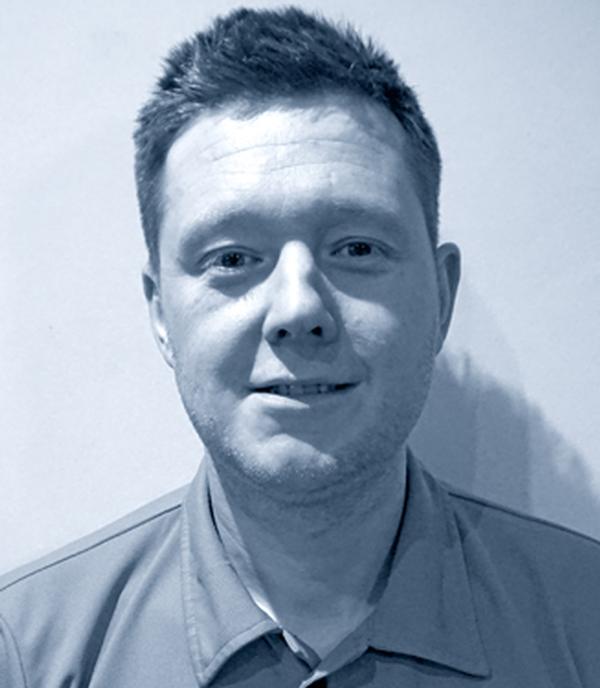
Jon Baker
Jon BakerRegional ManagerThe Gym Group
Low-cost gym operator The Gym Group recruits freelance PTs across all 76 of its gyms. They wear a branded ‘The Gym’ uniform, but each PT takes responsibility for their own income tax, national insurance, public liability insurance, promotional materials and legal matters, taking administration away from the operator.
Once personal trainers have completed The Gym Group’s comprehensive induction process, they’re offered full use of the gym floor and have the freedom to negotiate prices with members, with PTs taking home 100 per cent of their revenue. In return, PTs provide a minimum of 10 unpaid hours a week on the gym floor.
The PTs are therefore prominent members of the team, undertaking member inductions, providing tours of the facility and assisting with the joining process. Being visible throughout the member journey means PTs are also more likely to build trusting relationships with new members, meaning there’s less need to ‘push’ their services – and it works, with on average 20 per cent of new members requesting a personal trainer.
“This rent-free model helps generate a loyal, motivated personal trainer workforce, dedicated to delivering high quality and up-to-date services, which positively impacts member retention,” says Jon Baker, regional manager at The Gym Group.
“All the personal trainers we work with have to attend a face-to-face interview. We assess how well they’ll fit with our brand and whether we believe they have the soft skills necessary to thrive in our environment.
“This model was put in place at our very first gym, which opened in Hounslow back in 2007, and it’s now been rolled out across our entire portfolio.
“We’re very aware that we could generate an income by charging PTs a licence fee, but we’ve made a conscious decision not to do this. We believe that, by giving PTs ample access to members and providing the financial incentive of retaining 100 per cent of their earnings, they have a real opportunity to build a successful client base that will mean they remain loyal to our business.”
"By giving PTs ample access to members and allowing them to retain 100 per cent of their earnings, they remain loyal to our business" - Jon Baker, The Gym Group
Third party option
Marco Coppola
Marco Coppola, group health and fitness manager, GLL
GLL, the not-for-profit social enterprise, has enhanced its services by sourcing Level 3-qualified PTs through national personal training management company Your Personal Training (Your PT).
PTs pay Your PT a licence fee based on 15 sessions per month of their charging rate – so for example a PT earning £40 an hour would make a £550 monthly payment to Your PT. In return, the personal trainer receives an array of benefits including public liability insurance, business training, discounted CPD courses and social media training. The Your PT model also upholds a good member-to-PT ratio – approximately 600:1 – in order to give PTs a fair chance to run profitable businesses, avoiding the need for internal competitiveness.
Meanwhile, for operators like GLL, it’s a zero-cost business solution that provides them with on-demand, competent, qualified PTs without any associated HR burden – last year, 89 per cent of those members questioned as part of GLL’s annual customer feedback survey rated the professionalism of PTs as ‘excellent’.
In addition, GLL receives an income share of the Your PT revenue generated throughout its sites, creating a guaranteed secondary income stream.
GLL currently has 230 PTs across 108 leisure centres and gyms. One centre that’s really seeing success under the Your PT model is Swiss Cottage Leisure Centre in Camden, north London. A team of 15 experienced PTs see on average over 450 clients each month, which through the income share model provides GLL with additional revenues of £70k per annum just from this one leisure centre.
Marco Coppola, group health & fitness manager at GLL, comments: “Before working with Your PT, we didn’t have one standard PT delivery model across all our sites.
We’ve really benefited from having one clear, hassle-free model run by an outside organisation.
“Your PT also places a focus on training and development, so we’re able to operate safely in the knowledge that the PTs working within our sites are well-informed and can offer our members an excellent service.
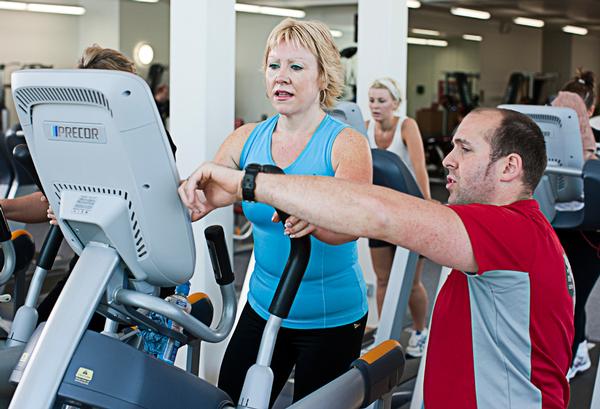
GLL receives an income share from Your PT revenues
Dual approach
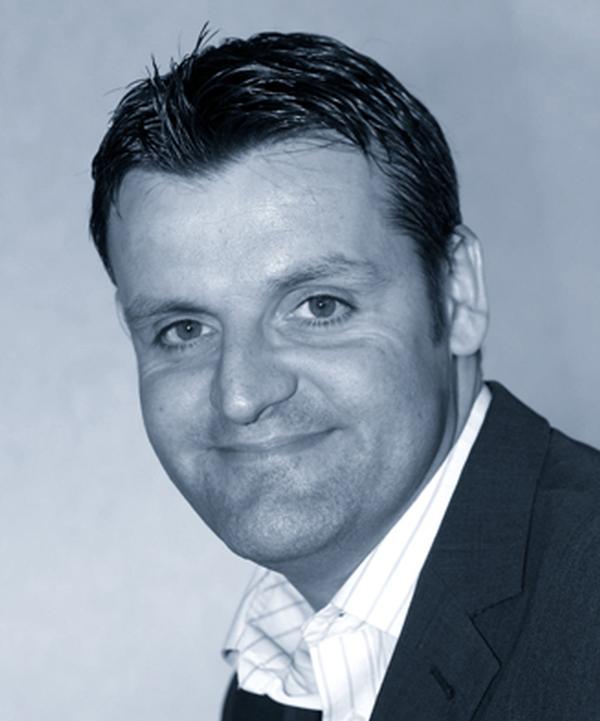
Mark Talley
Mark TalleyGroup Fitness Development ManagerEveryone Active
Leisure management organisation Everyone Active adopts a combined approach, recruiting both employed and self-employed PTs across the majority of its sites.
Employed Level 3 fitness ‘motivators’ supplement core gym floor hours by delivering personal training sessions outside of their set working hours – for which they receive 50 per cent of the net revenue along with their monthly salary, giving them additional income.
Meanwhile, freelance PTs also operate out of Everyone Active centres, paying a monthly licence fee to the business – between £250 and £600 depending on the centre’s location.
Over time, many of Everyone’s Active’s employed fitness motivators drop their core hours and become freelance personal trainers, with Everyone Active taking them on in this capacity.
There are obvious benefits for the individual, who enjoys the stability of full-time employment – and the associated salary – while they build up a client base. But Everyone Active benefits too, retaining good team members – something that’s key to member satisfaction and retention.
Mark Talley, Everyone Active’s group fitness development manager, states: “Although a combined PT delivery model may seem confusing, the benefits we experience make this approach the best fit for us. We focus on quality and, by doing so, we attract high quality PTs – and year-on-year their revenue continues to be one of our strongest growth areas.”
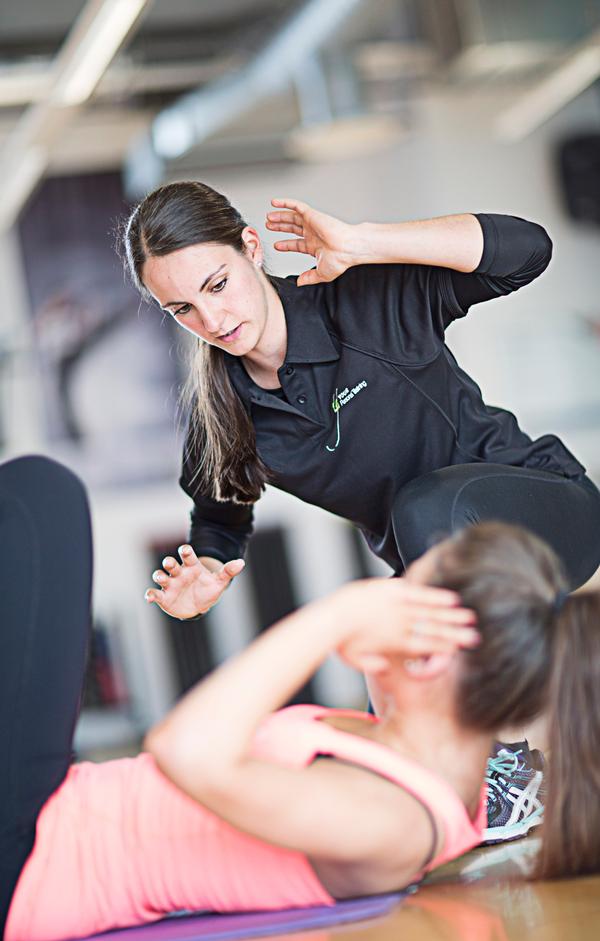
Everyone Active has employed and self-employed PTs
Active Blackpool is deploying Cornerstone Connect, a new digital interface allowing
disparate information from multiple systems to be aggregated into one dataset, to support
its focus on reducing health inequalities and improving healthy life expectancy. [more...]
Panatta brought together four of the most influential figures in bodybuilding history on the
stage of RiminiWellness 2026: Phil Heath, Lee Haney, Ronnie Coleman and Hany Rambod. [more...]
+ More featured suppliers
COMPANY PROFILES
ukactive
ukactive is the UK’s leading trade body for the physical activity sector, bringing together more tha [more...]
Precor
Precor promises precision-quality products with steadfast reliability that are inspired by exerciser [more...]
Have you implemented the right personal training model at your club, or is there another route that might better suit the needs of your business? Hayley Price
reports on three of the most common models for offering PT in health clubs
By Hayley Price | Published in Health Club Management 2016 issue 8
Personal training continues to rank in the top 10 worldwide fitness trends, coming in at #6 in the ACSM’s 2016 survey. Unsurprisingly then, it remains a core offering for the majority of leisure operators in the UK – although with very different approaches evident across the sector. We take a look at three of the most common business models.
Freelance model
Jon Baker
Jon BakerRegional ManagerThe Gym Group
Low-cost gym operator The Gym Group recruits freelance PTs across all 76 of its gyms. They wear a branded ‘The Gym’ uniform, but each PT takes responsibility for their own income tax, national insurance, public liability insurance, promotional materials and legal matters, taking administration away from the operator.
Once personal trainers have completed The Gym Group’s comprehensive induction process, they’re offered full use of the gym floor and have the freedom to negotiate prices with members, with PTs taking home 100 per cent of their revenue. In return, PTs provide a minimum of 10 unpaid hours a week on the gym floor.
The PTs are therefore prominent members of the team, undertaking member inductions, providing tours of the facility and assisting with the joining process. Being visible throughout the member journey means PTs are also more likely to build trusting relationships with new members, meaning there’s less need to ‘push’ their services – and it works, with on average 20 per cent of new members requesting a personal trainer.
“This rent-free model helps generate a loyal, motivated personal trainer workforce, dedicated to delivering high quality and up-to-date services, which positively impacts member retention,” says Jon Baker, regional manager at The Gym Group.
“All the personal trainers we work with have to attend a face-to-face interview. We assess how well they’ll fit with our brand and whether we believe they have the soft skills necessary to thrive in our environment.
“This model was put in place at our very first gym, which opened in Hounslow back in 2007, and it’s now been rolled out across our entire portfolio.
“We’re very aware that we could generate an income by charging PTs a licence fee, but we’ve made a conscious decision not to do this. We believe that, by giving PTs ample access to members and providing the financial incentive of retaining 100 per cent of their earnings, they have a real opportunity to build a successful client base that will mean they remain loyal to our business.”
"By giving PTs ample access to members and allowing them to retain 100 per cent of their earnings, they remain loyal to our business" - Jon Baker, The Gym Group
Third party option
Marco Coppola
Marco Coppola, group health and fitness manager, GLL
GLL, the not-for-profit social enterprise, has enhanced its services by sourcing Level 3-qualified PTs through national personal training management company Your Personal Training (Your PT).
PTs pay Your PT a licence fee based on 15 sessions per month of their charging rate – so for example a PT earning £40 an hour would make a £550 monthly payment to Your PT. In return, the personal trainer receives an array of benefits including public liability insurance, business training, discounted CPD courses and social media training. The Your PT model also upholds a good member-to-PT ratio – approximately 600:1 – in order to give PTs a fair chance to run profitable businesses, avoiding the need for internal competitiveness.
Meanwhile, for operators like GLL, it’s a zero-cost business solution that provides them with on-demand, competent, qualified PTs without any associated HR burden – last year, 89 per cent of those members questioned as part of GLL’s annual customer feedback survey rated the professionalism of PTs as ‘excellent’.
In addition, GLL receives an income share of the Your PT revenue generated throughout its sites, creating a guaranteed secondary income stream.
GLL currently has 230 PTs across 108 leisure centres and gyms. One centre that’s really seeing success under the Your PT model is Swiss Cottage Leisure Centre in Camden, north London. A team of 15 experienced PTs see on average over 450 clients each month, which through the income share model provides GLL with additional revenues of £70k per annum just from this one leisure centre.
Marco Coppola, group health & fitness manager at GLL, comments: “Before working with Your PT, we didn’t have one standard PT delivery model across all our sites.
We’ve really benefited from having one clear, hassle-free model run by an outside organisation.
“Your PT also places a focus on training and development, so we’re able to operate safely in the knowledge that the PTs working within our sites are well-informed and can offer our members an excellent service.
GLL receives an income share from Your PT revenues
Dual approach
Mark Talley
Mark TalleyGroup Fitness Development ManagerEveryone Active
Leisure management organisation Everyone Active adopts a combined approach, recruiting both employed and self-employed PTs across the majority of its sites.
Employed Level 3 fitness ‘motivators’ supplement core gym floor hours by delivering personal training sessions outside of their set working hours – for which they receive 50 per cent of the net revenue along with their monthly salary, giving them additional income.
Meanwhile, freelance PTs also operate out of Everyone Active centres, paying a monthly licence fee to the business – between £250 and £600 depending on the centre’s location.
Over time, many of Everyone’s Active’s employed fitness motivators drop their core hours and become freelance personal trainers, with Everyone Active taking them on in this capacity.
There are obvious benefits for the individual, who enjoys the stability of full-time employment – and the associated salary – while they build up a client base. But Everyone Active benefits too, retaining good team members – something that’s key to member satisfaction and retention.
Mark Talley, Everyone Active’s group fitness development manager, states: “Although a combined PT delivery model may seem confusing, the benefits we experience make this approach the best fit for us. We focus on quality and, by doing so, we attract high quality PTs – and year-on-year their revenue continues to be one of our strongest growth areas.”
Everyone Active has employed and self-employed PTs
The UK's four Chief Medical Officers have published a refreshed edition of Physical activity
guidelines: UK Chief Medical Officers' report, updating the evidence that underpins the nation's
physical activity recommendations and placing greater emphasis on strength, balance, reducing
sedentary behaviour and, for the first time, supporting people taking weight loss medications.
Places Leisure has exchanged contracts to build and operate a flagship £60m water and leisure
destination on behalf of Basingstoke and Deane Borough Council.
The Republic of Ireland will become the latest market in PureGym’s expanding international
portfolio, with the first launch planned for Dublin in 2027.
Anytime Fitness opened more than one club a day in 2025 and is on track to maintain this rate
of growth this year, as parent company Purpose Brands targets further international expansion.
The £33.9 million Leighton Leisure and Community Centre has opened in Leighton Buzzard, UK,
creating a next-generation public leisure, health and wellbeing hub for the local community.
Walnuts Leisure Centre in Orpington, in the London Borough of Bromley, has reopened following
a £17m transformation designed to secure the long-term future of the public leisure asset and
reposition it as a community wellbeing hub.
The Gym Group, has announced that it's sustained positive trading momentum has continued
through the first half of 2026 and the company remains confident about the outlook.
Active Blackpool is deploying Cornerstone Connect, a new digital interface allowing
disparate information from multiple systems to be aggregated into one dataset, to support
its focus on reducing health inequalities and improving healthy life expectancy. [more...]
Panatta brought together four of the most influential figures in bodybuilding history on the
stage of RiminiWellness 2026: Phil Heath, Lee Haney, Ronnie Coleman and Hany Rambod. [more...]
+ More featured suppliers
COMPANY PROFILES
ukactive ukactive is the UK’s leading trade body for the physical activity sector, bringing together more tha [more...]