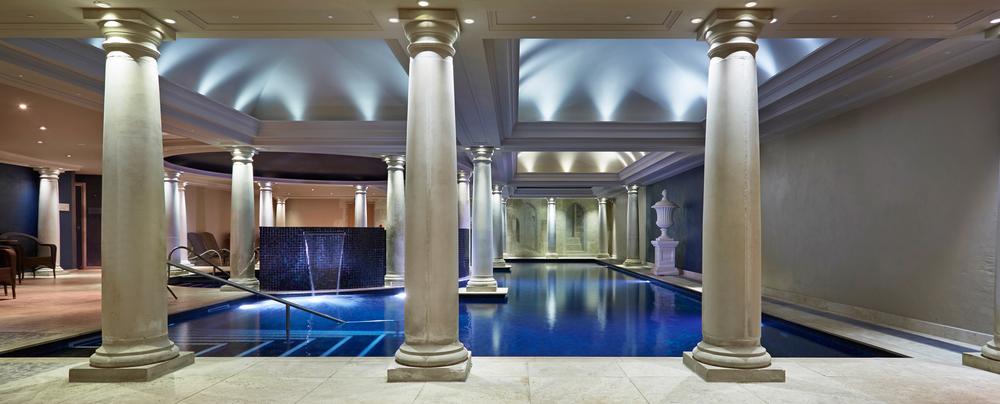
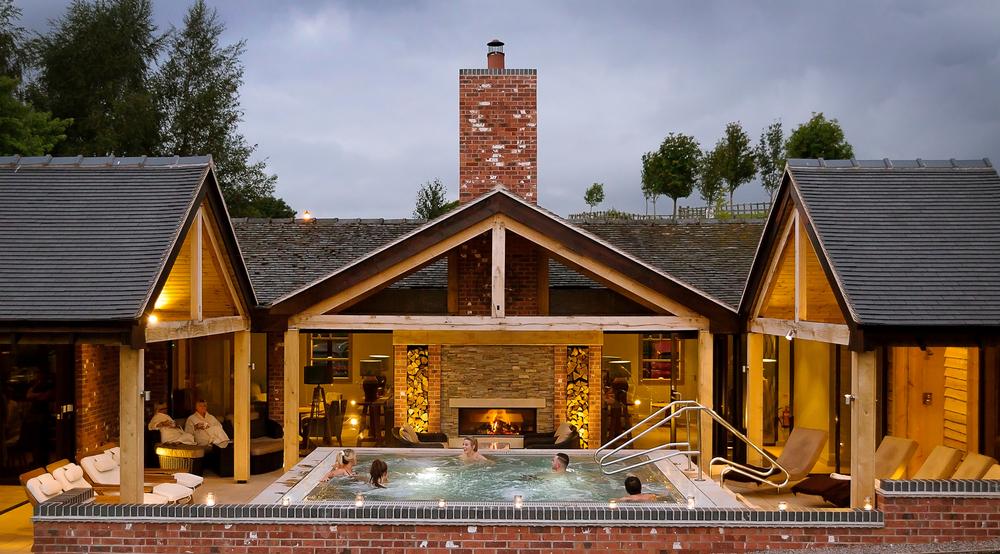
The scope of spa facilities are the key driver for visits the survey shows / photo: Alexander House
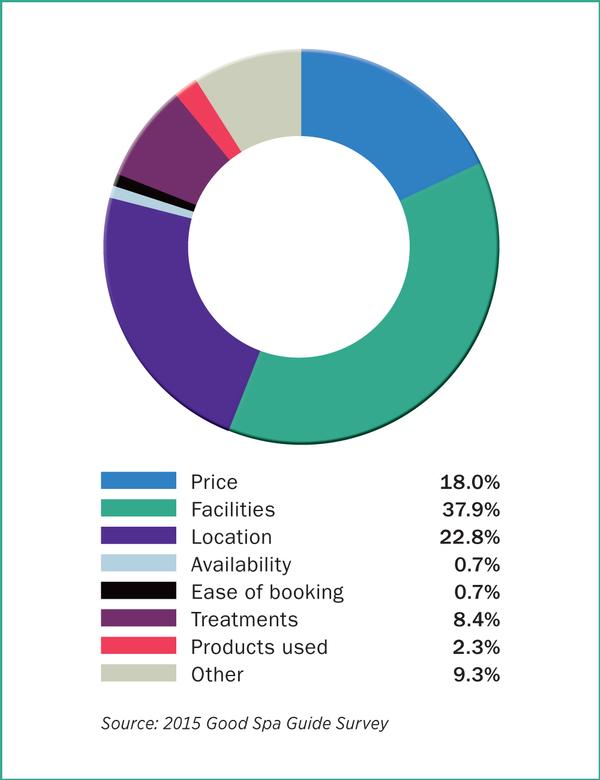
Location and price are important factors when choosing a spa for UK consumers, but the overriding drive is the scope of facilities that are on offer. This was just one of the findings revealed in the 2015 Good Spa Guide Survey (see Chart 1) details of which were released in February.
The Good Spa Guide is a UK consumer-facing magazine, book and website which reviews around 100 spas a year. The survey was based on the answers of 563 of its users – people who are serious about spas and make up to four visits a year. So what else did they have to say?
Views on wellness In the survey, nearly 75 per cent of people said they’d try an alternative therapy such as mindful meditation or shiatsu during a spa day, compared to 25 per cent who said they wouldn’t. These findings are interesting as they indicate that spa-goers are ready and waiting for something more than a massage and they’re bang on the wellness trend, according to Daphne Metland, managing director of the Good Spa Guide. She says: “For consumers, wellness is a really simple concept – maybe too simple if they’re just after alternative therapies – but they understand it, want it and expect it.
“But I think the spa industry hasn’t grasped it yet. There are so many different opinions about wellness that it’s confusing. The sector needs just one simple message about wellness because people are reading about it and want to spend their money on it.”
Hands-only or machine-led? Having a facial which is machine-led is something that UK spa-goers feel unsure about compared to a hands-only one. Eighty per cent of the survey respondents have never had a machine-based facial and, what’s more, 78 per cent would be unwilling to try one.
“There’s an education task here,” says Metland. “When the Good Spa Guide spies go to spas we always ask therapists ‘what does this machine do?’ and more often than not they can’t tell us. Owners and operators need to educate therapists to convey the advantages of machines and they also need to educate consumers about them more.” She suggests offering written information, demonstrations and special offers for a first try.
Off peak business It’s very unusual that a spa will be busy seven days of the week, but there’s more scope to boost week-day custom than you’d expect according to the survey results. Ninety-five per cent of respondents said they’d actually be willing to take a day off work to visit a spa.
Metland says: “If your spa is not busy in the week, you have to ask yourself why. These men and women are willing to take a holiday and you need to ask why they’re not booking into your spa.
“Are your week-day packages too expensive? What are you offering to make it worth taking a day off? They’re making a sacrifice to come mid-week, so maybe you can enhance their spa day. But they’re all willing to do it, which is a good sign.”
Therapist expertise People who take time out to go to a spa expect to have a good treatment and Good Spa Guide Survey results show consumers are happy to go the extra mile to ensure this happens. Approximately 45 per cent of customers would choose to book a senior therapist over a newly-qualified one given the option. Similarly, 50 per cent of spa-goers also said they’d pay more for an experienced practitioner.
“It’s intriguing – when I go to the dentist, I know who’s going to look at my teeth; when I go to the hairdresser, I know who’s going to do my hair because I book the person. Any other treatment I book, in any other field, I book the person,” says Metland. “However, when I go to a spa, I only book a massage or a facial – I don’t book the individual. And this suggests to me that we should be promoting our therapists, telling consumers about what they’ve done, what their education is, what their experience is, what their speciality is and actually differentiating your staff. Spas who keep their therapists hidden are missing a trick. You enter a spa, sit down, someone comes out and says ‘oh hello, I’m Lucy, I’m your therapist’ – that’s all you know about them.”
She concludes that highlighting your therapists and their skills with pictures and information on websites is a no-brainer as it’s something which consumers want and – importantly – are prepared to pay more for. “What difference would it make to your bottom line if 50 per cent of your guests paid 10 per cent more for their treatments?”
Chart 1: What makes you book one spa over another?
Chart 1
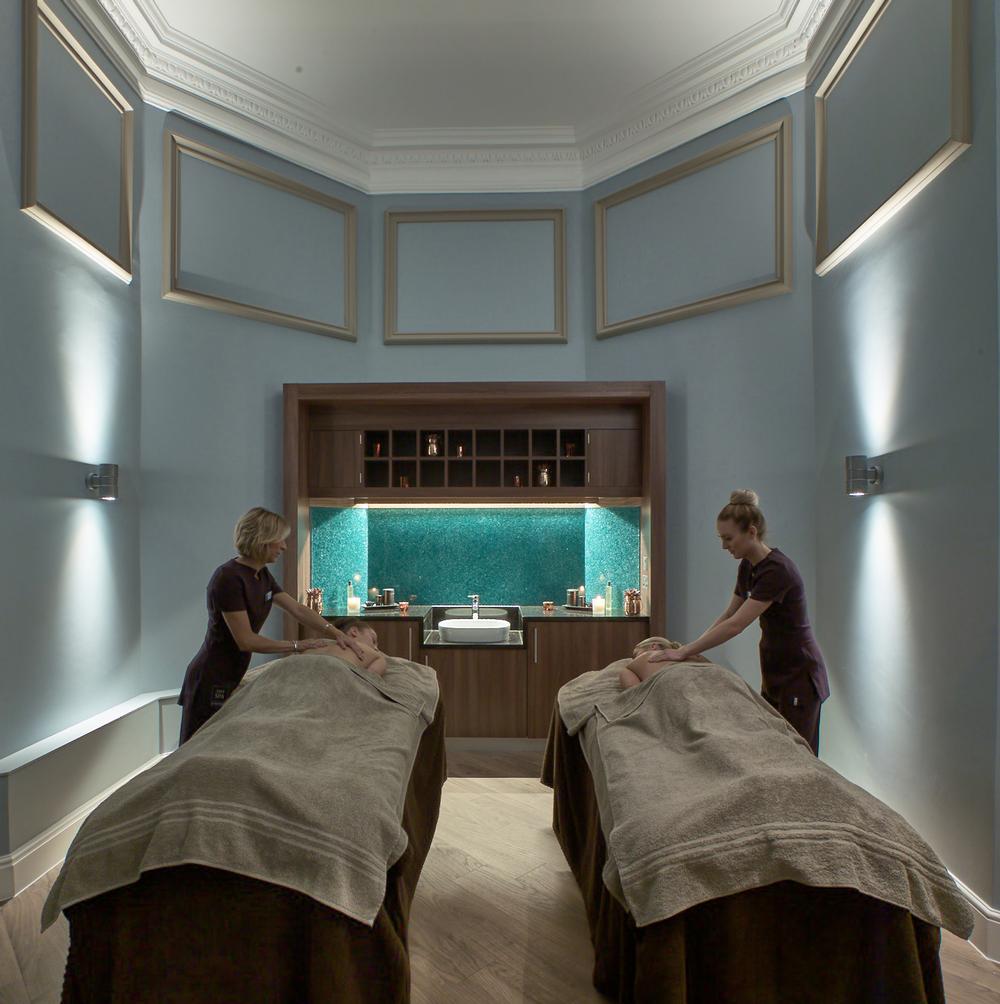
Nearly 75 per cent of UK spa-goers would try an alternative therapy to a massage / photo: SPA AT THE MIDLANDS
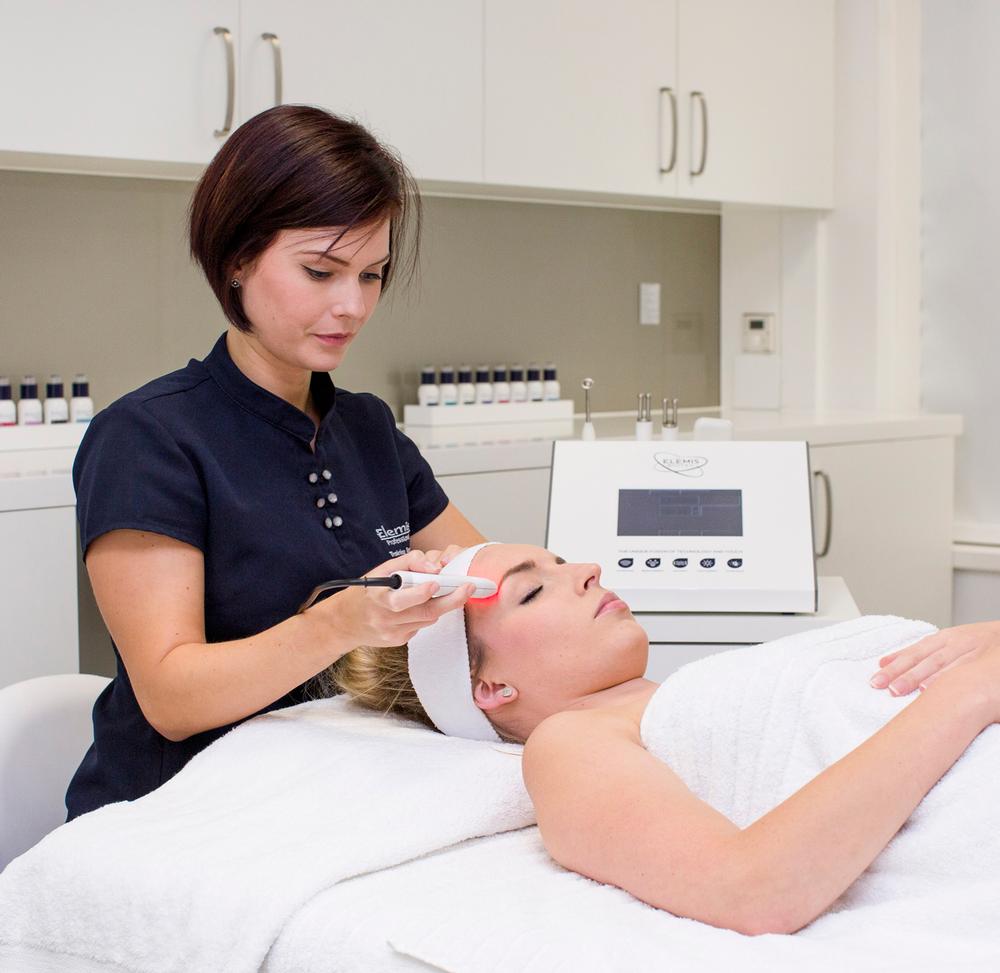
Consumers want more info on machine-led treatments like Elemis’ Biotec
Ninety-five per cent of people say they’d take time off mid-week for a spa day / photo: MODDERSHALL OAKS
Elevate is set to celebrate its 10th anniversary in style this June, with organisers
confirming the event’s largest-ever drinks reception as registrations continue to run more
than 10% ahead of last year. [more...]
As healthcare continues to shift towards prevention, there’s a growing focus on helping
people stay active, independent and feeling good for longer. [more...]
+ More featured suppliers
COMPANY PROFILES
Serco Leisure
Serco Leisure Operating Limited is one of the UK’s leading national operators of leisure centres, de [more...]
The scope of spa facilities are the key driver for visits the survey shows / photo: Alexander House
Location and price are important factors when choosing a spa for UK consumers, but the overriding drive is the scope of facilities that are on offer. This was just one of the findings revealed in the 2015 Good Spa Guide Survey (see Chart 1) details of which were released in February.
The Good Spa Guide is a UK consumer-facing magazine, book and website which reviews around 100 spas a year. The survey was based on the answers of 563 of its users – people who are serious about spas and make up to four visits a year. So what else did they have to say?
Views on wellness In the survey, nearly 75 per cent of people said they’d try an alternative therapy such as mindful meditation or shiatsu during a spa day, compared to 25 per cent who said they wouldn’t. These findings are interesting as they indicate that spa-goers are ready and waiting for something more than a massage and they’re bang on the wellness trend, according to Daphne Metland, managing director of the Good Spa Guide. She says: “For consumers, wellness is a really simple concept – maybe too simple if they’re just after alternative therapies – but they understand it, want it and expect it.
“But I think the spa industry hasn’t grasped it yet. There are so many different opinions about wellness that it’s confusing. The sector needs just one simple message about wellness because people are reading about it and want to spend their money on it.”
Hands-only or machine-led? Having a facial which is machine-led is something that UK spa-goers feel unsure about compared to a hands-only one. Eighty per cent of the survey respondents have never had a machine-based facial and, what’s more, 78 per cent would be unwilling to try one.
“There’s an education task here,” says Metland. “When the Good Spa Guide spies go to spas we always ask therapists ‘what does this machine do?’ and more often than not they can’t tell us. Owners and operators need to educate therapists to convey the advantages of machines and they also need to educate consumers about them more.” She suggests offering written information, demonstrations and special offers for a first try.
Off peak business It’s very unusual that a spa will be busy seven days of the week, but there’s more scope to boost week-day custom than you’d expect according to the survey results. Ninety-five per cent of respondents said they’d actually be willing to take a day off work to visit a spa.
Metland says: “If your spa is not busy in the week, you have to ask yourself why. These men and women are willing to take a holiday and you need to ask why they’re not booking into your spa.
“Are your week-day packages too expensive? What are you offering to make it worth taking a day off? They’re making a sacrifice to come mid-week, so maybe you can enhance their spa day. But they’re all willing to do it, which is a good sign.”
Therapist expertise People who take time out to go to a spa expect to have a good treatment and Good Spa Guide Survey results show consumers are happy to go the extra mile to ensure this happens. Approximately 45 per cent of customers would choose to book a senior therapist over a newly-qualified one given the option. Similarly, 50 per cent of spa-goers also said they’d pay more for an experienced practitioner.
“It’s intriguing – when I go to the dentist, I know who’s going to look at my teeth; when I go to the hairdresser, I know who’s going to do my hair because I book the person. Any other treatment I book, in any other field, I book the person,” says Metland. “However, when I go to a spa, I only book a massage or a facial – I don’t book the individual. And this suggests to me that we should be promoting our therapists, telling consumers about what they’ve done, what their education is, what their experience is, what their speciality is and actually differentiating your staff. Spas who keep their therapists hidden are missing a trick. You enter a spa, sit down, someone comes out and says ‘oh hello, I’m Lucy, I’m your therapist’ – that’s all you know about them.”
She concludes that highlighting your therapists and their skills with pictures and information on websites is a no-brainer as it’s something which consumers want and – importantly – are prepared to pay more for. “What difference would it make to your bottom line if 50 per cent of your guests paid 10 per cent more for their treatments?”
Chart 1: What makes you book one spa over another?
Chart 1
Nearly 75 per cent of UK spa-goers would try an alternative therapy to a massage / photo: SPA AT THE MIDLANDS
Consumers want more info on machine-led treatments like Elemis’ Biotec
Ninety-five per cent of people say they’d take time off mid-week for a spa day / photo: MODDERSHALL OAKS
Global luxury hospitality brand, Six Senses, has partnered with longevity healthcare provider,
HUM2N, to launch a clinic at Six Senses London, at The Whiteley.
Premium London health club, KX Chelsea, will imminently unveil its most significant
redevelopment since its launch in 2002 to create an integrated wellness model combining
training, recovery and relaxation.
Researchers in the US have identified an antibody which could greatly reduce the loss of lean
muscle mass in people who are taking weight-loss medications.
Crunch Fitness has announced the launch of Crunch Reform Pilates – its own reformer concept
designed to bring this fast growing, but rather expensive, modality into the mainstream.
The 20th State of the Industry Report reveals a resilient, expanding and competitive
sector, the
importance of differentiation and the ongoing challenge of tackling inequalities.
Nuffield Health has told HCM that it takes its responsibilities towards its colleagues seriously
and is committed to meeting all legal obligations after news of a tribunal has made national
headlines.
Technogym has announced the launch of the Run X World Treadmill Championship, the first
world championship for running on connected treadmills over five kilometres.
Elevate is set to celebrate its 10th anniversary in style this June, with organisers
confirming the event’s largest-ever drinks reception as registrations continue to run more
than 10% ahead of last year. [more...]
As healthcare continues to shift towards prevention, there’s a growing focus on helping
people stay active, independent and feeling good for longer. [more...]
+ More featured suppliers
COMPANY PROFILES
Serco Leisure Serco Leisure Operating Limited is one of the UK’s leading national operators of leisure centres, de [more...]