Innovative new partnerships will strive to turn activity into the norm / shutterstock
If we’re to improve the nation’s health, save the NHS and improve lives cradle-to-grave, then a relentless focus on reducing inactivity is the only viable plan for organisations that have a stake in physical activity, health or sport.
I must have typed that paragraph – or similar – hundreds of times since ukactive first launched Turning the Tide of Inactivity in January 2014, calling for a cross-government national ambition to reduce inactivity year-on-year.
And now, with the launch in May of Sport England’s updated strategy, the seeds planted by that report – pushing for inactivity to be the primary focus of public investment – will bear fruit. With its clear narrative around inactivity, backed up by significant new funding streams (nearly £250m is available), the Sport England strategy will – in collaboration with partners in health, active travel, sports and so on – engage inactive populations and make sure activity is accessible for everyone.
The strategy makes bold, progressive moves in a number of areas, including openness to a broader range of partners, a more evidence-based approach, transparency, a healthy focus on children and young people, and the skills agenda; a ringing endorsement of CIMSPA was one of the marquee moments of the strategy launch.
The inactivity agenda But the justified praise for Sport England and the direction its new strategy has taken must also come with a recognition that individual organisations in the private, charitable and third sector have already led the way in this field.
While Sport England has now adopted the inactivity clothing wholeheartedly, it will ultimately be through onward tailoring – working in conjunction with various partners – that the organisation will ensure they properly fit.
Organisations the length and breadth of the UK have been developing initiatives that are increasingly effective at growing truly active communities. Many of these have sat well outside of the orbit of partnerships developed by Sport England in the past.
Increasingly innovative partnerships between our sector and the public health sector – and recently the NHS and CCG world – have shown the way when it comes to engaging the unengaged. Whether it’s the Let’s Get Moving programme, delivered in collaboration by local authorities and operators, or the vast opportunity presented by the National Diabetes Prevention programme, there’s a real feeling from the sector that ‘inactivity’ has been the right path to take.
Working as one And now Sport England deserves huge congratulations for making this path the central tenet of the government’s plan to get the nation moving more.
So we’re now all firmly on the same page: the Department of Health, Public Health England, ukactive and Sport England. Our next job is to ensure we’re not all speaking the same language but actually just carrying on as we were. Instead, it’s about doing things differently, with a broader range of partners all pulling in the same direction.
These are exciting times for operators and suppliers who have put inactivity at the heart of their own business planning. Whether you’re in the public, private or third sector, having government and its agencies beating the drum to expand the pool of active people in which we fish can only be good news for the long-term sustainability of our sector.
Active Blackpool is deploying Cornerstone Connect, a new digital interface allowing
disparate information from multiple systems to be aggregated into one dataset, to support
its focus on reducing health inequalities and improving healthy life expectancy. [more...]
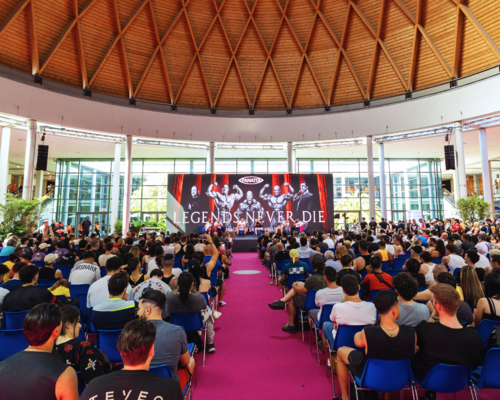
Panatta brought together four of the most influential figures in bodybuilding history on the
stage of RiminiWellness 2026: Phil Heath, Lee Haney, Ronnie Coleman and Hany Rambod. [more...]
+ More featured suppliers
COMPANY PROFILES
Everyone Active
Everyone Active operates leisure centres in partnership with local councils across the UK. Today, Ev [more...]
Innovative new partnerships will strive to turn activity into the norm / shutterstock
If we’re to improve the nation’s health, save the NHS and improve lives cradle-to-grave, then a relentless focus on reducing inactivity is the only viable plan for organisations that have a stake in physical activity, health or sport.
I must have typed that paragraph – or similar – hundreds of times since ukactive first launched Turning the Tide of Inactivity in January 2014, calling for a cross-government national ambition to reduce inactivity year-on-year.
And now, with the launch in May of Sport England’s updated strategy, the seeds planted by that report – pushing for inactivity to be the primary focus of public investment – will bear fruit. With its clear narrative around inactivity, backed up by significant new funding streams (nearly £250m is available), the Sport England strategy will – in collaboration with partners in health, active travel, sports and so on – engage inactive populations and make sure activity is accessible for everyone.
The strategy makes bold, progressive moves in a number of areas, including openness to a broader range of partners, a more evidence-based approach, transparency, a healthy focus on children and young people, and the skills agenda; a ringing endorsement of CIMSPA was one of the marquee moments of the strategy launch.
The inactivity agenda But the justified praise for Sport England and the direction its new strategy has taken must also come with a recognition that individual organisations in the private, charitable and third sector have already led the way in this field.
While Sport England has now adopted the inactivity clothing wholeheartedly, it will ultimately be through onward tailoring – working in conjunction with various partners – that the organisation will ensure they properly fit.
Organisations the length and breadth of the UK have been developing initiatives that are increasingly effective at growing truly active communities. Many of these have sat well outside of the orbit of partnerships developed by Sport England in the past.
Increasingly innovative partnerships between our sector and the public health sector – and recently the NHS and CCG world – have shown the way when it comes to engaging the unengaged. Whether it’s the Let’s Get Moving programme, delivered in collaboration by local authorities and operators, or the vast opportunity presented by the National Diabetes Prevention programme, there’s a real feeling from the sector that ‘inactivity’ has been the right path to take.
Working as one And now Sport England deserves huge congratulations for making this path the central tenet of the government’s plan to get the nation moving more.
So we’re now all firmly on the same page: the Department of Health, Public Health England, ukactive and Sport England. Our next job is to ensure we’re not all speaking the same language but actually just carrying on as we were. Instead, it’s about doing things differently, with a broader range of partners all pulling in the same direction.
These are exciting times for operators and suppliers who have put inactivity at the heart of their own business planning. Whether you’re in the public, private or third sector, having government and its agencies beating the drum to expand the pool of active people in which we fish can only be good news for the long-term sustainability of our sector.
The UK's four Chief Medical Officers have published a refreshed edition of Physical activity
guidelines: UK Chief Medical Officers' report, updating the evidence that underpins the nation's
physical activity recommendations and placing greater emphasis on strength, balance, reducing
sedentary behaviour and, for the first time, supporting people taking weight loss medications.
Places Leisure has exchanged contracts to build and operate a flagship £60m water and leisure
destination on behalf of Basingstoke and Deane Borough Council.
The Republic of Ireland will become the latest market in PureGym’s expanding international
portfolio, with the first launch planned for Dublin in 2027.
Anytime Fitness opened more than one club a day in 2025 and is on track to maintain this rate
of growth this year, as parent company Purpose Brands targets further international expansion.
The £33.9 million Leighton Leisure and Community Centre has opened in Leighton Buzzard, UK,
creating a next-generation public leisure, health and wellbeing hub for the local community.
Walnuts Leisure Centre in Orpington, in the London Borough of Bromley, has reopened following
a £17m transformation designed to secure the long-term future of the public leisure asset and
reposition it as a community wellbeing hub.
The Gym Group, has announced that it's sustained positive trading momentum has continued
through the first half of 2026 and the company remains confident about the outlook.
Active Blackpool is deploying Cornerstone Connect, a new digital interface allowing
disparate information from multiple systems to be aggregated into one dataset, to support
its focus on reducing health inequalities and improving healthy life expectancy. [more...]
Panatta brought together four of the most influential figures in bodybuilding history on the
stage of RiminiWellness 2026: Phil Heath, Lee Haney, Ronnie Coleman and Hany Rambod. [more...]
+ More featured suppliers
COMPANY PROFILES
Everyone Active Everyone Active operates leisure centres in partnership with local councils across the UK. Today, Ev [more...]