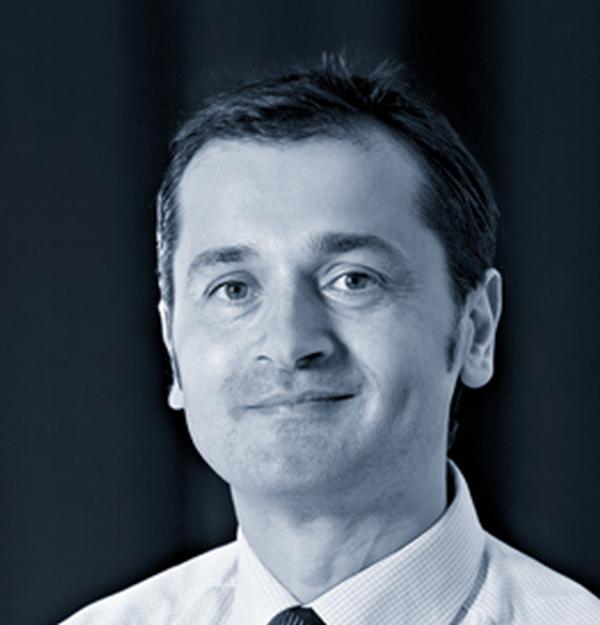
ike Alpert’s early career was as a Californian stockbroker with Shearson Lehman Brothers, but it was a move to Oregon that profoundly changed his life. He had been drawn to Oregon for the winter skiing, but soon after arriving decided with a close friend to create The Athletic Club of Bend, a new multi-use athletic, aquatic, tennis and social club.
One programme they started at the club was for children with severe physically disabilities, called US Able Oregon, and Alpert began twice-weekly warm water pool sessions with a five-year-old boy living with severe spina bifida. Alpert was struck by the joy these sessions brought to a boy who would never walk and asked himself why the club wasn’t doing more programmes like this. “I became obsessed with wanting to do more of these kinds of things. That five-year-old boy changed my life and gave me meaning,” he says.
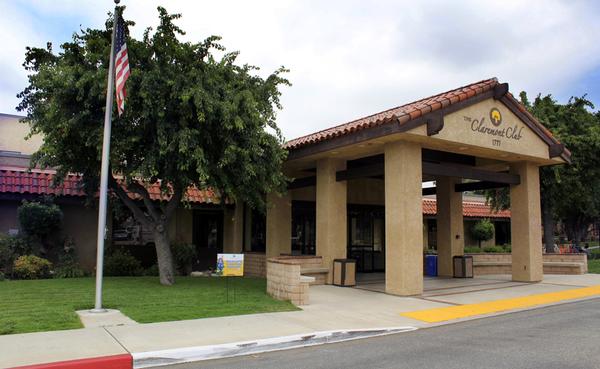
Alpert eventually returned to California where, since 1997, he has been the president and CEO of The Claremont Club. Founded in 1973, the health club, fitness and wellness centre nestles in 7.5 hectares (19 acres) in the city of Claremont – around 52km east of downtown Los Angeles – where it serves more than 10,000 members.
The inclusive operating philosophy that Alpert embedded in his earlier Oregon club is also evident at The Claremont Club, which is why this year it was the recipient of IHRSA’s Outstanding Community Service Award; each year, IHRSA recognises one health club that’s making a difference in, and beyond, its local community.
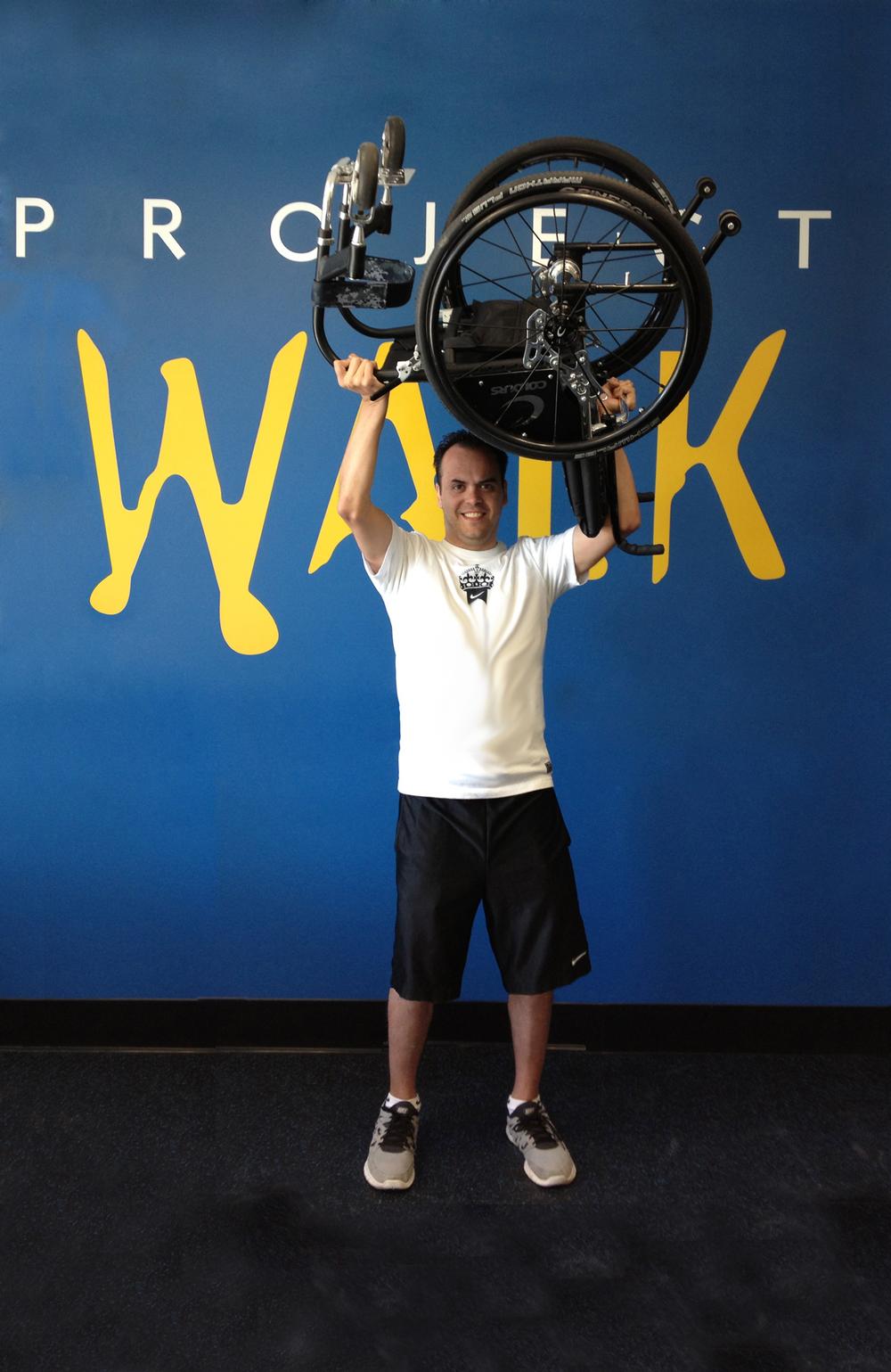
Spinal cord injuries In 2007, Claremont Club member Hal Hargrave was involved in a road traffic accident that resulted in a life-changing spinal cord injury. After one year, his insurance company stopped paying for rehabilitation and Hargrave was in limbo until The Claremont Club stepped in and offered to convert a single 84sq m (900sq ft) racquetball court into a dedicated therapy gym.
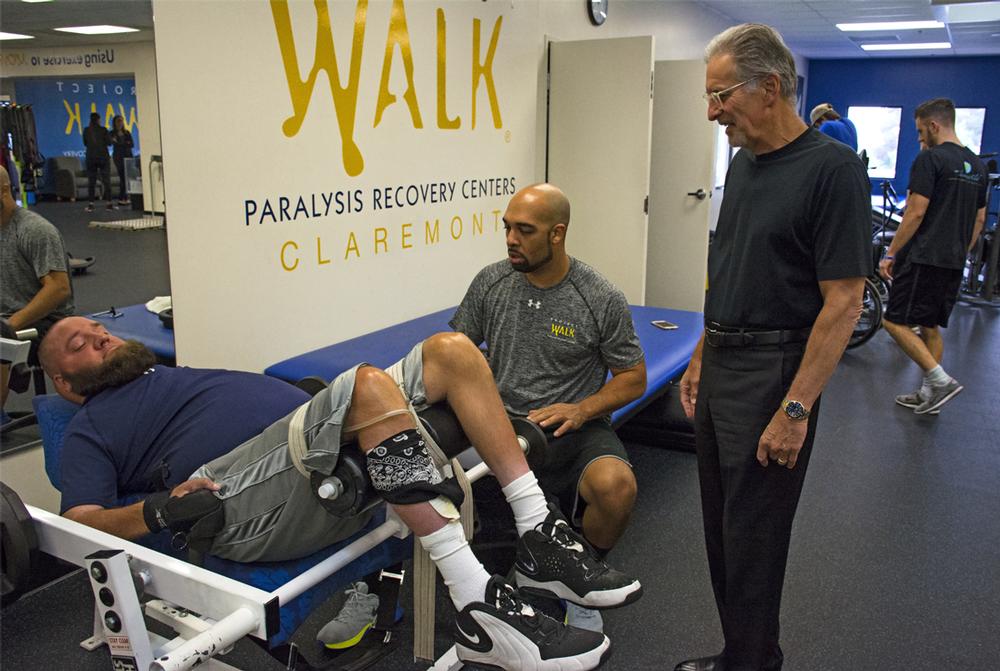
It soon became evident that there were many other people with spinal cord injuries needing ongoing rehabilitation. What started as the conversion of a single court has therefore been extended into a 474sq m (5,100sq ft) world-class facility called the Project Walk Spinal Cord Injury Recovery Center, supporting approximately 80 full-time clients.
Project Walk is a fee-based programme, as the centre employs seven specialist staff, but the club financially supports people on a case-by-case basis. Close family members receive complementary club membership so they can recuperate and also not have to witness their loved ones going through what can be very distressing therapy.
Approximately 300 people living with paralysis have experienced Project Walk to date. Lives are being transformed, with some people making such remarkable progress in both their physical and mental wellbeing that they are subsequently hired to work at the club.
Meanwhile Hargrave has since formed The Be Perfect Foundation, a non-profit organisation that supports people living with paralysis.
Health club meets healthcare Alpert believes a health club should be more than a domain for those predisposed to physical activity – a playground for ‘active affluents’. His passion for supporting people affected by a life-changing injury or illness comes from his belief that exercise really is a medicine.
It’s an operating philosophy that’s allowing his club to straddle fitness and healthcare. “We have the ability to reach out and really help people struggling with chronic injuries and illnesses,” says Alpert. “In so many cases, these people have been written off and forgotten.”
He continues: “Exercise is medicine. Isn’t it time we took the lead in merging the experts in healthcare with the experts in fitness? Why do they continue to work so independently of each other when we know that exercise has such a powerful effect on people’s health?”
What does your club believe in? Helping people living with paralysis may not form part of your health club’s distinctive story, but what does your business believe in?
What I believe is that, as competitive pressure intensifies in the fitness sector, it will be clubs like The Claremont Club that will flourish – and that’s because their staff, employees, management, investors and other stakeholders all know that what they’re doing is transformative and genuinely remarkable.
So ask yourself this: are other people saying the same about your organisation?
Living Well After Cancer programme
“I feel like I’m trying to run away from my cancer when I’m on the treadmill,” says Linda Johnson, a Claremont Club member. Johnson used to describe herself as a ‘professional couch potato’, but that was before she enrolled onto the club’s Living Well After Cancer programme. Private donations enable the specialised programme to be delivered without charge.
The programme is a collaboration between The Claremont Club and Pomona Valley Hospital’s cancer care centre, and over 13 weeks men and women take part in fitness conditioning, nutrition workshops and support group meetings. As at June 2016, 790 people have completed the programme, reporting higher self-esteem, better fitness levels and an enriched quality of life as a result.
Due to its popularity, the club now offers a free one-year programme for children and young adults living with cancer.
IN A NUTSHELL Project by: The Claremont Club, US
Web: www.claremontclub.com
Charities supported: Various
Project status: Ongoing and long-term
Impact: United States
Gymtopia keywords: Health & Wellbeing, Helping Children, Education
The club serves more than 10,000 members
Gymtopia – a place where clubs do social good
Ray Algar
Gymtopia was conceived by founder and chief engagement officer Ray Algar, who believes that the global health and fitness industry has enormous influence and potential to be a force for good in the world, reaching beyond its immediate customers.
The idea of Gymtopia is simple: to curate and spread remarkable stories in which the fitness industry uses its influence to reach out and support an external community in need.
It was created with the generous support of five organisations: Companhia Athletica, Gantner Technologies, Les Mills, Retention Management and The Gym Group. Gymtopia received an Outstanding Achievement Award in the ukactive Matrix Flame Awards 2014.
Read more stories and submit your own: www.Gymtopia.org
The club offers a free one-year programme for children and adults living with cancer
Crash victim Hal Hargrave was the first beneficiary of Project Walk
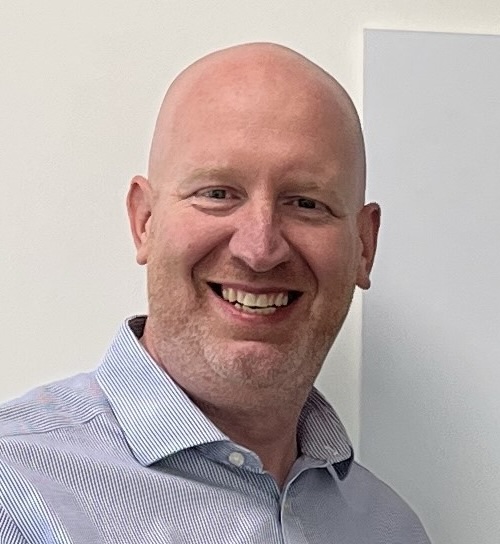
Alpert at Project Walk
Project Walk patient Brandon Rayburn was injured while snowboarding
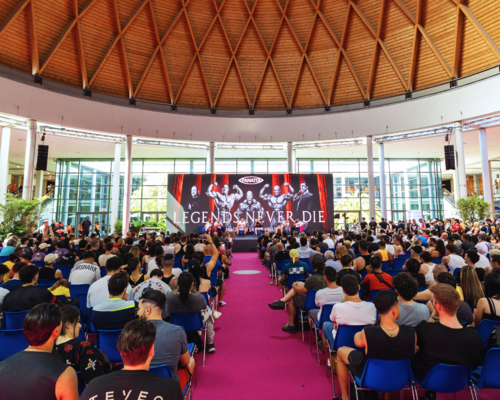
Panatta brought together four of the most influential figures in bodybuilding history on the
stage of RiminiWellness 2026: Phil Heath, Lee Haney, Ronnie Coleman and Hany Rambod. [more...]
Active Blackpool is deploying Cornerstone Connect, a new digital interface allowing
disparate information from multiple systems to be aggregated into one dataset, to support
its focus on reducing health inequalities and improving healthy life expectancy. [more...]
ike Alpert’s early career was as a Californian stockbroker with Shearson Lehman Brothers, but it was a move to Oregon that profoundly changed his life. He had been drawn to Oregon for the winter skiing, but soon after arriving decided with a close friend to create The Athletic Club of Bend, a new multi-use athletic, aquatic, tennis and social club.
One programme they started at the club was for children with severe physically disabilities, called US Able Oregon, and Alpert began twice-weekly warm water pool sessions with a five-year-old boy living with severe spina bifida. Alpert was struck by the joy these sessions brought to a boy who would never walk and asked himself why the club wasn’t doing more programmes like this. “I became obsessed with wanting to do more of these kinds of things. That five-year-old boy changed my life and gave me meaning,” he says.
Alpert eventually returned to California where, since 1997, he has been the president and CEO of The Claremont Club. Founded in 1973, the health club, fitness and wellness centre nestles in 7.5 hectares (19 acres) in the city of Claremont – around 52km east of downtown Los Angeles – where it serves more than 10,000 members.
The inclusive operating philosophy that Alpert embedded in his earlier Oregon club is also evident at The Claremont Club, which is why this year it was the recipient of IHRSA’s Outstanding Community Service Award; each year, IHRSA recognises one health club that’s making a difference in, and beyond, its local community.
Spinal cord injuries In 2007, Claremont Club member Hal Hargrave was involved in a road traffic accident that resulted in a life-changing spinal cord injury. After one year, his insurance company stopped paying for rehabilitation and Hargrave was in limbo until The Claremont Club stepped in and offered to convert a single 84sq m (900sq ft) racquetball court into a dedicated therapy gym.
It soon became evident that there were many other people with spinal cord injuries needing ongoing rehabilitation. What started as the conversion of a single court has therefore been extended into a 474sq m (5,100sq ft) world-class facility called the Project Walk Spinal Cord Injury Recovery Center, supporting approximately 80 full-time clients.
Project Walk is a fee-based programme, as the centre employs seven specialist staff, but the club financially supports people on a case-by-case basis. Close family members receive complementary club membership so they can recuperate and also not have to witness their loved ones going through what can be very distressing therapy.
Approximately 300 people living with paralysis have experienced Project Walk to date. Lives are being transformed, with some people making such remarkable progress in both their physical and mental wellbeing that they are subsequently hired to work at the club.
Meanwhile Hargrave has since formed The Be Perfect Foundation, a non-profit organisation that supports people living with paralysis.
Health club meets healthcare Alpert believes a health club should be more than a domain for those predisposed to physical activity – a playground for ‘active affluents’. His passion for supporting people affected by a life-changing injury or illness comes from his belief that exercise really is a medicine.
It’s an operating philosophy that’s allowing his club to straddle fitness and healthcare. “We have the ability to reach out and really help people struggling with chronic injuries and illnesses,” says Alpert. “In so many cases, these people have been written off and forgotten.”
He continues: “Exercise is medicine. Isn’t it time we took the lead in merging the experts in healthcare with the experts in fitness? Why do they continue to work so independently of each other when we know that exercise has such a powerful effect on people’s health?”
What does your club believe in? Helping people living with paralysis may not form part of your health club’s distinctive story, but what does your business believe in?
What I believe is that, as competitive pressure intensifies in the fitness sector, it will be clubs like The Claremont Club that will flourish – and that’s because their staff, employees, management, investors and other stakeholders all know that what they’re doing is transformative and genuinely remarkable.
So ask yourself this: are other people saying the same about your organisation?
Living Well After Cancer programme
“I feel like I’m trying to run away from my cancer when I’m on the treadmill,” says Linda Johnson, a Claremont Club member. Johnson used to describe herself as a ‘professional couch potato’, but that was before she enrolled onto the club’s Living Well After Cancer programme. Private donations enable the specialised programme to be delivered without charge.
The programme is a collaboration between The Claremont Club and Pomona Valley Hospital’s cancer care centre, and over 13 weeks men and women take part in fitness conditioning, nutrition workshops and support group meetings. As at June 2016, 790 people have completed the programme, reporting higher self-esteem, better fitness levels and an enriched quality of life as a result.
Due to its popularity, the club now offers a free one-year programme for children and young adults living with cancer.
IN A NUTSHELL Project by: The Claremont Club, US
Web: www.claremontclub.com
Charities supported: Various
Project status: Ongoing and long-term
Impact: United States
Gymtopia keywords: Health & Wellbeing, Helping Children, Education
The club serves more than 10,000 members
Gymtopia – a place where clubs do social good
Ray Algar
Gymtopia was conceived by founder and chief engagement officer Ray Algar, who believes that the global health and fitness industry has enormous influence and potential to be a force for good in the world, reaching beyond its immediate customers.
The idea of Gymtopia is simple: to curate and spread remarkable stories in which the fitness industry uses its influence to reach out and support an external community in need.
It was created with the generous support of five organisations: Companhia Athletica, Gantner Technologies, Les Mills, Retention Management and The Gym Group. Gymtopia received an Outstanding Achievement Award in the ukactive Matrix Flame Awards 2014.
Read more stories and submit your own: www.Gymtopia.org
The club offers a free one-year programme for children and adults living with cancer
Crash victim Hal Hargrave was the first beneficiary of Project Walk
Alpert at Project Walk
Project Walk patient Brandon Rayburn was injured while snowboarding
The UK's four Chief Medical Officers have published a refreshed edition of Physical activity
guidelines: UK Chief Medical Officers' report, updating the evidence that underpins the nation's
physical activity recommendations and placing greater emphasis on strength, balance, reducing
sedentary behaviour and, for the first time, supporting people taking weight loss medications.
Places Leisure has exchanged contracts to build and operate a flagship £60m water and leisure
destination on behalf of Basingstoke and Deane Borough Council.
The Republic of Ireland will become the latest market in PureGym’s expanding international
portfolio, with the first launch planned for Dublin in 2027.
Anytime Fitness opened more than one club a day in 2025 and is on track to maintain this rate
of growth this year, as parent company Purpose Brands targets further international expansion.
The £33.9 million Leighton Leisure and Community Centre has opened in Leighton Buzzard, UK,
creating a next-generation public leisure, health and wellbeing hub for the local community.
Walnuts Leisure Centre in Orpington, in the London Borough of Bromley, has reopened following
a £17m transformation designed to secure the long-term future of the public leisure asset and
reposition it as a community wellbeing hub.
The Gym Group, has announced that it's sustained positive trading momentum has continued
through the first half of 2026 and the company remains confident about the outlook.
Panatta brought together four of the most influential figures in bodybuilding history on the
stage of RiminiWellness 2026: Phil Heath, Lee Haney, Ronnie Coleman and Hany Rambod. [more...]
Active Blackpool is deploying Cornerstone Connect, a new digital interface allowing
disparate information from multiple systems to be aggregated into one dataset, to support
its focus on reducing health inequalities and improving healthy life expectancy. [more...]