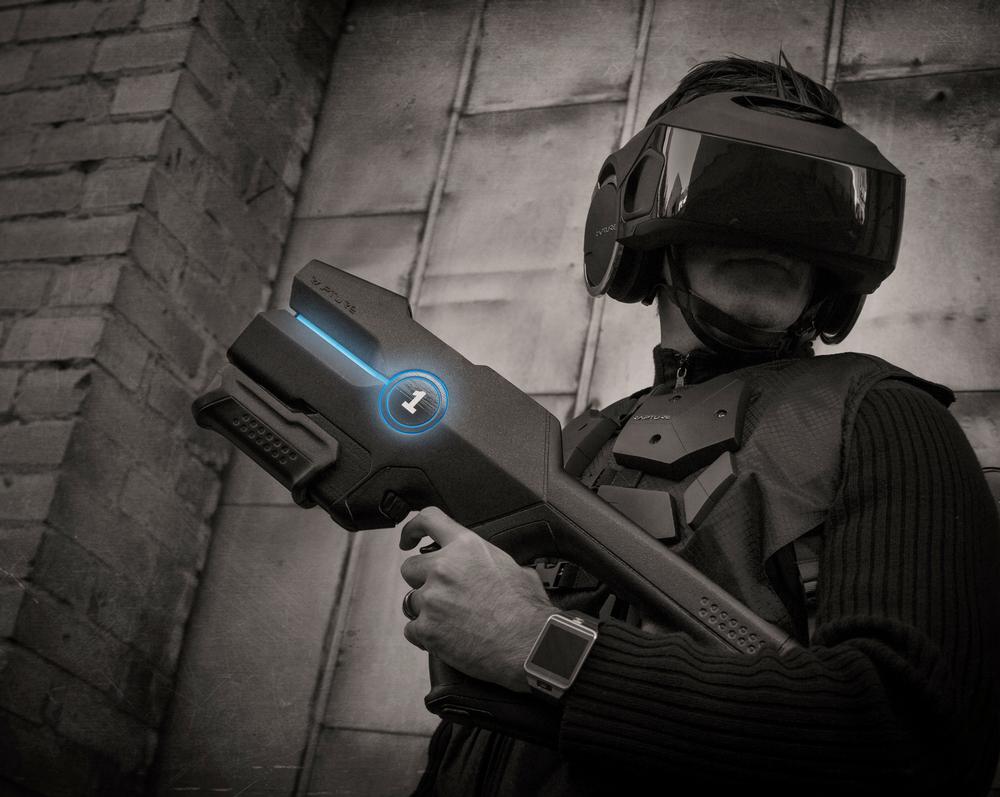
The hugely immersive medium of VR is a natural companion to the experiential, visual and narrative world of attractions. The technology’s applications for and within the industry are countless because, when it comes to storytelling, a VR experience really is like entering another world.
It’s no wonder a number of theme park and museum operators have already brought the technology to their visitors. For example, Europa Park, Six Flags Magic Mountain, Universal Japan and Alton Towers have reinvented veteran rollercoasters with the addition of a VR experience. London’s Natural History Museum has collaborated with David Attenborough to offer on-site VR experiences, while The Void, which is expected to fully open in Lindon, Utah, this year is defining a whole new genre for the attractions industry, the Virtual Entertainment Centre (VEC).
While some big players are already adapting the technology to their needs, creating the top-quality experience that people expect from out-of-home entertainment requires investment and the work of highly skilled technicians and creatives. It also poses challenges for operators in that it can be deemed too isolating an experience. It can also be awkward to implement on the ground with slow throughput and hygiene issues. However, the possibilities of content are infinite and when done well, a VR experience can boost revenues.
Is it time to embrace VR? Can it work for your attraction? We asked the experts.
|
|
|