Cancer prevalence is increasing: between 2015 and 2030, six million people will have a diagnosis of cancer in the UK. Improved treatment outcomes mean many people are living longer, but they’re not necessarily living well.
The good news is that being physically active can help improve both clinical and quality of life outcomes at every stage of a cancer journey, whether that’s at diagnosis, during or after treatment – including for those with advanced or incurable cancers.
Being physically active can help prevent or manage some of the consequences of treatment – including cancer-related fatigue, depression, heart damage and bone thinning – as well as helping prevent or manage co-morbidities including type 2 diabetes and heart disease. There’s also emerging evidence that being physically active may reduce the relative risk of disease progression, and even death for some cancers.
Macmillan’s insight research into the barriers and motivators around becoming and staying active for people living with, and beyond, cancer are four-fold. Firstly individual: whether the person believes they can do it, whether they’ve been active in the past, and their emotional wellbeing. Secondly, their social support networks: whether their family, friends and colleagues are supportive. Thirdly, whether they have physical consequences of their treatment or co-morbidities, such as loss of balance or bowel incontinence. Finally, the physical environment in which they live and work.
If people have strong personal self-efficacy, and supportive friends and family, they’re much more likely to be able to overcome physical consequences and environmental barriers than if they have low self-efficacy and unsupportive friends and family.
Interestingly, though, our insight shows a healthcare professional can cut across all of these barriers and increase the likelihood that someone will change their behaviour, no matter what their barriers.
Macmillan is therefore working in partnerships across the UK to create a 12-month behavioural change support service. This begins in clinical care settings and refers into the behaviour change support service, usually offered within the local community.
We’d welcome engagement from the health and fitness industry to help bring about a cultural and mindset change, and we’re encouraging the industry to move away from six- to 12-week exercise programmes towards a longer-term, more person-centred behaviour change approach.
In order to work with this market, fitness instructors and PTs need to have the Level 4 Cancer Rehabilitation qualification and be trained in behaviour change techniques and motivational interviewing.
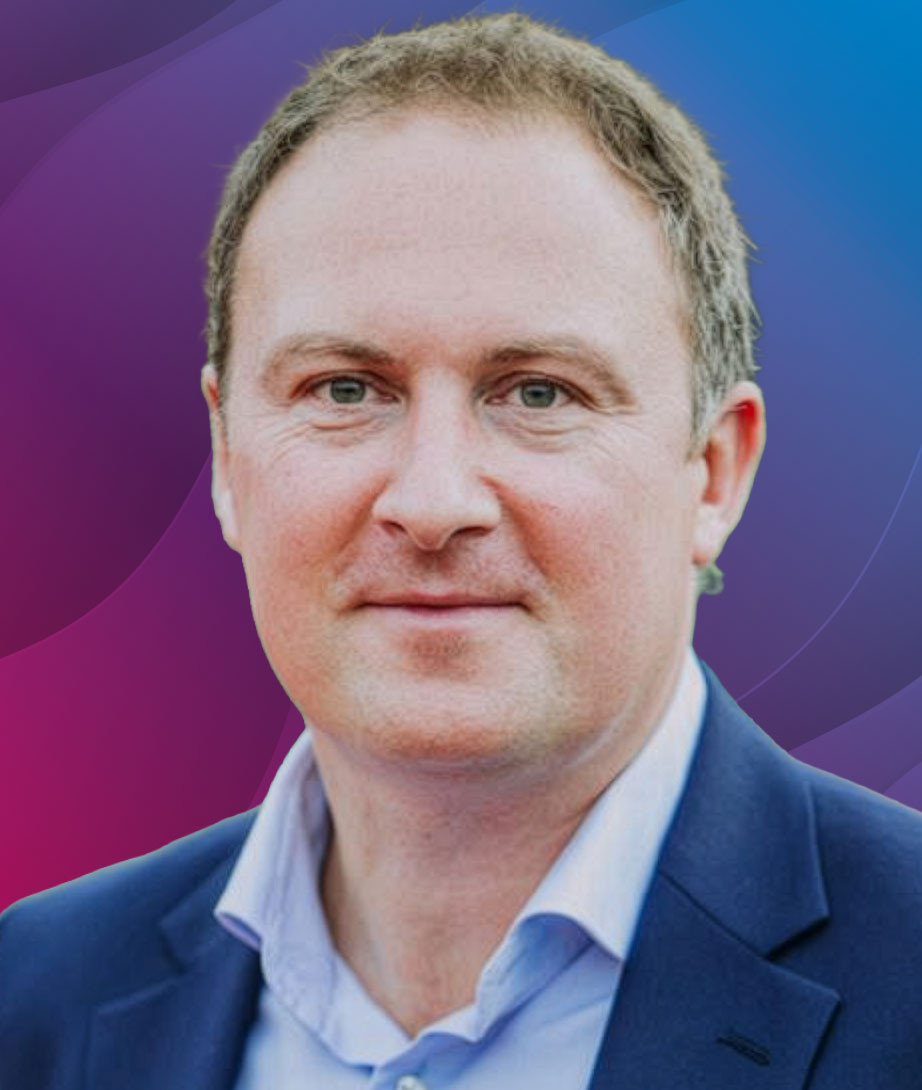
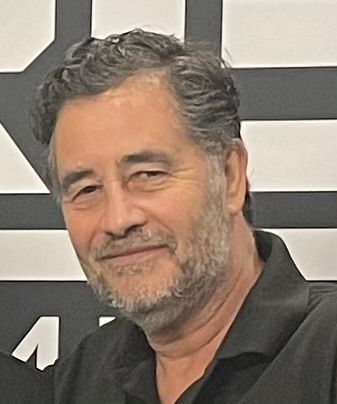
Want to hear more? Jo Foster will be among the speakers at Elevate, which takes place at London Olympia on 4–5 May 2016. Attendance is free of charge, with tickets offered on a first come, first served basis.
Register online at www.elevatearena.com where you can also see the full speaker line-up and programme.
Elevate
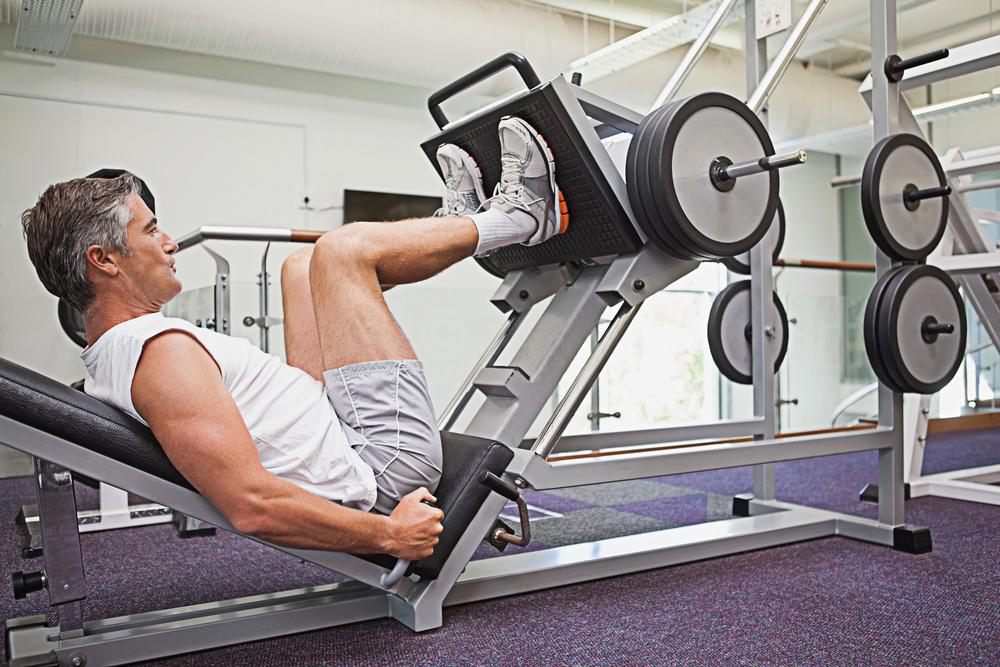
Macmillan wants to work with the fitness sector to bring about a mindset change towards exercise and cancer / PHOTO: SHUTTERSTOCK.COM
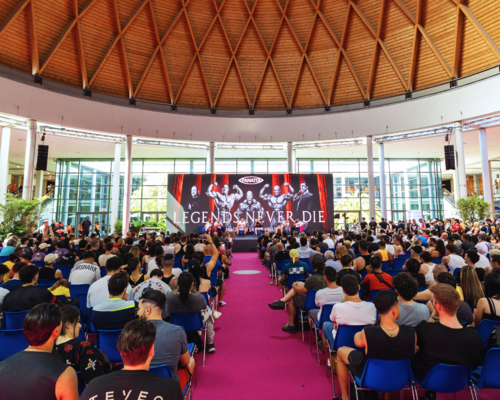
Panatta brought together four of the most influential figures in bodybuilding history on the
stage of RiminiWellness 2026: Phil Heath, Lee Haney, Ronnie Coleman and Hany Rambod. [more...]
Active Blackpool is deploying Cornerstone Connect, a new digital interface allowing
disparate information from multiple systems to be aggregated into one dataset, to support
its focus on reducing health inequalities and improving healthy life expectancy. [more...]
+ More featured suppliers
COMPANY PROFILES
Everyone Active
Everyone Active operates leisure centres in partnership with local councils across the UK. Today, Ev [more...]
PSLT Ltd
PSLT Fitness Solutions manufacture, remanufacture and buy back commercial gym equipment. [more...]
Cancer prevalence is increasing: between 2015 and 2030, six million people will have a diagnosis of cancer in the UK. Improved treatment outcomes mean many people are living longer, but they’re not necessarily living well.
The good news is that being physically active can help improve both clinical and quality of life outcomes at every stage of a cancer journey, whether that’s at diagnosis, during or after treatment – including for those with advanced or incurable cancers.
Being physically active can help prevent or manage some of the consequences of treatment – including cancer-related fatigue, depression, heart damage and bone thinning – as well as helping prevent or manage co-morbidities including type 2 diabetes and heart disease. There’s also emerging evidence that being physically active may reduce the relative risk of disease progression, and even death for some cancers.
Macmillan’s insight research into the barriers and motivators around becoming and staying active for people living with, and beyond, cancer are four-fold. Firstly individual: whether the person believes they can do it, whether they’ve been active in the past, and their emotional wellbeing. Secondly, their social support networks: whether their family, friends and colleagues are supportive. Thirdly, whether they have physical consequences of their treatment or co-morbidities, such as loss of balance or bowel incontinence. Finally, the physical environment in which they live and work.
If people have strong personal self-efficacy, and supportive friends and family, they’re much more likely to be able to overcome physical consequences and environmental barriers than if they have low self-efficacy and unsupportive friends and family.
Interestingly, though, our insight shows a healthcare professional can cut across all of these barriers and increase the likelihood that someone will change their behaviour, no matter what their barriers.
Macmillan is therefore working in partnerships across the UK to create a 12-month behavioural change support service. This begins in clinical care settings and refers into the behaviour change support service, usually offered within the local community.
We’d welcome engagement from the health and fitness industry to help bring about a cultural and mindset change, and we’re encouraging the industry to move away from six- to 12-week exercise programmes towards a longer-term, more person-centred behaviour change approach.
In order to work with this market, fitness instructors and PTs need to have the Level 4 Cancer Rehabilitation qualification and be trained in behaviour change techniques and motivational interviewing.
Want to hear more? Jo Foster will be among the speakers at Elevate, which takes place at London Olympia on 4–5 May 2016. Attendance is free of charge, with tickets offered on a first come, first served basis.
Register online at www.elevatearena.com where you can also see the full speaker line-up and programme.
Elevate
Macmillan wants to work with the fitness sector to bring about a mindset change towards exercise and cancer / PHOTO: SHUTTERSTOCK.COM
The UK's four Chief Medical Officers have published a refreshed edition of Physical activity
guidelines: UK Chief Medical Officers' report, updating the evidence that underpins the nation's
physical activity recommendations and placing greater emphasis on strength, balance, reducing
sedentary behaviour and, for the first time, supporting people taking weight loss medications.
Places Leisure has exchanged contracts to build and operate a flagship £60m water and leisure
destination on behalf of Basingstoke and Deane Borough Council.
The Republic of Ireland will become the latest market in PureGym’s expanding international
portfolio, with the first launch planned for Dublin in 2027.
Anytime Fitness opened more than one club a day in 2025 and is on track to maintain this rate
of growth this year, as parent company Purpose Brands targets further international expansion.
The £33.9 million Leighton Leisure and Community Centre has opened in Leighton Buzzard, UK,
creating a next-generation public leisure, health and wellbeing hub for the local community.
Walnuts Leisure Centre in Orpington, in the London Borough of Bromley, has reopened following
a £17m transformation designed to secure the long-term future of the public leisure asset and
reposition it as a community wellbeing hub.
The Gym Group, has announced that it's sustained positive trading momentum has continued
through the first half of 2026 and the company remains confident about the outlook.
Luxury boutique Pilates and wellness studio, X-Club, officially launches a
4,000sq ft flagship at
Marylebone on 16 July Built around X-Club’s four pillars of wellness – mind,
movement,
nutrition and therapy – the facility features two group exercise studi
Panatta brought together four of the most influential figures in bodybuilding history on the
stage of RiminiWellness 2026: Phil Heath, Lee Haney, Ronnie Coleman and Hany Rambod. [more...]
Active Blackpool is deploying Cornerstone Connect, a new digital interface allowing
disparate information from multiple systems to be aggregated into one dataset, to support
its focus on reducing health inequalities and improving healthy life expectancy. [more...]
+ More featured suppliers
COMPANY PROFILES
Everyone Active Everyone Active operates leisure centres in partnership with local councils across the UK. Today, Ev [more...]