Hectic lifestyles and stress-related illnesses are two factors leading people towards mindful exercise like yoga and pilates. Kath Hudson asks the experts what’s next in the field of mind-body
By Kath Hudson | Published in Health Club Management 2016 issue 3
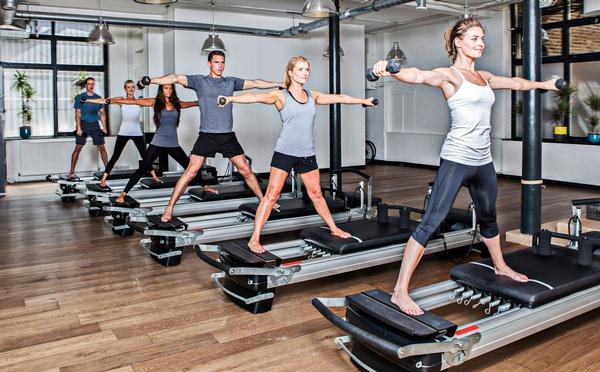
At our studios, yoga attendance is up 30 per cent year-on-year and pilates is up 25 per cent. We’re seeing particularly strong growth among males, many of whom historically trained by themselves or with a PT, but who have warmed to the idea of getting great guidance in a class-based environment.
We’re also seeing strong growth from the 40-plus age range in lower-impact disciplines like barre, which grew by 300 per cent last year at Heartcore.
Meditation and mindfulness can play a huge role in improving wellbeing, and there’s a real opportunity for health and fitness operators to help clients improve their physical health by supporting what we call ‘fair weather in the mind’ – not only within dedicated offerings and classes, but even more so when highlighted in other class formats.
Because of population density, it’s hard to run profitable boutique studios outside major metropolitan areas, but that doesn’t mean there aren’t people in other areas who would benefit from training in this way. Providing those people with access to classes and guidance digitally will be a big push over the next few years.
In fact, we’re already seeing strong growth in the digital fitness arena and the rise of the digital fitness personalities, and streaming and app-based guidance will continue to grow. This technology gives people content that they might not otherwise be able to access, and also provides additional distribution for studios and individual fitness instructors.
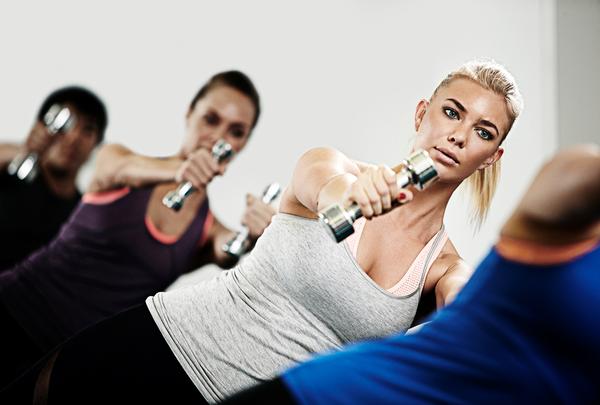
At Heartcore studios, pilates attendance is up 25 per cent year-on-year
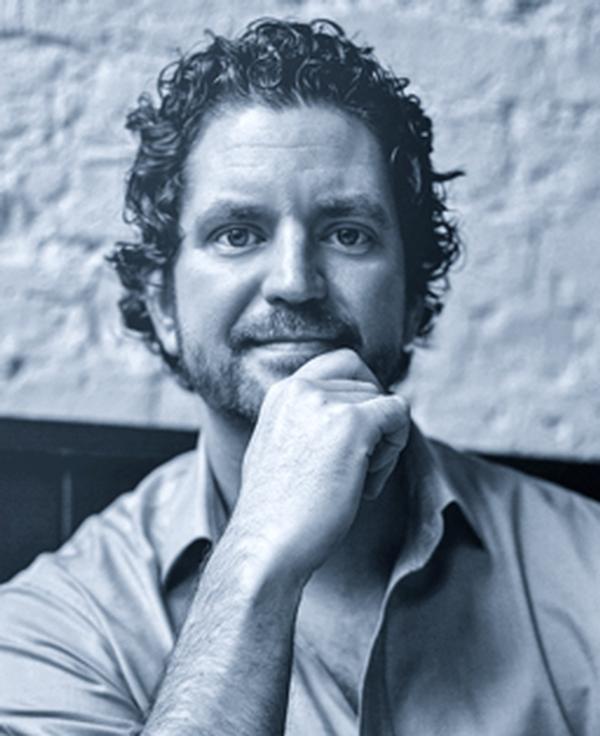
Joanne MatthewsFounderTen Pilates, UK
Joanne Matthews
There are a few agendas colliding at the moment which are benefiting the mind-body sector. Our sedentary lifestyles, combined with being constantly connected to technology and multi-tasking, means that people need help to switch off more than ever before. Mental health has never been such a hot topic: our core audience is people aged 35-plus, looking for a holistic approach and help to switch off.
As a result, meditation and mindfulness will become increasingly popular, not only in the wellness and fitness sectors but in the wider business community as well. We’ve recently taken mindfulness classes into the City of London, which have been very well received.
The younger audience is more goal-orientated and drawn to events like Tough Mudder and cycling a leg of the Tour de France. To engage this market, studios need to offer a service that supports their goals. For example, we use Wattbikes to reveal imbalances that we can then correct through pilates classes.
Over-35s are looking for classes that help the mind as well as the body
Lindsay G MerrithewPresident and CEOMerrithew
Lindsay G Merrithew
Mind-body fitness and mindful movement are poised to go mainstream as the ways of approaching it proliferate and expand. There’s a general cultural shift towards maintaining overall wellness: people are now considering how their daily habits affect their health, and also how state of health is connected with state of mind.
We’re seeing growing interest in speciality training programmes, with more people becoming rehabilitative conditioning practitioners, sport-specific trainers, senior population specialists and so on. We’re also seeing big opportunities internationally – for example China, Australia, France, Mexico and Spain.
The philosophy of the mind-body connection has existed in many different forms in different countries and cultures throughout history, which is one of the reasons why mindful movement is being so quickly understood and accepted worldwide.
“We’re seeing growing interest in speciality training programmes – for sport-specific trainers, senior population specialists and so on”
The connection between mind and body is readily understood and accepted, says Merrithew
Ken EndelmanFounder and CEOBalanced Body
Ken Endelman
Although it is in fact neither of these things, pilates is sometimes still seen as too exclusive and/or too female-orientated. Meanwhile, club managers tell us their members are looking for smarter ways to exercise – things they as a club can provide without too much financial outlay and also without taking up too much floor space.
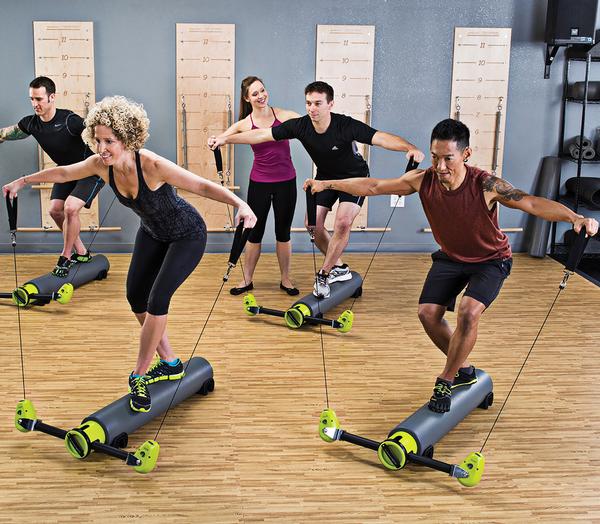
As a result, we’re trying to create programmes that incorporate new elements that are complementary to pilates, but which bring more of a cardio and strength training dimension to the class. Programmes like MOTR and Bodhi Suspension Training, for example, are allowing us to widen participation – appealing to more male members – while still providing people with an effective, focused, full-body workout.
Our goal is ultimately to get more people moving. We believe that, if we can get some people who might be intimidated by pilates to try, for example, MOTR – because it’s unusual and fun – that acts as a great introduction to mindful movement, and this might encourage them to try a Reformer class in the future.
“although it is in fact neither of these things, pilates is sometimes still seen as too exclusive and/or too female-orientated”
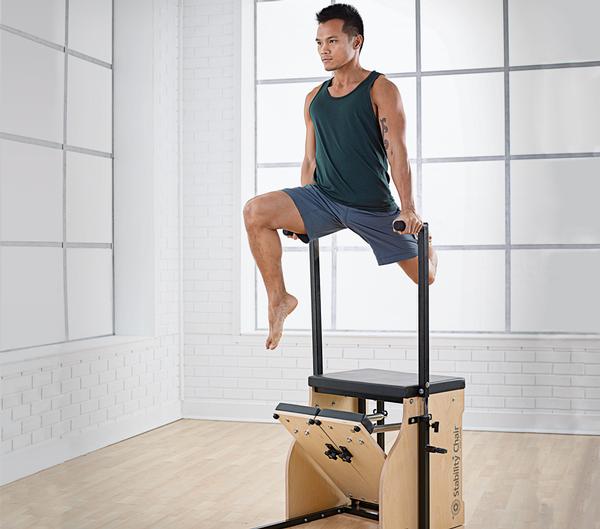
Including programmes like MOTR can help widen the appeal of pilates
Chris OnslowMDMbodies
Chris Onslow
Pilates is increasingly experiencing falling participation among the younger age groups, and fitness pilates is a shrinking market. However, it’s gaining share in the post-40 wellness market. As a result, instructors are having to enhance their initial training, which was never designed to cater for the grey market. For instructors who maintain training and focus on the wellness market, the opportunities are tremendous.
With research showing that people are choosing to take part in non-competitive, participatory recreation activities like yoga, swimming, walking and cycling – as opposed to traditional sports – there are exciting opportunities on the horizon.
Within the next decade, I believe there will be a political push to focus the education of health, fitness and wellness instructors towards the health of the nation, as opposed to the health of the individual. This could involve public health campaigns with population-specific exercise programming, targeting groups like cancer survivors, post menopausal women and those with neurological conditions.
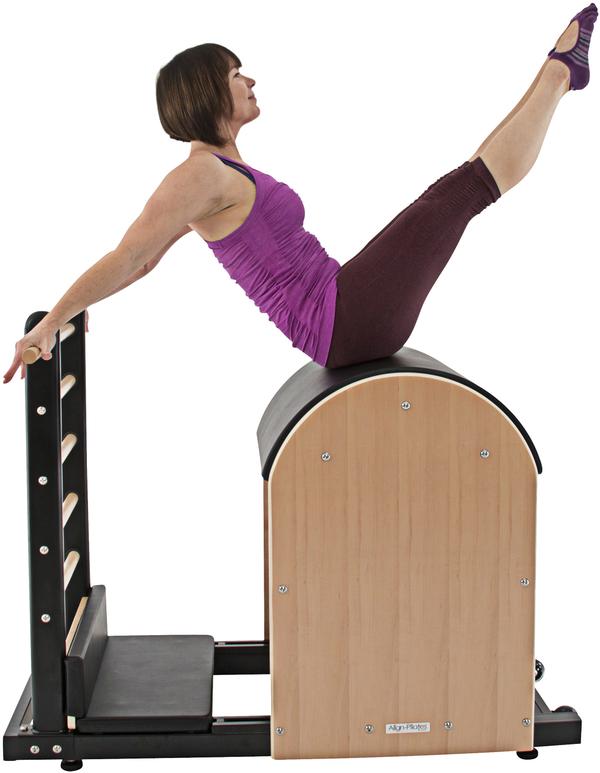
Pilates is rising in popularity in the post-40s wellness market
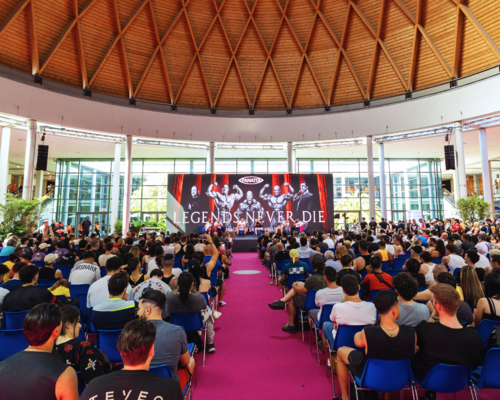
Panatta brought together four of the most influential figures in bodybuilding history on the
stage of RiminiWellness 2026: Phil Heath, Lee Haney, Ronnie Coleman and Hany Rambod. [more...]
Active Blackpool is deploying Cornerstone Connect, a new digital interface allowing
disparate information from multiple systems to be aggregated into one dataset, to support
its focus on reducing health inequalities and improving healthy life expectancy. [more...]
Hectic lifestyles and stress-related illnesses are two factors leading people towards mindful exercise like yoga and pilates. Kath Hudson asks the experts what’s next in the field of mind-body
By Kath Hudson | Published in Health Club Management 2016 issue 3
At our studios, yoga attendance is up 30 per cent year-on-year and pilates is up 25 per cent. We’re seeing particularly strong growth among males, many of whom historically trained by themselves or with a PT, but who have warmed to the idea of getting great guidance in a class-based environment.
We’re also seeing strong growth from the 40-plus age range in lower-impact disciplines like barre, which grew by 300 per cent last year at Heartcore.
Meditation and mindfulness can play a huge role in improving wellbeing, and there’s a real opportunity for health and fitness operators to help clients improve their physical health by supporting what we call ‘fair weather in the mind’ – not only within dedicated offerings and classes, but even more so when highlighted in other class formats.
Because of population density, it’s hard to run profitable boutique studios outside major metropolitan areas, but that doesn’t mean there aren’t people in other areas who would benefit from training in this way. Providing those people with access to classes and guidance digitally will be a big push over the next few years.
In fact, we’re already seeing strong growth in the digital fitness arena and the rise of the digital fitness personalities, and streaming and app-based guidance will continue to grow. This technology gives people content that they might not otherwise be able to access, and also provides additional distribution for studios and individual fitness instructors.
At Heartcore studios, pilates attendance is up 25 per cent year-on-year
Joanne MatthewsFounderTen Pilates, UK
Joanne Matthews
There are a few agendas colliding at the moment which are benefiting the mind-body sector. Our sedentary lifestyles, combined with being constantly connected to technology and multi-tasking, means that people need help to switch off more than ever before. Mental health has never been such a hot topic: our core audience is people aged 35-plus, looking for a holistic approach and help to switch off.
As a result, meditation and mindfulness will become increasingly popular, not only in the wellness and fitness sectors but in the wider business community as well. We’ve recently taken mindfulness classes into the City of London, which have been very well received.
The younger audience is more goal-orientated and drawn to events like Tough Mudder and cycling a leg of the Tour de France. To engage this market, studios need to offer a service that supports their goals. For example, we use Wattbikes to reveal imbalances that we can then correct through pilates classes.
Over-35s are looking for classes that help the mind as well as the body
Lindsay G MerrithewPresident and CEOMerrithew
Lindsay G Merrithew
Mind-body fitness and mindful movement are poised to go mainstream as the ways of approaching it proliferate and expand. There’s a general cultural shift towards maintaining overall wellness: people are now considering how their daily habits affect their health, and also how state of health is connected with state of mind.
We’re seeing growing interest in speciality training programmes, with more people becoming rehabilitative conditioning practitioners, sport-specific trainers, senior population specialists and so on. We’re also seeing big opportunities internationally – for example China, Australia, France, Mexico and Spain.
The philosophy of the mind-body connection has existed in many different forms in different countries and cultures throughout history, which is one of the reasons why mindful movement is being so quickly understood and accepted worldwide.
“We’re seeing growing interest in speciality training programmes – for sport-specific trainers, senior population specialists and so on”
The connection between mind and body is readily understood and accepted, says Merrithew
Ken EndelmanFounder and CEOBalanced Body
Ken Endelman
Although it is in fact neither of these things, pilates is sometimes still seen as too exclusive and/or too female-orientated. Meanwhile, club managers tell us their members are looking for smarter ways to exercise – things they as a club can provide without too much financial outlay and also without taking up too much floor space.
As a result, we’re trying to create programmes that incorporate new elements that are complementary to pilates, but which bring more of a cardio and strength training dimension to the class. Programmes like MOTR and Bodhi Suspension Training, for example, are allowing us to widen participation – appealing to more male members – while still providing people with an effective, focused, full-body workout.
Our goal is ultimately to get more people moving. We believe that, if we can get some people who might be intimidated by pilates to try, for example, MOTR – because it’s unusual and fun – that acts as a great introduction to mindful movement, and this might encourage them to try a Reformer class in the future.
“although it is in fact neither of these things, pilates is sometimes still seen as too exclusive and/or too female-orientated”
Including programmes like MOTR can help widen the appeal of pilates
Chris OnslowMDMbodies
Chris Onslow
Pilates is increasingly experiencing falling participation among the younger age groups, and fitness pilates is a shrinking market. However, it’s gaining share in the post-40 wellness market. As a result, instructors are having to enhance their initial training, which was never designed to cater for the grey market. For instructors who maintain training and focus on the wellness market, the opportunities are tremendous.
With research showing that people are choosing to take part in non-competitive, participatory recreation activities like yoga, swimming, walking and cycling – as opposed to traditional sports – there are exciting opportunities on the horizon.
Within the next decade, I believe there will be a political push to focus the education of health, fitness and wellness instructors towards the health of the nation, as opposed to the health of the individual. This could involve public health campaigns with population-specific exercise programming, targeting groups like cancer survivors, post menopausal women and those with neurological conditions.
Pilates is rising in popularity in the post-40s wellness market
The UK's four Chief Medical Officers have published a refreshed edition of Physical activity
guidelines: UK Chief Medical Officers' report, updating the evidence that underpins the nation's
physical activity recommendations and placing greater emphasis on strength, balance, reducing
sedentary behaviour and, for the first time, supporting people taking weight loss medications.
Places Leisure has exchanged contracts to build and operate a flagship £60m water and leisure
destination on behalf of Basingstoke and Deane Borough Council.
The Republic of Ireland will become the latest market in PureGym’s expanding international
portfolio, with the first launch planned for Dublin in 2027.
Anytime Fitness opened more than one club a day in 2025 and is on track to maintain this rate
of growth this year, as parent company Purpose Brands targets further international expansion.
The £33.9 million Leighton Leisure and Community Centre has opened in Leighton Buzzard, UK,
creating a next-generation public leisure, health and wellbeing hub for the local community.
Walnuts Leisure Centre in Orpington, in the London Borough of Bromley, has reopened following
a £17m transformation designed to secure the long-term future of the public leisure asset and
reposition it as a community wellbeing hub.
The Gym Group, has announced that it's sustained positive trading momentum has continued
through the first half of 2026 and the company remains confident about the outlook.
Luxury boutique Pilates and wellness studio, X-Club, officially launches a
4,000sq ft flagship at
Marylebone on 16 July Built around X-Club’s four pillars of wellness – mind,
movement,
nutrition and therapy – the facility features two group exercise studi
Panatta brought together four of the most influential figures in bodybuilding history on the
stage of RiminiWellness 2026: Phil Heath, Lee Haney, Ronnie Coleman and Hany Rambod. [more...]
Active Blackpool is deploying Cornerstone Connect, a new digital interface allowing
disparate information from multiple systems to be aggregated into one dataset, to support
its focus on reducing health inequalities and improving healthy life expectancy. [more...]