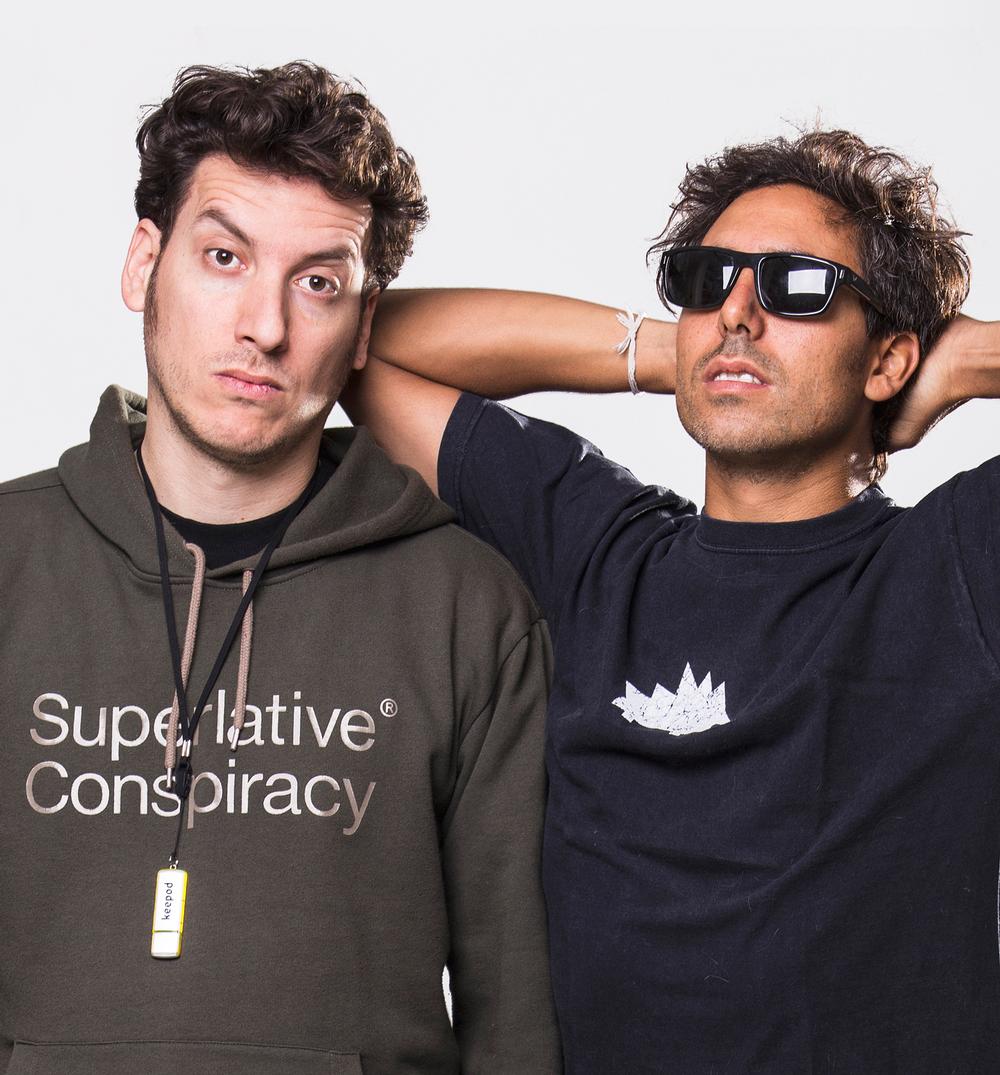
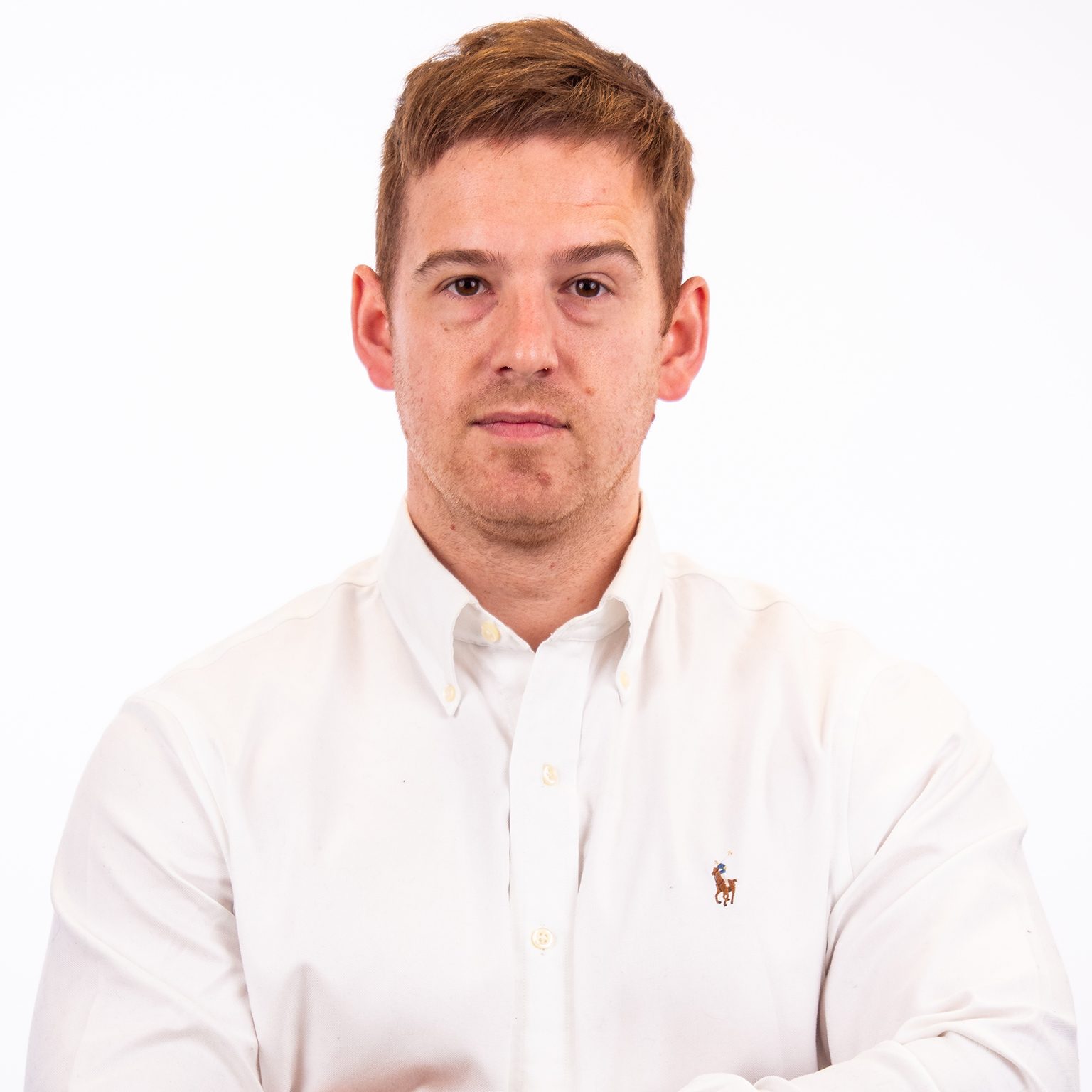
Bahar and Imbesi are co-founders of the app that enables users to make money by walking
What is Bitwalking? Put simply, Bitwalking enables users to generate money by walking.
How does it work? The free app validates and converts steps to Bitwalking dollars (BW$) that you can manage and use as you wish. People earn about BW$1 for every 10,000 steps walked; the money you generate accumulates each day and remains in your account until transferred or spent.
We’ve created a central bank that verifies steps and oversees transfers. It uses the block chain method used to transfer other crypto-currencies such as Bitcoin. Bitwalking users have access to their own wallet that stores the dollars they’ve earned. They can then transfer these BW$ to other people via the app.
What can people buy with their BW$? Users can spend their dollars at our in-app marketplace, which is filled with products – both tech and non-tech – with a wide price range. Users can complete a wish list to help us create a more personalised market.
Bitwalkers are also able to connect and use BW$ with our third party partners: online retailers, brands, charities and local governments that share our belief in an economy for all.
At launch, BW$1 is worth US$1. The global Bitwalking economy – including the physical human limit of how many BW$ a user can generate – will guide our valuation of the currency.
When did Bitwalking launch? It launched in November 2015 to over 200,000 users at launch. People from all countries can request an invitation at bitwalking.com; our system prioritises countries with the most requests.
How will it pay for itself? At this stage we’re focused on user experience and user growth, not monetisation of the scheme.
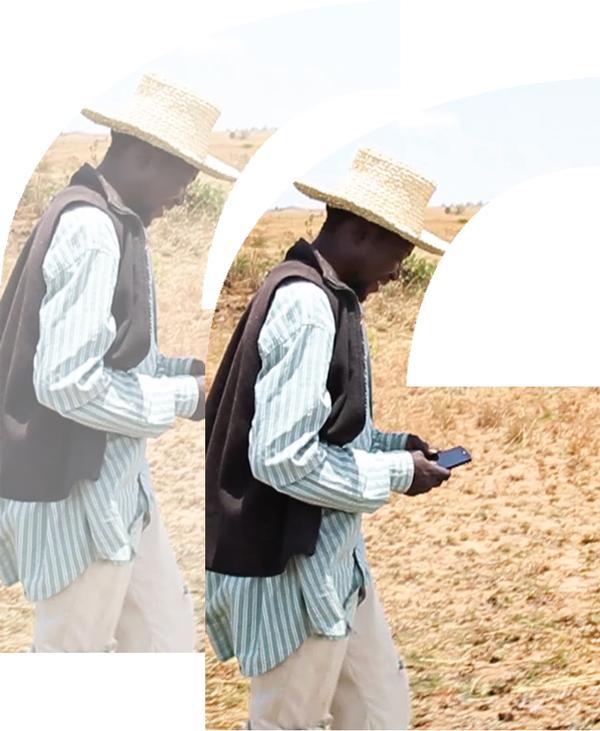
What most excites you about it? The impact Bitwalking could have in developing countries is one of our main reasons for creating the currency. In Malawi, one of the African nations to join at the launch of the project, the average rural wage is just US$1.5 (£1) a day.
In developed nations, the average person would earn around BW$15 a month – roughly equating to a cup of coffee each week – but in poorer countries where people have to walk miles to work, school or simply to collect water, we believe Bitwalking could help transform people’s lives.
What’s next for Bitwalking? We’ll continue to expand our global partnerships – online retailers, brands, charities and governments – but an equal priority will be bringing on board small local businesses to accept BW$ in-store.
Can you see a way for gyms to get involved? We’ve been approached by many health clubs/gyms with different, exciting ways to collaborate and accept BW$. For example, accepting BW$ as partial payment for monthly dues, or accepting BW$ for a full day access.
In Malawi, the average rural wage is US$1.5 a day. Bitwalking could help transform lives
Active Blackpool is deploying Cornerstone Connect, a new digital interface allowing
disparate information from multiple systems to be aggregated into one dataset, to support
its focus on reducing health inequalities and improving healthy life expectancy. [more...]
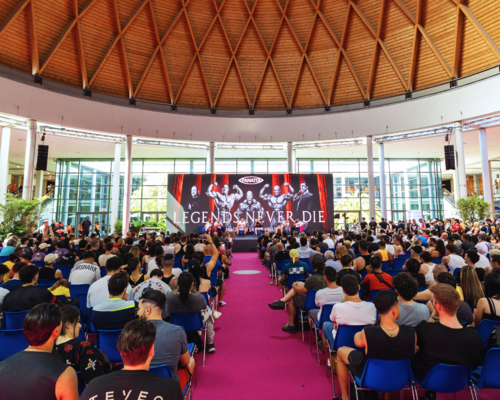
Panatta brought together four of the most influential figures in bodybuilding history on the
stage of RiminiWellness 2026: Phil Heath, Lee Haney, Ronnie Coleman and Hany Rambod. [more...]
Bahar and Imbesi are co-founders of the app that enables users to make money by walking
What is Bitwalking? Put simply, Bitwalking enables users to generate money by walking.
How does it work? The free app validates and converts steps to Bitwalking dollars (BW$) that you can manage and use as you wish. People earn about BW$1 for every 10,000 steps walked; the money you generate accumulates each day and remains in your account until transferred or spent.
We’ve created a central bank that verifies steps and oversees transfers. It uses the block chain method used to transfer other crypto-currencies such as Bitcoin. Bitwalking users have access to their own wallet that stores the dollars they’ve earned. They can then transfer these BW$ to other people via the app.
What can people buy with their BW$? Users can spend their dollars at our in-app marketplace, which is filled with products – both tech and non-tech – with a wide price range. Users can complete a wish list to help us create a more personalised market.
Bitwalkers are also able to connect and use BW$ with our third party partners: online retailers, brands, charities and local governments that share our belief in an economy for all.
At launch, BW$1 is worth US$1. The global Bitwalking economy – including the physical human limit of how many BW$ a user can generate – will guide our valuation of the currency.
When did Bitwalking launch? It launched in November 2015 to over 200,000 users at launch. People from all countries can request an invitation at bitwalking.com; our system prioritises countries with the most requests.
How will it pay for itself? At this stage we’re focused on user experience and user growth, not monetisation of the scheme.
What most excites you about it? The impact Bitwalking could have in developing countries is one of our main reasons for creating the currency. In Malawi, one of the African nations to join at the launch of the project, the average rural wage is just US$1.5 (£1) a day.
In developed nations, the average person would earn around BW$15 a month – roughly equating to a cup of coffee each week – but in poorer countries where people have to walk miles to work, school or simply to collect water, we believe Bitwalking could help transform people’s lives.
What’s next for Bitwalking? We’ll continue to expand our global partnerships – online retailers, brands, charities and governments – but an equal priority will be bringing on board small local businesses to accept BW$ in-store.
Can you see a way for gyms to get involved? We’ve been approached by many health clubs/gyms with different, exciting ways to collaborate and accept BW$. For example, accepting BW$ as partial payment for monthly dues, or accepting BW$ for a full day access.
In Malawi, the average rural wage is US$1.5 a day. Bitwalking could help transform lives
The UK's four Chief Medical Officers have published a refreshed edition of Physical activity
guidelines: UK Chief Medical Officers' report, updating the evidence that underpins the nation's
physical activity recommendations and placing greater emphasis on strength, balance, reducing
sedentary behaviour and, for the first time, supporting people taking weight loss medications.
Places Leisure has exchanged contracts to build and operate a flagship £60m water and leisure
destination on behalf of Basingstoke and Deane Borough Council.
The Republic of Ireland will become the latest market in PureGym’s expanding international
portfolio, with the first launch planned for Dublin in 2027.
Anytime Fitness opened more than one club a day in 2025 and is on track to maintain this rate
of growth this year, as parent company Purpose Brands targets further international expansion.
The £33.9 million Leighton Leisure and Community Centre has opened in Leighton Buzzard, UK,
creating a next-generation public leisure, health and wellbeing hub for the local community.
Walnuts Leisure Centre in Orpington, in the London Borough of Bromley, has reopened following
a £17m transformation designed to secure the long-term future of the public leisure asset and
reposition it as a community wellbeing hub.
The Gym Group, has announced that it's sustained positive trading momentum has continued
through the first half of 2026 and the company remains confident about the outlook.
Luxury boutique Pilates and wellness studio, X-Club, officially launches a
4,000sq ft flagship at
Marylebone on 16 July Built around X-Club’s four pillars of wellness – mind,
movement,
nutrition and therapy – the facility features two group exercise studi
Active Blackpool is deploying Cornerstone Connect, a new digital interface allowing
disparate information from multiple systems to be aggregated into one dataset, to support
its focus on reducing health inequalities and improving healthy life expectancy. [more...]
Panatta brought together four of the most influential figures in bodybuilding history on the
stage of RiminiWellness 2026: Phil Heath, Lee Haney, Ronnie Coleman and Hany Rambod. [more...]