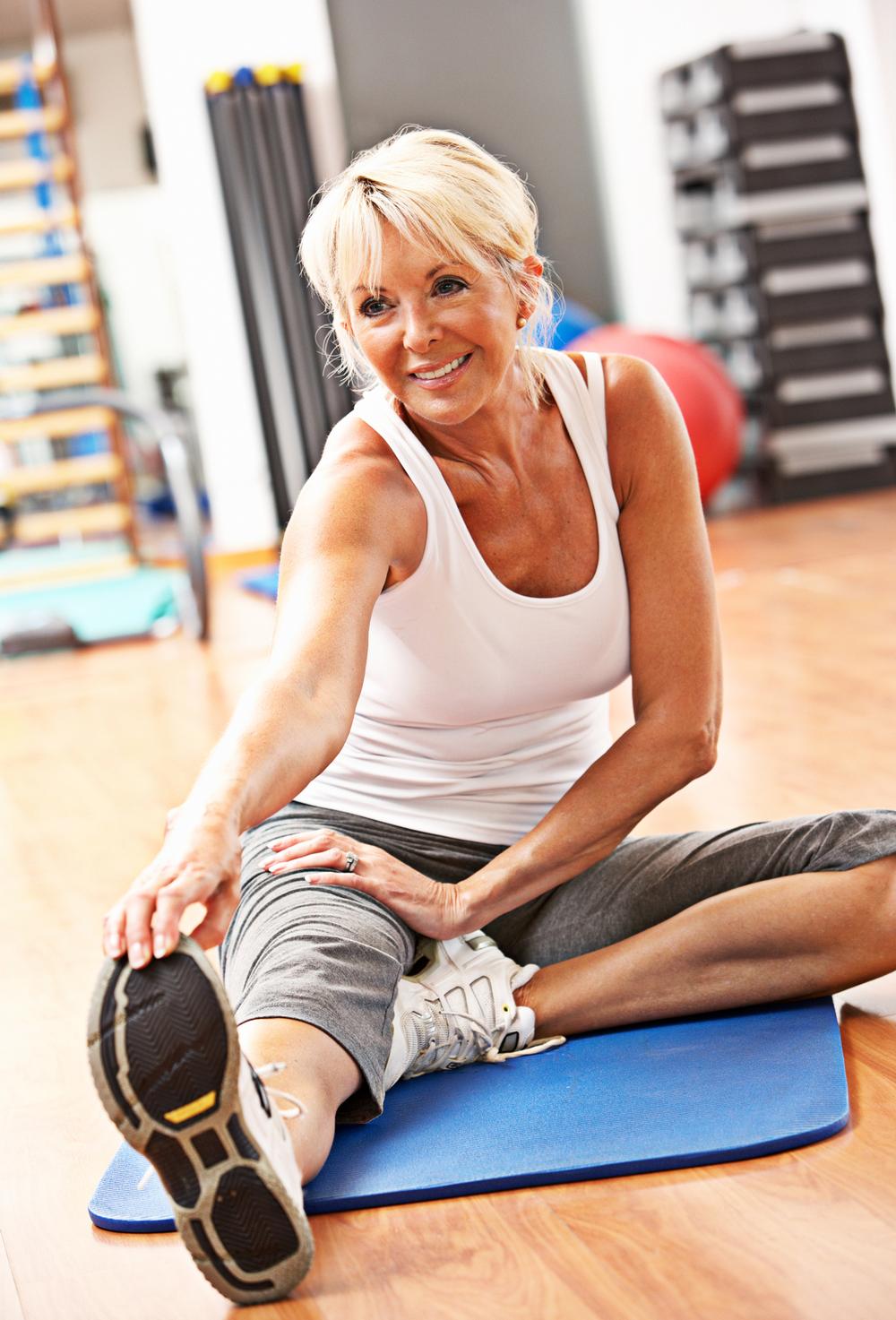
The women who exercised experienced far fewer, and less severe, hot flushes / photo:www.shutterstock.com
Around three out of every four menopausal women have hot flushes, according to NHS data. They’re the most common symptom of the menopause and are described as a sudden, uncomfortable rush of heat that, with no warning, spreads throughout the body. They can include sweating, palpitations and a red flush (blushing), and while some women are relatively unaffected, others can experience up to 20 episodes a day.
It’s believed that regular exercise can help improve temperature regulation, skin blood flow and sweat control. So with this in mind, researchers at Liverpool John Moores University are looking into the role physical activity might have in helping with menopause symptoms – and the preliminary results look promising.
Less frequent, less severe Findings from an unpublished study were revealed at the annual conference of the European Society of Human Reproduction and Embryology in June. The university team based its research on 17 menopausal women with an average age of 52. Ten of the women undertook a gym-based exercise programme for four months, while seven formed a control group and carried on life as normal.
The women in the active group exercised on a treadmill, static bike, rowing machine and cross-trainer and pushed themselves so they were out of breath but still able to talk. Workouts were built up over the four-month period, from three 30-minute sessions a week to five 45-minute sessions a week.
At the end of the four months, the women in the exercise group experienced far fewer flushes – falling remarkably from 64 to 23 a week on average. The severity of the flushes had also dropped by two-thirds. In contrast, the women who remained sedentary reported very little difference.
A natural alternative For an objective assessment, the researchers also placed women in a hot water suit to induce a hot flush and then recorded their physiological reactions. According to lead author Helen Jones, the women in the exercise group sweated less and had less blood flow to the skin.
Jones believes exercise could be boosting the body’s ability to regulate temperature. She explains: “If it’s doing that when a flush is triggered, the sweating and skin blood flow responses are lowered because the control system is more efficient.”
As the study was only a preliminary trial based on a small sample group, the researchers are now seeking further funding for a larger study. However, they do believe the early results show promise, with exercise a possible natural treatment for menopausal symptoms.
Up until a decade ago, most women were prescribed hormone replacement therapy (HRT) drugs to help combat hot flushes and other side-effects. But the number of women taking HRT has dramatically declined since the early 2000s when it was linked to strokes, blood clots and breast cancer.
Jones concludes: “Because of the health scares in the past few years, not many women will be prescribed HRT. They’re basically living their lives with hot flushes, which isn’t a nice thing. We tried to use exercise as a non-pharmacological tool.”
Exercise could also provide other advantages, she says: “Exercise training has additional positive benefits to postmenopausal women, importantly on cardiovascular and cerebrovascular disease risk, which increases following the menopause. Exercise also can improve quality of life and mental wellbeing.”
Active Blackpool is deploying Cornerstone Connect, a new digital interface allowing
disparate information from multiple systems to be aggregated into one dataset, to support
its focus on reducing health inequalities and improving healthy life expectancy. [more...]
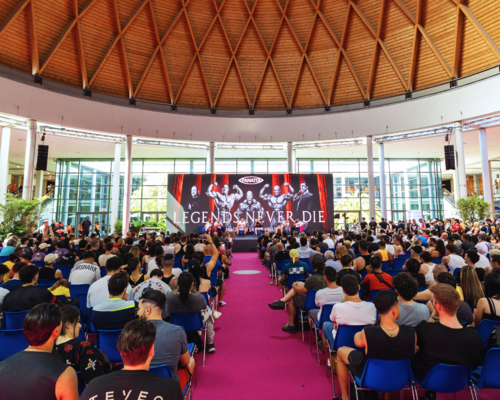
Panatta brought together four of the most influential figures in bodybuilding history on the
stage of RiminiWellness 2026: Phil Heath, Lee Haney, Ronnie Coleman and Hany Rambod. [more...]
The women who exercised experienced far fewer, and less severe, hot flushes / photo:www.shutterstock.com
Around three out of every four menopausal women have hot flushes, according to NHS data. They’re the most common symptom of the menopause and are described as a sudden, uncomfortable rush of heat that, with no warning, spreads throughout the body. They can include sweating, palpitations and a red flush (blushing), and while some women are relatively unaffected, others can experience up to 20 episodes a day.
It’s believed that regular exercise can help improve temperature regulation, skin blood flow and sweat control. So with this in mind, researchers at Liverpool John Moores University are looking into the role physical activity might have in helping with menopause symptoms – and the preliminary results look promising.
Less frequent, less severe Findings from an unpublished study were revealed at the annual conference of the European Society of Human Reproduction and Embryology in June. The university team based its research on 17 menopausal women with an average age of 52. Ten of the women undertook a gym-based exercise programme for four months, while seven formed a control group and carried on life as normal.
The women in the active group exercised on a treadmill, static bike, rowing machine and cross-trainer and pushed themselves so they were out of breath but still able to talk. Workouts were built up over the four-month period, from three 30-minute sessions a week to five 45-minute sessions a week.
At the end of the four months, the women in the exercise group experienced far fewer flushes – falling remarkably from 64 to 23 a week on average. The severity of the flushes had also dropped by two-thirds. In contrast, the women who remained sedentary reported very little difference.
A natural alternative For an objective assessment, the researchers also placed women in a hot water suit to induce a hot flush and then recorded their physiological reactions. According to lead author Helen Jones, the women in the exercise group sweated less and had less blood flow to the skin.
Jones believes exercise could be boosting the body’s ability to regulate temperature. She explains: “If it’s doing that when a flush is triggered, the sweating and skin blood flow responses are lowered because the control system is more efficient.”
As the study was only a preliminary trial based on a small sample group, the researchers are now seeking further funding for a larger study. However, they do believe the early results show promise, with exercise a possible natural treatment for menopausal symptoms.
Up until a decade ago, most women were prescribed hormone replacement therapy (HRT) drugs to help combat hot flushes and other side-effects. But the number of women taking HRT has dramatically declined since the early 2000s when it was linked to strokes, blood clots and breast cancer.
Jones concludes: “Because of the health scares in the past few years, not many women will be prescribed HRT. They’re basically living their lives with hot flushes, which isn’t a nice thing. We tried to use exercise as a non-pharmacological tool.”
Exercise could also provide other advantages, she says: “Exercise training has additional positive benefits to postmenopausal women, importantly on cardiovascular and cerebrovascular disease risk, which increases following the menopause. Exercise also can improve quality of life and mental wellbeing.”
The UK's four Chief Medical Officers have published a refreshed edition of Physical activity
guidelines: UK Chief Medical Officers' report, updating the evidence that underpins the nation's
physical activity recommendations and placing greater emphasis on strength, balance, reducing
sedentary behaviour and, for the first time, supporting people taking weight loss medications.
Places Leisure has exchanged contracts to build and operate a flagship £60m water and leisure
destination on behalf of Basingstoke and Deane Borough Council.
The Republic of Ireland will become the latest market in PureGym’s expanding international
portfolio, with the first launch planned for Dublin in 2027.
Anytime Fitness opened more than one club a day in 2025 and is on track to maintain this rate
of growth this year, as parent company Purpose Brands targets further international expansion.
The £33.9 million Leighton Leisure and Community Centre has opened in Leighton Buzzard, UK,
creating a next-generation public leisure, health and wellbeing hub for the local community.
Walnuts Leisure Centre in Orpington, in the London Borough of Bromley, has reopened following
a £17m transformation designed to secure the long-term future of the public leisure asset and
reposition it as a community wellbeing hub.
The Gym Group, has announced that it's sustained positive trading momentum has continued
through the first half of 2026 and the company remains confident about the outlook.
Luxury boutique Pilates and wellness studio, X-Club, officially launches a
4,000sq ft flagship at
Marylebone on 16 July Built around X-Club’s four pillars of wellness – mind,
movement,
nutrition and therapy – the facility features two group exercise studi
Active Blackpool is deploying Cornerstone Connect, a new digital interface allowing
disparate information from multiple systems to be aggregated into one dataset, to support
its focus on reducing health inequalities and improving healthy life expectancy. [more...]
Panatta brought together four of the most influential figures in bodybuilding history on the
stage of RiminiWellness 2026: Phil Heath, Lee Haney, Ronnie Coleman and Hany Rambod. [more...]