The new breed of boutique studios keep customers with their great products, not by imposing a contract
he world’s biggest provider of accommodation does not own a single hotel room: AirBnB. The biggest taxi company does not own a single taxi: Uber. The biggest media company does not own any content: Facebook. The world around us is changing rapidly, giving rise to new business models.
The health club industry is no exception. Increasingly sedentary lives and convenient food solutions are leading to a steady rise in obesity; it’s no surprise that health and wellbeing are increasingly heading to the top of the agenda – for the government, businesses and individuals.
Separately, people’s lives are becoming more fluid and flexible, so there’s a need for on-demand solutions in the health and fitness space. Anytime, anywhere. Consumers’ expectations are shifting, and digital technology is enabling this change.
Meanwhile the continued slow growth of the UK (and global) economy is challenging the current business model of the health club industry – particularly the squeezed, often undifferentiated, middle. To be successful in the 21st century, health clubs will need to rethink the way they engage with customers, the way they recruit new users – and ultimately, the way they do business.
At The Futures Company, we have identified two main challenges facing the fitness industry. Firstly, loyalty is no longer a given: consumers are becoming more promiscuous and less willing to sign up to loyalty programmes or subscriptions. And secondly, the new ‘uber-all economy’ redefines what consumers truly value.
Loyalty redefined Health clubs tend to operate on a monthly or annual subscription basis – a membership model. This leads to a transactional relationship with customers: access to equipment and facilities in exchange for a fee.
With a perceived lack of emotional differentiation between different clubs’ propositions, customers become more open to shopping around to find the equipment, class, instructor or location that meets their needs for each workout.
This changing consumer mindset lies at the heart of recent ‘exercise passport’ innovations such as ClassPass and MoveGB (see p90), as well as now well established concepts such as payasUgym.com, which allow people to pick and choose locations for each workout rather than being tied to just one gym.
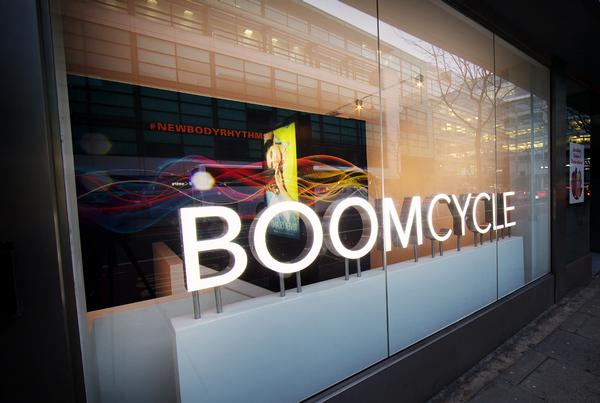
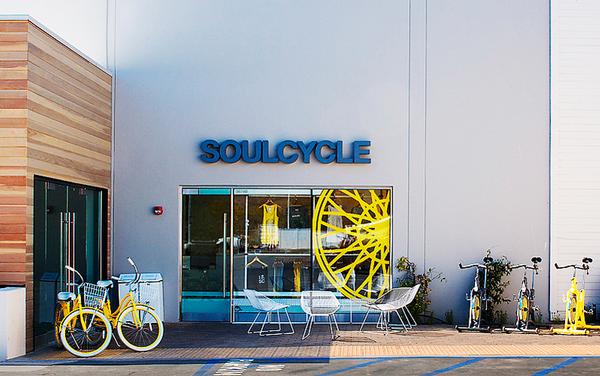
Indeed, this shift in mindset is key to the boutique model generally, where exercisers typically pay on a by-class basis.
Aided by technology, consumers are becoming more value-conscious, carefully choosing where to spend their money. But importantly, it’s perceived value rather than low price that’s key – consumers want a great experience. They’re keen to try and explore new things: 59 per cent of UK respondents in The Futures Company’s Global Monitor values and attitudes tracker say they “like to try new products and services”, as opposed to 41 per cent who “like to stick to products and services they know”.
The reaction from health clubs tends to be to offer discounts for longer-term memberships, free guest passes, trial periods – all with the objective of recruiting loyal customers. But is this a timely approach? Aren’t clubs fostering the transactional model even more by trying to force their customers into subscription?
Health clubs need to redefine how they provide value to their customers. In our recent Consumer Headlines report – an annual strategic planning report identifying the current debates in consumers’ lives – we identified a growing need for differentiation through reciprocal relationships. In the future, we will see even more of this kinship economy, and value will be defined by the relevance health clubs provide and the connections they create and enable.
This is particularly true for the Millennials and Centennials. Experience, human interaction, flexibility and convenience (allowing for more productive time) are high on the agenda of your potential new recruits. More importantly still, to win with those aged under 30, gym owners must embrace, even encourage, a certain degree of promiscuity of membership.
Flexible, personal, on-demand The second challenge is how true value will be defined by health club customers in the future of our ‘uber-all economy’ – a term coined by J Walker Smith, chair of The Futures Company.
Consumers’ busy lifestyles lead to greater prioritisation of time and effort. They expect more relevant, timely and convenient solutions. Health clubs are no longer competing only with other health clubs. More flexible, personalised services are right up there: Jawbone, for example, is providing an in-app fitness coach that monitors and analyses personal data and then provides feedback and suggestions against a peer group benchmark.
With consumers’ constant connectivity and access to data and information comes an ability and willingness to research – to review, monitor and judge. Within this context, consumers will value three things in health clubs:
• Value from personalised service: ‘One size fits all’ membership does not work any more, and health clubs are no exception. How adaptable to consumer groups, needs and occasions is your offering? This goes beyond personal trainers. Technology challenges the current model, but also provides opportunities. How can the data from personal fitness trackers be used to enhance the current business model?
• On-demand solutions: Easy access to information and technology means consumers expect immediate responses and immediate solutions, wherever they are and whenever they want. However, the current health club model is still built on physical sites and fixed assets – customers generally still have to go to the health club, rather than having the health club come to the customer.
New innovations such as virtual classes streamed into the home are beginning to break down these barriers (see p72, and also HCM June 15, p70). These virtual offerings provide on-demand fitness solutions in the convenience and privacy of people’s own home, but with the benefit of social interaction with like-minded individuals. So how does your offering fit into consumers’ increasingly fluid and flexible lifestyles?
• Flexible pricing: Uber, for example, uses surge pricing – prices rise when demand is higher. How are health clubs currently using the supply-demand model to make better use of idle assets and entice customers into the club during quieter, off-peak times? Can assets or staff be dispatched to the client, rather than asking them to come to the club?
What’s your mission? In our ever-changing world, health clubs need to adapt to new consumer demands and needs. For the younger generations, experience, social connections and ‘tribal wellness’ are high on the agenda – witness the rise of Tough Mudder, BMF, Color Runs and so on (see p38). Loyalty to a specific club is not.
Do you understand what Millennials and Centennials expect from a gym – what their drivers and motivations are?
Most health clubs lack differentiation, and consumers will find it increasingly difficult to be loyal to a club that offers nothing special. How can you better share your club’s values to attract new users? What’s the mission of your health club: to fight obesity? To be the enabler of social connections, to provide a community and a sense of belonging?
Think about how your club’s values can transform the gym from a transactional environment into a place that offers value through reciprocity and connectedness.
In our on-demand economy, busy consumers are expecting increased productivity in everything they do and engage with. How can your club be better integrated into customers’ lives? In what ways can your services be personalised to sub-groups, or even individuals – and how can digital technology enable this? The business models of tomorrow will have to be more flexible, adaptable and make better use of the supply-demand cycles, to make best use of idle assets while servicing customers any time, anywhere.
About the author
Imke Schuller
Imke Schuller is a director at strategic consultancy The Futures Company. She’s the health and beauty sector lead for the EMEA, helping clients to anticipate change in their operating environment and to find new ways of adapting to an ever-evolving business context.
Panatta brought together four of the most influential figures in bodybuilding history on the
stage of RiminiWellness 2026: Phil Heath, Lee Haney, Ronnie Coleman and Hany Rambod. [more...]
CoverMe, the global leader in fitness workforce management, today launches CoverMe PT, an
on-demand personal training platform that connects the right personal trainer to the right
client in under 10 seconds. [more...]
The new breed of boutique studios keep customers with their great products, not by imposing a contract
he world’s biggest provider of accommodation does not own a single hotel room: AirBnB. The biggest taxi company does not own a single taxi: Uber. The biggest media company does not own any content: Facebook. The world around us is changing rapidly, giving rise to new business models.
The health club industry is no exception. Increasingly sedentary lives and convenient food solutions are leading to a steady rise in obesity; it’s no surprise that health and wellbeing are increasingly heading to the top of the agenda – for the government, businesses and individuals.
Separately, people’s lives are becoming more fluid and flexible, so there’s a need for on-demand solutions in the health and fitness space. Anytime, anywhere. Consumers’ expectations are shifting, and digital technology is enabling this change.
Meanwhile the continued slow growth of the UK (and global) economy is challenging the current business model of the health club industry – particularly the squeezed, often undifferentiated, middle. To be successful in the 21st century, health clubs will need to rethink the way they engage with customers, the way they recruit new users – and ultimately, the way they do business.
At The Futures Company, we have identified two main challenges facing the fitness industry. Firstly, loyalty is no longer a given: consumers are becoming more promiscuous and less willing to sign up to loyalty programmes or subscriptions. And secondly, the new ‘uber-all economy’ redefines what consumers truly value.
Loyalty redefined Health clubs tend to operate on a monthly or annual subscription basis – a membership model. This leads to a transactional relationship with customers: access to equipment and facilities in exchange for a fee.
With a perceived lack of emotional differentiation between different clubs’ propositions, customers become more open to shopping around to find the equipment, class, instructor or location that meets their needs for each workout.
This changing consumer mindset lies at the heart of recent ‘exercise passport’ innovations such as ClassPass and MoveGB (see p90), as well as now well established concepts such as payasUgym.com, which allow people to pick and choose locations for each workout rather than being tied to just one gym.
Indeed, this shift in mindset is key to the boutique model generally, where exercisers typically pay on a by-class basis.
Aided by technology, consumers are becoming more value-conscious, carefully choosing where to spend their money. But importantly, it’s perceived value rather than low price that’s key – consumers want a great experience. They’re keen to try and explore new things: 59 per cent of UK respondents in The Futures Company’s Global Monitor values and attitudes tracker say they “like to try new products and services”, as opposed to 41 per cent who “like to stick to products and services they know”.
The reaction from health clubs tends to be to offer discounts for longer-term memberships, free guest passes, trial periods – all with the objective of recruiting loyal customers. But is this a timely approach? Aren’t clubs fostering the transactional model even more by trying to force their customers into subscription?
Health clubs need to redefine how they provide value to their customers. In our recent Consumer Headlines report – an annual strategic planning report identifying the current debates in consumers’ lives – we identified a growing need for differentiation through reciprocal relationships. In the future, we will see even more of this kinship economy, and value will be defined by the relevance health clubs provide and the connections they create and enable.
This is particularly true for the Millennials and Centennials. Experience, human interaction, flexibility and convenience (allowing for more productive time) are high on the agenda of your potential new recruits. More importantly still, to win with those aged under 30, gym owners must embrace, even encourage, a certain degree of promiscuity of membership.
Flexible, personal, on-demand The second challenge is how true value will be defined by health club customers in the future of our ‘uber-all economy’ – a term coined by J Walker Smith, chair of The Futures Company.
Consumers’ busy lifestyles lead to greater prioritisation of time and effort. They expect more relevant, timely and convenient solutions. Health clubs are no longer competing only with other health clubs. More flexible, personalised services are right up there: Jawbone, for example, is providing an in-app fitness coach that monitors and analyses personal data and then provides feedback and suggestions against a peer group benchmark.
With consumers’ constant connectivity and access to data and information comes an ability and willingness to research – to review, monitor and judge. Within this context, consumers will value three things in health clubs:
• Value from personalised service: ‘One size fits all’ membership does not work any more, and health clubs are no exception. How adaptable to consumer groups, needs and occasions is your offering? This goes beyond personal trainers. Technology challenges the current model, but also provides opportunities. How can the data from personal fitness trackers be used to enhance the current business model?
• On-demand solutions: Easy access to information and technology means consumers expect immediate responses and immediate solutions, wherever they are and whenever they want. However, the current health club model is still built on physical sites and fixed assets – customers generally still have to go to the health club, rather than having the health club come to the customer.
New innovations such as virtual classes streamed into the home are beginning to break down these barriers (see p72, and also HCM June 15, p70). These virtual offerings provide on-demand fitness solutions in the convenience and privacy of people’s own home, but with the benefit of social interaction with like-minded individuals. So how does your offering fit into consumers’ increasingly fluid and flexible lifestyles?
• Flexible pricing: Uber, for example, uses surge pricing – prices rise when demand is higher. How are health clubs currently using the supply-demand model to make better use of idle assets and entice customers into the club during quieter, off-peak times? Can assets or staff be dispatched to the client, rather than asking them to come to the club?
What’s your mission? In our ever-changing world, health clubs need to adapt to new consumer demands and needs. For the younger generations, experience, social connections and ‘tribal wellness’ are high on the agenda – witness the rise of Tough Mudder, BMF, Color Runs and so on (see p38). Loyalty to a specific club is not.
Do you understand what Millennials and Centennials expect from a gym – what their drivers and motivations are?
Most health clubs lack differentiation, and consumers will find it increasingly difficult to be loyal to a club that offers nothing special. How can you better share your club’s values to attract new users? What’s the mission of your health club: to fight obesity? To be the enabler of social connections, to provide a community and a sense of belonging?
Think about how your club’s values can transform the gym from a transactional environment into a place that offers value through reciprocity and connectedness.
In our on-demand economy, busy consumers are expecting increased productivity in everything they do and engage with. How can your club be better integrated into customers’ lives? In what ways can your services be personalised to sub-groups, or even individuals – and how can digital technology enable this? The business models of tomorrow will have to be more flexible, adaptable and make better use of the supply-demand cycles, to make best use of idle assets while servicing customers any time, anywhere.
About the author
Imke Schuller
Imke Schuller is a director at strategic consultancy The Futures Company. She’s the health and beauty sector lead for the EMEA, helping clients to anticipate change in their operating environment and to find new ways of adapting to an ever-evolving business context.
The UK's four Chief Medical Officers have published a refreshed edition of Physical activity
guidelines: UK Chief Medical Officers' report, updating the evidence that underpins the nation's
physical activity recommendations and placing greater emphasis on strength, balance, reducing
sedentary behaviour and, for the first time, supporting people taking weight loss medications.
Places Leisure has exchanged contracts to build and operate a flagship £60m water and leisure
destination on behalf of Basingstoke and Deane Borough Council.
The Republic of Ireland will become the latest market in PureGym’s expanding international
portfolio, with the first launch planned for Dublin in 2027.
Anytime Fitness opened more than one club a day in 2025 and is on track to maintain this rate
of growth this year, as parent company Purpose Brands targets further international expansion.
The £33.9 million Leighton Leisure and Community Centre has opened in Leighton Buzzard, UK,
creating a next-generation public leisure, health and wellbeing hub for the local community.
Walnuts Leisure Centre in Orpington, in the London Borough of Bromley, has reopened following
a £17m transformation designed to secure the long-term future of the public leisure asset and
reposition it as a community wellbeing hub.
The Gym Group, has announced that it's sustained positive trading momentum has continued
through the first half of 2026 and the company remains confident about the outlook.
Luxury boutique Pilates and wellness studio, X-Club, officially launches a
4,000sq ft flagship at
Marylebone on 16 July Built around X-Club’s four pillars of wellness – mind,
movement,
nutrition and therapy – the facility features two group exercise studi
Panatta brought together four of the most influential figures in bodybuilding history on the
stage of RiminiWellness 2026: Phil Heath, Lee Haney, Ronnie Coleman and Hany Rambod. [more...]
CoverMe, the global leader in fitness workforce management, today launches CoverMe PT, an
on-demand personal training platform that connects the right personal trainer to the right
client in under 10 seconds. [more...]