Operators with limited space can still create viable thermal areas with the potential to generate revenue, as our international spa and wellness experts explain
Thermal areas should at a minimum include a sauna, spa bath, cold shower and relaxation area
When it comes to designing thermal areas for small spaces, experts agree that less can be more: a few well-chosen experiences can enhance your offering and also generate income. But working in limited space leaves less margin for error, so planning is vital.
“Make sure you do your research. Who are you targeting? How many individual experiences can be planned into the space? How many people can each experience seat? What are your competitors doing? What’s your USP? These are just some of the things operators need to consider when planning a thermal area,” says Sarah Watts, chief executive of Alliance Leisure, which specialises in spa and leisure facility development.
“Sometimes people build spas without enough information and will include similar facilities such as a sauna and a sanarium, which we wouldn’t advise in a small space,” she adds.
Good research will give you a better understanding of your user profile, allowing you to tailor your offer to your clientele. “Most females prefer a gentle, soothing heat, so if your users are predominately women, it makes sense to invest in a steam or aromatherapy room rather than a sauna, which has higher temperatures,” says Gerard McCarthy, sales director at Dalesauna.
MULTI-FUNCTIONAL ROOMS “A thermal area should offer a relaxing cycle of alternating hot and cold experiences. Ideally, this should include a minimum of a sauna, a spa bath, a cold shower and a relaxation area. A steam room could be included if space allows,” says Aysegul Sungur, architect and vice president of Promet Spa Wellness.
Barry Humphries, sales director at Topline Electronics – which manufactures the Aachen Wellness range of wellness rooms, suites and accessories – adds: “Sauna and steam rooms are the basic requirement for any site; after that we would recommend a rasul room (mud treatment room) or some heated tiled loungers.”
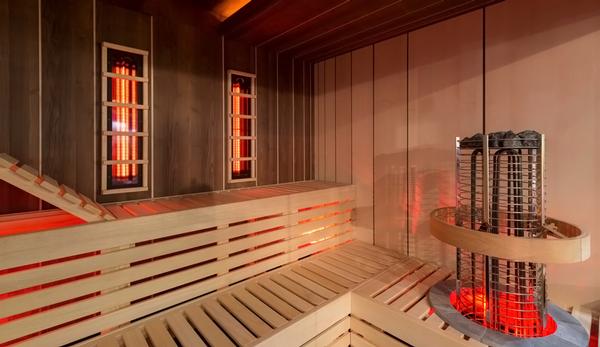
But where space is limited, it’s worth considering multi-functional rooms. Dalesauna’s Combi Sauna combines infrared technology with a traditional Finnish sauna to offer two different heat experiences in one. The infrared sauna uses infrared light to heat the body directly, while the Finnish sauna relies on a traditional heat source to warm the air in the sauna.
“The combination of sauna and infrared is ideal for health and fitness facilities. Infrared is great for post-exercise muscle recovery and operators can still offer a traditional relaxing sauna experience. The combination is still relatively new, so it gives operators a USP too,” says McCarthy.
Klafs’ foldaway InfraPLUS seat can be integrated into its sauna and sanarium cabins to offer a similar combination of sauna and infrared. The heat lamp, which is set into the wall, is flanked by back rests that can be adjusted by the user to find a comfortable seating position.
Meanwhile Klafs’ sanarium offers five heat experiences in one: a classic sauna, a warm air bath, a tropical bath, an aroma bath and a soft steam bath. Users simply select the climate zone, and the humidity and temperature then adjust accordingly.
Other experiences such as salt inhalation and ice fountains are also increasing in popularity. The Microsalt from Klafs can be installed into a sauna to produce a dry salt mist, thereby creating a salt inhalation experience.
As well as the heat experiences, it’s important to remember the relaxation areas in your thermal area, says Markus Muller, international consultant for Klafs: “Very often the relaxation area gets forgotten. This is where users will rest between experiences, so it’s important to create an appropriate space for them.”
A rest area could comprise a few heated loungers or a heated tiled bench with individual foot spas.
Regardless of the products you choose, the layout of the thermal area is critical. The experiences should flow from hot to cool and there should be good signage to educate clients about the benefits of the facilities and how to use them.
DESIGN DETAILS “One of the most common mistakes operators make is thinking the feature rooms need to be very large. They don’t usually need to seat more than 10 people, even at the busiest of times. The rooms are designed to be relaxing and therapeutic; overcrowding can ruin that tranquil experience,” says Humphries.
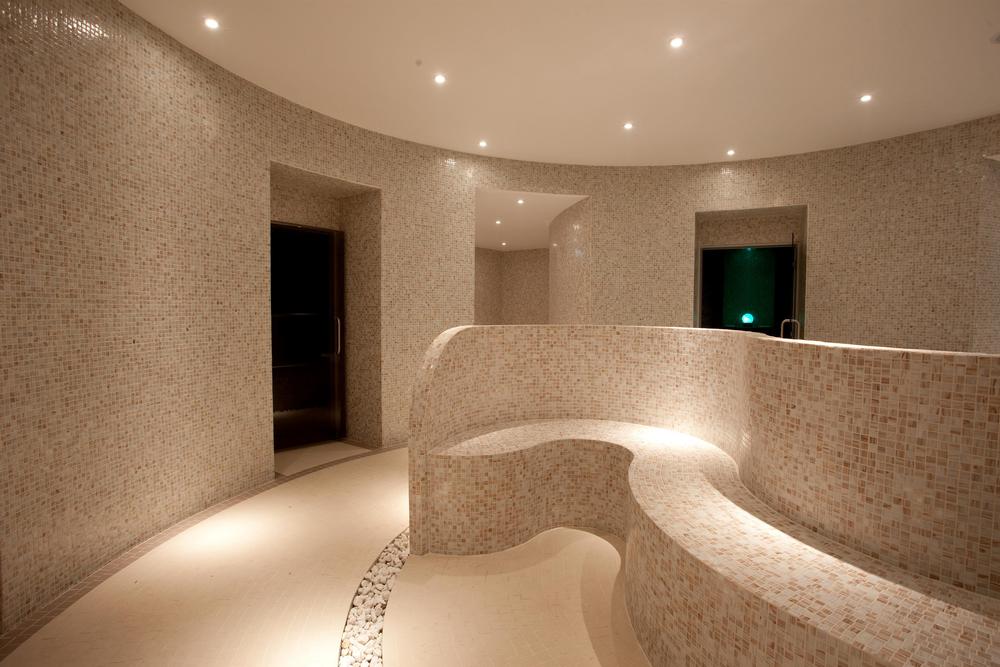
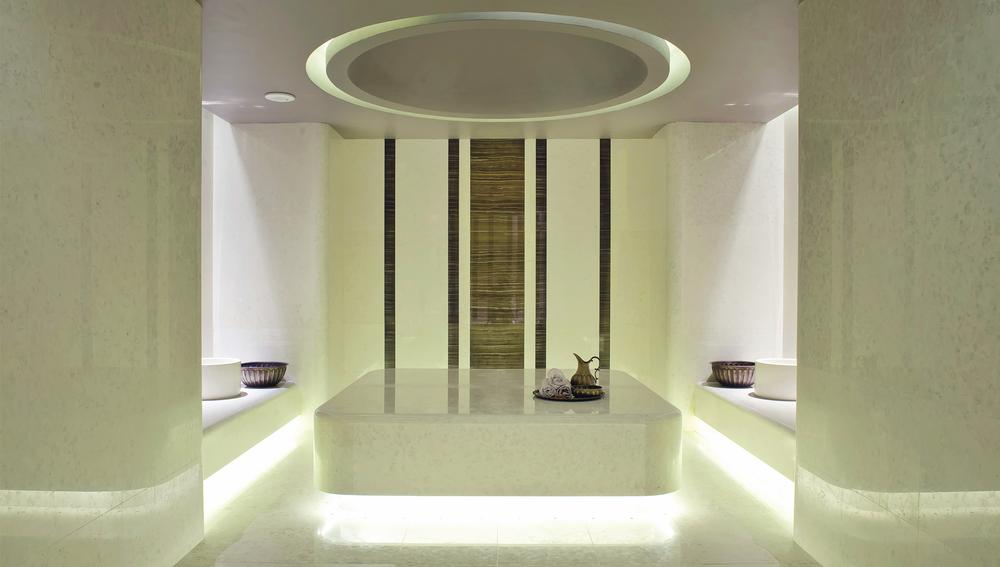
When it comes to design for small thermal areas, the advice is to keep it simple. “I’d recommend a modern and minimal concept using light colours and transparent surfaces to give a sense of space. Lighting effects can be used to create a relaxing ambience,” says Sungur.
“Choose products with a clean design that’s based on a few, but expressive, materials,” advises Muller.
Very often it’s the functional components that can let a thermal area down, so operators must be vigilant about these less glamorous features too. Given the nature of heat experiences, and the heat and humidity they produce, effective insulation is a must. “Water insulation, heat insulation and sound insulation – as well as good ventilation, sanitary equipment and fire precautions – are critical. Failing to use anti-slip flooring and/or high quality, durable, easy-to-clean materials and non-corrosive fixtures for drains, vents and ducts can also lead to the failure of thermal areas,” says Sungur.
“If you’re working in a new build or an extension, access to services like electrical power shouldn’t be an issue, but if you’re retrofitting heat experiences into an existing area, the provision of services may be more of a challenge,” adds McCarthy.
MAXIMISING REVENUE The cost of heat experiences will vary depending on the supplier, materials used and any ancillary items used to enhance the facilities, such as mood lighting and music systems. But all operators should be looking to make a return on their investment as soon as possible. Thermal areas can be run as a standalone unit or as part of an existing membership, and there are a number of ways to maximise revenue potential.
“Some clubs have a basic membership and an additional membership, where suites such as rasul treatment rooms and sanarium can be charged on top of the basic membership. Operators can charge as much as £90 for a 45-minute rasul treatment,” says Humphries.
Watts has other suggestions: “Create a dedicated spa membership – an add-on spa package to your existing gym membership. Host private parties like hen dos or birthday parties, and offer themed events such as teen parties. Also create promotions with discounts for clients willing to commit to more than one session – for example, eight sessions for the price of six.”
With careful planning and creative programming and marketing, even operators with limited space can create successful thermal areas. As Muller says: “Focus on a few quality products that have the most potential for achieving success. Less is definitely more.”
TIPS FOR MAXIMISING USAGE OF YOUR THERMAL AREA?
• Focus on the design and lighting of the thermal area to create a welcoming and relaxing space that clients will want to return to
• Invest in multi-functional rooms so you can offer more than one type of experience
• Make sure you have a good booking system to manage the arrival and departure of guests, so the area is never too busy
• Consider offering ladies-only and men-only sessions
• Run promotional offers to attract users during quieter times
• Offer online bookings to make it easier for users
• Make sure your facility opens early morning and late evening to accommodate all users
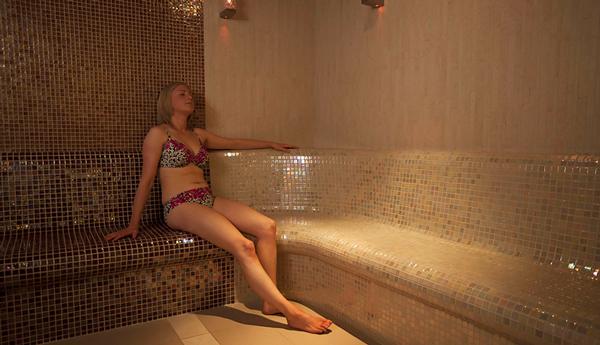
Dalesauna: Steamrooms offer a gentler heat
Dalesauna: infrared saunas help post-exercise muscle recovery
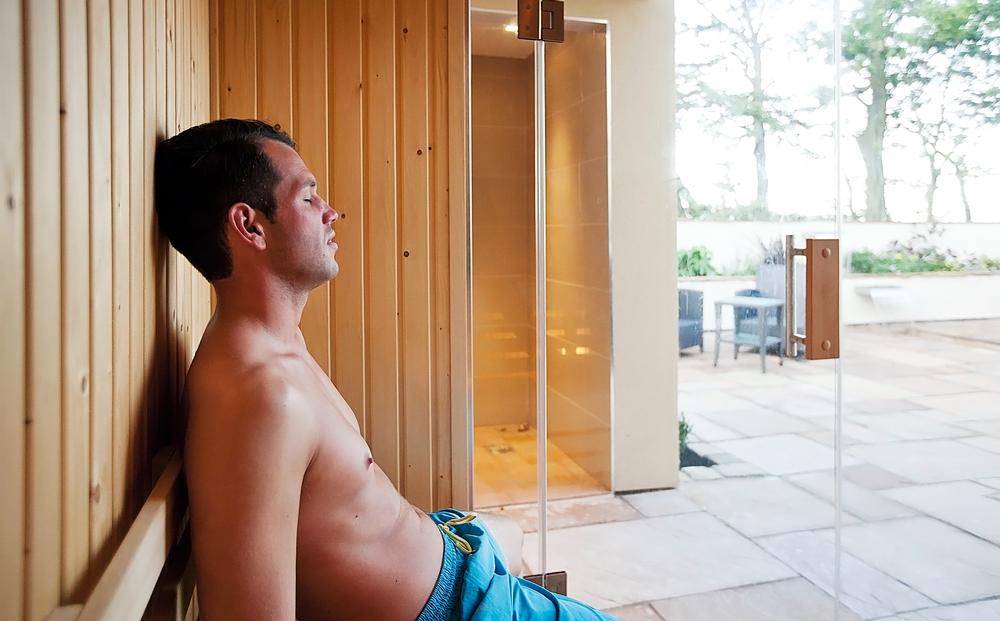
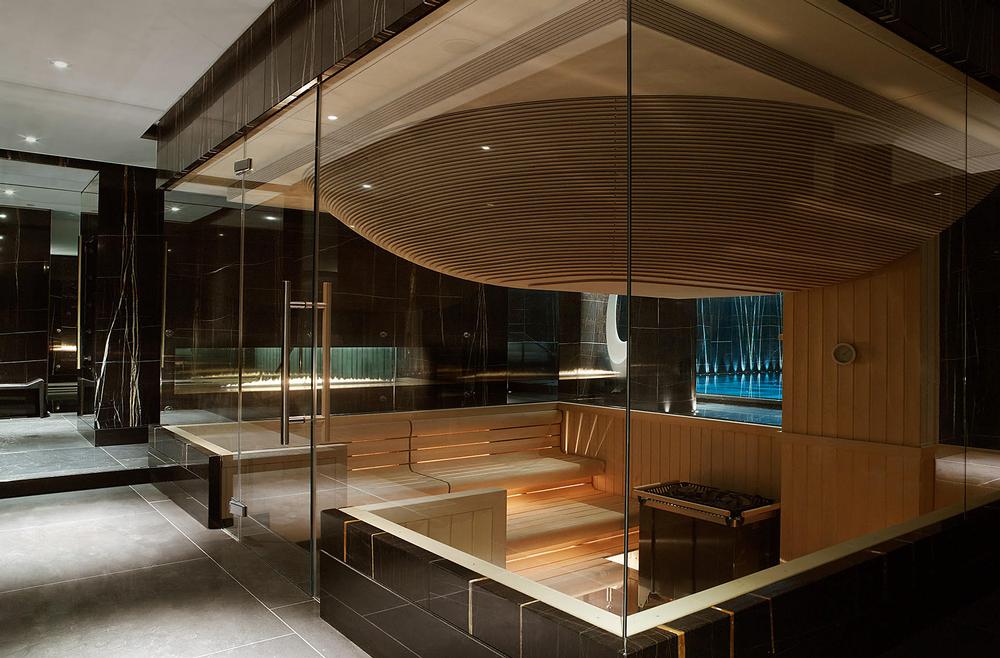
ESPA Life at Corinthia London installed a striking Klafs glass-walled sauna
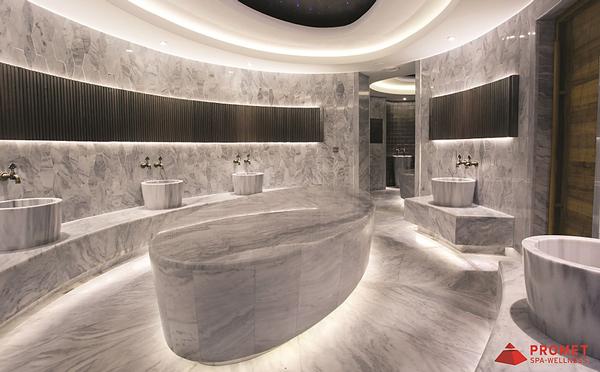
Promet’s thermal area at the Sheraton Hotel in Adana
Alliance Leisure specialises in modern local authority spas
Using light colours and lighting effects will increase the sense of space in smaller spa and thermal areas, says Promet’s Sungur
Panatta brought together four of the most influential figures in bodybuilding history on the
stage of RiminiWellness 2026: Phil Heath, Lee Haney, Ronnie Coleman and Hany Rambod. [more...]
Active Blackpool is deploying Cornerstone Connect, a new digital interface allowing
disparate information from multiple systems to be aggregated into one dataset, to support
its focus on reducing health inequalities and improving healthy life expectancy. [more...]
+ More featured suppliers
COMPANY PROFILES
Safe Space Lockers
We provide a full turn-key solution for clients from design and consultation, through to bespoke man [more...]
Operators with limited space can still create viable thermal areas with the potential to generate revenue, as our international spa and wellness experts explain
Thermal areas should at a minimum include a sauna, spa bath, cold shower and relaxation area
When it comes to designing thermal areas for small spaces, experts agree that less can be more: a few well-chosen experiences can enhance your offering and also generate income. But working in limited space leaves less margin for error, so planning is vital.
“Make sure you do your research. Who are you targeting? How many individual experiences can be planned into the space? How many people can each experience seat? What are your competitors doing? What’s your USP? These are just some of the things operators need to consider when planning a thermal area,” says Sarah Watts, chief executive of Alliance Leisure, which specialises in spa and leisure facility development.
“Sometimes people build spas without enough information and will include similar facilities such as a sauna and a sanarium, which we wouldn’t advise in a small space,” she adds.
Good research will give you a better understanding of your user profile, allowing you to tailor your offer to your clientele. “Most females prefer a gentle, soothing heat, so if your users are predominately women, it makes sense to invest in a steam or aromatherapy room rather than a sauna, which has higher temperatures,” says Gerard McCarthy, sales director at Dalesauna.
MULTI-FUNCTIONAL ROOMS “A thermal area should offer a relaxing cycle of alternating hot and cold experiences. Ideally, this should include a minimum of a sauna, a spa bath, a cold shower and a relaxation area. A steam room could be included if space allows,” says Aysegul Sungur, architect and vice president of Promet Spa Wellness.
Barry Humphries, sales director at Topline Electronics – which manufactures the Aachen Wellness range of wellness rooms, suites and accessories – adds: “Sauna and steam rooms are the basic requirement for any site; after that we would recommend a rasul room (mud treatment room) or some heated tiled loungers.”
But where space is limited, it’s worth considering multi-functional rooms. Dalesauna’s Combi Sauna combines infrared technology with a traditional Finnish sauna to offer two different heat experiences in one. The infrared sauna uses infrared light to heat the body directly, while the Finnish sauna relies on a traditional heat source to warm the air in the sauna.
“The combination of sauna and infrared is ideal for health and fitness facilities. Infrared is great for post-exercise muscle recovery and operators can still offer a traditional relaxing sauna experience. The combination is still relatively new, so it gives operators a USP too,” says McCarthy.
Klafs’ foldaway InfraPLUS seat can be integrated into its sauna and sanarium cabins to offer a similar combination of sauna and infrared. The heat lamp, which is set into the wall, is flanked by back rests that can be adjusted by the user to find a comfortable seating position.
Meanwhile Klafs’ sanarium offers five heat experiences in one: a classic sauna, a warm air bath, a tropical bath, an aroma bath and a soft steam bath. Users simply select the climate zone, and the humidity and temperature then adjust accordingly.
Other experiences such as salt inhalation and ice fountains are also increasing in popularity. The Microsalt from Klafs can be installed into a sauna to produce a dry salt mist, thereby creating a salt inhalation experience.
As well as the heat experiences, it’s important to remember the relaxation areas in your thermal area, says Markus Muller, international consultant for Klafs: “Very often the relaxation area gets forgotten. This is where users will rest between experiences, so it’s important to create an appropriate space for them.”
A rest area could comprise a few heated loungers or a heated tiled bench with individual foot spas.
Regardless of the products you choose, the layout of the thermal area is critical. The experiences should flow from hot to cool and there should be good signage to educate clients about the benefits of the facilities and how to use them.
DESIGN DETAILS “One of the most common mistakes operators make is thinking the feature rooms need to be very large. They don’t usually need to seat more than 10 people, even at the busiest of times. The rooms are designed to be relaxing and therapeutic; overcrowding can ruin that tranquil experience,” says Humphries.
When it comes to design for small thermal areas, the advice is to keep it simple. “I’d recommend a modern and minimal concept using light colours and transparent surfaces to give a sense of space. Lighting effects can be used to create a relaxing ambience,” says Sungur.
“Choose products with a clean design that’s based on a few, but expressive, materials,” advises Muller.
Very often it’s the functional components that can let a thermal area down, so operators must be vigilant about these less glamorous features too. Given the nature of heat experiences, and the heat and humidity they produce, effective insulation is a must. “Water insulation, heat insulation and sound insulation – as well as good ventilation, sanitary equipment and fire precautions – are critical. Failing to use anti-slip flooring and/or high quality, durable, easy-to-clean materials and non-corrosive fixtures for drains, vents and ducts can also lead to the failure of thermal areas,” says Sungur.
“If you’re working in a new build or an extension, access to services like electrical power shouldn’t be an issue, but if you’re retrofitting heat experiences into an existing area, the provision of services may be more of a challenge,” adds McCarthy.
MAXIMISING REVENUE The cost of heat experiences will vary depending on the supplier, materials used and any ancillary items used to enhance the facilities, such as mood lighting and music systems. But all operators should be looking to make a return on their investment as soon as possible. Thermal areas can be run as a standalone unit or as part of an existing membership, and there are a number of ways to maximise revenue potential.
“Some clubs have a basic membership and an additional membership, where suites such as rasul treatment rooms and sanarium can be charged on top of the basic membership. Operators can charge as much as £90 for a 45-minute rasul treatment,” says Humphries.
Watts has other suggestions: “Create a dedicated spa membership – an add-on spa package to your existing gym membership. Host private parties like hen dos or birthday parties, and offer themed events such as teen parties. Also create promotions with discounts for clients willing to commit to more than one session – for example, eight sessions for the price of six.”
With careful planning and creative programming and marketing, even operators with limited space can create successful thermal areas. As Muller says: “Focus on a few quality products that have the most potential for achieving success. Less is definitely more.”
TIPS FOR MAXIMISING USAGE OF YOUR THERMAL AREA?
• Focus on the design and lighting of the thermal area to create a welcoming and relaxing space that clients will want to return to
• Invest in multi-functional rooms so you can offer more than one type of experience
• Make sure you have a good booking system to manage the arrival and departure of guests, so the area is never too busy
• Consider offering ladies-only and men-only sessions
• Run promotional offers to attract users during quieter times
• Offer online bookings to make it easier for users
• Make sure your facility opens early morning and late evening to accommodate all users
Dalesauna: Steamrooms offer a gentler heat
Dalesauna: infrared saunas help post-exercise muscle recovery
ESPA Life at Corinthia London installed a striking Klafs glass-walled sauna
Promet’s thermal area at the Sheraton Hotel in Adana
Alliance Leisure specialises in modern local authority spas
Using light colours and lighting effects will increase the sense of space in smaller spa and thermal areas, says Promet’s Sungur
The UK's four Chief Medical Officers have published a refreshed edition of Physical activity
guidelines: UK Chief Medical Officers' report, updating the evidence that underpins the nation's
physical activity recommendations and placing greater emphasis on strength, balance, reducing
sedentary behaviour and, for the first time, supporting people taking weight loss medications.
Places Leisure has exchanged contracts to build and operate a flagship £60m water and leisure
destination on behalf of Basingstoke and Deane Borough Council.
The Republic of Ireland will become the latest market in PureGym’s expanding international
portfolio, with the first launch planned for Dublin in 2027.
Anytime Fitness opened more than one club a day in 2025 and is on track to maintain this rate
of growth this year, as parent company Purpose Brands targets further international expansion.
The £33.9 million Leighton Leisure and Community Centre has opened in Leighton Buzzard, UK,
creating a next-generation public leisure, health and wellbeing hub for the local community.
Walnuts Leisure Centre in Orpington, in the London Borough of Bromley, has reopened following
a £17m transformation designed to secure the long-term future of the public leisure asset and
reposition it as a community wellbeing hub.
The Gym Group, has announced that it's sustained positive trading momentum has continued
through the first half of 2026 and the company remains confident about the outlook.
Luxury boutique Pilates and wellness studio, X-Club, officially launches a
4,000sq ft flagship at
Marylebone on 16 July Built around X-Club’s four pillars of wellness – mind,
movement,
nutrition and therapy – the facility features two group exercise studi
Panatta brought together four of the most influential figures in bodybuilding history on the
stage of RiminiWellness 2026: Phil Heath, Lee Haney, Ronnie Coleman and Hany Rambod. [more...]
Active Blackpool is deploying Cornerstone Connect, a new digital interface allowing
disparate information from multiple systems to be aggregated into one dataset, to support
its focus on reducing health inequalities and improving healthy life expectancy. [more...]
+ More featured suppliers
COMPANY PROFILES
Safe Space Lockers We provide a full turn-key solution for clients from design and consultation, through to bespoke man [more...]