What’s the impact of technology on our sector, how geared up are we to deal with nutrition, and how do we retain good staff? We round up some of the highlights from ‘Question Time’ at this year’s SIBEC UK
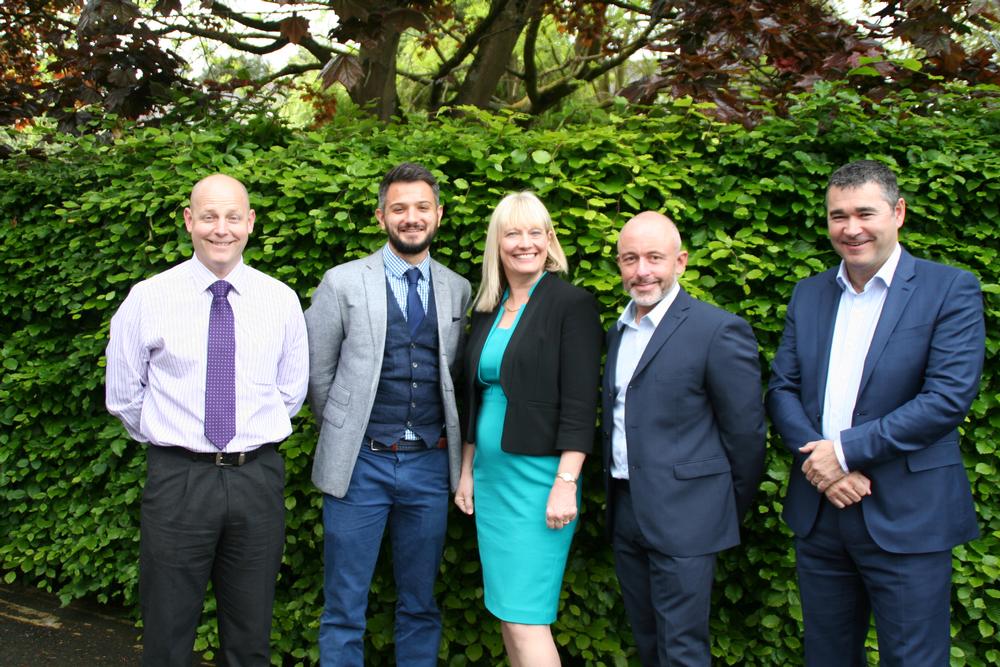
Photo from left to right: David McLean, SIBEC UK panel chair Steven Ward, Sandra Dodd, Graeme Hinde and Justin Musgrove
The Belfry Golf Resort and Spa was the setting for this year’s SIBEC UK, which saw a record number of operators and suppliers attending. Over half of the buyers were new to the event.
Setting the scene ahead of two days of intense business networking and face-to-face meetings, it was standing room only for the well-established industry debate. Chaired by ukactive executive director Steven Ward (SW), the panel comprised Justin Musgrove, MD at The Bannatyne Group (JM); David McLean, fitness manager at Edinburgh Leisure (DM); Sandra Dodd, CEO at Places for People Leisure (SD); and Graeme Hinde, MD of Leisure and Fitness Exchange (GH).
We give a snapshot of some of the discussions…. SW – Recent media reports have suggested there’s no link between exercise and weight reduction – something that could have serious implications for our sector. But does it also provide us with an opportunity to redefine ourselves?
GH – When people start to exercise regularly, everything else follows – including better eating. It’s too simplistic to say you can’t outrun a bad diet. It’s about starting people on a journey. The more they enjoy exercise, the better they’ll eat and behave generally.
SW to SD – How does this factor into the marketing strategy at Places for People Leisure?
SD – Our goal is making people healthier and happier. A happier, less stressed person is more inclined to eat a healthy diet. In terms of our marketing, it’s much more about encouraging a healthy lifestyle than losing weight.
SW to DM – How prepared is the frontline of our workforce to deal with questions of nutrition?
DM – It’s clear that, in terms of nutrition advice, there’s no ‘one size fits all’. We’re working with our frontline staff to train them in behaviour change and to develop their questioning skills.
JM – It’s about getting the full offer right, and that includes three elements: physical activity, nutrition and mental wellbeing. We’re definitely not in the right place at the moment, but the way in which we operate is changing.
For the press to spread the message that exercise won’t help with weight loss is absurd. That said, we do need to look at how we market our offering. If we’re in the health sector, we need to get the messaging right across the business.
Chris Dickson, West Lothian Leisure (from the floor) – We get shot at by the media, but we don’t do a lot to help. We know that 61 per cent of the population don’t meet the current physical activity guidelines, yet when people come into our clubs, PTs give standard guidance which at the moment includes intensive workouts like HIIT. We’re just taking the inactive person from the couch to the gym and sending them straight back to the couch.
SD – It used to be about telling people what to do, but we need to ensure that our instructors understand it’s now much more about considering how the facilities and services we offer can work for our members, and how exercise and activity (both in sites and outside) can fit with their lifestyle.
JM – I feel we need to go back to basics. What are we offering in our café/bars? What level of training do we provide to people on the gym floor? Do we consider how we can improve the mental wellbeing of people?
SW – David Cameron says obesity and diabetes will be on the top of the prevention priority list for the next five years. This could be a challenge for the industry if we’re caught unprepared. We have a short window of opportunity to ensure the message is about weight and exercise, not just weight.
SW – Moving on to the workforce. We operate in one of those rare sectors where you can enter at the bottom level and end up in the boardroom. How do we create a long-term strategy to retain staff?
JM – We’re now looking at the people in our business to see if they’re the right people with the sorts of qualities we need. It’s all about soft skills: we need to recruit correctly and then get the training right. We’ve just started analysing staff turnover – something that would have been unheard of in the past.
In terms of payment reflecting the skills we require, it’s a matter of supply and demand. If lots of people want to do a job, the salary will be low. It’s tough to find strong people in sales roles right now, so salespeople rates are going up.
SD – While our staff retention is already strong, we recognise that training is key and have recently recruited a full-time training manager – a new position at a senior level.
To complement our focus on gym staff, we now run a very successful management development programme called Rising Stars. We’ve had great success and of the 100 colleagues, 93 per cent have stayed with the company.
Meanwhile, lifeguards are a big issue for us. We’re having to increase pay rates and create pathways for lifeguards.
Claire Moore, Nottingham Trent University (from the floor) – The nature of our organisations is that we have plenty of frontline staff, but few senior positions. How can we motivate new staff when this is the case?
DM – Fitness staff can progress to become a gym supervisor, but I believe it’s more important to let them see how they can they broaden themselves in their own area of expertise and how they can grow in that role.
Our gym staff are now delivering programmes for the NHS locally, and some have moved into work with the NHS. We’re giving people better training and getting them ready to work across the health agenda. Our goal is to get all our staff to REPs Level 3.
SW – How is the rapid pace of technology impacting our sector?
JM – The role of technology should be to support clients: it can have a profound impact by giving useful analytics. It’s all about the collaboration of staff – how they use technology to provide members with advice regarding what they do outside the facility.
SW – Accuracy is going to be key, and making sure staff are able to deal with the data from wearables.
GH – We must ensure our fitness staff can advise members about which apps and wearables might be best for them. Consumers are embracing wearable gadgets, so we must not be left behind.
DM – But it’s not about us saying ‘buy product x or y’ – it’s about the customer having that information and staff helping interpret the resulting data.
SD – Technology is key across our business. We’ve seen a huge growth in swimming as a result of Swimtag, and the use of ticketing kiosks at reception means we need fewer receptionists, who can be redirected to help in selling our facilities.
Technology should be used to support clients, with staff helping members to interpret results / www.shutterstock.com/Kzenon
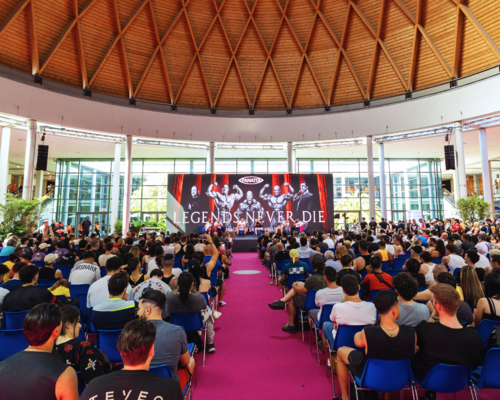
Panatta brought together four of the most influential figures in bodybuilding history on the
stage of RiminiWellness 2026: Phil Heath, Lee Haney, Ronnie Coleman and Hany Rambod. [more...]
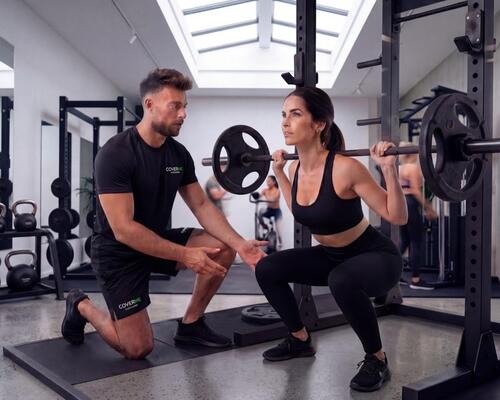
CoverMe, the global leader in fitness workforce management, today launches CoverMe PT, an
on-demand personal training platform that connects the right personal trainer to the right
client in under 10 seconds. [more...]
+ More featured suppliers
COMPANY PROFILES
Serco Leisure
Serco Leisure Operating Limited is one of the UK’s leading national operators of leisure centres, de [more...]
What’s the impact of technology on our sector, how geared up are we to deal with nutrition, and how do we retain good staff? We round up some of the highlights from ‘Question Time’ at this year’s SIBEC UK
Photo from left to right: David McLean, SIBEC UK panel chair Steven Ward, Sandra Dodd, Graeme Hinde and Justin Musgrove
The Belfry Golf Resort and Spa was the setting for this year’s SIBEC UK, which saw a record number of operators and suppliers attending. Over half of the buyers were new to the event.
Setting the scene ahead of two days of intense business networking and face-to-face meetings, it was standing room only for the well-established industry debate. Chaired by ukactive executive director Steven Ward (SW), the panel comprised Justin Musgrove, MD at The Bannatyne Group (JM); David McLean, fitness manager at Edinburgh Leisure (DM); Sandra Dodd, CEO at Places for People Leisure (SD); and Graeme Hinde, MD of Leisure and Fitness Exchange (GH).
We give a snapshot of some of the discussions…. SW – Recent media reports have suggested there’s no link between exercise and weight reduction – something that could have serious implications for our sector. But does it also provide us with an opportunity to redefine ourselves?
GH – When people start to exercise regularly, everything else follows – including better eating. It’s too simplistic to say you can’t outrun a bad diet. It’s about starting people on a journey. The more they enjoy exercise, the better they’ll eat and behave generally.
SW to SD – How does this factor into the marketing strategy at Places for People Leisure?
SD – Our goal is making people healthier and happier. A happier, less stressed person is more inclined to eat a healthy diet. In terms of our marketing, it’s much more about encouraging a healthy lifestyle than losing weight.
SW to DM – How prepared is the frontline of our workforce to deal with questions of nutrition?
DM – It’s clear that, in terms of nutrition advice, there’s no ‘one size fits all’. We’re working with our frontline staff to train them in behaviour change and to develop their questioning skills.
JM – It’s about getting the full offer right, and that includes three elements: physical activity, nutrition and mental wellbeing. We’re definitely not in the right place at the moment, but the way in which we operate is changing.
For the press to spread the message that exercise won’t help with weight loss is absurd. That said, we do need to look at how we market our offering. If we’re in the health sector, we need to get the messaging right across the business.
Chris Dickson, West Lothian Leisure (from the floor) – We get shot at by the media, but we don’t do a lot to help. We know that 61 per cent of the population don’t meet the current physical activity guidelines, yet when people come into our clubs, PTs give standard guidance which at the moment includes intensive workouts like HIIT. We’re just taking the inactive person from the couch to the gym and sending them straight back to the couch.
SD – It used to be about telling people what to do, but we need to ensure that our instructors understand it’s now much more about considering how the facilities and services we offer can work for our members, and how exercise and activity (both in sites and outside) can fit with their lifestyle.
JM – I feel we need to go back to basics. What are we offering in our café/bars? What level of training do we provide to people on the gym floor? Do we consider how we can improve the mental wellbeing of people?
SW – David Cameron says obesity and diabetes will be on the top of the prevention priority list for the next five years. This could be a challenge for the industry if we’re caught unprepared. We have a short window of opportunity to ensure the message is about weight and exercise, not just weight.
SW – Moving on to the workforce. We operate in one of those rare sectors where you can enter at the bottom level and end up in the boardroom. How do we create a long-term strategy to retain staff?
JM – We’re now looking at the people in our business to see if they’re the right people with the sorts of qualities we need. It’s all about soft skills: we need to recruit correctly and then get the training right. We’ve just started analysing staff turnover – something that would have been unheard of in the past.
In terms of payment reflecting the skills we require, it’s a matter of supply and demand. If lots of people want to do a job, the salary will be low. It’s tough to find strong people in sales roles right now, so salespeople rates are going up.
SD – While our staff retention is already strong, we recognise that training is key and have recently recruited a full-time training manager – a new position at a senior level.
To complement our focus on gym staff, we now run a very successful management development programme called Rising Stars. We’ve had great success and of the 100 colleagues, 93 per cent have stayed with the company.
Meanwhile, lifeguards are a big issue for us. We’re having to increase pay rates and create pathways for lifeguards.
Claire Moore, Nottingham Trent University (from the floor) – The nature of our organisations is that we have plenty of frontline staff, but few senior positions. How can we motivate new staff when this is the case?
DM – Fitness staff can progress to become a gym supervisor, but I believe it’s more important to let them see how they can they broaden themselves in their own area of expertise and how they can grow in that role.
Our gym staff are now delivering programmes for the NHS locally, and some have moved into work with the NHS. We’re giving people better training and getting them ready to work across the health agenda. Our goal is to get all our staff to REPs Level 3.
SW – How is the rapid pace of technology impacting our sector?
JM – The role of technology should be to support clients: it can have a profound impact by giving useful analytics. It’s all about the collaboration of staff – how they use technology to provide members with advice regarding what they do outside the facility.
SW – Accuracy is going to be key, and making sure staff are able to deal with the data from wearables.
GH – We must ensure our fitness staff can advise members about which apps and wearables might be best for them. Consumers are embracing wearable gadgets, so we must not be left behind.
DM – But it’s not about us saying ‘buy product x or y’ – it’s about the customer having that information and staff helping interpret the resulting data.
SD – Technology is key across our business. We’ve seen a huge growth in swimming as a result of Swimtag, and the use of ticketing kiosks at reception means we need fewer receptionists, who can be redirected to help in selling our facilities.
Technology should be used to support clients, with staff helping members to interpret results / www.shutterstock.com/Kzenon
The UK's four Chief Medical Officers have published a refreshed edition of Physical activity
guidelines: UK Chief Medical Officers' report, updating the evidence that underpins the nation's
physical activity recommendations and placing greater emphasis on strength, balance, reducing
sedentary behaviour and, for the first time, supporting people taking weight loss medications.
Places Leisure has exchanged contracts to build and operate a flagship £60m water and leisure
destination on behalf of Basingstoke and Deane Borough Council.
The Republic of Ireland will become the latest market in PureGym’s expanding international
portfolio, with the first launch planned for Dublin in 2027.
Anytime Fitness opened more than one club a day in 2025 and is on track to maintain this rate
of growth this year, as parent company Purpose Brands targets further international expansion.
The £33.9 million Leighton Leisure and Community Centre has opened in Leighton Buzzard, UK,
creating a next-generation public leisure, health and wellbeing hub for the local community.
Walnuts Leisure Centre in Orpington, in the London Borough of Bromley, has reopened following
a £17m transformation designed to secure the long-term future of the public leisure asset and
reposition it as a community wellbeing hub.
The Gym Group, has announced that it's sustained positive trading momentum has continued
through the first half of 2026 and the company remains confident about the outlook.
Luxury boutique Pilates and wellness studio, X-Club, officially launches a
4,000sq ft flagship at
Marylebone on 16 July Built around X-Club’s four pillars of wellness – mind,
movement,
nutrition and therapy – the facility features two group exercise studi
Panatta brought together four of the most influential figures in bodybuilding history on the
stage of RiminiWellness 2026: Phil Heath, Lee Haney, Ronnie Coleman and Hany Rambod. [more...]
CoverMe, the global leader in fitness workforce management, today launches CoverMe PT, an
on-demand personal training platform that connects the right personal trainer to the right
client in under 10 seconds. [more...]
+ More featured suppliers
COMPANY PROFILES
Serco Leisure Serco Leisure Operating Limited is one of the UK’s leading national operators of leisure centres, de [more...]