The era of data-driven health coaching is emerging
According to research from WorldPay, paying using fingerprint, palm and iris scanners is the most popular future technology choice for security-conscious shoppers. Half of all respondents said they would like to make biometric payments, far outweighing the popularity of mobile technology options.
Nevertheless, while one in five people have already made a payment through their smartphone, the research also found that 30 per cent would like to use PIN-based smartphone payments, 25 per cent like the ease of online wallets, and 23 per cent want SMS payments.
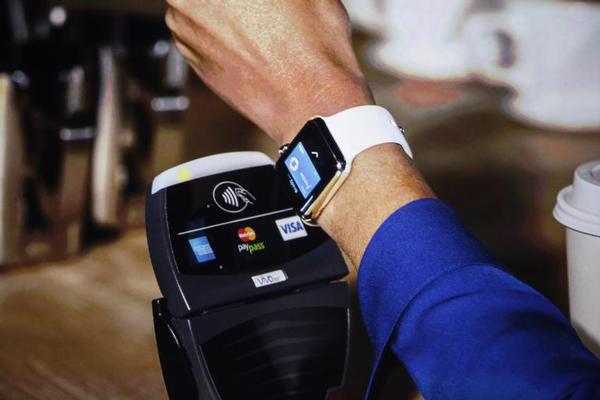
So what does this mean for the health and fitness sector, where everyone’s still talking about paying from your wrist?
It’s clear that the easier it is to pay, the more we seem to spend – just think Amazon or PayPal – and smartphone and wearable technology is not the only innovation suppliers and operators are harnessing to boost revenue. From Oyster card-style membership cards, through PayPal-style credit card auto billing and tokenisation, to à la carte fitness memberships – where biometrics enable members to pay for what they use – health clubs and leisure centres are deploying clever approaches to encourage members to splash out
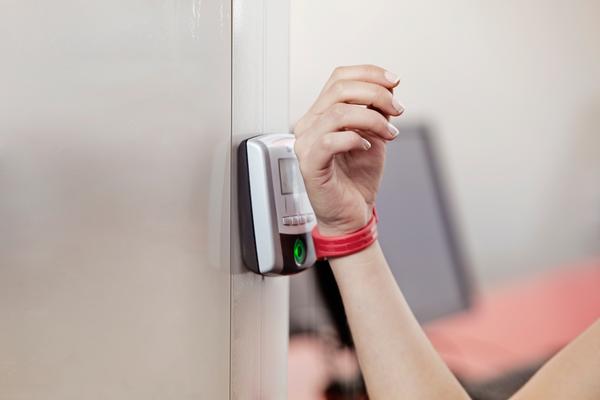
Today’s consumers expect flexibility and ease of use. When we launched low-cost operation Fresh Fitness, we wanted to create a friction-free experience – and as part of that we created cashless payments in our vending machines. When members join, they receive an RFID-chip bracelet tied to their membership and hence their bank account: whatever they spend in the vending machines is deducted directly from their account, alongside their membership fee.
Put simply, no member can enter the club without their wristband, and with the wristband all products are readily available without having to queue behind someone enquiring about membership.
Applying this technology (provided by Gantner and Exerp), combined with continuous testing to ensure we had the right number of vending machines and product mix, made it possible to increase sales from vending machines to around 10 per cent of total revenue.
I enjoyed a similar ‘ease of payment’ experience in the US when testing Barry’s Bootcamp. They’ve applied a seamless payment method whereby purchases are charged from your credit card, which they have on file, making your visit hassle-free and making it easier to spend more money. I have no doubt we’ll see more of this tech development in general, as well as in our industry. Applied well, it will help drive revenue and profit for operators.
Fresh Fitness in Denmark links its RFID wristbands to members’ bank accounts
Ramon CanelaFounder and general manager,Clubs DiR
Ramon Canela
DiR’s in-house IT team has developed a unique and pioneering software enabling us to create the first ‘à la carte’ gym in the world. Now more than 6,500 members at 13 of DiR’s 17 clubs in Barcelona pay only for the services they use.
Members can still opt for a traditional all-inclusive membership, which ranges from €60–150 a month depending on which club they’re a member of, access time, age of the member and so on.
Alternatively, at 13 of our 17 clubs, they can choose the ‘à la carte’ membership, which offers access to the fitness area and virtual classes for €25 a month, but which also enables them to add other individual services to their membership.
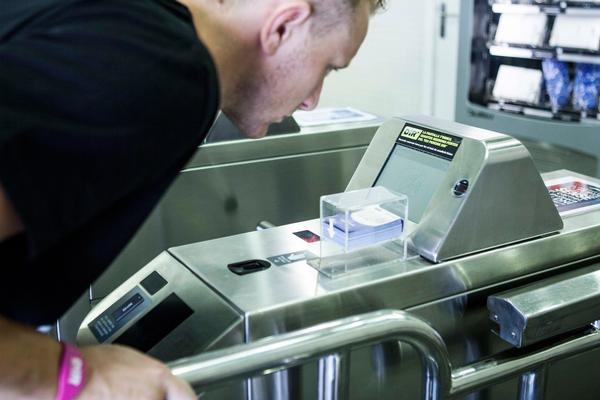
Our technology investment includes entry turnstiles that read the fingerprint and face of the user, as well as touchscreens to hire additional services; these services are paid for directly from members’ bank accounts.
The ‘à la carte’ membership starts at €25, with 35 additional services on offer including peak time access to the clubs, changing room access and towel hire, group activities with an instructor, the swimming pool, solarium and spa pool. Additional services vary in price from €2–€11 depending on the length of the hire, and members can modify their choices at any time. Average membership across the group is now €46 a month.
If consumers can choose ‘à la carte’ in a restaurant or when choosing accessories for a new car, why shouldn’t they with their fitness offering? DiR has made it possible and it’s enabled us to gain new customers, as well as retaining existing members: whatever level of package they buy in to, they’re getting good value for money, because they’re paying for the services they really want.
DiR’s software allows users to have an ‘à la carte’ membership
Bryan O’RourkeCEO,Fitness Industry Technology Council
Bryan O’Rourke
A plethora of technologies will revolutionise fitness and the health club industry and increase revenues per member through convenience, customisation and new services. Using mobile capabilities, delivering services via technology inside and outside the club, and implementing club-wide networked fitness are the top three.
Mobile wallets like Apple Pay and Google Wallet are becoming mainstream. Whether your members are booking and paying for a training session or ordering a smoothie, the ease of mobile transactions to enhance impulse buying and convenient transactions will be a great opportunity.
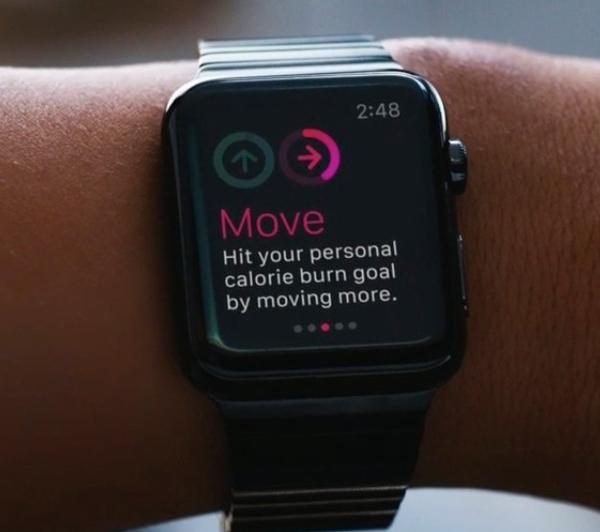
A number of technology platforms now provide on-demand health support and services. With data from wearables, video streaming and the emergence of AI (artificial intelligence) apps, the era of health coaching is emerging – one example that integrates in-club engagement and outside activity. A host of new revenue streams will be created through such programmes that service clients in more convenient and effective ways to help them achieve their health goals.
Finally, the era for big data is approaching. Deeper insights into member data will enable clubs to personalise experiences and create new opportunities to service clients, improve retention and create new revenues. This will require the networking of all equipment, the installation of sensors – beacons – and tracking technologies like geolocation, which will all collect data and provide true insights into individual customer behaviours, needs and wants.
Mobile payments like Apple Pay and Google Wallet greatly increase impulse spend
Mario MorgerBusiness development managerGANTNER Electronics
Mario Morger
Modern health clubs use technology to create an environment that allows members to conduct their workout as conveniently as possible – fast-track smartcard access, networked fitness equipment that recognises members when they log on, and so on.
In the past, operators relied heavily on reception staff and personal trainers to boost their revenues, as personal contact was the key to success. Today, however, we spend differently from the way we did 50 or even five years ago – and the difference starts with the way we use and trust technology.
When members upload cash onto their smart membership card, they can easily spend this money throughout the club – in a café, at a drinks station or on a personal training session. In addition to making it easy to spend money, keeping it simple and safe also eliminates problems of money handling in a facility.
Most importantly, operators should reward members for using their cashless payment system. Give them 10 per cent discount on all products and services for uploading £50 onto their membership card. In reality, rather than costing money, it will encourage spending and reduce operational costs.
Guenther PoellabauerMDTAC
Guenther Poellabauer
Our digital signage promotes available appointments across the facility, acting as an easy marketing solution to increase sales. By highlighting things like last-minute availability of PT sessions or a discount on a yoga class, customers are more likely to book on the spot. In-house marketing doesn’t get much easier than that.
When purchasing products or services, cash isn’t needed any more. Customers can easily pay for anything – from a Power Plate class to drinks from a vending machine – directly through their guest/member profile, using the payment method they’re most comfortable with – credit card, direct debit, PayPal and so on. This makes consuming in club easier and faster – and therefore more likely – than ever before.
And because all bookings and consumptions are saved in the individual guest profile, you know exactly what your customer wants – so you can ensure your offering reflects this, again helping form a virtuous circle of increased spending.
Use digital signage in your club to advertise special offers
Tom WithersSales and marketing directorGladstone Health & Leisure
Tom Withers
The industry’s main focus is to catch up with other retailers by enhancing customer experience in self-service, driving behaviour towards this method. But a rapidly evolving payment market leads to challenges. Customers expect the options to reflect their preferred payment method, as well as being quick and secure. Meanwhile the operator wants a secure, reliable solution that’s cost-efficient in terms of transactional costs and administration overheads.
With Gladstone’s pre-authorised card service, the member chooses which card or bank/PayPal account their ongoing payments are taken from and can transact through any Gladstone customer-facing product – such as join online, book online, tickets online and the mobile app – with a single ‘click to pay’. This makes it easier for them to make purchases, and evidence shows this encourages additional spend.
No card details are stored by Gladstone or the health club, so the customer knows their card details are safe and the transaction secure. There’s peace of mind for operators too, with set transactional costs.
With new payment options such as Apple Pay becoming ingrained in everyday life, customers are becoming comfortable with more choices at checkout.
Greg WookeySenior VP of paymentsMINDBODY
Greg Wookey
Payment technologies are evolving to meet the needs of an increasingly mobile society. Consumers expect the freedom to purchase memberships and packages or book and pay for classes anywhere, any time.
Businesses with integrated payment processing can provide increased customer convenience while also improving the back-end experience for staff – they can accept credit cards online at the front desk or on-the-go. Meanwhile auto-billing capabilities for packages and memberships can help cultivate long-term customer relationships, moving the customer beyond a one-time drop-in experience and reducing the hassle of remembering payments.
Whether for auto-renewals of membership or the booking of classes, the entire customer payment experience becomes more efficient. Credit cards can be stored securely in client profiles, enabling customers to make bookings and purchases regardless of their location or time of day – all of which makes it more likely they will spend more with you.
Active Blackpool is deploying Cornerstone Connect, a new digital interface allowing
disparate information from multiple systems to be aggregated into one dataset, to support
its focus on reducing health inequalities and improving healthy life expectancy. [more...]
Panatta brought together four of the most influential figures in bodybuilding history on the
stage of RiminiWellness 2026: Phil Heath, Lee Haney, Ronnie Coleman and Hany Rambod. [more...]
The era of data-driven health coaching is emerging
According to research from WorldPay, paying using fingerprint, palm and iris scanners is the most popular future technology choice for security-conscious shoppers. Half of all respondents said they would like to make biometric payments, far outweighing the popularity of mobile technology options.
Nevertheless, while one in five people have already made a payment through their smartphone, the research also found that 30 per cent would like to use PIN-based smartphone payments, 25 per cent like the ease of online wallets, and 23 per cent want SMS payments.
So what does this mean for the health and fitness sector, where everyone’s still talking about paying from your wrist?
It’s clear that the easier it is to pay, the more we seem to spend – just think Amazon or PayPal – and smartphone and wearable technology is not the only innovation suppliers and operators are harnessing to boost revenue. From Oyster card-style membership cards, through PayPal-style credit card auto billing and tokenisation, to à la carte fitness memberships – where biometrics enable members to pay for what they use – health clubs and leisure centres are deploying clever approaches to encourage members to splash out
Today’s consumers expect flexibility and ease of use. When we launched low-cost operation Fresh Fitness, we wanted to create a friction-free experience – and as part of that we created cashless payments in our vending machines. When members join, they receive an RFID-chip bracelet tied to their membership and hence their bank account: whatever they spend in the vending machines is deducted directly from their account, alongside their membership fee.
Put simply, no member can enter the club without their wristband, and with the wristband all products are readily available without having to queue behind someone enquiring about membership.
Applying this technology (provided by Gantner and Exerp), combined with continuous testing to ensure we had the right number of vending machines and product mix, made it possible to increase sales from vending machines to around 10 per cent of total revenue.
I enjoyed a similar ‘ease of payment’ experience in the US when testing Barry’s Bootcamp. They’ve applied a seamless payment method whereby purchases are charged from your credit card, which they have on file, making your visit hassle-free and making it easier to spend more money. I have no doubt we’ll see more of this tech development in general, as well as in our industry. Applied well, it will help drive revenue and profit for operators.
Fresh Fitness in Denmark links its RFID wristbands to members’ bank accounts
Ramon CanelaFounder and general manager,Clubs DiR
Ramon Canela
DiR’s in-house IT team has developed a unique and pioneering software enabling us to create the first ‘à la carte’ gym in the world. Now more than 6,500 members at 13 of DiR’s 17 clubs in Barcelona pay only for the services they use.
Members can still opt for a traditional all-inclusive membership, which ranges from €60–150 a month depending on which club they’re a member of, access time, age of the member and so on.
Alternatively, at 13 of our 17 clubs, they can choose the ‘à la carte’ membership, which offers access to the fitness area and virtual classes for €25 a month, but which also enables them to add other individual services to their membership.
Our technology investment includes entry turnstiles that read the fingerprint and face of the user, as well as touchscreens to hire additional services; these services are paid for directly from members’ bank accounts.
The ‘à la carte’ membership starts at €25, with 35 additional services on offer including peak time access to the clubs, changing room access and towel hire, group activities with an instructor, the swimming pool, solarium and spa pool. Additional services vary in price from €2–€11 depending on the length of the hire, and members can modify their choices at any time. Average membership across the group is now €46 a month.
If consumers can choose ‘à la carte’ in a restaurant or when choosing accessories for a new car, why shouldn’t they with their fitness offering? DiR has made it possible and it’s enabled us to gain new customers, as well as retaining existing members: whatever level of package they buy in to, they’re getting good value for money, because they’re paying for the services they really want.
DiR’s software allows users to have an ‘à la carte’ membership
Bryan O’RourkeCEO,Fitness Industry Technology Council
Bryan O’Rourke
A plethora of technologies will revolutionise fitness and the health club industry and increase revenues per member through convenience, customisation and new services. Using mobile capabilities, delivering services via technology inside and outside the club, and implementing club-wide networked fitness are the top three.
Mobile wallets like Apple Pay and Google Wallet are becoming mainstream. Whether your members are booking and paying for a training session or ordering a smoothie, the ease of mobile transactions to enhance impulse buying and convenient transactions will be a great opportunity.
A number of technology platforms now provide on-demand health support and services. With data from wearables, video streaming and the emergence of AI (artificial intelligence) apps, the era of health coaching is emerging – one example that integrates in-club engagement and outside activity. A host of new revenue streams will be created through such programmes that service clients in more convenient and effective ways to help them achieve their health goals.
Finally, the era for big data is approaching. Deeper insights into member data will enable clubs to personalise experiences and create new opportunities to service clients, improve retention and create new revenues. This will require the networking of all equipment, the installation of sensors – beacons – and tracking technologies like geolocation, which will all collect data and provide true insights into individual customer behaviours, needs and wants.
Mobile payments like Apple Pay and Google Wallet greatly increase impulse spend
Mario MorgerBusiness development managerGANTNER Electronics
Mario Morger
Modern health clubs use technology to create an environment that allows members to conduct their workout as conveniently as possible – fast-track smartcard access, networked fitness equipment that recognises members when they log on, and so on.
In the past, operators relied heavily on reception staff and personal trainers to boost their revenues, as personal contact was the key to success. Today, however, we spend differently from the way we did 50 or even five years ago – and the difference starts with the way we use and trust technology.
When members upload cash onto their smart membership card, they can easily spend this money throughout the club – in a café, at a drinks station or on a personal training session. In addition to making it easy to spend money, keeping it simple and safe also eliminates problems of money handling in a facility.
Most importantly, operators should reward members for using their cashless payment system. Give them 10 per cent discount on all products and services for uploading £50 onto their membership card. In reality, rather than costing money, it will encourage spending and reduce operational costs.
Guenther PoellabauerMDTAC
Guenther Poellabauer
Our digital signage promotes available appointments across the facility, acting as an easy marketing solution to increase sales. By highlighting things like last-minute availability of PT sessions or a discount on a yoga class, customers are more likely to book on the spot. In-house marketing doesn’t get much easier than that.
When purchasing products or services, cash isn’t needed any more. Customers can easily pay for anything – from a Power Plate class to drinks from a vending machine – directly through their guest/member profile, using the payment method they’re most comfortable with – credit card, direct debit, PayPal and so on. This makes consuming in club easier and faster – and therefore more likely – than ever before.
And because all bookings and consumptions are saved in the individual guest profile, you know exactly what your customer wants – so you can ensure your offering reflects this, again helping form a virtuous circle of increased spending.
Use digital signage in your club to advertise special offers
Tom WithersSales and marketing directorGladstone Health & Leisure
Tom Withers
The industry’s main focus is to catch up with other retailers by enhancing customer experience in self-service, driving behaviour towards this method. But a rapidly evolving payment market leads to challenges. Customers expect the options to reflect their preferred payment method, as well as being quick and secure. Meanwhile the operator wants a secure, reliable solution that’s cost-efficient in terms of transactional costs and administration overheads.
With Gladstone’s pre-authorised card service, the member chooses which card or bank/PayPal account their ongoing payments are taken from and can transact through any Gladstone customer-facing product – such as join online, book online, tickets online and the mobile app – with a single ‘click to pay’. This makes it easier for them to make purchases, and evidence shows this encourages additional spend.
No card details are stored by Gladstone or the health club, so the customer knows their card details are safe and the transaction secure. There’s peace of mind for operators too, with set transactional costs.
With new payment options such as Apple Pay becoming ingrained in everyday life, customers are becoming comfortable with more choices at checkout.
Greg WookeySenior VP of paymentsMINDBODY
Greg Wookey
Payment technologies are evolving to meet the needs of an increasingly mobile society. Consumers expect the freedom to purchase memberships and packages or book and pay for classes anywhere, any time.
Businesses with integrated payment processing can provide increased customer convenience while also improving the back-end experience for staff – they can accept credit cards online at the front desk or on-the-go. Meanwhile auto-billing capabilities for packages and memberships can help cultivate long-term customer relationships, moving the customer beyond a one-time drop-in experience and reducing the hassle of remembering payments.
Whether for auto-renewals of membership or the booking of classes, the entire customer payment experience becomes more efficient. Credit cards can be stored securely in client profiles, enabling customers to make bookings and purchases regardless of their location or time of day – all of which makes it more likely they will spend more with you.
The UK's four Chief Medical Officers have published a refreshed edition of Physical activity
guidelines: UK Chief Medical Officers' report, updating the evidence that underpins the nation's
physical activity recommendations and placing greater emphasis on strength, balance, reducing
sedentary behaviour and, for the first time, supporting people taking weight loss medications.
Places Leisure has exchanged contracts to build and operate a flagship £60m water and leisure
destination on behalf of Basingstoke and Deane Borough Council.
The Republic of Ireland will become the latest market in PureGym’s expanding international
portfolio, with the first launch planned for Dublin in 2027.
Anytime Fitness opened more than one club a day in 2025 and is on track to maintain this rate
of growth this year, as parent company Purpose Brands targets further international expansion.
The £33.9 million Leighton Leisure and Community Centre has opened in Leighton Buzzard, UK,
creating a next-generation public leisure, health and wellbeing hub for the local community.
Walnuts Leisure Centre in Orpington, in the London Borough of Bromley, has reopened following
a £17m transformation designed to secure the long-term future of the public leisure asset and
reposition it as a community wellbeing hub.
The Gym Group, has announced that it's sustained positive trading momentum has continued
through the first half of 2026 and the company remains confident about the outlook.
Luxury boutique Pilates and wellness studio, X-Club, officially launches a
4,000sq ft flagship at
Marylebone on 16 July Built around X-Club’s four pillars of wellness – mind,
movement,
nutrition and therapy – the facility features two group exercise studi
Active Blackpool is deploying Cornerstone Connect, a new digital interface allowing
disparate information from multiple systems to be aggregated into one dataset, to support
its focus on reducing health inequalities and improving healthy life expectancy. [more...]
Panatta brought together four of the most influential figures in bodybuilding history on the
stage of RiminiWellness 2026: Phil Heath, Lee Haney, Ronnie Coleman and Hany Rambod. [more...]