ukactive’s new kids membership category and report aim to get the country to sit up and pay attention to childhood inactivity. Executive director Steven Ward reports
By Steven Ward | Published in Health Club Management 2015 issue 6
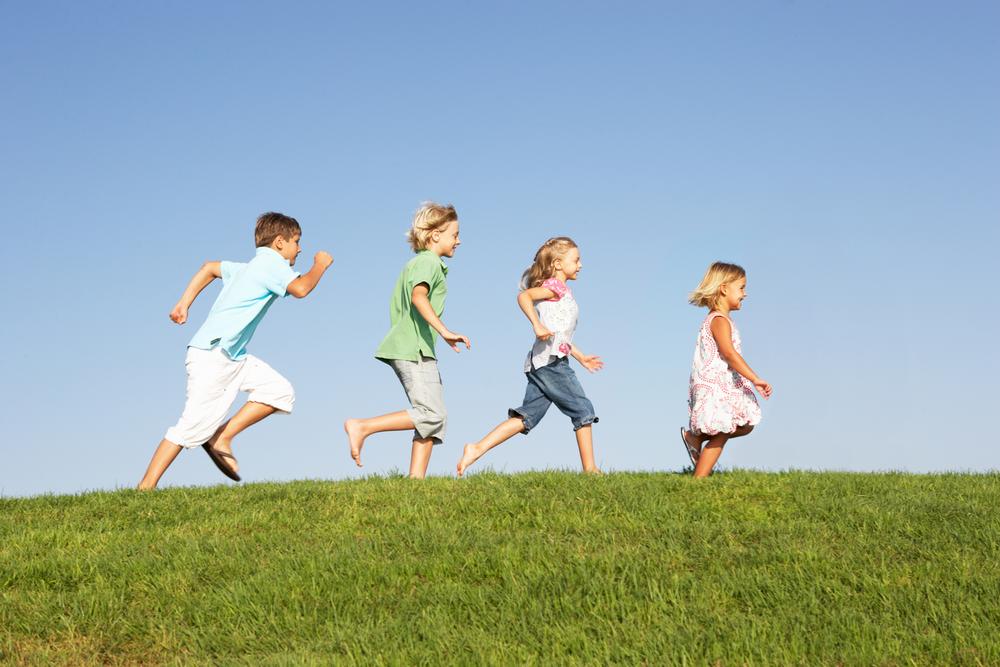
Primary schools measure academic ability, but have no idea how fit their pupils are / photo: www.shutterstock.com/Monkey Business Images
Sebastian Coe has described this generation as the least active in history: Generation Inactive.
This fact – that today’s kids are significantly less active than their parents – runs deeper than the inevitable 50 more years of hurt for the England football team. It means that children growing up in 21st century Britain will be more likely to face numerous cardiovascular diseases, arthritis and cancer in their lifetimes.
So how do we turn this around? In my view, it’s not as simple as saying they should get out in the sun and run around more often. We have to remember that this generation has access to more TV channels, Netflix accounts, social media platforms and games consoles than you can wag a disapproving finger at. Physical activity – whether that’s a PE class, swim club or trip to an activity centre like GoApe – must now compete for the attention of children and their parents in a landscape crammed with digital alternatives.
What we can do is work with the physical activity sector, and the legislators, to make sure we’re promoting the existing work of some fantastic providers and ensuring their impact is felt. We also need to take steps towards creating a future where the active option is the attractive option for both children and parents.
To achieve this, we’ll need the alliance of key stakeholders – kids’ activity providers, government bodies and executives alongside the spark and innovation of brand experts and technology providers – to ensure we’re hitting the right notes.
Kids category In April, we launched our ukactive kids membership category. Following on from the merger with the Compass Association, finalised in March, this new strand of ukactive will be playing an increasingly important part in our future thinking.
The kids membership category will be the basis for our work with children’s activity providers; it will provide a consultative forum, policy creation unit and go-to group of leaders in their field. It will also be working behind the scenes – and in front of them – to move the goalposts in the right direction when it comes to government collaboration with our sector.
It will become an increasingly integral part of what we do. For example, this year’s National Fitness Day on 9 September will have a distinct strand of work focused on engaging with schools and embedding the fun of fitness for everyone within the education setting.
Physical illiteracy We’ll also be launching a report this month with brand new research into UK schools’ responses to the inactivity pandemic. The report – which is based on a large number of Freedom of Information requests around current approaches to monitoring and tracking students’ progress in physical education – will make strong recommendations to government, Ofsted and the physical activity sector regarding the future direction of things like the primary school sport premium, and how this could be improved to incorporate a wider definition of physical activity.
I don’t want to pre-empt the full details of that report, but the bottom line is that primary schools – where habits for life are formed – don’t put the same level of rigour into ensuring that children leave school being able to throw, catch, walk and run as they do into monitoring a child’s aptitude for reading, writing and adding up.
Indeed, early findings show that schools have a very limited understanding of how physically fit their pupils are.
Somewhere along the line this has to change. It’s going to be a long process, but as we’ve already seen with regards to physical activity and its role in public health – with the doubling of budgets in just 12 months – we can make an impact when we really start to shout about the offer our sector can make.
Active Blackpool is deploying Cornerstone Connect, a new digital interface allowing
disparate information from multiple systems to be aggregated into one dataset, to support
its focus on reducing health inequalities and improving healthy life expectancy. [more...]
Panatta brought together four of the most influential figures in bodybuilding history on the
stage of RiminiWellness 2026: Phil Heath, Lee Haney, Ronnie Coleman and Hany Rambod. [more...]
+ More featured suppliers
COMPANY PROFILES
PSLT Ltd
PSLT Fitness Solutions manufacture, remanufacture and buy back commercial gym equipment. [more...]
Orbit4
With Orbit4, you’ll always have full visibility
of your equipment inventory, the true
market value [more...]
ukactive’s new kids membership category and report aim to get the country to sit up and pay attention to childhood inactivity. Executive director Steven Ward reports
By Steven Ward | Published in Health Club Management 2015 issue 6
Primary schools measure academic ability, but have no idea how fit their pupils are / photo: www.shutterstock.com/Monkey Business Images
Sebastian Coe has described this generation as the least active in history: Generation Inactive.
This fact – that today’s kids are significantly less active than their parents – runs deeper than the inevitable 50 more years of hurt for the England football team. It means that children growing up in 21st century Britain will be more likely to face numerous cardiovascular diseases, arthritis and cancer in their lifetimes.
So how do we turn this around? In my view, it’s not as simple as saying they should get out in the sun and run around more often. We have to remember that this generation has access to more TV channels, Netflix accounts, social media platforms and games consoles than you can wag a disapproving finger at. Physical activity – whether that’s a PE class, swim club or trip to an activity centre like GoApe – must now compete for the attention of children and their parents in a landscape crammed with digital alternatives.
What we can do is work with the physical activity sector, and the legislators, to make sure we’re promoting the existing work of some fantastic providers and ensuring their impact is felt. We also need to take steps towards creating a future where the active option is the attractive option for both children and parents.
To achieve this, we’ll need the alliance of key stakeholders – kids’ activity providers, government bodies and executives alongside the spark and innovation of brand experts and technology providers – to ensure we’re hitting the right notes.
Kids category In April, we launched our ukactive kids membership category. Following on from the merger with the Compass Association, finalised in March, this new strand of ukactive will be playing an increasingly important part in our future thinking.
The kids membership category will be the basis for our work with children’s activity providers; it will provide a consultative forum, policy creation unit and go-to group of leaders in their field. It will also be working behind the scenes – and in front of them – to move the goalposts in the right direction when it comes to government collaboration with our sector.
It will become an increasingly integral part of what we do. For example, this year’s National Fitness Day on 9 September will have a distinct strand of work focused on engaging with schools and embedding the fun of fitness for everyone within the education setting.
Physical illiteracy We’ll also be launching a report this month with brand new research into UK schools’ responses to the inactivity pandemic. The report – which is based on a large number of Freedom of Information requests around current approaches to monitoring and tracking students’ progress in physical education – will make strong recommendations to government, Ofsted and the physical activity sector regarding the future direction of things like the primary school sport premium, and how this could be improved to incorporate a wider definition of physical activity.
I don’t want to pre-empt the full details of that report, but the bottom line is that primary schools – where habits for life are formed – don’t put the same level of rigour into ensuring that children leave school being able to throw, catch, walk and run as they do into monitoring a child’s aptitude for reading, writing and adding up.
Indeed, early findings show that schools have a very limited understanding of how physically fit their pupils are.
Somewhere along the line this has to change. It’s going to be a long process, but as we’ve already seen with regards to physical activity and its role in public health – with the doubling of budgets in just 12 months – we can make an impact when we really start to shout about the offer our sector can make.
The UK's four Chief Medical Officers have published a refreshed edition of Physical activity
guidelines: UK Chief Medical Officers' report, updating the evidence that underpins the nation's
physical activity recommendations and placing greater emphasis on strength, balance, reducing
sedentary behaviour and, for the first time, supporting people taking weight loss medications.
Places Leisure has exchanged contracts to build and operate a flagship £60m water and leisure
destination on behalf of Basingstoke and Deane Borough Council.
The Republic of Ireland will become the latest market in PureGym’s expanding international
portfolio, with the first launch planned for Dublin in 2027.
Anytime Fitness opened more than one club a day in 2025 and is on track to maintain this rate
of growth this year, as parent company Purpose Brands targets further international expansion.
The £33.9 million Leighton Leisure and Community Centre has opened in Leighton Buzzard, UK,
creating a next-generation public leisure, health and wellbeing hub for the local community.
Walnuts Leisure Centre in Orpington, in the London Borough of Bromley, has reopened following
a £17m transformation designed to secure the long-term future of the public leisure asset and
reposition it as a community wellbeing hub.
The Gym Group, has announced that it's sustained positive trading momentum has continued
through the first half of 2026 and the company remains confident about the outlook.
Luxury boutique Pilates and wellness studio, X-Club, officially launches a
4,000sq ft flagship at
Marylebone on 16 July Built around X-Club’s four pillars of wellness – mind,
movement,
nutrition and therapy – the facility features two group exercise studi
Active Blackpool is deploying Cornerstone Connect, a new digital interface allowing
disparate information from multiple systems to be aggregated into one dataset, to support
its focus on reducing health inequalities and improving healthy life expectancy. [more...]
Panatta brought together four of the most influential figures in bodybuilding history on the
stage of RiminiWellness 2026: Phil Heath, Lee Haney, Ronnie Coleman and Hany Rambod. [more...]
+ More featured suppliers
COMPANY PROFILES
PSLT Ltd PSLT Fitness Solutions manufacture, remanufacture and buy back commercial gym equipment. [more...]