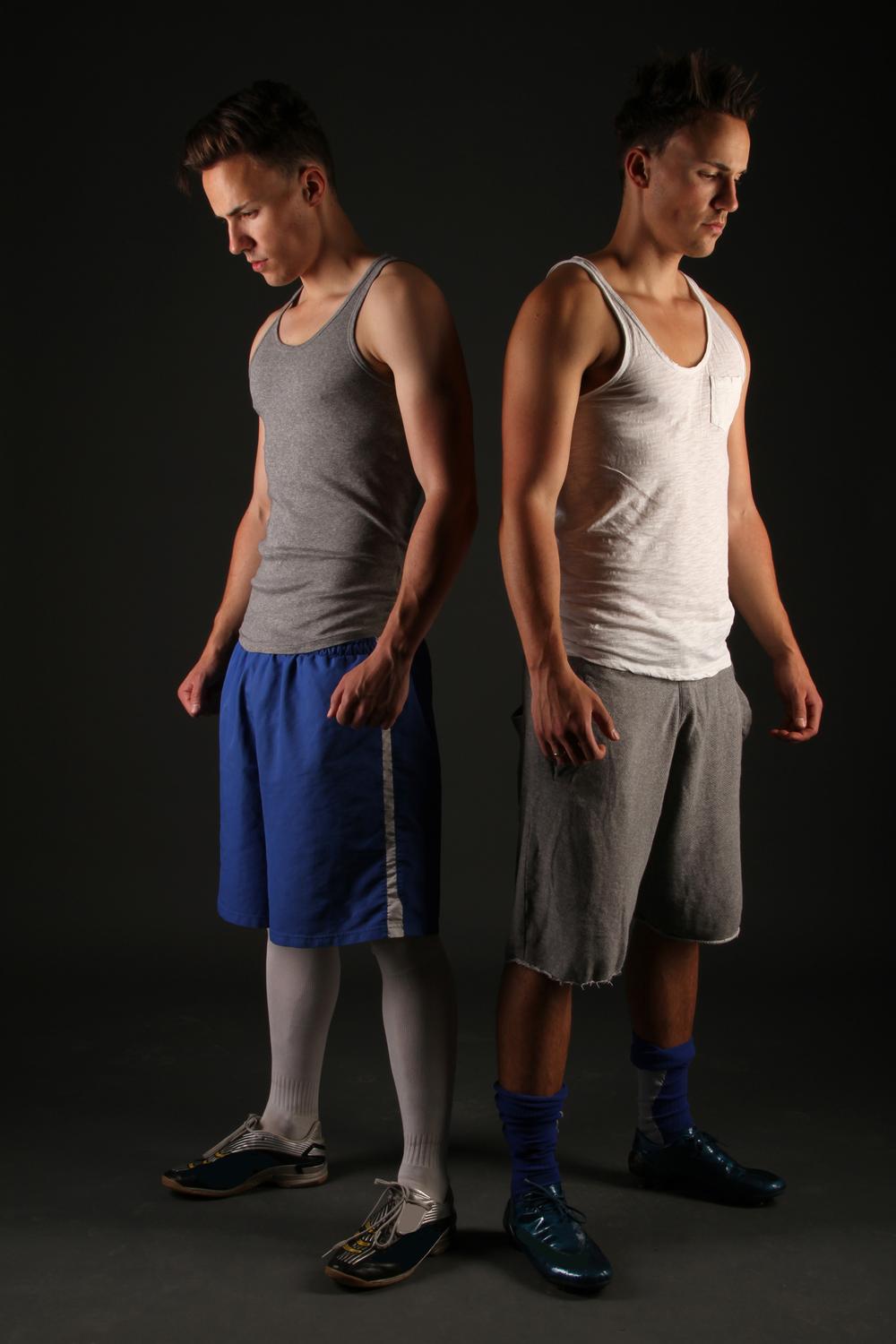
Brain scans showed the physically active had a higher volume of grey matter / shutterstock.com/Samo Trebizan
A small but significant study of identical twins* who did the same levels of activity as kids, but developed different exercise habits later in life, has provided interesting insights into the effects that exercise has on people’s health.
Twins are valuable for research as they share the same DNA – and it’s our genes that determine our capacity and willingness to work out, as well as how our bodies react. In this case, the twins also had a similar upbringing.
FitFatTwin study The so-called ‘FitFatTwin’ study, by the University of Jyväskylä in Finland, was based on 10 pairs of identical twin men aged 32–36. One twin exercised two or more times a week, while his brother only exercised two times a month or less. But both still had similar diets.
Over the course of three years, extensive physical measurements were recorded in the twins, including fitness levels, body composition and glucose levels/insulin sensitivity.
Brain scans were also conduced – a novel aim of the study was to analyse the difference in grey matter.
Active vs non-active As expected, the study found the active twins had better cardiovascular fitness. Similar associations were not found for muscular strength, however, which was put down to the fact that participants mostly took part in aerobic sport.
Although the inactive twins weighed only slightly more, their percentage of body fat was “markedly higher”.
So far so unsurprising, but the university researchers also found insulin and glucose biomarkers which suggested the inactive twins had a greater risk of developing type 2 diabetes later in life.
When analysing the brain scans, the researchers also found an “extensive difference” in the volume of grey matter in favour of the physically active. The parts of the brain associated with co-ordination, motor control and cognitive function were particularly affected, the study showed.
*Kujala UM et al. Physical activity, fitness, glucose homeostasis, and brain morphology in twins. Medicine & Science in Sports & Exercise. March 2015
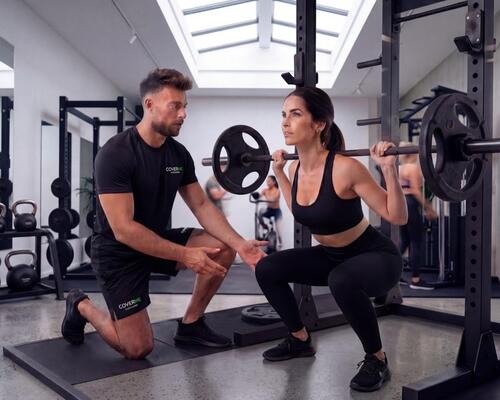
CoverMe, the global leader in fitness workforce management, today launches CoverMe PT, an
on-demand personal training platform that connects the right personal trainer to the right
client in under 10 seconds. [more...]
Active Blackpool is deploying Cornerstone Connect, a new digital interface allowing
disparate information from multiple systems to be aggregated into one dataset, to support
its focus on reducing health inequalities and improving healthy life expectancy. [more...]
Brain scans showed the physically active had a higher volume of grey matter / shutterstock.com/Samo Trebizan
A small but significant study of identical twins* who did the same levels of activity as kids, but developed different exercise habits later in life, has provided interesting insights into the effects that exercise has on people’s health.
Twins are valuable for research as they share the same DNA – and it’s our genes that determine our capacity and willingness to work out, as well as how our bodies react. In this case, the twins also had a similar upbringing.
FitFatTwin study The so-called ‘FitFatTwin’ study, by the University of Jyväskylä in Finland, was based on 10 pairs of identical twin men aged 32–36. One twin exercised two or more times a week, while his brother only exercised two times a month or less. But both still had similar diets.
Over the course of three years, extensive physical measurements were recorded in the twins, including fitness levels, body composition and glucose levels/insulin sensitivity.
Brain scans were also conduced – a novel aim of the study was to analyse the difference in grey matter.
Active vs non-active As expected, the study found the active twins had better cardiovascular fitness. Similar associations were not found for muscular strength, however, which was put down to the fact that participants mostly took part in aerobic sport.
Although the inactive twins weighed only slightly more, their percentage of body fat was “markedly higher”.
So far so unsurprising, but the university researchers also found insulin and glucose biomarkers which suggested the inactive twins had a greater risk of developing type 2 diabetes later in life.
When analysing the brain scans, the researchers also found an “extensive difference” in the volume of grey matter in favour of the physically active. The parts of the brain associated with co-ordination, motor control and cognitive function were particularly affected, the study showed.
*Kujala UM et al. Physical activity, fitness, glucose homeostasis, and brain morphology in twins. Medicine & Science in Sports & Exercise. March 2015
The UK's four Chief Medical Officers have published a refreshed edition of Physical activity
guidelines: UK Chief Medical Officers' report, updating the evidence that underpins the nation's
physical activity recommendations and placing greater emphasis on strength, balance, reducing
sedentary behaviour and, for the first time, supporting people taking weight loss medications.
Places Leisure has exchanged contracts to build and operate a flagship £60m water and leisure
destination on behalf of Basingstoke and Deane Borough Council.
The Republic of Ireland will become the latest market in PureGym’s expanding international
portfolio, with the first launch planned for Dublin in 2027.
Anytime Fitness opened more than one club a day in 2025 and is on track to maintain this rate
of growth this year, as parent company Purpose Brands targets further international expansion.
The £33.9 million Leighton Leisure and Community Centre has opened in Leighton Buzzard, UK,
creating a next-generation public leisure, health and wellbeing hub for the local community.
Walnuts Leisure Centre in Orpington, in the London Borough of Bromley, has reopened following
a £17m transformation designed to secure the long-term future of the public leisure asset and
reposition it as a community wellbeing hub.
The Gym Group, has announced that it's sustained positive trading momentum has continued
through the first half of 2026 and the company remains confident about the outlook.
Luxury boutique Pilates and wellness studio, X-Club, officially launches a
4,000sq ft flagship at
Marylebone on 16 July Built around X-Club’s four pillars of wellness – mind,
movement,
nutrition and therapy – the facility features two group exercise studi
CoverMe, the global leader in fitness workforce management, today launches CoverMe PT, an
on-demand personal training platform that connects the right personal trainer to the right
client in under 10 seconds. [more...]
Active Blackpool is deploying Cornerstone Connect, a new digital interface allowing
disparate information from multiple systems to be aggregated into one dataset, to support
its focus on reducing health inequalities and improving healthy life expectancy. [more...]