The Apple Watch marks part of a revolution in fitness
Rapidly advancing technologies are revolutionising almost every industry, and health and fitness is no exception, with a growing number of digital alternatives to working out in health clubs now available. Like the digital revolution of music, which destroyed record store business models, the explosion of digital fitness alternatives like wearables and mobile apps looms over traditional fitness business models; the overall wearable technology market looks set to reach as many as 1 billion units by 2020.
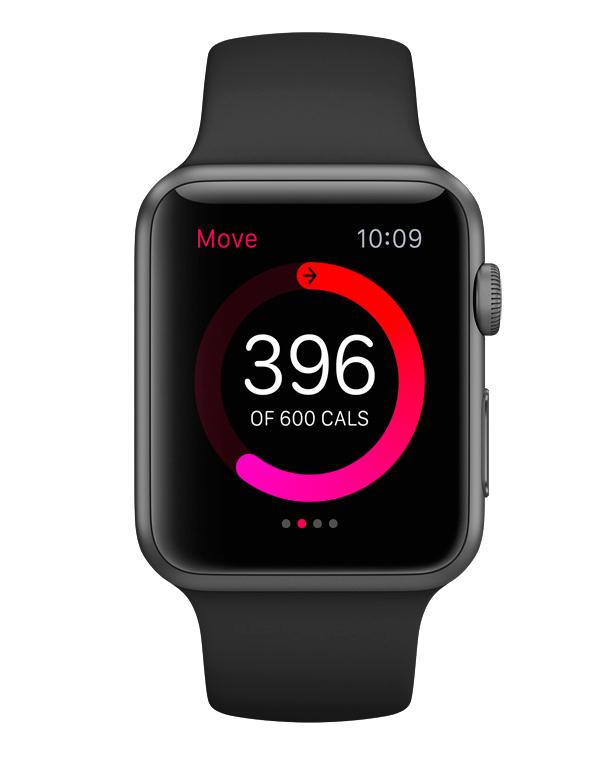
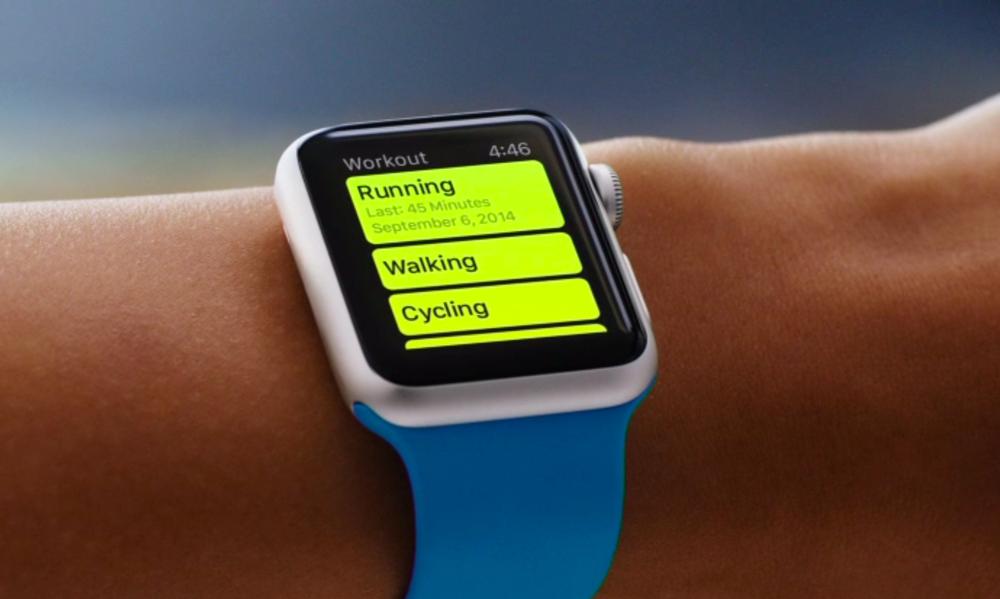
This month’s release of the Apple Watch represents a significant event within this trend, with global sales set to exceed 30 million units in 2015 according to some reports. Apple’s entry to the wearables market draws particular attention thanks to the company’s status as king of consumer product development: ensuring the Apple Watch successfully fulfils consumer needs will be the brand’s top priority.
No immediate blow So what will the launch of the Apple Watch really mean to the health club industry?
In the near-term and based on what the Apple Watch, other wearables and mobile applications can do today, the technology won’t immediately deliver a crushing blow to existing business models. While consumers are likely to purchase technologies to help them become healthier, these technologies are simply not at the point where they can deliver results and fully replace bricks and mortar fitness services and experiences. As with predictions of flying cars decades ago, enthusiasm can outpace reality when it comes to emerging technologies.
However, despite some of the Apple Watch’s initial limitations such as battery life, the technology of this product – and indeed others – will continue to advance. Over the next five years, we’re therefore likely to see a variety of business disruptions resulting from tools – including the Apple Watch 2 and beyond – that will certainly begin to significantly impact the health club industry. Consumers will be offered more convenient and effective alternatives to gym memberships, and a real shift in consumer habits will most likely occur as a result.
Get the prep work done It’s therefore essential that gyms begin to consider service models that incorporate these consumer technologies. For example, coaching could use wearables to enhance feedback from trainers for client activities inside and outside the four walls of the gym, while the compilation of a variety of data from wearables, apps, fitness equipment, billing and CRM – including, of course, integration with Apple’s own HealthKit – could enable personalised member experiences in-club.
The list of possibilities is long, and the solution may well come from an industry outsider with a fresh perspective: Uber wasn’t founded by cab drivers. But ultimately, as with other industries, if bricks and mortar fitness models don’t embrace the shift towards a blend of digital and bricks and mortar service models, the prognosis might not be good.
In the interim, don’t be worried that the Apple Watch will take away your clients as soon as it’s launched – but be prepared for what’s to come. Believe me, technology is revolutionising health and fitness for the better, whether we like it or not.
ABOUT THE AUTHOR
Bryan O’Rourke is a health club industry expert, technologist, financier, shareholder and executive in several fitness companies. He is CEO of consulting firm Integerus and the Fitness Industry Technology Council (www.fit-c.org), CSO of Fitmarc and The Flywheel Group, and a member of the ACE industry advisory panel.
Web: www.bryankorourke.com
Global sales of the Apple Watch are predicted to exceed 30 million units in 2015
CoverMe, the global leader in fitness workforce management, today launches CoverMe PT, an
on-demand personal training platform that connects the right personal trainer to the right
client in under 10 seconds. [more...]
One of the biggest mistakes the fitness industry still makes is advertising almost
exclusively to people who already look and live like gym members. [more...]
+ More featured suppliers
COMPANY PROFILES
Safe Space Lockers
We provide a full turn-key solution for clients from design and consultation, through to bespoke man [more...]
Orbit4
With Orbit4, you’ll always have full visibility
of your equipment inventory, the true
market value [more...]
The Apple Watch marks part of a revolution in fitness
Rapidly advancing technologies are revolutionising almost every industry, and health and fitness is no exception, with a growing number of digital alternatives to working out in health clubs now available. Like the digital revolution of music, which destroyed record store business models, the explosion of digital fitness alternatives like wearables and mobile apps looms over traditional fitness business models; the overall wearable technology market looks set to reach as many as 1 billion units by 2020.
This month’s release of the Apple Watch represents a significant event within this trend, with global sales set to exceed 30 million units in 2015 according to some reports. Apple’s entry to the wearables market draws particular attention thanks to the company’s status as king of consumer product development: ensuring the Apple Watch successfully fulfils consumer needs will be the brand’s top priority.
No immediate blow So what will the launch of the Apple Watch really mean to the health club industry?
In the near-term and based on what the Apple Watch, other wearables and mobile applications can do today, the technology won’t immediately deliver a crushing blow to existing business models. While consumers are likely to purchase technologies to help them become healthier, these technologies are simply not at the point where they can deliver results and fully replace bricks and mortar fitness services and experiences. As with predictions of flying cars decades ago, enthusiasm can outpace reality when it comes to emerging technologies.
However, despite some of the Apple Watch’s initial limitations such as battery life, the technology of this product – and indeed others – will continue to advance. Over the next five years, we’re therefore likely to see a variety of business disruptions resulting from tools – including the Apple Watch 2 and beyond – that will certainly begin to significantly impact the health club industry. Consumers will be offered more convenient and effective alternatives to gym memberships, and a real shift in consumer habits will most likely occur as a result.
Get the prep work done It’s therefore essential that gyms begin to consider service models that incorporate these consumer technologies. For example, coaching could use wearables to enhance feedback from trainers for client activities inside and outside the four walls of the gym, while the compilation of a variety of data from wearables, apps, fitness equipment, billing and CRM – including, of course, integration with Apple’s own HealthKit – could enable personalised member experiences in-club.
The list of possibilities is long, and the solution may well come from an industry outsider with a fresh perspective: Uber wasn’t founded by cab drivers. But ultimately, as with other industries, if bricks and mortar fitness models don’t embrace the shift towards a blend of digital and bricks and mortar service models, the prognosis might not be good.
In the interim, don’t be worried that the Apple Watch will take away your clients as soon as it’s launched – but be prepared for what’s to come. Believe me, technology is revolutionising health and fitness for the better, whether we like it or not.
ABOUT THE AUTHOR
Bryan O’Rourke is a health club industry expert, technologist, financier, shareholder and executive in several fitness companies. He is CEO of consulting firm Integerus and the Fitness Industry Technology Council (www.fit-c.org), CSO of Fitmarc and The Flywheel Group, and a member of the ACE industry advisory panel.
Web: www.bryankorourke.com
Global sales of the Apple Watch are predicted to exceed 30 million units in 2015
Global luxury hospitality brand, Six Senses, has partnered with longevity healthcare provider,
HUM2N, to launch a clinic at Six Senses London, at The Whiteley.
Premium London health club, KX Chelsea, will imminently unveil its most significant
redevelopment since its launch in 2002 to create an integrated wellness model combining
training, recovery and relaxation.
Researchers in the US have identified an antibody which could greatly reduce the loss of lean
muscle mass in people who are taking weight-loss medications.
Crunch Fitness has announced the launch of Crunch Reform Pilates – its own reformer concept
designed to bring this fast growing, but rather expensive, modality into the mainstream.
The 20th State of the Industry Report reveals a resilient, expanding and competitive
sector, the
importance of differentiation and the ongoing challenge of tackling inequalities.
Nuffield Health has told HCM that it takes its responsibilities towards its colleagues seriously
and is committed to meeting all legal obligations after news of a tribunal has made national
headlines.
Technogym has announced the launch of the Run X World Treadmill Championship, the first
world championship for running on connected treadmills over five kilometres.
CoverMe, the global leader in fitness workforce management, today launches CoverMe PT, an
on-demand personal training platform that connects the right personal trainer to the right
client in under 10 seconds. [more...]
One of the biggest mistakes the fitness industry still makes is advertising almost
exclusively to people who already look and live like gym members. [more...]
+ More featured suppliers
COMPANY PROFILES
Safe Space Lockers We provide a full turn-key solution for clients from design and consultation, through to bespoke man [more...]