The streets offer a great opportunity to encourage incidental exercise. What more could the health and fitness industry do to get people active when moving from A to B? Kath Hudson reports
By Kath Hudson | Published in Health Club Management 2015 issue 3
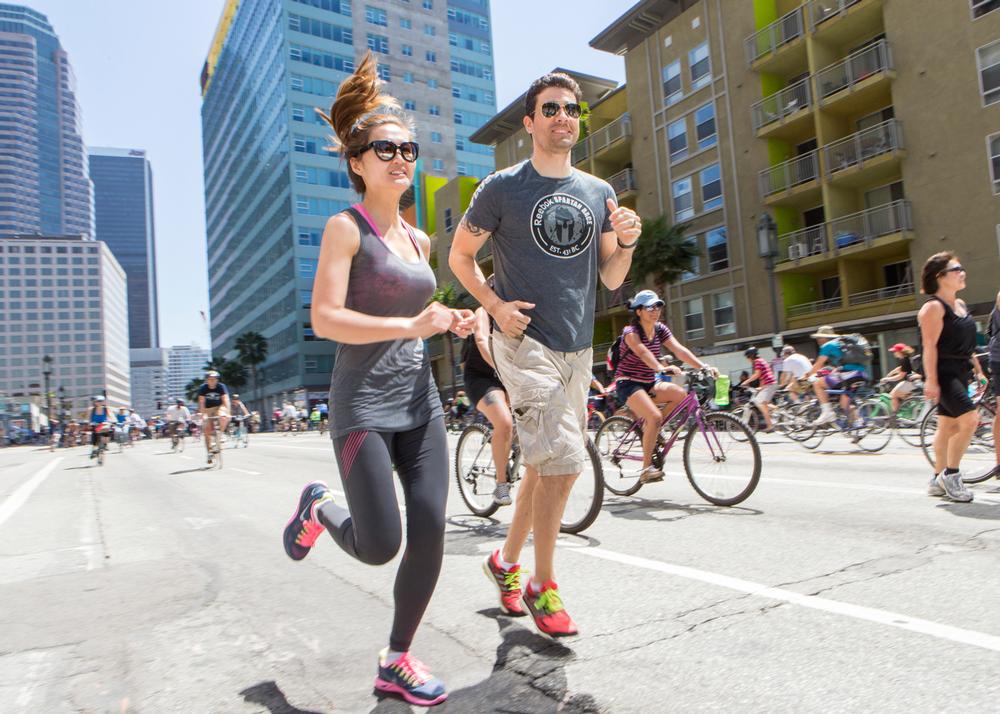
CicLAvia in LA was inspired by an initiative in Bogotá, Colombia, where streets are closed to cars on Sundays
Whenever I walk anywhere with my kids, it seems to take an age: they insist on swinging on bars, leapfrogging bollards and testing their balance by walking along walls. Now I realise that instead of telling them to hurry up, I should be joining in.
This instinct we all have when we are young – to turn our environments into playgrounds – quickly gets socialised out of us. It’s not helped by the fact that towns and cities have generally been planned with cars in mind, leading to car dependency and very low levels of physical activity among not just the UK population, but populations worldwide.
If we’re serious about engaging hard to reach groups, we need innovation and a change in mindset. Fitness operators need to think beyond the four walls of the club: taking activities to the public rather than waiting for the public to come to them; encouraging people to travel to the club in an active way; and taking the initiative in talking to community groups, local authorities and other relevant parties to drive change and help remove barriers to activity.
Some health and fitness providers – such as Parkour Generations and StreetGym – are already adopting this approach, teaching people to find exercise opportunities in their environment. If the wider health and fitness industry got on board with this thinking, taking to the streets to inspire people to run and jump in their everyday lives, this could have a considerable impact on the health of the nation.
And it’s not just parkour and StreetGym: a growing number of initiatives are aimed at inspiring people to approach the streets with a sense of fun – getting people moving almost without them realising. So how can the fitness industry embrace this trend and encourage people to be more active on the streets? We ask the experts…
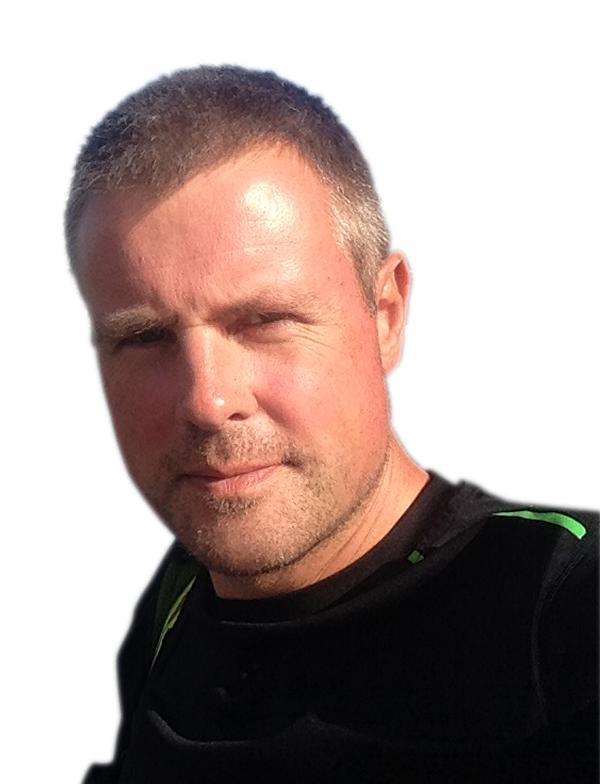
Dan EdwardesFounder and directorParkour Generations
Dan Edwardes
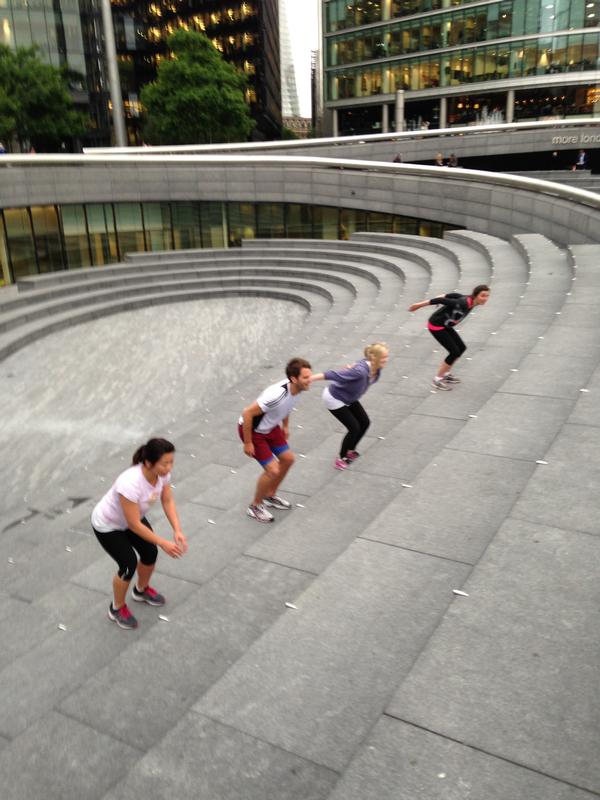
Trying to get people to utilise spaces is at the heart of what parkour does. We’d like to see the health and fitness industry promote and encourage people to use the spaces they live in and break down the segmentation of only using spaces for certain purposes.
Parkour is a joyful extension of what we all do naturally – move! And it uses infrastructure already in place on the streets. We run both indoor and outdoor sessions and find that, once people pick up the basic concepts and the training paradigms, they naturally start to train outside because it’s fun: it’s play with a bit more focus, direction and progression.
Health clubs could run more programmes to encourage people to get out and use their local environment. The club could be the meeting point and the place people return to collect bags and use showers, but the classes themselves could take place outside.
Outdoor sessions are a great way of getting all the family involved. That means children are moving more, but it also removes the issue of childcare which can prevent adults from exercising.
Sport England is at the point of recognising parkour as an official sport due to our work over the last decade in the UK, which we anticipate will encourage a huge rise in take-up. Participation is already growing very quickly: there are currently estimated to be around 40,000 people taking part in parkour in the UK.
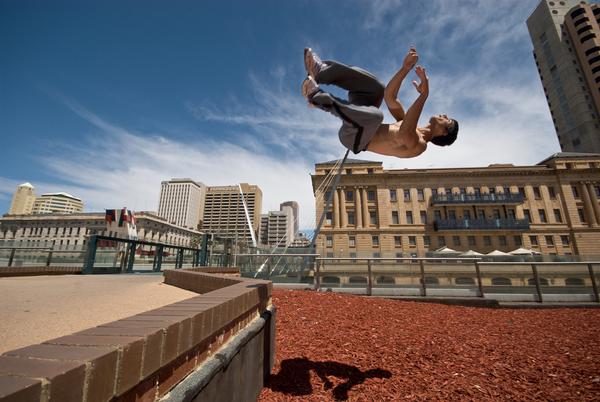
Parkour is like play, but with a bit more focus
John AllisonStreetGymFounder
John Allison
Street-based exercise, such as StreetGym, is a growing trend. It’s a convenient way to exercise and is time-efficient, cutting out travel time: people can step out of the office and they’re automatically in the ‘gym’.
These workouts have a unisex appeal, give an endorphin rush and are empowering, as people learn skills they can use everywhere.
I encourage people to take a 3D view of the streets – to look at what they can use from the ground up, to really explore the city, all its hidden alleyways and iconic street furniture. It’s about making an urban trim trail. In London, for example, we do interval training on the various ramps and gradients along the Thames.
Fitness operators should be holding more outdoor classes: people like being out in the fresh air if they’ve been in an office all day. For those who need inspiration, I’ll be running one-and-a-half-day StreetGym instructor training courses, which will earn SkillsActive CPD points and allow operators to conduct StreetGym training in a safe and effective manner, as it can be dangerous.
Operators could appeal to planners to think about exercise when designing spaces. I’ve spoken to Garden Bridge designers about putting patterns on the ground for co-ordination training, and incorporating multi-functional street furniture for bodyweight exercises. So often, new spaces aren’t functional – but with a few modifications, such as using non-slip surfaces, they could be.
With the right controls, street exercise can be both fun and safe
Cllr Jane EdbrookeCabinet member for neighbourhoodsLambeth Council
At Lambeth Council, we acknowledge that sport doesn’t just take place in leisure centres, and we’re endeavouring to support the informal gym activity taking place outside. We’ve just agreed a £9m capital investment programme for our parks and open spaces, which will include the provision of new equipment. We know outdoor gym equipment is popular because, when it’s starting to reach the end of its lifespan, we’re hearing from user groups that they want it refreshed.
Fitness operators, and especially PTs, are now using our parks and open spaces on a more regular basis, but we’ve noticed that this is focused on the high end rather than reaching the groups we’d like to target. We’d like to see operators begin to run affordable classes and activities on the streets and in parks, including sessions such as walking groups. Going forward, we expect to see more of this type of activity as outreach from our own leisure centres.
Lambeth Council is also looking at other ways in which we can support people being active in the streets, such as 20mph speed limits for safer cycling, free ‘return to cycling’ lessons, and a Street Play initiative which closes the streets periodically so children can play safely.
Holly Gramazio Independent game designer
Holly Gramazio
People like playing, running and jumping around, and experimenting with different ideas. In the 19th century, people regularly played parlour games that involved crawling around and being active, but then we lost the knack and bought into the idea that games are only for kids.
Recently we’ve started to shift from this idea though, which offers an opportunity: if you can get people to play, they don’t realise they’re being active.
By the time people get to high school, they’ve decided whether or not they are sporty. By framing exercise as a game, you’re more likely to capture people put off by sport.
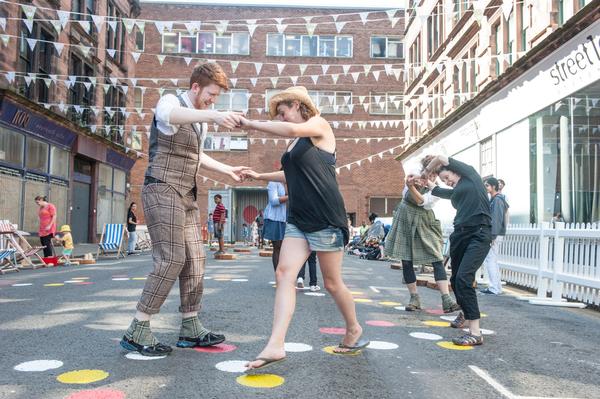
I think there’s an opportunity here for the fitness industry to go into neighbourhoods to run games and events, and to highlight physical play opportunities. Games work best when they’re frivolous, social, inclusive and experimental. Providing silly props means no-one will be particularly good at it, so no-one will feel particularly bad either – which in turn helps stop people feeling so self-conscious.
If you point out opportunities for play, such as walking along a wall, then you can help to change the way people think about the places they go to all the time. Help them to see the world as a potential playground.
There’s an opportunity for fitness operators to go out into their neighbourhoods to run inclusive games and events
ORGANISING A ROAD CLOSURE If roads are filled with cars, many people will naturally be put off walking or cycling… but Bogotá, the capital city of Colombia, came up with a great idea that provides inspiration to anyone wanting to give the streets back to people to be active.
“CicLAvia first started in Los Angeles, US, in 2010. It was inspired by the tradition in the city of Bogotá, Colombia, of closing the streets on Sundays to allow walkers and cyclists to use the area safely. Over the past 40 years, this idea has spread through South America,” says Robert Gard, director of communications and marketing at CicLAvia.
“CicLAvia is growing each year. This year we’re holding four events. Routes span a six- to 10-mile radius where the roads are closed, allowing people to come out on skateboards, bikes and on foot. As well as encouraging people to be active, it’s very sociable.
“Initially it was hard to get people to understand the benefit of leaving their cars at home, but now it’s taken off in a tremendous way. Depending on the route, between 50,000 and 100,000 people participate.
“It has encouraged people to explore where they live: lots of people say they had no idea they could walk to a subway station from their house, or that it was so easy to cycle to a store. Long-term, we’re hoping people will stop using their cars as much.”
Could your club help organise something like this in your local area?
Tom Doust FounderPop Up Parks
Tom Doust
Our project, which has been going for just over a year, came out of an innovation programme looking at the health and wellbeing of under fives. With one-fifth of children starting school already overweight, we’re looking for early interventions to change behaviours.
We noticed that children living in urban areas get very little exposure to the outdoors, while the parents of young children in deprived areas often feel isolated and suffer from toxic stress. The journeys they make tend to be from home to a transport hub, to go to pre-school or nursery or to a shop. We wanted to see if we could create interactions on those journeys, providing a sense of play and of community.
Pop Up Parks are small, colourful, imaginative spaces: we adapt benches with ramps either side to create a play space, create obstacle courses and use street tiles and chalk to gamify the street.
The fitness industry is very contained, but operators could come out into the community and share what they do with demos, activities and temporary installations, ideally providing the opportunity for families to exercise. We’ve had to take parks to people, and fitness providers need to do the same: tap in to where people work and live and show them what they could achieve in their daily routine.
The Pop Up Parks concept was designed to create playful, social interactions on people’s everyday journeys
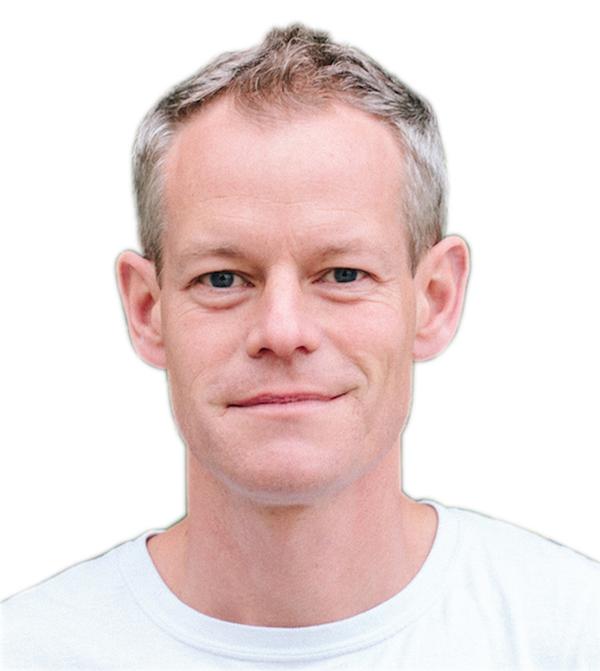
Lucy SaundersPublic health specialistTfL and Greater London Authority
Lucy Saunders
Walking, running and cycling are the easiest activities for people to incorporate into their everyday routine, especially in towns and cities as they can combine exercise with getting around, so supporting these activities is a good place to start.
Fitness operators could look at how both staff and members get to their facility: could the club help people travel to the club in an active way, for example, by adding bike lockers to the car park?
Lots of people are put off cycling because it doesn’t feel safe: if the speed limit can be changed, or a cycle lane could be added, they’re more likely to do it. Start a campaign to lobby for this if you need to.
People are more inclined to spend time in an interesting and well looked after environment, so open conversations with the local authority about how the streets look and feel. What could be done to make them more appealing? Maybe health club members could even help with this, such as getting involved with tree planting or landscaping schemes.
Active Blackpool is deploying Cornerstone Connect, a new digital interface allowing
disparate information from multiple systems to be aggregated into one dataset, to support
its focus on reducing health inequalities and improving healthy life expectancy. [more...]
Panatta brought together four of the most influential figures in bodybuilding history on the
stage of RiminiWellness 2026: Phil Heath, Lee Haney, Ronnie Coleman and Hany Rambod. [more...]
+ More featured suppliers
COMPANY PROFILES
Precor
Precor promises precision-quality products with steadfast reliability that are inspired by exerciser [more...]
The streets offer a great opportunity to encourage incidental exercise. What more could the health and fitness industry do to get people active when moving from A to B? Kath Hudson reports
By Kath Hudson | Published in Health Club Management 2015 issue 3
CicLAvia in LA was inspired by an initiative in Bogotá, Colombia, where streets are closed to cars on Sundays
Whenever I walk anywhere with my kids, it seems to take an age: they insist on swinging on bars, leapfrogging bollards and testing their balance by walking along walls. Now I realise that instead of telling them to hurry up, I should be joining in.
This instinct we all have when we are young – to turn our environments into playgrounds – quickly gets socialised out of us. It’s not helped by the fact that towns and cities have generally been planned with cars in mind, leading to car dependency and very low levels of physical activity among not just the UK population, but populations worldwide.
If we’re serious about engaging hard to reach groups, we need innovation and a change in mindset. Fitness operators need to think beyond the four walls of the club: taking activities to the public rather than waiting for the public to come to them; encouraging people to travel to the club in an active way; and taking the initiative in talking to community groups, local authorities and other relevant parties to drive change and help remove barriers to activity.
Some health and fitness providers – such as Parkour Generations and StreetGym – are already adopting this approach, teaching people to find exercise opportunities in their environment. If the wider health and fitness industry got on board with this thinking, taking to the streets to inspire people to run and jump in their everyday lives, this could have a considerable impact on the health of the nation.
And it’s not just parkour and StreetGym: a growing number of initiatives are aimed at inspiring people to approach the streets with a sense of fun – getting people moving almost without them realising. So how can the fitness industry embrace this trend and encourage people to be more active on the streets? We ask the experts…
Dan EdwardesFounder and directorParkour Generations
Dan Edwardes
Trying to get people to utilise spaces is at the heart of what parkour does. We’d like to see the health and fitness industry promote and encourage people to use the spaces they live in and break down the segmentation of only using spaces for certain purposes.
Parkour is a joyful extension of what we all do naturally – move! And it uses infrastructure already in place on the streets. We run both indoor and outdoor sessions and find that, once people pick up the basic concepts and the training paradigms, they naturally start to train outside because it’s fun: it’s play with a bit more focus, direction and progression.
Health clubs could run more programmes to encourage people to get out and use their local environment. The club could be the meeting point and the place people return to collect bags and use showers, but the classes themselves could take place outside.
Outdoor sessions are a great way of getting all the family involved. That means children are moving more, but it also removes the issue of childcare which can prevent adults from exercising.
Sport England is at the point of recognising parkour as an official sport due to our work over the last decade in the UK, which we anticipate will encourage a huge rise in take-up. Participation is already growing very quickly: there are currently estimated to be around 40,000 people taking part in parkour in the UK.
Parkour is like play, but with a bit more focus
John AllisonStreetGymFounder
John Allison
Street-based exercise, such as StreetGym, is a growing trend. It’s a convenient way to exercise and is time-efficient, cutting out travel time: people can step out of the office and they’re automatically in the ‘gym’.
These workouts have a unisex appeal, give an endorphin rush and are empowering, as people learn skills they can use everywhere.
I encourage people to take a 3D view of the streets – to look at what they can use from the ground up, to really explore the city, all its hidden alleyways and iconic street furniture. It’s about making an urban trim trail. In London, for example, we do interval training on the various ramps and gradients along the Thames.
Fitness operators should be holding more outdoor classes: people like being out in the fresh air if they’ve been in an office all day. For those who need inspiration, I’ll be running one-and-a-half-day StreetGym instructor training courses, which will earn SkillsActive CPD points and allow operators to conduct StreetGym training in a safe and effective manner, as it can be dangerous.
Operators could appeal to planners to think about exercise when designing spaces. I’ve spoken to Garden Bridge designers about putting patterns on the ground for co-ordination training, and incorporating multi-functional street furniture for bodyweight exercises. So often, new spaces aren’t functional – but with a few modifications, such as using non-slip surfaces, they could be.
With the right controls, street exercise can be both fun and safe
Cllr Jane EdbrookeCabinet member for neighbourhoodsLambeth Council
At Lambeth Council, we acknowledge that sport doesn’t just take place in leisure centres, and we’re endeavouring to support the informal gym activity taking place outside. We’ve just agreed a £9m capital investment programme for our parks and open spaces, which will include the provision of new equipment. We know outdoor gym equipment is popular because, when it’s starting to reach the end of its lifespan, we’re hearing from user groups that they want it refreshed.
Fitness operators, and especially PTs, are now using our parks and open spaces on a more regular basis, but we’ve noticed that this is focused on the high end rather than reaching the groups we’d like to target. We’d like to see operators begin to run affordable classes and activities on the streets and in parks, including sessions such as walking groups. Going forward, we expect to see more of this type of activity as outreach from our own leisure centres.
Lambeth Council is also looking at other ways in which we can support people being active in the streets, such as 20mph speed limits for safer cycling, free ‘return to cycling’ lessons, and a Street Play initiative which closes the streets periodically so children can play safely.
Holly Gramazio Independent game designer
Holly Gramazio
People like playing, running and jumping around, and experimenting with different ideas. In the 19th century, people regularly played parlour games that involved crawling around and being active, but then we lost the knack and bought into the idea that games are only for kids.
Recently we’ve started to shift from this idea though, which offers an opportunity: if you can get people to play, they don’t realise they’re being active.
By the time people get to high school, they’ve decided whether or not they are sporty. By framing exercise as a game, you’re more likely to capture people put off by sport.
I think there’s an opportunity here for the fitness industry to go into neighbourhoods to run games and events, and to highlight physical play opportunities. Games work best when they’re frivolous, social, inclusive and experimental. Providing silly props means no-one will be particularly good at it, so no-one will feel particularly bad either – which in turn helps stop people feeling so self-conscious.
If you point out opportunities for play, such as walking along a wall, then you can help to change the way people think about the places they go to all the time. Help them to see the world as a potential playground.
There’s an opportunity for fitness operators to go out into their neighbourhoods to run inclusive games and events
ORGANISING A ROAD CLOSURE If roads are filled with cars, many people will naturally be put off walking or cycling… but Bogotá, the capital city of Colombia, came up with a great idea that provides inspiration to anyone wanting to give the streets back to people to be active.
“CicLAvia first started in Los Angeles, US, in 2010. It was inspired by the tradition in the city of Bogotá, Colombia, of closing the streets on Sundays to allow walkers and cyclists to use the area safely. Over the past 40 years, this idea has spread through South America,” says Robert Gard, director of communications and marketing at CicLAvia.
“CicLAvia is growing each year. This year we’re holding four events. Routes span a six- to 10-mile radius where the roads are closed, allowing people to come out on skateboards, bikes and on foot. As well as encouraging people to be active, it’s very sociable.
“Initially it was hard to get people to understand the benefit of leaving their cars at home, but now it’s taken off in a tremendous way. Depending on the route, between 50,000 and 100,000 people participate.
“It has encouraged people to explore where they live: lots of people say they had no idea they could walk to a subway station from their house, or that it was so easy to cycle to a store. Long-term, we’re hoping people will stop using their cars as much.”
Could your club help organise something like this in your local area?
Tom Doust FounderPop Up Parks
Tom Doust
Our project, which has been going for just over a year, came out of an innovation programme looking at the health and wellbeing of under fives. With one-fifth of children starting school already overweight, we’re looking for early interventions to change behaviours.
We noticed that children living in urban areas get very little exposure to the outdoors, while the parents of young children in deprived areas often feel isolated and suffer from toxic stress. The journeys they make tend to be from home to a transport hub, to go to pre-school or nursery or to a shop. We wanted to see if we could create interactions on those journeys, providing a sense of play and of community.
Pop Up Parks are small, colourful, imaginative spaces: we adapt benches with ramps either side to create a play space, create obstacle courses and use street tiles and chalk to gamify the street.
The fitness industry is very contained, but operators could come out into the community and share what they do with demos, activities and temporary installations, ideally providing the opportunity for families to exercise. We’ve had to take parks to people, and fitness providers need to do the same: tap in to where people work and live and show them what they could achieve in their daily routine.
The Pop Up Parks concept was designed to create playful, social interactions on people’s everyday journeys
Lucy SaundersPublic health specialistTfL and Greater London Authority
Lucy Saunders
Walking, running and cycling are the easiest activities for people to incorporate into their everyday routine, especially in towns and cities as they can combine exercise with getting around, so supporting these activities is a good place to start.
Fitness operators could look at how both staff and members get to their facility: could the club help people travel to the club in an active way, for example, by adding bike lockers to the car park?
Lots of people are put off cycling because it doesn’t feel safe: if the speed limit can be changed, or a cycle lane could be added, they’re more likely to do it. Start a campaign to lobby for this if you need to.
People are more inclined to spend time in an interesting and well looked after environment, so open conversations with the local authority about how the streets look and feel. What could be done to make them more appealing? Maybe health club members could even help with this, such as getting involved with tree planting or landscaping schemes.
The UK's four Chief Medical Officers have published a refreshed edition of Physical activity
guidelines: UK Chief Medical Officers' report, updating the evidence that underpins the nation's
physical activity recommendations and placing greater emphasis on strength, balance, reducing
sedentary behaviour and, for the first time, supporting people taking weight loss medications.
Places Leisure has exchanged contracts to build and operate a flagship £60m water and leisure
destination on behalf of Basingstoke and Deane Borough Council.
The Republic of Ireland will become the latest market in PureGym’s expanding international
portfolio, with the first launch planned for Dublin in 2027.
Anytime Fitness opened more than one club a day in 2025 and is on track to maintain this rate
of growth this year, as parent company Purpose Brands targets further international expansion.
The £33.9 million Leighton Leisure and Community Centre has opened in Leighton Buzzard, UK,
creating a next-generation public leisure, health and wellbeing hub for the local community.
Walnuts Leisure Centre in Orpington, in the London Borough of Bromley, has reopened following
a £17m transformation designed to secure the long-term future of the public leisure asset and
reposition it as a community wellbeing hub.
The Gym Group, has announced that it's sustained positive trading momentum has continued
through the first half of 2026 and the company remains confident about the outlook.
Luxury boutique Pilates and wellness studio, X-Club, officially launches a
4,000sq ft flagship at
Marylebone on 16 July Built around X-Club’s four pillars of wellness – mind,
movement,
nutrition and therapy – the facility features two group exercise studi
Active Blackpool is deploying Cornerstone Connect, a new digital interface allowing
disparate information from multiple systems to be aggregated into one dataset, to support
its focus on reducing health inequalities and improving healthy life expectancy. [more...]
Panatta brought together four of the most influential figures in bodybuilding history on the
stage of RiminiWellness 2026: Phil Heath, Lee Haney, Ronnie Coleman and Hany Rambod. [more...]
+ More featured suppliers
COMPANY PROFILES
Precor Precor promises precision-quality products with steadfast reliability that are inspired by exerciser [more...]