School PE is failing to inspire people to future participation
Dean HorridgeFounder and CEOFit for Sport
I was reading the news on the HCM website recently and was not surprised to read about a survey in which half of people said their school PE experience didn’t help them become more physically active. Those questioned are presumably adults, which proves that problems with school PE have persisted for decades.
Twenty years ago, I was a frustrated PE teacher appalled at the high levels of disengagement at school and, worse, the complete lack of physical activity during school holidays. I set up Fit For Sport, focusing on out of school activities – but it quickly evolved to meet the rising demand from schools needing help.
Our Lottery-funded Engage To Compete programme addresses many of the issues raised in the HCM news story. The scheme is carefully named: we must engage kids before they start to compete. But of course not all kids will compete for their school, so our programme also ensures ongoing non-competitive activity to keep all the kids active. Engaging primary school children means they’re starting on an active journey for life,.
Ofsted is absolutely right that teachers don’t have sufficient knowledge, which is why we work with teachers and support staff as much as the kids. Schools and teachers are hard-pushed to get more PE timetabled, so we tap into playground ‘downtime’ and train up non-teaching staff to maximise these resources.
If programmes such as this can be rolled out across the UK, I truly believe today’s kids will enjoy a much more positive physical activity experience at school and will grow up with a healthier attitude to activity than their parents.
Tapping into playground ‘downtime’ could help boost activity in schools
Training is key to excellent leadership
Jenny PatricksonCommercial directorActive IQ
It was interesting to read your recent management feature (see HCM Jan 15, p88) which asked industry experts what makes a great leader. This raised key points including the need for organisations to change in order to thrive, and the importance of this starting with the leader.
The fitness industry continues to expand, with an estimated 400,000 new leaders needed yearly to satisfy the growth. These roles are often filled by promotions from within, with no leadership training, ignoring that leadership qualities are different from management qualities. Without the right training, you can’t assume a great manager will be able to transfer their skills to become an equally strong leader.
Studies show that investment in leadership development improves bottom-line financial performance of a business, attracts and retains talent, and drives a performance culture. Active IQ has therefore launched a new range of active leisure qualifications designed to bridge the skills gap and resolve the shortage of leadership training.
Picture: www.istock.com/bojan tezak
Leadership qualities differ from management skills
We need to spread the word that we’re professionals
Paul SwainsonHead of the School of PTFuture Fit Training
I read with interest the news story on the HCM website in January, about Matt Roberts leading the new year fitness charge. I wanted to offer my thoughts.
I think it’s important that high-profile figures like Matt are pushing the health and fitness agenda, and agree that the media focus on quick fixes is not conducive to a long-term solution. But of course this is because the ‘slow and steady’ approach doesn’t make for attention-grabbing headlines.
To really make a difference and engage with the public, fitness trainers and coaches need to convey the message that fitness professionals are just that – professional. Personal training is no longer about teaching someone how to do a press-up, a squat or even an entire workout. It’s about coaching people through changes to their entire lifestyle (nutrition, exercise, sleep, stress) to improve their health, fitness and wellbeing. Knowledge and skills in behaviour change are fundamental, in addition to the conventional ‘training and diet programme’ approach.
We’re working with clients on a higher level than ever before and that takes a considerable amount of education and development on the part of the trainer. If we can get the public to appreciate the level of expertise that they can access, and the significant impact it could have on their life, we will see a huge breakthrough. It will require collaboration across multiple agencies but the message is already filtering through and I would urge the media to support it.
Of course, this must all be backed up. We have to work hard to raise and maintain the standards of fitness professionals to ensure they’re prepared for the ever-growing responsibility they carry; progress is in full swing here too. The future of fitness looks bright.
Picture: www.shutterstock.com/ wavebreakmedia
PT is now about coaching people through changes to their whole lifestyle
Operators must embrace wearable technology
Leon HousemanMarketing managerGladstone
I read with interest your interview with Maneesh Juneja, the digital health visionary (see HCM Feb 15, p66). He paints an interesting picture of how technology, and specifically wearable technology, could impact our public health system.
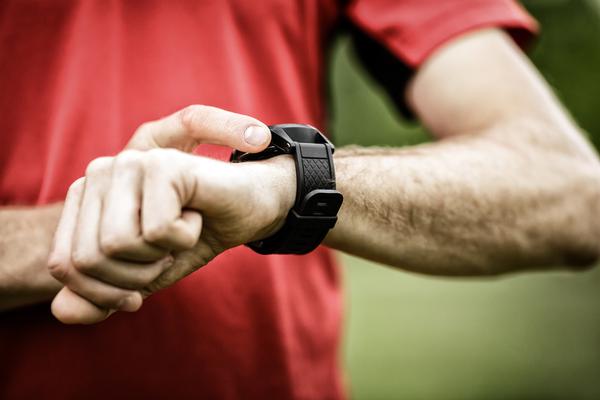
We already know from a YouGov survey in 2014 that penetration of wearable tech is forecast to more than double this year, with wearable devices for fitness seen as the most important area. And with 3 per cent of the global population currently owning a fitness tracker – which will no doubt rise dramatically later this year when the Apple Watch becomes available to consumers – the trend is showing no sign of slowing.
It’s vital for operators to engage fully with this technology and embrace wearables: they will be much better placed to deliver true value to their customers if they can draw on fitness data from outside and inside their facilities. Combined with in-house systems, wearables can provide a wealth of information, allowing operators to build an accurate profile of a member’s activity which can be used to target them more effectively and keep them engaged.
If operators embrace this digital revolution rather than fighting it, it need not be a threat to their business, but rather a way to engage customers further.
Picture: www.shutterstock.com/Blazej Lyjak
Technology can help improve club/member engagement
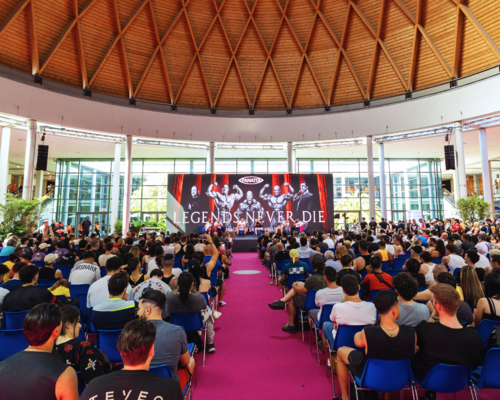
Panatta brought together four of the most influential figures in bodybuilding history on the
stage of RiminiWellness 2026: Phil Heath, Lee Haney, Ronnie Coleman and Hany Rambod. [more...]
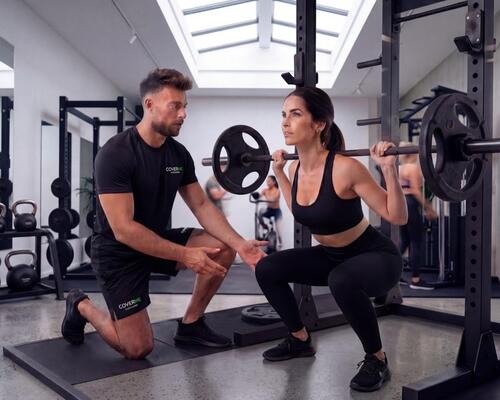
CoverMe, the global leader in fitness workforce management, today launches CoverMe PT, an
on-demand personal training platform that connects the right personal trainer to the right
client in under 10 seconds. [more...]
+ More featured suppliers
COMPANY PROFILES
Alliance Leisure
Alliance Leisure Services was specifically
established to respond to the changing
development need [more...]
IndigoFitness
At IndigoFitness, we create intelligent training spaces that elevate fitness facilities across indus [more...]
School PE is failing to inspire people to future participation
Dean HorridgeFounder and CEOFit for Sport
I was reading the news on the HCM website recently and was not surprised to read about a survey in which half of people said their school PE experience didn’t help them become more physically active. Those questioned are presumably adults, which proves that problems with school PE have persisted for decades.
Twenty years ago, I was a frustrated PE teacher appalled at the high levels of disengagement at school and, worse, the complete lack of physical activity during school holidays. I set up Fit For Sport, focusing on out of school activities – but it quickly evolved to meet the rising demand from schools needing help.
Our Lottery-funded Engage To Compete programme addresses many of the issues raised in the HCM news story. The scheme is carefully named: we must engage kids before they start to compete. But of course not all kids will compete for their school, so our programme also ensures ongoing non-competitive activity to keep all the kids active. Engaging primary school children means they’re starting on an active journey for life,.
Ofsted is absolutely right that teachers don’t have sufficient knowledge, which is why we work with teachers and support staff as much as the kids. Schools and teachers are hard-pushed to get more PE timetabled, so we tap into playground ‘downtime’ and train up non-teaching staff to maximise these resources.
If programmes such as this can be rolled out across the UK, I truly believe today’s kids will enjoy a much more positive physical activity experience at school and will grow up with a healthier attitude to activity than their parents.
Tapping into playground ‘downtime’ could help boost activity in schools
Training is key to excellent leadership
Jenny PatricksonCommercial directorActive IQ
It was interesting to read your recent management feature (see HCM Jan 15, p88) which asked industry experts what makes a great leader. This raised key points including the need for organisations to change in order to thrive, and the importance of this starting with the leader.
The fitness industry continues to expand, with an estimated 400,000 new leaders needed yearly to satisfy the growth. These roles are often filled by promotions from within, with no leadership training, ignoring that leadership qualities are different from management qualities. Without the right training, you can’t assume a great manager will be able to transfer their skills to become an equally strong leader.
Studies show that investment in leadership development improves bottom-line financial performance of a business, attracts and retains talent, and drives a performance culture. Active IQ has therefore launched a new range of active leisure qualifications designed to bridge the skills gap and resolve the shortage of leadership training.
Picture: www.istock.com/bojan tezak
Leadership qualities differ from management skills
We need to spread the word that we’re professionals
Paul SwainsonHead of the School of PTFuture Fit Training
I read with interest the news story on the HCM website in January, about Matt Roberts leading the new year fitness charge. I wanted to offer my thoughts.
I think it’s important that high-profile figures like Matt are pushing the health and fitness agenda, and agree that the media focus on quick fixes is not conducive to a long-term solution. But of course this is because the ‘slow and steady’ approach doesn’t make for attention-grabbing headlines.
To really make a difference and engage with the public, fitness trainers and coaches need to convey the message that fitness professionals are just that – professional. Personal training is no longer about teaching someone how to do a press-up, a squat or even an entire workout. It’s about coaching people through changes to their entire lifestyle (nutrition, exercise, sleep, stress) to improve their health, fitness and wellbeing. Knowledge and skills in behaviour change are fundamental, in addition to the conventional ‘training and diet programme’ approach.
We’re working with clients on a higher level than ever before and that takes a considerable amount of education and development on the part of the trainer. If we can get the public to appreciate the level of expertise that they can access, and the significant impact it could have on their life, we will see a huge breakthrough. It will require collaboration across multiple agencies but the message is already filtering through and I would urge the media to support it.
Of course, this must all be backed up. We have to work hard to raise and maintain the standards of fitness professionals to ensure they’re prepared for the ever-growing responsibility they carry; progress is in full swing here too. The future of fitness looks bright.
Picture: www.shutterstock.com/ wavebreakmedia
PT is now about coaching people through changes to their whole lifestyle
Operators must embrace wearable technology
Leon HousemanMarketing managerGladstone
I read with interest your interview with Maneesh Juneja, the digital health visionary (see HCM Feb 15, p66). He paints an interesting picture of how technology, and specifically wearable technology, could impact our public health system.
We already know from a YouGov survey in 2014 that penetration of wearable tech is forecast to more than double this year, with wearable devices for fitness seen as the most important area. And with 3 per cent of the global population currently owning a fitness tracker – which will no doubt rise dramatically later this year when the Apple Watch becomes available to consumers – the trend is showing no sign of slowing.
It’s vital for operators to engage fully with this technology and embrace wearables: they will be much better placed to deliver true value to their customers if they can draw on fitness data from outside and inside their facilities. Combined with in-house systems, wearables can provide a wealth of information, allowing operators to build an accurate profile of a member’s activity which can be used to target them more effectively and keep them engaged.
If operators embrace this digital revolution rather than fighting it, it need not be a threat to their business, but rather a way to engage customers further.
Picture: www.shutterstock.com/Blazej Lyjak
Technology can help improve club/member engagement
The UK's four Chief Medical Officers have published a refreshed edition of Physical activity
guidelines: UK Chief Medical Officers' report, updating the evidence that underpins the nation's
physical activity recommendations and placing greater emphasis on strength, balance, reducing
sedentary behaviour and, for the first time, supporting people taking weight loss medications.
Places Leisure has exchanged contracts to build and operate a flagship £60m water and leisure
destination on behalf of Basingstoke and Deane Borough Council.
The Republic of Ireland will become the latest market in PureGym’s expanding international
portfolio, with the first launch planned for Dublin in 2027.
Anytime Fitness opened more than one club a day in 2025 and is on track to maintain this rate
of growth this year, as parent company Purpose Brands targets further international expansion.
The £33.9 million Leighton Leisure and Community Centre has opened in Leighton Buzzard, UK,
creating a next-generation public leisure, health and wellbeing hub for the local community.
Walnuts Leisure Centre in Orpington, in the London Borough of Bromley, has reopened following
a £17m transformation designed to secure the long-term future of the public leisure asset and
reposition it as a community wellbeing hub.
The Gym Group, has announced that it's sustained positive trading momentum has continued
through the first half of 2026 and the company remains confident about the outlook.
Luxury boutique Pilates and wellness studio, X-Club, officially launches a
4,000sq ft flagship at
Marylebone on 16 July Built around X-Club’s four pillars of wellness – mind,
movement,
nutrition and therapy – the facility features two group exercise studi
Panatta brought together four of the most influential figures in bodybuilding history on the
stage of RiminiWellness 2026: Phil Heath, Lee Haney, Ronnie Coleman and Hany Rambod. [more...]
CoverMe, the global leader in fitness workforce management, today launches CoverMe PT, an
on-demand personal training platform that connects the right personal trainer to the right
client in under 10 seconds. [more...]
+ More featured suppliers
COMPANY PROFILES
Alliance Leisure Alliance Leisure Services was specifically
established to respond to the changing
development need [more...]