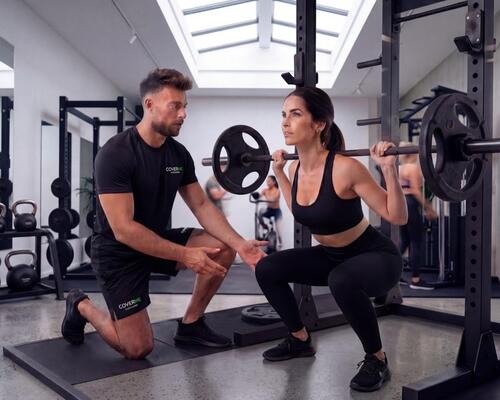
It’s important to coach members, not just lead a class
“Why not try some gentle exercise, like yoga or tai chi?” Happily, this is a conversation that’s starting to occur more frequently between doctors and patients in GP practices throughout the UK. This is perhaps unsurprising given the wealth of scientific research regularly published in highly regarded journals by eminent scientists – research that demonstrates the numerous benefits of mind-body classes, from reducing high blood pressure to managing diabetes and heart disease.
But is this research being translated by fitness industry training providers for use by instructors in a class format? Is it possible to move from the theoretical to the practical realm, and is it appropriate to do so?
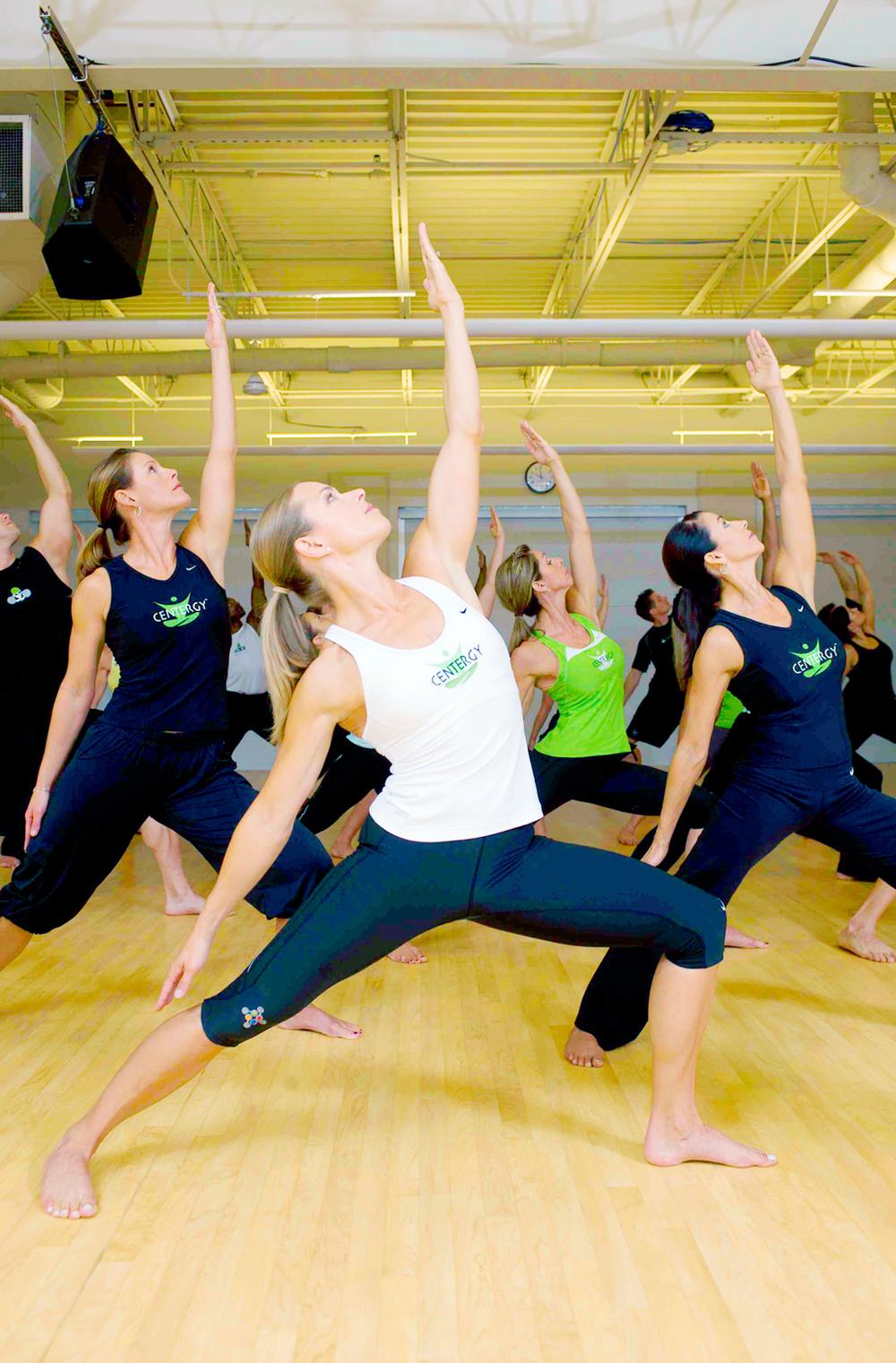
Cathy Spencer-Browning, vice president of programming and training at group exercise specialist MOSSA, clearly believes so: MOSSA has produced member marketing campaigns for clubs that feature research findings from the Mayo Clinic. In addition, she explains: “It’s vitally important that clubs and instructors communicate the benefits of mind-body classes. Often instructors are delivering the exercises and movements, but not coaching the benefits. In our system, in addition to coaching execution, we focus on coaching the ‘why’ so the participant understands the far-reaching benefits of the movements.”
But what exactly is the ‘why’ for the various disciplines, and do these influence the way a class is delivered? We take a look at just a few of the many pieces of research into mind-body techniques, and ask if and how these might be applied in a class setting.
TAI CHI
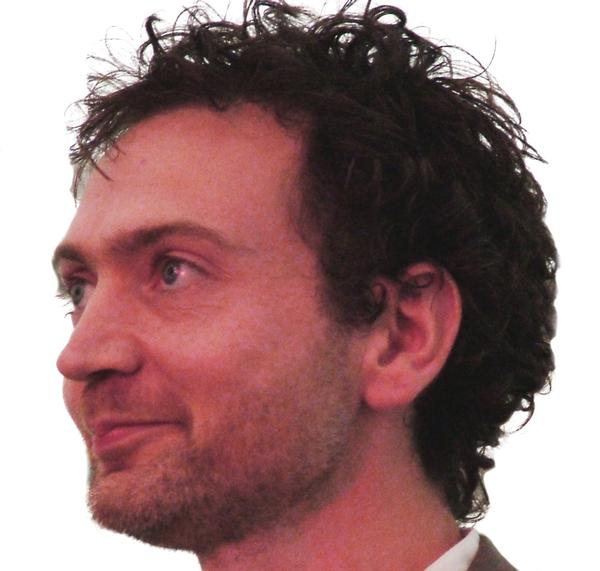
Matthew Rochford Director, Tai Chi Nation
Research In a review of 26 published studies examining the effectiveness of tai chi for high blood pressure, 85 per cent showed a reduction in blood pressure. Yeh GY, Wang C, Wayne PM, et al. The effect of tai chi exercise on blood pressure: a systematic review. Prev Cardiol. 2008; 11:82-89.
Comment Matthew Rochford Director, Tai Chi Nation
“During our instructor training courses, the project our students undertake specifically asks them to look at research, quoting sources. Over the years I’ve also been party to other forms of research first-hand. For example, one of my students was a nursing student. She measured the participants’ blood pressure before and after the class and demonstrated that practising tai chi reduced blood pressure. To a large extent this qualified what we already knew from our own experience and anecdotal evidence, from individuals who came to our classes.
“However, it’s also crucial not to get carried away by research and make claims that might give class participants false expectations.
“In 16 years of teaching tai chi, I’ve found that the participant’s experience – rather than their age or any research into specific conditions they might have – has more of an impact on the way I teach them. Tai chi has an ‘internal’ approach – over time, students begin to understand tai chi from the inside out.
“The issue is how you teach a beginner and how they develop at their own pace, and less about research. It’s important participants are informed about what’s being taught, but it isn’t the main thing.”
YOGA
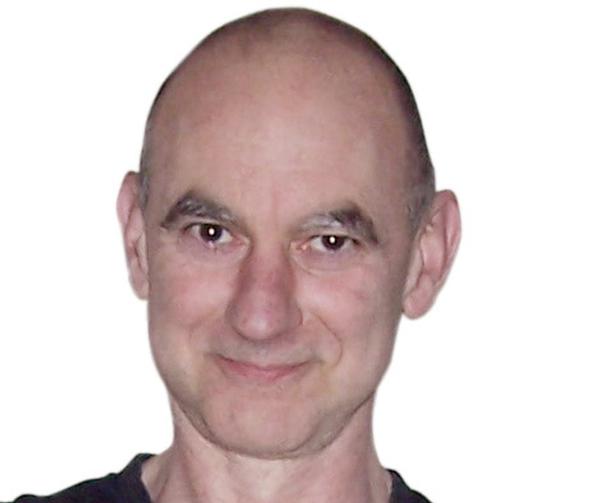
Richard Adamo Chair of the training committee, British Wheel of Yoga
Research A research report into the therapeutic effects of yoga for health and wellbeing, prepared at the School of Health and Related Research (ScHARR) at the University of Sheffield, UK, for the British Wheel of Yoga (2013).
The study showed yoga can help reduce risk factors for diabetes and cardiovascular disease in healthy people, as well as improving indicators among those already diagnosed with risk factors or actually suffering from these lifestyle conditions.
For example, among patients with cardiovascular disease, positive results included improvements in blood pressure, pulse rate, fitness, stress, flexibility and blood serum markers. Positive trends were also found for girth, quality of life and BMI. The studies of diabetes and cardiovascular disease often reported proxy outcomes relating to risk factors for disease, such as weight loss and lipid profiles. This is usual for studies into these conditions. Results across studies were mixed, but often displayed at least positive trends towards yoga.
Comment Richard Adamo Chair of the training committee, British Wheel of Yoga
“Our teacher training course at the British Wheel of Yoga is very thorough. As part of it, we go into common ailments people suffer from and cover how to adapt classes to suit them, in terms of enabling people to be included in a mixed ability class. Also, we provide specialist postgraduate modules that focus on specific areas of the population.
“Having said that, everyone is an individual, so one person’s experience of being ill is not going to be the same as someone else’s. It may be that in the future, as an organisation, we look to develop more postgraduate modules, but there’s also nothing to stop an individual with special conditions going to an ordinary class. This is one of the wonderful things about yoga – it’s a form of ‘controllable’ exercise, with a key focus on participants observing their own feelings during the class, so it’s ideal for a deconditioned user.
“In my experience, research is important but it’s also crucial, as a teacher, to be aware of the individuals in your class and encourage them to flourish, whatever their age or ability.”
PILATES
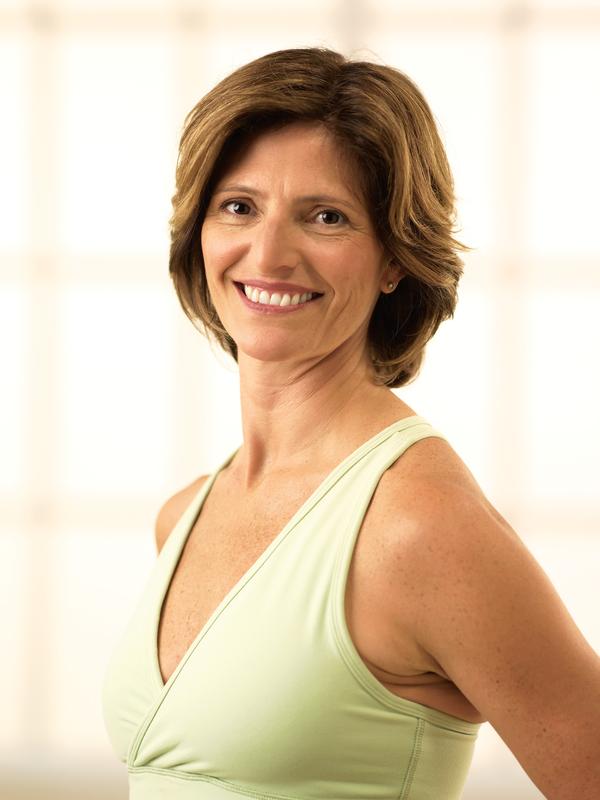
PJ O’Clair, Master instructor trainer
Research Schleip, R, Jager, H, Klingler, W (2012), ‘What is ‘fascia’? A review of different nomenclatures’, Journal of Bodywork & Movement Therapies 16, p 496-502.
The article includes the terminology from the International Fascia Research Congress (2012), defining fascia as a “soft tissue component of the connective tissue system that permeates the human body” and the “fibrous collagenous tissues that are part of a body-wide tensional force transmission system”.
Comment Chris Onslow, MD, Mbodies, Training Academy
“In pilates today, we regularly see instructors who have been taught simple ‘self release’ techniques using rollers or balls focusing first on fascial release before commencing with the focus of an exercise.
“This technique can prepare the body for exercise, including among special population groups. For example, a fascial focus is prevalent in training by The UK MS Society, which is working with mind-body instructor and MS sufferer Mariska Breland. For the MS sufferer, myofascial pain is very common and linked to spasticity in muscles. For this population, short duration releases are recommended pre-exercise, with long duration releases combined with stretching for post-exercise sessions.
“There is, however, the ever-present dilemma of ‘what is the role of the medical therapist and what is the role of the fitness instructor?’ There’s no question that, to maximise the benefits of fascial release for special populations, a practitioner will need to be medically trained or highly specialised as a non-medical therapist. However, fitness professionals are more than capable of understanding, learning and developing very effective sessions using surface level tissue release.”
Comment PJ O’Clair, Master instructor trainer, Merrithew Health & Fitness and owner of Northeast Pilates, US
“A fascially-inspired group exercise class might include instruction on alignment and posture, breathing exercises using balls and bands to explore the fascial recoil of the respiratory diaphragm, bouncy spring-like elastic jumps in varying directions, and SMR (self myofascial release) techniques with rollers or balls.
“My students love how they feel after the fascially-inspired segments. We ask them to reflect on how they feel after doing exercises on one side before moving on to the other, and they’re motivated by how much better they feel on the side they have worked.
“The protocols in training the fascial body are quite simple and do not require a lot of time, advanced skill or knowledge by the participant: anyone can do some level of fascial workout without risk of injury, and we should be able to reach new markets, especially the deconditioned and special populations. Physios and doctors, when educated about these new types of programmes, could send patients to fascially-inspired classes with confidence.
“But while there’s a lot of talk about training the fascia, education on how to do it properly is currently limited.”
Tai chi helps lower blood pressure
Studies suggest that yoga can help reduce risk factors for diabetes and cardiovascular disease in healthy people / Photo: shutterstock.com/suravid
Active Blackpool is deploying Cornerstone Connect, a new digital interface allowing
disparate information from multiple systems to be aggregated into one dataset, to support
its focus on reducing health inequalities and improving healthy life expectancy. [more...]
CoverMe, the global leader in fitness workforce management, today launches CoverMe PT, an
on-demand personal training platform that connects the right personal trainer to the right
client in under 10 seconds. [more...]
+ More featured suppliers
COMPANY PROFILES
ukactive
ukactive is the UK’s leading trade body for the physical activity sector, bringing together more tha [more...]
PSLT Ltd
PSLT Fitness Solutions manufacture, remanufacture and buy back commercial gym equipment. [more...]
It’s important to coach members, not just lead a class
“Why not try some gentle exercise, like yoga or tai chi?” Happily, this is a conversation that’s starting to occur more frequently between doctors and patients in GP practices throughout the UK. This is perhaps unsurprising given the wealth of scientific research regularly published in highly regarded journals by eminent scientists – research that demonstrates the numerous benefits of mind-body classes, from reducing high blood pressure to managing diabetes and heart disease.
But is this research being translated by fitness industry training providers for use by instructors in a class format? Is it possible to move from the theoretical to the practical realm, and is it appropriate to do so?
Cathy Spencer-Browning, vice president of programming and training at group exercise specialist MOSSA, clearly believes so: MOSSA has produced member marketing campaigns for clubs that feature research findings from the Mayo Clinic. In addition, she explains: “It’s vitally important that clubs and instructors communicate the benefits of mind-body classes. Often instructors are delivering the exercises and movements, but not coaching the benefits. In our system, in addition to coaching execution, we focus on coaching the ‘why’ so the participant understands the far-reaching benefits of the movements.”
But what exactly is the ‘why’ for the various disciplines, and do these influence the way a class is delivered? We take a look at just a few of the many pieces of research into mind-body techniques, and ask if and how these might be applied in a class setting.
TAI CHI
Matthew Rochford Director, Tai Chi Nation
Research In a review of 26 published studies examining the effectiveness of tai chi for high blood pressure, 85 per cent showed a reduction in blood pressure. Yeh GY, Wang C, Wayne PM, et al. The effect of tai chi exercise on blood pressure: a systematic review. Prev Cardiol. 2008; 11:82-89.
Comment Matthew Rochford Director, Tai Chi Nation
“During our instructor training courses, the project our students undertake specifically asks them to look at research, quoting sources. Over the years I’ve also been party to other forms of research first-hand. For example, one of my students was a nursing student. She measured the participants’ blood pressure before and after the class and demonstrated that practising tai chi reduced blood pressure. To a large extent this qualified what we already knew from our own experience and anecdotal evidence, from individuals who came to our classes.
“However, it’s also crucial not to get carried away by research and make claims that might give class participants false expectations.
“In 16 years of teaching tai chi, I’ve found that the participant’s experience – rather than their age or any research into specific conditions they might have – has more of an impact on the way I teach them. Tai chi has an ‘internal’ approach – over time, students begin to understand tai chi from the inside out.
“The issue is how you teach a beginner and how they develop at their own pace, and less about research. It’s important participants are informed about what’s being taught, but it isn’t the main thing.”
YOGA
Richard Adamo Chair of the training committee, British Wheel of Yoga
Research A research report into the therapeutic effects of yoga for health and wellbeing, prepared at the School of Health and Related Research (ScHARR) at the University of Sheffield, UK, for the British Wheel of Yoga (2013).
The study showed yoga can help reduce risk factors for diabetes and cardiovascular disease in healthy people, as well as improving indicators among those already diagnosed with risk factors or actually suffering from these lifestyle conditions.
For example, among patients with cardiovascular disease, positive results included improvements in blood pressure, pulse rate, fitness, stress, flexibility and blood serum markers. Positive trends were also found for girth, quality of life and BMI. The studies of diabetes and cardiovascular disease often reported proxy outcomes relating to risk factors for disease, such as weight loss and lipid profiles. This is usual for studies into these conditions. Results across studies were mixed, but often displayed at least positive trends towards yoga.
Comment Richard Adamo Chair of the training committee, British Wheel of Yoga
“Our teacher training course at the British Wheel of Yoga is very thorough. As part of it, we go into common ailments people suffer from and cover how to adapt classes to suit them, in terms of enabling people to be included in a mixed ability class. Also, we provide specialist postgraduate modules that focus on specific areas of the population.
“Having said that, everyone is an individual, so one person’s experience of being ill is not going to be the same as someone else’s. It may be that in the future, as an organisation, we look to develop more postgraduate modules, but there’s also nothing to stop an individual with special conditions going to an ordinary class. This is one of the wonderful things about yoga – it’s a form of ‘controllable’ exercise, with a key focus on participants observing their own feelings during the class, so it’s ideal for a deconditioned user.
“In my experience, research is important but it’s also crucial, as a teacher, to be aware of the individuals in your class and encourage them to flourish, whatever their age or ability.”
PILATES
PJ O’Clair, Master instructor trainer
Research Schleip, R, Jager, H, Klingler, W (2012), ‘What is ‘fascia’? A review of different nomenclatures’, Journal of Bodywork & Movement Therapies 16, p 496-502.
The article includes the terminology from the International Fascia Research Congress (2012), defining fascia as a “soft tissue component of the connective tissue system that permeates the human body” and the “fibrous collagenous tissues that are part of a body-wide tensional force transmission system”.
Comment Chris Onslow, MD, Mbodies, Training Academy
“In pilates today, we regularly see instructors who have been taught simple ‘self release’ techniques using rollers or balls focusing first on fascial release before commencing with the focus of an exercise.
“This technique can prepare the body for exercise, including among special population groups. For example, a fascial focus is prevalent in training by The UK MS Society, which is working with mind-body instructor and MS sufferer Mariska Breland. For the MS sufferer, myofascial pain is very common and linked to spasticity in muscles. For this population, short duration releases are recommended pre-exercise, with long duration releases combined with stretching for post-exercise sessions.
“There is, however, the ever-present dilemma of ‘what is the role of the medical therapist and what is the role of the fitness instructor?’ There’s no question that, to maximise the benefits of fascial release for special populations, a practitioner will need to be medically trained or highly specialised as a non-medical therapist. However, fitness professionals are more than capable of understanding, learning and developing very effective sessions using surface level tissue release.”
Comment PJ O’Clair, Master instructor trainer, Merrithew Health & Fitness and owner of Northeast Pilates, US
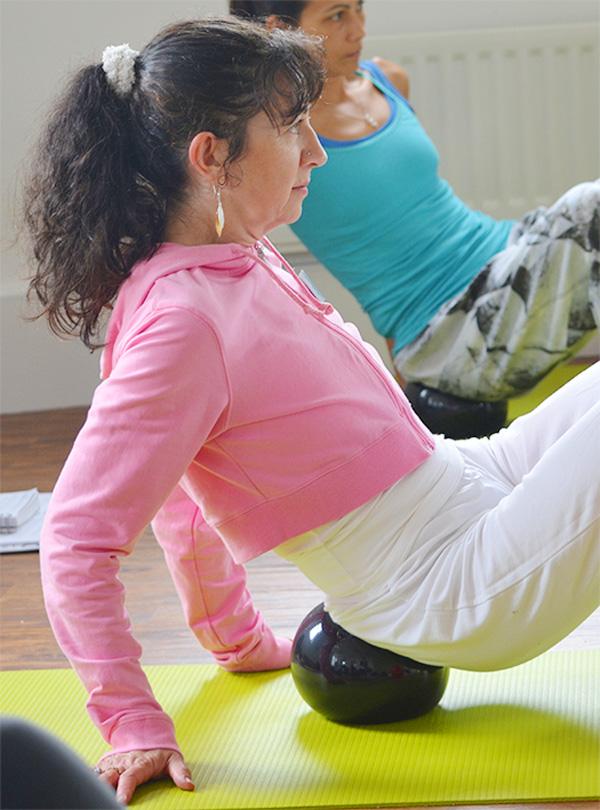
“A fascially-inspired group exercise class might include instruction on alignment and posture, breathing exercises using balls and bands to explore the fascial recoil of the respiratory diaphragm, bouncy spring-like elastic jumps in varying directions, and SMR (self myofascial release) techniques with rollers or balls.
“My students love how they feel after the fascially-inspired segments. We ask them to reflect on how they feel after doing exercises on one side before moving on to the other, and they’re motivated by how much better they feel on the side they have worked.
“The protocols in training the fascial body are quite simple and do not require a lot of time, advanced skill or knowledge by the participant: anyone can do some level of fascial workout without risk of injury, and we should be able to reach new markets, especially the deconditioned and special populations. Physios and doctors, when educated about these new types of programmes, could send patients to fascially-inspired classes with confidence.
“But while there’s a lot of talk about training the fascia, education on how to do it properly is currently limited.”
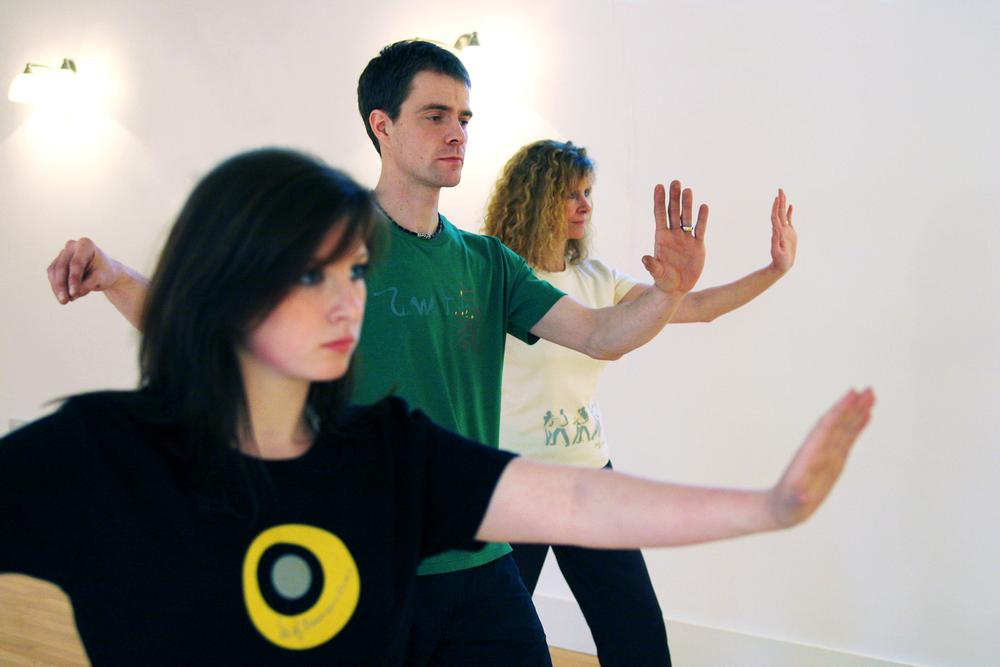
Tai chi helps lower blood pressure
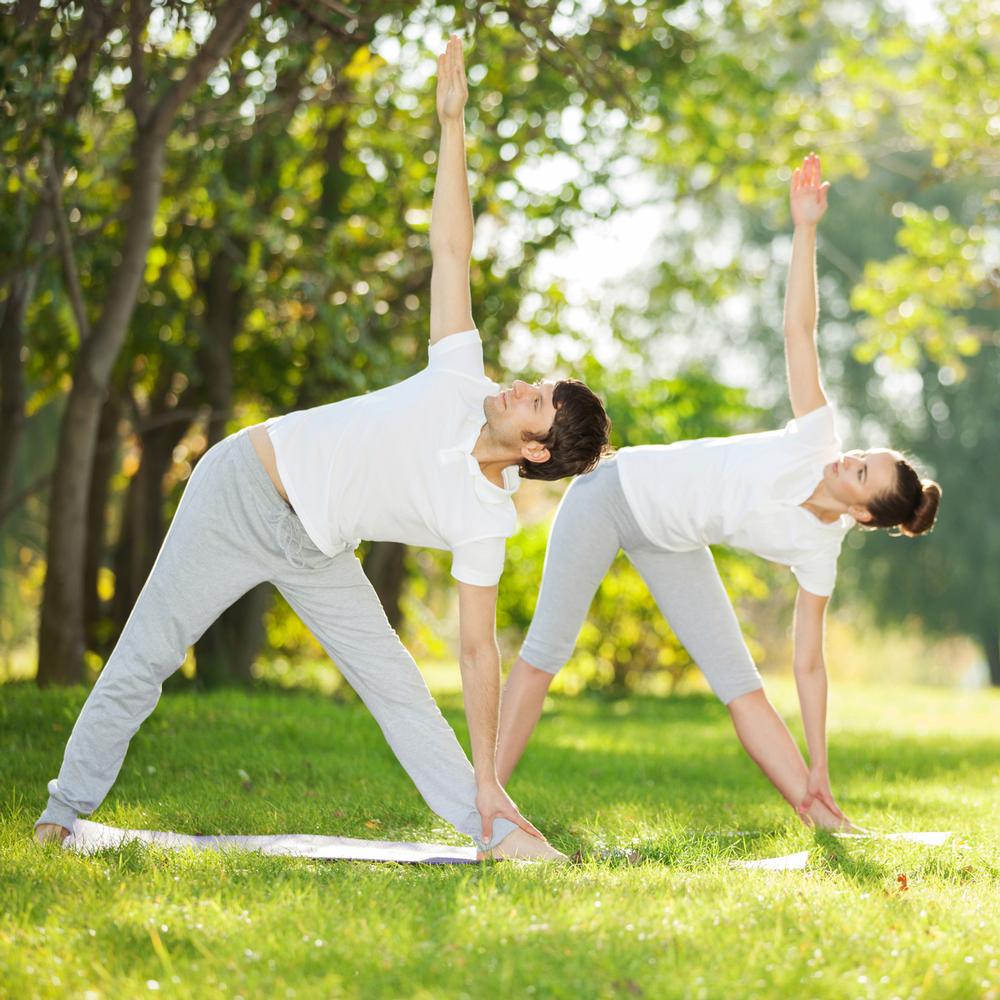
Studies suggest that yoga can help reduce risk factors for diabetes and cardiovascular disease in healthy people / Photo: shutterstock.com/suravid
The UK's four Chief Medical Officers have published a refreshed edition of Physical activity
guidelines: UK Chief Medical Officers' report, updating the evidence that underpins the nation's
physical activity recommendations and placing greater emphasis on strength, balance, reducing
sedentary behaviour and, for the first time, supporting people taking weight loss medications.
Places Leisure has exchanged contracts to build and operate a flagship £60m water and leisure
destination on behalf of Basingstoke and Deane Borough Council.
The Republic of Ireland will become the latest market in PureGym’s expanding international
portfolio, with the first launch planned for Dublin in 2027.
Anytime Fitness opened more than one club a day in 2025 and is on track to maintain this rate
of growth this year, as parent company Purpose Brands targets further international expansion.
The £33.9 million Leighton Leisure and Community Centre has opened in Leighton Buzzard, UK,
creating a next-generation public leisure, health and wellbeing hub for the local community.
Walnuts Leisure Centre in Orpington, in the London Borough of Bromley, has reopened following
a £17m transformation designed to secure the long-term future of the public leisure asset and
reposition it as a community wellbeing hub.
The Gym Group, has announced that it's sustained positive trading momentum has continued
through the first half of 2026 and the company remains confident about the outlook.
Luxury boutique Pilates and wellness studio, X-Club, officially launches a
4,000sq ft flagship at
Marylebone on 16 July Built around X-Club’s four pillars of wellness – mind,
movement,
nutrition and therapy – the facility features two group exercise studi
Active Blackpool is deploying Cornerstone Connect, a new digital interface allowing
disparate information from multiple systems to be aggregated into one dataset, to support
its focus on reducing health inequalities and improving healthy life expectancy. [more...]
CoverMe, the global leader in fitness workforce management, today launches CoverMe PT, an
on-demand personal training platform that connects the right personal trainer to the right
client in under 10 seconds. [more...]
+ More featured suppliers
COMPANY PROFILES
ukactive ukactive is the UK’s leading trade body for the physical activity sector, bringing together more tha [more...]