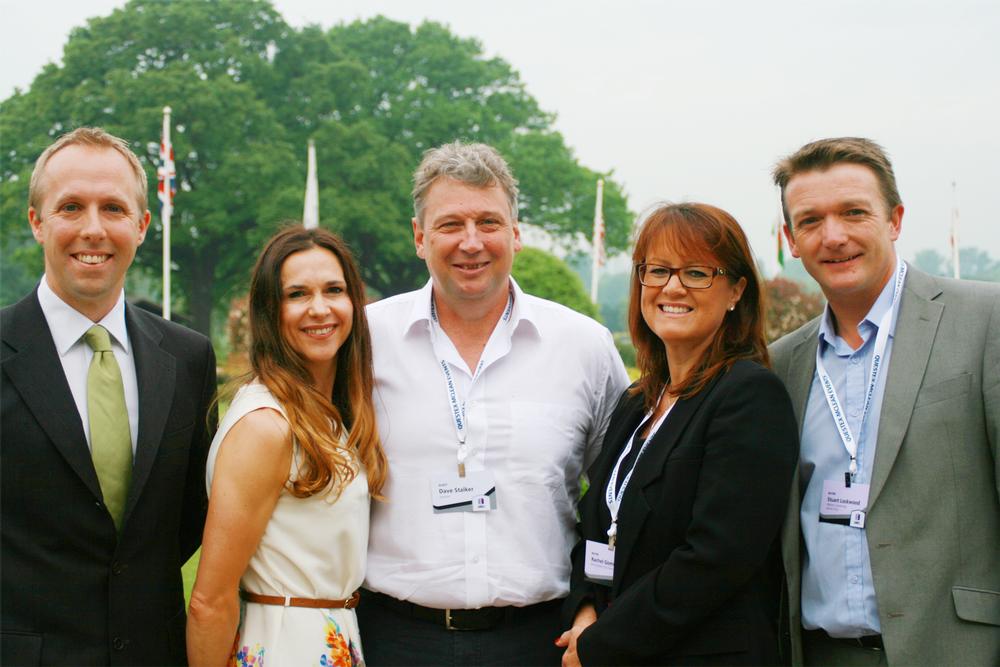
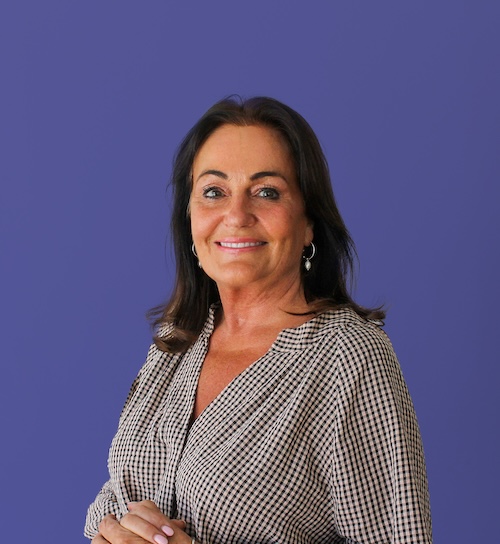
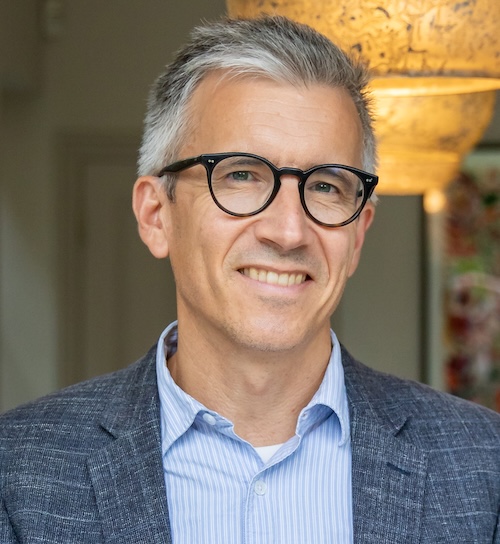
David Stalker with the panellists, Tom Fairey,
Michelle Dand, Rachel Gomm and Stuart Lockwood
Question How can we ensure staff in our facilities are qualified to deliver positive outcomes that answer the needs of the government’s health agenda?
Tom Fairey Most local authorities we advise are managing funding cuts and having to find new efficiencies in leisure services. Inevitably this means staff levels have been squeezed and it’s already a challenge to find funding in the budget to meet mandatory training requirements.
While delivering health interventions that address the needs of special populations does create opportunities, I question where the funding for all the necessary, additional staff training will come from.
Rachel Gomm The delivery of GP referral programmes is not a new concept, but the introduction of the Health & Social Care Bill in 2013 – which encourages local authorities to take responsibility for the health of their local populations and offers access to an £8bn ring-fenced fund – creates a huge opportunity.
To take full advantage of this opportunity, staff need to be given sufficient knowledge and tools to offer professional advice and mentoring services to special populations. This might include people dealing with cancer, mental health issues, emphysema and elderly people at risk of falling. We’ve already started to roll out REPs Level 4 training, but there’s still a great deal of work to be done to ensure our sector is viewed as a true, go-to, results-driven solutions partner.
Michelle Dand SLM recently launched Everyone Health as a separate division from Everyone Active. This brand will bid independently for local health contracts, to deliver evidence-based preventative and treatment services for local authorities.
Working more closely with local authorities to address local health issues does create a massive opportunity, but to meet this need it’s imperative that new training pathways are developed to help our staff gain the knowledge and skills they need to deliver relevant health services with positive, measurable outcomes.
Stuart Lockwood We need to find ways to work with the local authority to deliver more community health initiatives. I still feel, as a sector, we need to focus on service standards in our core business, and work harder to provide a top quality service to the general community with non-specific health needs. Once we crack this, then we can concentrate on catering for special populations.
Question Does the growth in mass participation events such as Tough Mudder, Cycling Sportives and fun runs – along with the more aggressive hunt for new participants by National Governing Bodies (NGBs)of sport – represent an opportunity or a threat to our sector?
Tom Fairey Mass participation events give people a training purpose, a goal to be achieved. These people will be looking for venues to train in and advice on how to prepare – great news for our sector.
Working in partnership with NGBs can help operators think more creatively about their provision. We’ve developed some really innovative, successful offerings – such as indoor ‘extreme’ – in partnership with clients who are willing to embrace change and give people what they want. Both operators and NGBs share an ambition to get more people involved in regular physical activity, so partnering makes total sense.
Michelle Dand NGBs make fantastic partners, giving us access to new audiences. For example, we’re working with British Triathlon to develop and deliver more affordable, accessible triathlon events in local communities. In addition to attracting more people into our centres to train, this also helps British Triathlon achieve Sport England participation targets.
Rachel Gomm Working with NGBs has helped us take physical activity opportunities out to the community, expanding our reach beyond the confines of our leisure centres.
Stuart Lockwood Mass participation events enable us to engage a larger slice of the local population than if we just focus our attention on what physical activities we can provide via our leisure centres. We’re currently working with Oldham Council and other community partners to deliver a local 5km, 7km and half marathon event.
In addition to encouraging more people to directly take part in physical activity, these events also engage other groups within the community – local volunteer organisations and youth groups, for example. This creates a pool of local talent for employers and gives volunteers an opportunity to gain vital work experience, which can then help them secure a paid job.
Question What are your organisations doing to collect evidence-based data and measure user outcomes?
Michelle Dand Over the last couple of years, Everyone Active has developed an online offering to reach people in the community who are not using our leisure centres. This creates a huge data pool, and the next step is to work on collating and analysing that data.
In addition to this, we’re also conducting audits of existing data, implementing minimum datasets for consistency and quality assured measurable health outcomes to demonstrate effectiveness.
We do, however, recognise there’s more to be done. In recognition of the need for data collection, Everyone Health is currently developing a bespoke software solution.
Rachel Gomm Birmingham City Council has combined deprivation data with its own records and worked with partners to analyse the data. Findings have reported that, for every pound invested in Be Active – Birmingham’s physical activity programme – there has been £22-worth of healthcare related benefits.
When we present results like this, it’s difficult for local authorities and clinical commissioning groups not to take our sector seriously.
Stuart Lockwood The key is being able to prove that health and fitness interventions result in behavioural change and, while we recognise a need to get to this point, we’re not there yet.
We have isolated examples where we’re achieving this – such as through our GP referral programmes – but this kind of measurement and analysis needs to become a standard rather than an exception if we’re to secure significant public health funding.
Meet the panel
Debate chair - David Stalker, CEO, ukactive
Panellists - Tom Fairey, Business development manager, Alliance Leisure Services - Michelle Dand, Group fitness development manager, Everyone Active - Rachel Gomm, Business development manager, Birmingham Sport & Events - Stuart Lockwood, CEO, Oldham Community Leisure
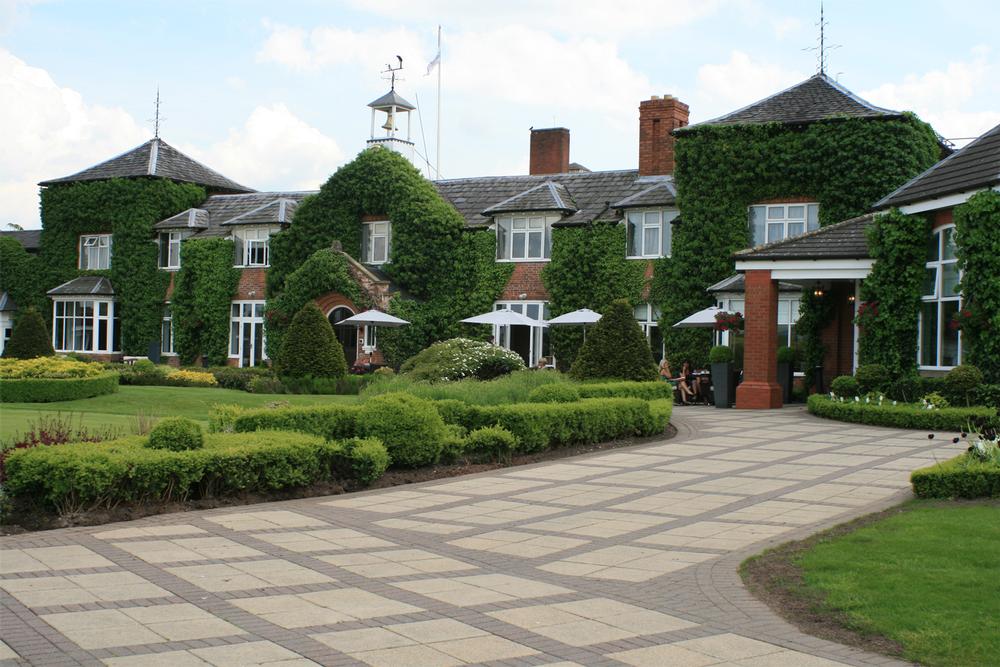
Health and fitness professionals gathered at The Belfry in Wishaw, West Midlands, to discuss and examine industry topics
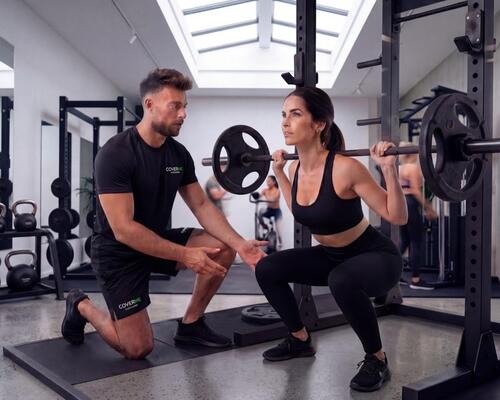
CoverMe, the global leader in fitness workforce management, today launches CoverMe PT, an
on-demand personal training platform that connects the right personal trainer to the right
client in under 10 seconds. [more...]
Active Blackpool is deploying Cornerstone Connect, a new digital interface allowing
disparate information from multiple systems to be aggregated into one dataset, to support
its focus on reducing health inequalities and improving healthy life expectancy. [more...]
+ More featured suppliers
COMPANY PROFILES
Alliance Leisure
Alliance Leisure Services was specifically
established to respond to the changing
development need [more...]
ukactive
ukactive is the UK’s leading trade body for the physical activity sector, bringing together more tha [more...]
David Stalker with the panellists, Tom Fairey,
Michelle Dand, Rachel Gomm and Stuart Lockwood
Question How can we ensure staff in our facilities are qualified to deliver positive outcomes that answer the needs of the government’s health agenda?
Tom Fairey Most local authorities we advise are managing funding cuts and having to find new efficiencies in leisure services. Inevitably this means staff levels have been squeezed and it’s already a challenge to find funding in the budget to meet mandatory training requirements.
While delivering health interventions that address the needs of special populations does create opportunities, I question where the funding for all the necessary, additional staff training will come from.
Rachel Gomm The delivery of GP referral programmes is not a new concept, but the introduction of the Health & Social Care Bill in 2013 – which encourages local authorities to take responsibility for the health of their local populations and offers access to an £8bn ring-fenced fund – creates a huge opportunity.
To take full advantage of this opportunity, staff need to be given sufficient knowledge and tools to offer professional advice and mentoring services to special populations. This might include people dealing with cancer, mental health issues, emphysema and elderly people at risk of falling. We’ve already started to roll out REPs Level 4 training, but there’s still a great deal of work to be done to ensure our sector is viewed as a true, go-to, results-driven solutions partner.
Michelle Dand SLM recently launched Everyone Health as a separate division from Everyone Active. This brand will bid independently for local health contracts, to deliver evidence-based preventative and treatment services for local authorities.
Working more closely with local authorities to address local health issues does create a massive opportunity, but to meet this need it’s imperative that new training pathways are developed to help our staff gain the knowledge and skills they need to deliver relevant health services with positive, measurable outcomes.
Stuart Lockwood We need to find ways to work with the local authority to deliver more community health initiatives. I still feel, as a sector, we need to focus on service standards in our core business, and work harder to provide a top quality service to the general community with non-specific health needs. Once we crack this, then we can concentrate on catering for special populations.
Question Does the growth in mass participation events such as Tough Mudder, Cycling Sportives and fun runs – along with the more aggressive hunt for new participants by National Governing Bodies (NGBs)of sport – represent an opportunity or a threat to our sector?
Tom Fairey Mass participation events give people a training purpose, a goal to be achieved. These people will be looking for venues to train in and advice on how to prepare – great news for our sector.
Working in partnership with NGBs can help operators think more creatively about their provision. We’ve developed some really innovative, successful offerings – such as indoor ‘extreme’ – in partnership with clients who are willing to embrace change and give people what they want. Both operators and NGBs share an ambition to get more people involved in regular physical activity, so partnering makes total sense.
Michelle Dand NGBs make fantastic partners, giving us access to new audiences. For example, we’re working with British Triathlon to develop and deliver more affordable, accessible triathlon events in local communities. In addition to attracting more people into our centres to train, this also helps British Triathlon achieve Sport England participation targets.
Rachel Gomm Working with NGBs has helped us take physical activity opportunities out to the community, expanding our reach beyond the confines of our leisure centres.
Stuart Lockwood Mass participation events enable us to engage a larger slice of the local population than if we just focus our attention on what physical activities we can provide via our leisure centres. We’re currently working with Oldham Council and other community partners to deliver a local 5km, 7km and half marathon event.
In addition to encouraging more people to directly take part in physical activity, these events also engage other groups within the community – local volunteer organisations and youth groups, for example. This creates a pool of local talent for employers and gives volunteers an opportunity to gain vital work experience, which can then help them secure a paid job.
Question What are your organisations doing to collect evidence-based data and measure user outcomes?
Michelle Dand Over the last couple of years, Everyone Active has developed an online offering to reach people in the community who are not using our leisure centres. This creates a huge data pool, and the next step is to work on collating and analysing that data.
In addition to this, we’re also conducting audits of existing data, implementing minimum datasets for consistency and quality assured measurable health outcomes to demonstrate effectiveness.
We do, however, recognise there’s more to be done. In recognition of the need for data collection, Everyone Health is currently developing a bespoke software solution.
Rachel Gomm Birmingham City Council has combined deprivation data with its own records and worked with partners to analyse the data. Findings have reported that, for every pound invested in Be Active – Birmingham’s physical activity programme – there has been £22-worth of healthcare related benefits.
When we present results like this, it’s difficult for local authorities and clinical commissioning groups not to take our sector seriously.
Stuart Lockwood The key is being able to prove that health and fitness interventions result in behavioural change and, while we recognise a need to get to this point, we’re not there yet.
We have isolated examples where we’re achieving this – such as through our GP referral programmes – but this kind of measurement and analysis needs to become a standard rather than an exception if we’re to secure significant public health funding.
Meet the panel
Debate chair - David Stalker, CEO, ukactive
Panellists - Tom Fairey, Business development manager, Alliance Leisure Services - Michelle Dand, Group fitness development manager, Everyone Active - Rachel Gomm, Business development manager, Birmingham Sport & Events - Stuart Lockwood, CEO, Oldham Community Leisure
Health and fitness professionals gathered at The Belfry in Wishaw, West Midlands, to discuss and examine industry topics
The UK's four Chief Medical Officers have published a refreshed edition of Physical activity
guidelines: UK Chief Medical Officers' report, updating the evidence that underpins the nation's
physical activity recommendations and placing greater emphasis on strength, balance, reducing
sedentary behaviour and, for the first time, supporting people taking weight loss medications.
Places Leisure has exchanged contracts to build and operate a flagship £60m water and leisure
destination on behalf of Basingstoke and Deane Borough Council.
The Republic of Ireland will become the latest market in PureGym’s expanding international
portfolio, with the first launch planned for Dublin in 2027.
Anytime Fitness opened more than one club a day in 2025 and is on track to maintain this rate
of growth this year, as parent company Purpose Brands targets further international expansion.
The £33.9 million Leighton Leisure and Community Centre has opened in Leighton Buzzard, UK,
creating a next-generation public leisure, health and wellbeing hub for the local community.
Walnuts Leisure Centre in Orpington, in the London Borough of Bromley, has reopened following
a £17m transformation designed to secure the long-term future of the public leisure asset and
reposition it as a community wellbeing hub.
The Gym Group, has announced that it's sustained positive trading momentum has continued
through the first half of 2026 and the company remains confident about the outlook.
Luxury boutique Pilates and wellness studio, X-Club, officially launches a
4,000sq ft flagship at
Marylebone on 16 July Built around X-Club’s four pillars of wellness – mind,
movement,
nutrition and therapy – the facility features two group exercise studi
CoverMe, the global leader in fitness workforce management, today launches CoverMe PT, an
on-demand personal training platform that connects the right personal trainer to the right
client in under 10 seconds. [more...]
Active Blackpool is deploying Cornerstone Connect, a new digital interface allowing
disparate information from multiple systems to be aggregated into one dataset, to support
its focus on reducing health inequalities and improving healthy life expectancy. [more...]
+ More featured suppliers
COMPANY PROFILES
Alliance Leisure Alliance Leisure Services was specifically
established to respond to the changing
development need [more...]