Consumers want convenience and clubs want to make it easy for them to spend money, so are member payment systems keeping up with both consumer and industry trends? Kath Hudson reports
By Kath Hudson | Published in Health Club Management 2014 issue 7
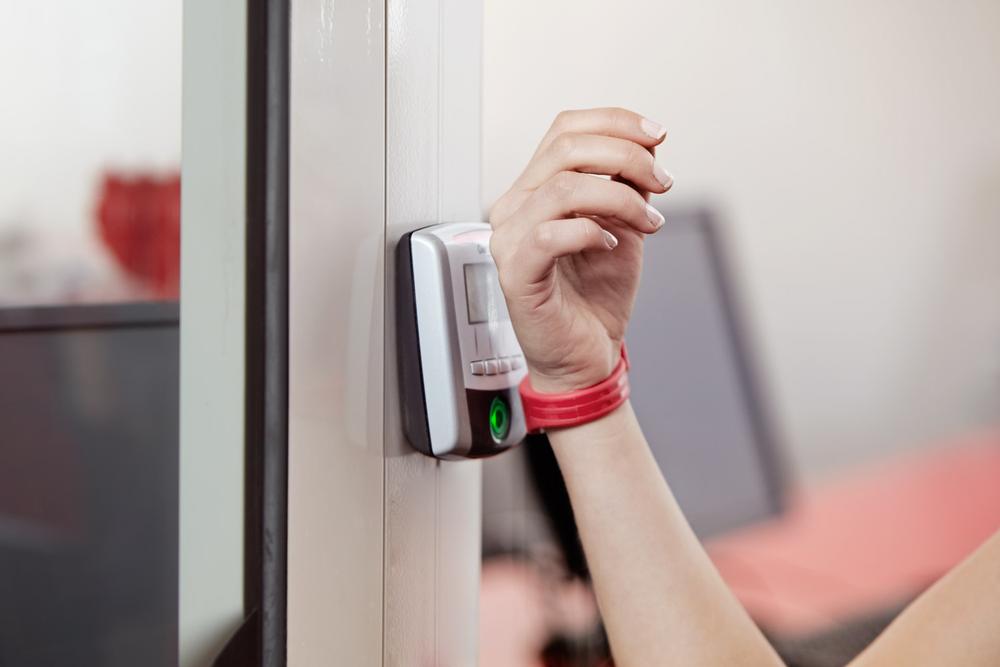
Cashless payment devices can be installed around the club, allowing members to swipe in for optional services such as studio classes and showers
New innovations in technology, changing consumer preferences and new business models adopted by health clubs, which are increasingly moving away from monthly direct debits towards more flexible usage patterns and payment schemes – all these trends are having an impact on the ways in which gym users expect to be able to pay for products and services.
But it seems the more ways there are to spend, the longer the list of considerations. Should clubs move towards a cashless system in-club that might encourage members to spend more money, but that also requires a not insignificant upfront investment? If people book into classes via their smartphones, how should they pay – online, in-club or on account? Should clubs develop apps that allow for online bookings and payment?
And are there any facets of the health club business where direct debits still work well? For example Sean Maguire, COO of software provider Legend, has noticed some operators putting quarterly payments like swimming lessons onto direct debit, as this reduces the admin that comes with renewals and makes things easier for the customer as well as the leisure facility.
Going cashless According to Alexander Egele, business development manager at Gantner, with the low-cost sector causing membership fees to fall across Europe, there’s more pressure on clubs to make money out of secondary spend – including monetising services like showers.
“The best way to generate income while still giving members a good experience is by using cashless payments,” says Egele. “This makes it easier for people to spend money, which means they’re more likely to do so.”
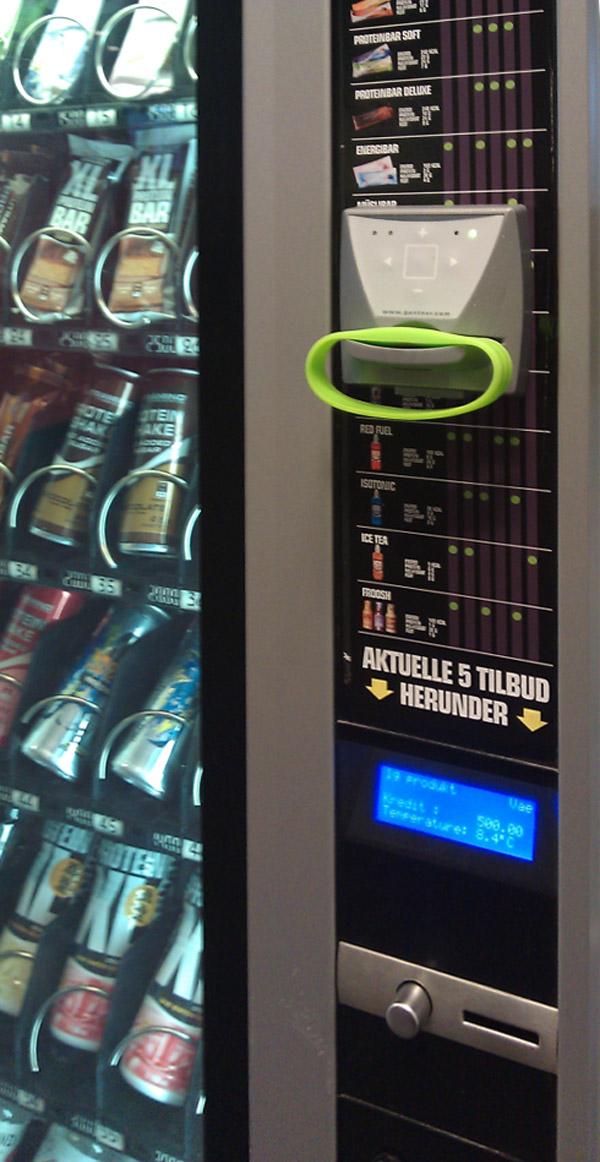
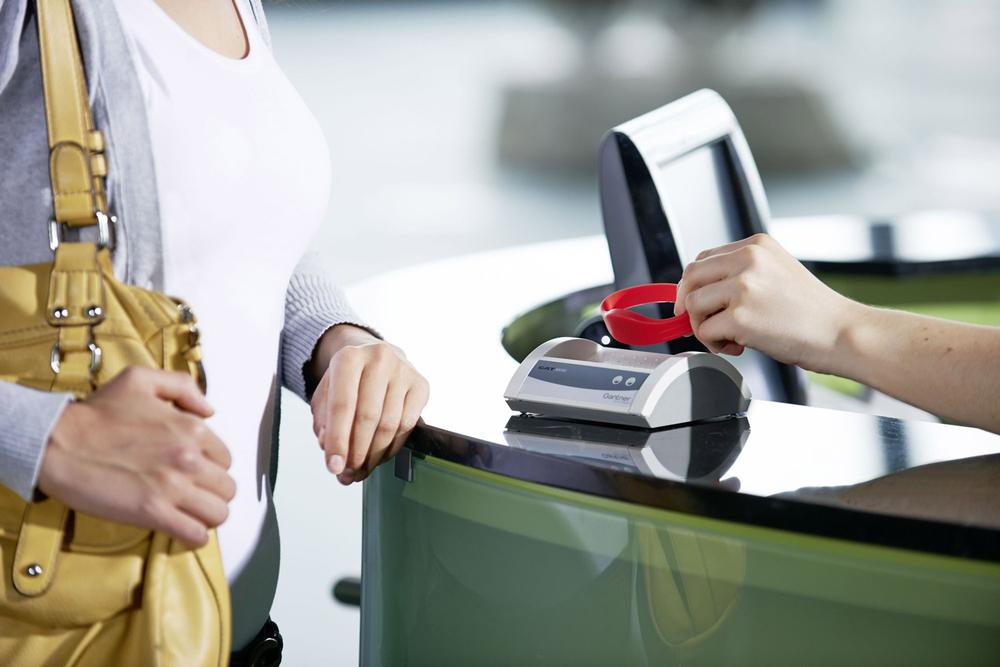
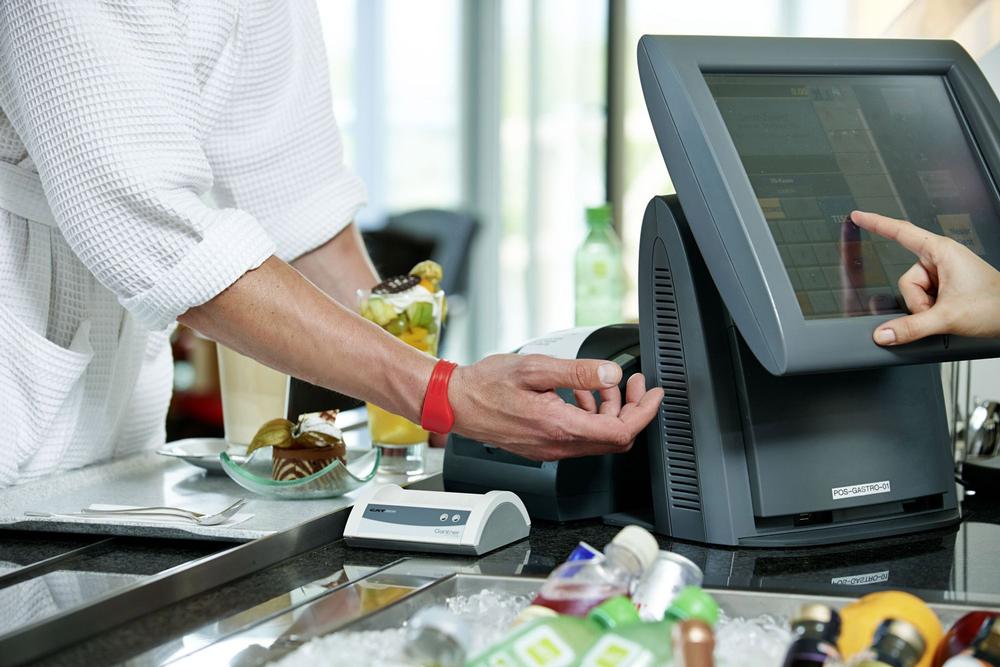
Going cashless involves using membership cards, or better still for a wet environment, wristbands. These can be used for access, lockers and to pay for products and services.
“There’s still some hesitation in the UK, but cashless payment is now very popular in Europe. Some operators allow members to run up credit, but if you persuade members to deposit money onto their card or wristband, this can provide operators with useful cashflow,” says Egele.
Jacob Herborg Nathan, head of sales at Exerp, believes the start-up costs for installing a cashless system can be offset through ongoing cost savings – for example, having wristbands dispensed by a machine, and offering quality vending instead of operating a café.
This cashless approach has been fully embraced by operators such as Fresh Fitness in Scandinavia. Security was one of the main reasons the operator decided to go down the cashless route, but higher secondary spend has been a welcome side-effect (see briefing, p72).
Power in your palm Offering the option of booking classes and managing memberships online – particularly via mobile phones – is another trend that’s continuing to gather pace, and operators must ensure they aren’t left behind as consumers become more accustomed to this level of convenience (see also HCM June 14, p69).
“We’re hearing a clarion call when it comes to payments,” says Maguire. “There’s a widespread desire to be able to make payments using mobile phones. Currently, we facilitate two million online smartphone bookings each month, many of which are done on people’s commute to and from work.”
And Kevin Scott, director at Harlands Group, says his company’s services were used to sign up over a million members online in 2013. “We now see over 50 per cent of members joining online via smart devices,” he adds.
Using phones to enable in-club payments also looks likely to become more widespread in the near future. Ivan Stevenson, director at Debit Finance, points to the high levels of innovation in the area of virtual wallets, contactless smartphone apps and NFC technology. “These innovations lend themselves well to a health club point of sale/retail environment, where a member doesn’t necessarily have cash or their wallet in-hand but typically has their phone,” he explains.
In line with this, Gladstone is working on continuous payment authority, which will allow people to pay via their phone using a passcode. The aim is for this to remove barriers to purchase and make transactions as seamless as possible.
Flexible models Tom Withers, sales and marketing director at Gladstone, says the company has also been looking at other markets to see how they have evolved – the mobile phone sector, for example, which used to be almost exclusively subscription-based, but now offers multiple ways to pay, including options such as pay as you go and personalised monthly packages.
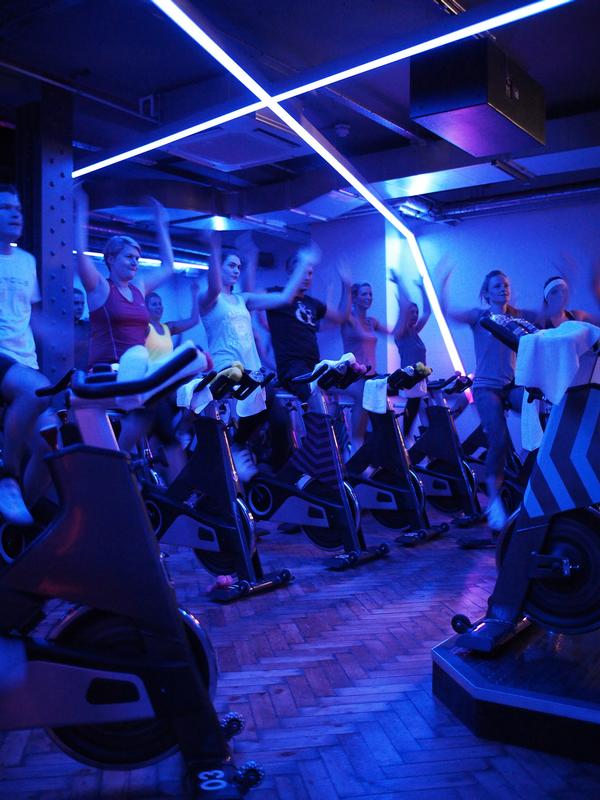
The new breed of microgyms – including specialist cycling studios such as Psycle (see briefing above) – have embraced this sort of flexible model. This new style of club typically offers packages of perhaps 10 or 20 sessions, as well as a ‘pay as you go’ option where customers pay on a class-by-class basis.
“The fitness industry is already exploring this to a degree by charging a lower monthly membership and then offering top-up services,” adds Withers. “As a software provider, we can facilitate this.
“By creating flexible applications, we enable operators to offer a range of membership packages to meet their customers’ demands. Many choose to offer a single core fixed-benefit membership package and the option to buy additional benefits – for instance, a core gym membership with add-on swim, towel hire, locker hire, PT and so on.
“It’s about finding ways of keeping people as customers even if they can no longer afford a full monthly membership fee. As people’s lifestyles change, the types of package on offer to them must change too or you risk losing them completely. Offering limited time packages or pick and choose memberships are ideal.”
He continues: “Each year, we hold a number of regional and national innovation summits where we talk to our customers about their changing business needs, which then supports and guides our future development programme.”
Going forward it’s going to be all about ease and efficiency, both for consumers to spend their money, and for clubs to collect it.
PSYCLE Psycle London is a no-contract, premium group cycling studio in London, UK, where members buy credits and book classes online (see also HCM June 14, p40). When they register, customers also have the option of saving their credit card details so any in-club purchases can be charged straight to the card.
Co-founder and CEO Colin Waggett, former CEO of Fitness First, says this straightforward, no membership fee or contract approach was the obvious route: “Having come from an environment where contracts were such a source of confusion, I was really happy to leave all that behind and just focus on selling the product. Our system is simple and reflective of our customers, who know their own habits. They don’t want to go to the same facility three or four times a week, but they’ll use us twice a week and maybe go to Triyoga, work with a PT, or have a run in the park as well.”
At Psycle London there are no contracts or joining fees
FRESH FITNESS Exerp supports a cashless system at the 35-strong Scandinavian budget chain Fresh Fitness. Customers book online and, when they enter the health club, are given a Gantner wristband which they can use to access the club, buy drinks and snacks at the vending machine and enter a class. Any purchases are added to the next month’s direct debit payment, with the credit capped at £50.
“When we founded the chain in 2010, we looked through all the processes including cash handling,” says CEO Rasmus Ingerslev. “We run a partially staffed model, with staff not tied to the front desk. To have cash in one location and staff in another was a bad idea. We’re also open 24 hours a day, but only staffed from 10.00am to 9.00pm. There’s often only one member of staff present and we didn’t want them to ever be in the position of being threatened for money. Finally, if we had cash in the club it would have to be counted at every shift change, which is a manual process and we’re allergic to manual processes!”
Fresh Fitness believes being cashless is also much better for the end user, as very often people go to the gym in their workout gear and don’t want to carry wallets. “We strongly believe this system matches the needs of today’s consumers, who are all about convenience,” says Ingerslev. “Offering credit and products when they want them, without having to queue, is very much in-line with what people want. The percentage we make on secondary spend is higher than I’ve seen at any other club in my career.”
Ingerslev concedes there is a danger people might run up accounts and cancel their direct debit, which is why credit is capped at £50. However, he says this has not been a major issue to date and believes the benefits of increased secondary spend far outweigh any disadvantages. In addition, he says the upfront investment in the technology is balanced by ongoing cost savings when it comes to staffing.
Going cashless means no need for wallets
Quality vending can help a club avoid the costs of running a café
One size fits all: The same wristband can be used for club access, lockers and cashless payments around the club
Wristbands can be credited with money to pay for products in-club
CoverMe, the global leader in fitness workforce management, today launches CoverMe PT, an
on-demand personal training platform that connects the right personal trainer to the right
client in under 10 seconds. [more...]
Active Blackpool is deploying Cornerstone Connect, a new digital interface allowing
disparate information from multiple systems to be aggregated into one dataset, to support
its focus on reducing health inequalities and improving healthy life expectancy. [more...]
Consumers want convenience and clubs want to make it easy for them to spend money, so are member payment systems keeping up with both consumer and industry trends? Kath Hudson reports
By Kath Hudson | Published in Health Club Management 2014 issue 7
Cashless payment devices can be installed around the club, allowing members to swipe in for optional services such as studio classes and showers
New innovations in technology, changing consumer preferences and new business models adopted by health clubs, which are increasingly moving away from monthly direct debits towards more flexible usage patterns and payment schemes – all these trends are having an impact on the ways in which gym users expect to be able to pay for products and services.
But it seems the more ways there are to spend, the longer the list of considerations. Should clubs move towards a cashless system in-club that might encourage members to spend more money, but that also requires a not insignificant upfront investment? If people book into classes via their smartphones, how should they pay – online, in-club or on account? Should clubs develop apps that allow for online bookings and payment?
And are there any facets of the health club business where direct debits still work well? For example Sean Maguire, COO of software provider Legend, has noticed some operators putting quarterly payments like swimming lessons onto direct debit, as this reduces the admin that comes with renewals and makes things easier for the customer as well as the leisure facility.
Going cashless According to Alexander Egele, business development manager at Gantner, with the low-cost sector causing membership fees to fall across Europe, there’s more pressure on clubs to make money out of secondary spend – including monetising services like showers.
“The best way to generate income while still giving members a good experience is by using cashless payments,” says Egele. “This makes it easier for people to spend money, which means they’re more likely to do so.”
Going cashless involves using membership cards, or better still for a wet environment, wristbands. These can be used for access, lockers and to pay for products and services.
“There’s still some hesitation in the UK, but cashless payment is now very popular in Europe. Some operators allow members to run up credit, but if you persuade members to deposit money onto their card or wristband, this can provide operators with useful cashflow,” says Egele.
Jacob Herborg Nathan, head of sales at Exerp, believes the start-up costs for installing a cashless system can be offset through ongoing cost savings – for example, having wristbands dispensed by a machine, and offering quality vending instead of operating a café.
This cashless approach has been fully embraced by operators such as Fresh Fitness in Scandinavia. Security was one of the main reasons the operator decided to go down the cashless route, but higher secondary spend has been a welcome side-effect (see briefing, p72).
Power in your palm Offering the option of booking classes and managing memberships online – particularly via mobile phones – is another trend that’s continuing to gather pace, and operators must ensure they aren’t left behind as consumers become more accustomed to this level of convenience (see also HCM June 14, p69).
“We’re hearing a clarion call when it comes to payments,” says Maguire. “There’s a widespread desire to be able to make payments using mobile phones. Currently, we facilitate two million online smartphone bookings each month, many of which are done on people’s commute to and from work.”
And Kevin Scott, director at Harlands Group, says his company’s services were used to sign up over a million members online in 2013. “We now see over 50 per cent of members joining online via smart devices,” he adds.
Using phones to enable in-club payments also looks likely to become more widespread in the near future. Ivan Stevenson, director at Debit Finance, points to the high levels of innovation in the area of virtual wallets, contactless smartphone apps and NFC technology. “These innovations lend themselves well to a health club point of sale/retail environment, where a member doesn’t necessarily have cash or their wallet in-hand but typically has their phone,” he explains.
In line with this, Gladstone is working on continuous payment authority, which will allow people to pay via their phone using a passcode. The aim is for this to remove barriers to purchase and make transactions as seamless as possible.
Flexible models Tom Withers, sales and marketing director at Gladstone, says the company has also been looking at other markets to see how they have evolved – the mobile phone sector, for example, which used to be almost exclusively subscription-based, but now offers multiple ways to pay, including options such as pay as you go and personalised monthly packages.
The new breed of microgyms – including specialist cycling studios such as Psycle (see briefing above) – have embraced this sort of flexible model. This new style of club typically offers packages of perhaps 10 or 20 sessions, as well as a ‘pay as you go’ option where customers pay on a class-by-class basis.
“The fitness industry is already exploring this to a degree by charging a lower monthly membership and then offering top-up services,” adds Withers. “As a software provider, we can facilitate this.
“By creating flexible applications, we enable operators to offer a range of membership packages to meet their customers’ demands. Many choose to offer a single core fixed-benefit membership package and the option to buy additional benefits – for instance, a core gym membership with add-on swim, towel hire, locker hire, PT and so on.
“It’s about finding ways of keeping people as customers even if they can no longer afford a full monthly membership fee. As people’s lifestyles change, the types of package on offer to them must change too or you risk losing them completely. Offering limited time packages or pick and choose memberships are ideal.”
He continues: “Each year, we hold a number of regional and national innovation summits where we talk to our customers about their changing business needs, which then supports and guides our future development programme.”
Going forward it’s going to be all about ease and efficiency, both for consumers to spend their money, and for clubs to collect it.
PSYCLE Psycle London is a no-contract, premium group cycling studio in London, UK, where members buy credits and book classes online (see also HCM June 14, p40). When they register, customers also have the option of saving their credit card details so any in-club purchases can be charged straight to the card.
Co-founder and CEO Colin Waggett, former CEO of Fitness First, says this straightforward, no membership fee or contract approach was the obvious route: “Having come from an environment where contracts were such a source of confusion, I was really happy to leave all that behind and just focus on selling the product. Our system is simple and reflective of our customers, who know their own habits. They don’t want to go to the same facility three or four times a week, but they’ll use us twice a week and maybe go to Triyoga, work with a PT, or have a run in the park as well.”
At Psycle London there are no contracts or joining fees
FRESH FITNESS Exerp supports a cashless system at the 35-strong Scandinavian budget chain Fresh Fitness. Customers book online and, when they enter the health club, are given a Gantner wristband which they can use to access the club, buy drinks and snacks at the vending machine and enter a class. Any purchases are added to the next month’s direct debit payment, with the credit capped at £50.
“When we founded the chain in 2010, we looked through all the processes including cash handling,” says CEO Rasmus Ingerslev. “We run a partially staffed model, with staff not tied to the front desk. To have cash in one location and staff in another was a bad idea. We’re also open 24 hours a day, but only staffed from 10.00am to 9.00pm. There’s often only one member of staff present and we didn’t want them to ever be in the position of being threatened for money. Finally, if we had cash in the club it would have to be counted at every shift change, which is a manual process and we’re allergic to manual processes!”
Fresh Fitness believes being cashless is also much better for the end user, as very often people go to the gym in their workout gear and don’t want to carry wallets. “We strongly believe this system matches the needs of today’s consumers, who are all about convenience,” says Ingerslev. “Offering credit and products when they want them, without having to queue, is very much in-line with what people want. The percentage we make on secondary spend is higher than I’ve seen at any other club in my career.”
Ingerslev concedes there is a danger people might run up accounts and cancel their direct debit, which is why credit is capped at £50. However, he says this has not been a major issue to date and believes the benefits of increased secondary spend far outweigh any disadvantages. In addition, he says the upfront investment in the technology is balanced by ongoing cost savings when it comes to staffing.
Going cashless means no need for wallets
Quality vending can help a club avoid the costs of running a café
One size fits all: The same wristband can be used for club access, lockers and cashless payments around the club
Wristbands can be credited with money to pay for products in-club
The UK's four Chief Medical Officers have published a refreshed edition of Physical activity
guidelines: UK Chief Medical Officers' report, updating the evidence that underpins the nation's
physical activity recommendations and placing greater emphasis on strength, balance, reducing
sedentary behaviour and, for the first time, supporting people taking weight loss medications.
Places Leisure has exchanged contracts to build and operate a flagship £60m water and leisure
destination on behalf of Basingstoke and Deane Borough Council.
The Republic of Ireland will become the latest market in PureGym’s expanding international
portfolio, with the first launch planned for Dublin in 2027.
Anytime Fitness opened more than one club a day in 2025 and is on track to maintain this rate
of growth this year, as parent company Purpose Brands targets further international expansion.
The £33.9 million Leighton Leisure and Community Centre has opened in Leighton Buzzard, UK,
creating a next-generation public leisure, health and wellbeing hub for the local community.
Walnuts Leisure Centre in Orpington, in the London Borough of Bromley, has reopened following
a £17m transformation designed to secure the long-term future of the public leisure asset and
reposition it as a community wellbeing hub.
The Gym Group, has announced that it's sustained positive trading momentum has continued
through the first half of 2026 and the company remains confident about the outlook.
Luxury boutique Pilates and wellness studio, X-Club, officially launches a
4,000sq ft flagship at
Marylebone on 16 July Built around X-Club’s four pillars of wellness – mind,
movement,
nutrition and therapy – the facility features two group exercise studi
CoverMe, the global leader in fitness workforce management, today launches CoverMe PT, an
on-demand personal training platform that connects the right personal trainer to the right
client in under 10 seconds. [more...]
Active Blackpool is deploying Cornerstone Connect, a new digital interface allowing
disparate information from multiple systems to be aggregated into one dataset, to support
its focus on reducing health inequalities and improving healthy life expectancy. [more...]