Is ukactive’s strategy to address the UK’s high levels of inactivity on track to achieve
its ambitious goals? We ask a panel of leading industry figures for their views
Government bodies acknowledge much more must be done to promote exercise / photo: shutterstock.com/ Dudarev Mikhail
As part of efforts to prevent 37,000 needless deaths a year, ukactive is spearheading a new campaign to ‘turn the tide of inactivity’ in the UK – with the scale of the challenge laid bare in a report of the same name.
The wording is intentional: rather than concentrating on obesity as has been the case across society in recent years, the focus is on getting people more active. Launched at the ukactive summit In November, the initiative has got off to a strong start, with government, business and the NHS backing the scheme. There has even been an acknowledgment from Prime Minister David Cameron.
If the campaign reaches its target of reducing inactivity by 1 per cent every year for the next five years, the project could save tens of thousands of lives and save taxpayers £1.2bn – a tax reduction of £44 per household.
ukactive has set a course to ensure that a cross-party, cross-government national strategy on inactivity will be embedded within the 2015 election manifesto of all parties. It has also called for councils to set health and wellbeing strategies where success is measured by reducing levels of inactivity rather than obesity – an important point, as a recent ukactive report showed that councils only spend 2.4 per cent of their health budgets on getting people more active.
But how is the programme different from other, similar initiatives in the past? We ask three leading industry figures for their views.
Professor Kevin FentonNational Director of Health and WellbeingPublic Health England
Professor Kevin Fenton
The ‘Turning the Tide of Inactivity’ report highlights the complexity and breadth of the physical inactivity challenge, which has to be a central platform of public health efforts. It’s been followed by a national cross-government commitment – through the new ‘Moving More, Living More’ campaign – to go further and faster on increasing physical activity.
Physical activity is undertaken across communities in a range of ways, from walking and cycling, through fitness, leisure and play to structured amateur and elite sport.
We need to embrace and support this diversity through cross-sector collaboration. PHE is partnering with national and local organisations to reduce levels of physical inactivity and the associated health, economic and social burden on local communities.
Local government can develop and lead the approach across communities to reduce physical inactivity. Health clubs and leisure centres can be the leaders of the movement to promote active lifestyles and embed activity into daily lives. There has to be a shared responsibility to drive the active agenda forward; I believe everyone can play their part.
Public Health England is leading the development of a National Implementation Framework for Physical Activity in England, which is drawing together evidence and case studies from across the country to help develop a tool that can truly deliver this whole system approach. People and organisations can input to the framework by emailing [email protected], and we will also be working with ukactive to deliver a series of regional events during May and June to engage with local stakeholders.
I’m passionate about making a difference to people’s lives by making the public healthier. ‘Turning the Tide of Inactivity’ has revealed the evidence and allowed us to understand the scale of the problem. To move forward, we need to use the case studies within the report and other examples of best practice to implement practical ways of making a difference.
Mike KellyDirectorCentre of Public Health, NICE
Mike Kelly
The ukactive report highlights the growing problem of physical inactivity and the fact that resources have not been directed to target this issue in certain parts of the country.
Inactivity has a huge societal cost. The fact that local councils spend just 2.4 per cent of their top-tier public health budgets on programmes aimed at promoting physical activity is disproportionately low compared to other top-tier concerns like substance misuse or smoking. We must prioritise investment into encouraging more people to get active.
ukactive’s evidence-based recommendations are designed to help local government do just that, to make the best use of its limited funds in improving public health. They are practical, cost-effective measures that will not only improve the health and wellbeing of their communities, but lead to cost savings in the long term.
We must also ensure that open spaces and built environments are better used to offer effective programmes and interventions to increase the number of people who lead an active lifestyle.
The findings from the report will be embedded within the priorities of the medical profession’s considerations over the coming years to turn the tide on physical inactivity and improve millions of lives.
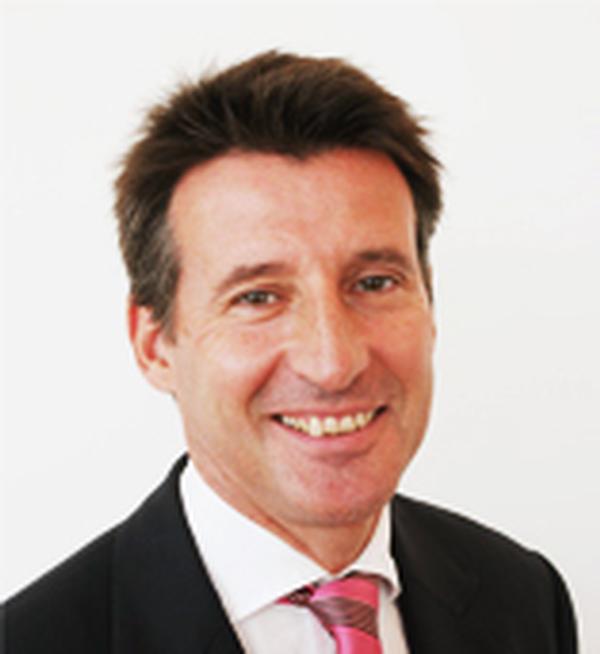
Lord CoeChairBritish Olympic Association
Lord Coe
Since the London Olympic and Paralympic Games, we’ve set out to deliver what no other host nation has done before: a lasting legacy that benefits future generations.
Legacy is a long-term programme and we’ve made an excellent start, including over £11bn of economic benefits, eight out of eight retained Olympic Park venues with their future secured, and 1.5 million more people playing sport once a week since we won the bid in 2005.
But one area where there remains work to do is securing the physical activity legacy from the Games. Still 44 per cent of adults fail to meet the Chief Medical Officers’ guideline of 150 minutes’ physical activity a week, and 29 per cent of adults fail to achieve even 30 minutes’ physical activity over seven days. That’s why I recently helped launch the government and mayor of London’s ‘Moving More, Living More’ initiative to reduce inactivity. This initiative is bringing together government – working in a joined-up way across departments – with the mayor of London’s teams, local government, business and, above all, individuals and community groups who know how to get people moving.
Turning the tide of inactivity is a hugely important outcome for our legacy story. I welcome the recent report from ukactive, whose analysis and recommendations have helped establish the scale of the problem and provide an important step towards tackling the issue. Turning the tide of physical inactivity must be viewed as a national priority and the report makes a persuasive case for action. I’m delighted that ukactive is working with us on the ‘Moving More, Living More’ campaign.
Active Blackpool is deploying Cornerstone Connect, a new digital interface allowing
disparate information from multiple systems to be aggregated into one dataset, to support
its focus on reducing health inequalities and improving healthy life expectancy. [more...]
Panatta brought together four of the most influential figures in bodybuilding history on the
stage of RiminiWellness 2026: Phil Heath, Lee Haney, Ronnie Coleman and Hany Rambod. [more...]
+ More featured suppliers
COMPANY PROFILES
Orbit4
With Orbit4, you’ll always have full visibility
of your equipment inventory, the true
market value [more...]
Is ukactive’s strategy to address the UK’s high levels of inactivity on track to achieve
its ambitious goals? We ask a panel of leading industry figures for their views
Government bodies acknowledge much more must be done to promote exercise / photo: shutterstock.com/ Dudarev Mikhail
As part of efforts to prevent 37,000 needless deaths a year, ukactive is spearheading a new campaign to ‘turn the tide of inactivity’ in the UK – with the scale of the challenge laid bare in a report of the same name.
The wording is intentional: rather than concentrating on obesity as has been the case across society in recent years, the focus is on getting people more active. Launched at the ukactive summit In November, the initiative has got off to a strong start, with government, business and the NHS backing the scheme. There has even been an acknowledgment from Prime Minister David Cameron.
If the campaign reaches its target of reducing inactivity by 1 per cent every year for the next five years, the project could save tens of thousands of lives and save taxpayers £1.2bn – a tax reduction of £44 per household.
ukactive has set a course to ensure that a cross-party, cross-government national strategy on inactivity will be embedded within the 2015 election manifesto of all parties. It has also called for councils to set health and wellbeing strategies where success is measured by reducing levels of inactivity rather than obesity – an important point, as a recent ukactive report showed that councils only spend 2.4 per cent of their health budgets on getting people more active.
But how is the programme different from other, similar initiatives in the past? We ask three leading industry figures for their views.
Professor Kevin FentonNational Director of Health and WellbeingPublic Health England
Professor Kevin Fenton
The ‘Turning the Tide of Inactivity’ report highlights the complexity and breadth of the physical inactivity challenge, which has to be a central platform of public health efforts. It’s been followed by a national cross-government commitment – through the new ‘Moving More, Living More’ campaign – to go further and faster on increasing physical activity.
Physical activity is undertaken across communities in a range of ways, from walking and cycling, through fitness, leisure and play to structured amateur and elite sport.
We need to embrace and support this diversity through cross-sector collaboration. PHE is partnering with national and local organisations to reduce levels of physical inactivity and the associated health, economic and social burden on local communities.
Local government can develop and lead the approach across communities to reduce physical inactivity. Health clubs and leisure centres can be the leaders of the movement to promote active lifestyles and embed activity into daily lives. There has to be a shared responsibility to drive the active agenda forward; I believe everyone can play their part.
Public Health England is leading the development of a National Implementation Framework for Physical Activity in England, which is drawing together evidence and case studies from across the country to help develop a tool that can truly deliver this whole system approach. People and organisations can input to the framework by emailing [email protected], and we will also be working with ukactive to deliver a series of regional events during May and June to engage with local stakeholders.
I’m passionate about making a difference to people’s lives by making the public healthier. ‘Turning the Tide of Inactivity’ has revealed the evidence and allowed us to understand the scale of the problem. To move forward, we need to use the case studies within the report and other examples of best practice to implement practical ways of making a difference.
Mike KellyDirectorCentre of Public Health, NICE
Mike Kelly
The ukactive report highlights the growing problem of physical inactivity and the fact that resources have not been directed to target this issue in certain parts of the country.
Inactivity has a huge societal cost. The fact that local councils spend just 2.4 per cent of their top-tier public health budgets on programmes aimed at promoting physical activity is disproportionately low compared to other top-tier concerns like substance misuse or smoking. We must prioritise investment into encouraging more people to get active.
ukactive’s evidence-based recommendations are designed to help local government do just that, to make the best use of its limited funds in improving public health. They are practical, cost-effective measures that will not only improve the health and wellbeing of their communities, but lead to cost savings in the long term.
We must also ensure that open spaces and built environments are better used to offer effective programmes and interventions to increase the number of people who lead an active lifestyle.
The findings from the report will be embedded within the priorities of the medical profession’s considerations over the coming years to turn the tide on physical inactivity and improve millions of lives.
Lord CoeChairBritish Olympic Association
Lord Coe
Since the London Olympic and Paralympic Games, we’ve set out to deliver what no other host nation has done before: a lasting legacy that benefits future generations.
Legacy is a long-term programme and we’ve made an excellent start, including over £11bn of economic benefits, eight out of eight retained Olympic Park venues with their future secured, and 1.5 million more people playing sport once a week since we won the bid in 2005.
But one area where there remains work to do is securing the physical activity legacy from the Games. Still 44 per cent of adults fail to meet the Chief Medical Officers’ guideline of 150 minutes’ physical activity a week, and 29 per cent of adults fail to achieve even 30 minutes’ physical activity over seven days. That’s why I recently helped launch the government and mayor of London’s ‘Moving More, Living More’ initiative to reduce inactivity. This initiative is bringing together government – working in a joined-up way across departments – with the mayor of London’s teams, local government, business and, above all, individuals and community groups who know how to get people moving.
Turning the tide of inactivity is a hugely important outcome for our legacy story. I welcome the recent report from ukactive, whose analysis and recommendations have helped establish the scale of the problem and provide an important step towards tackling the issue. Turning the tide of physical inactivity must be viewed as a national priority and the report makes a persuasive case for action. I’m delighted that ukactive is working with us on the ‘Moving More, Living More’ campaign.
The UK's four Chief Medical Officers have published a refreshed edition of Physical activity
guidelines: UK Chief Medical Officers' report, updating the evidence that underpins the nation's
physical activity recommendations and placing greater emphasis on strength, balance, reducing
sedentary behaviour and, for the first time, supporting people taking weight loss medications.
Places Leisure has exchanged contracts to build and operate a flagship £60m water and leisure
destination on behalf of Basingstoke and Deane Borough Council.
The Republic of Ireland will become the latest market in PureGym’s expanding international
portfolio, with the first launch planned for Dublin in 2027.
Anytime Fitness opened more than one club a day in 2025 and is on track to maintain this rate
of growth this year, as parent company Purpose Brands targets further international expansion.
The £33.9 million Leighton Leisure and Community Centre has opened in Leighton Buzzard, UK,
creating a next-generation public leisure, health and wellbeing hub for the local community.
Walnuts Leisure Centre in Orpington, in the London Borough of Bromley, has reopened following
a £17m transformation designed to secure the long-term future of the public leisure asset and
reposition it as a community wellbeing hub.
The Gym Group, has announced that it's sustained positive trading momentum has continued
through the first half of 2026 and the company remains confident about the outlook.
Luxury boutique Pilates and wellness studio, X-Club, officially launches a
4,000sq ft flagship at
Marylebone on 16 July Built around X-Club’s four pillars of wellness – mind,
movement,
nutrition and therapy – the facility features two group exercise studi
Active Blackpool is deploying Cornerstone Connect, a new digital interface allowing
disparate information from multiple systems to be aggregated into one dataset, to support
its focus on reducing health inequalities and improving healthy life expectancy. [more...]
Panatta brought together four of the most influential figures in bodybuilding history on the
stage of RiminiWellness 2026: Phil Heath, Lee Haney, Ronnie Coleman and Hany Rambod. [more...]
+ More featured suppliers
COMPANY PROFILES
Orbit4 With Orbit4, you’ll always have full visibility
of your equipment inventory, the true
market value [more...]