The CEO of Fitness First talks to Kate Cracknell about putting behavioural psychology at the heart of the business in a £270m global repositioning and rebrand
By Kate Cracknell | Published in Health Club Management 2014 issue 3
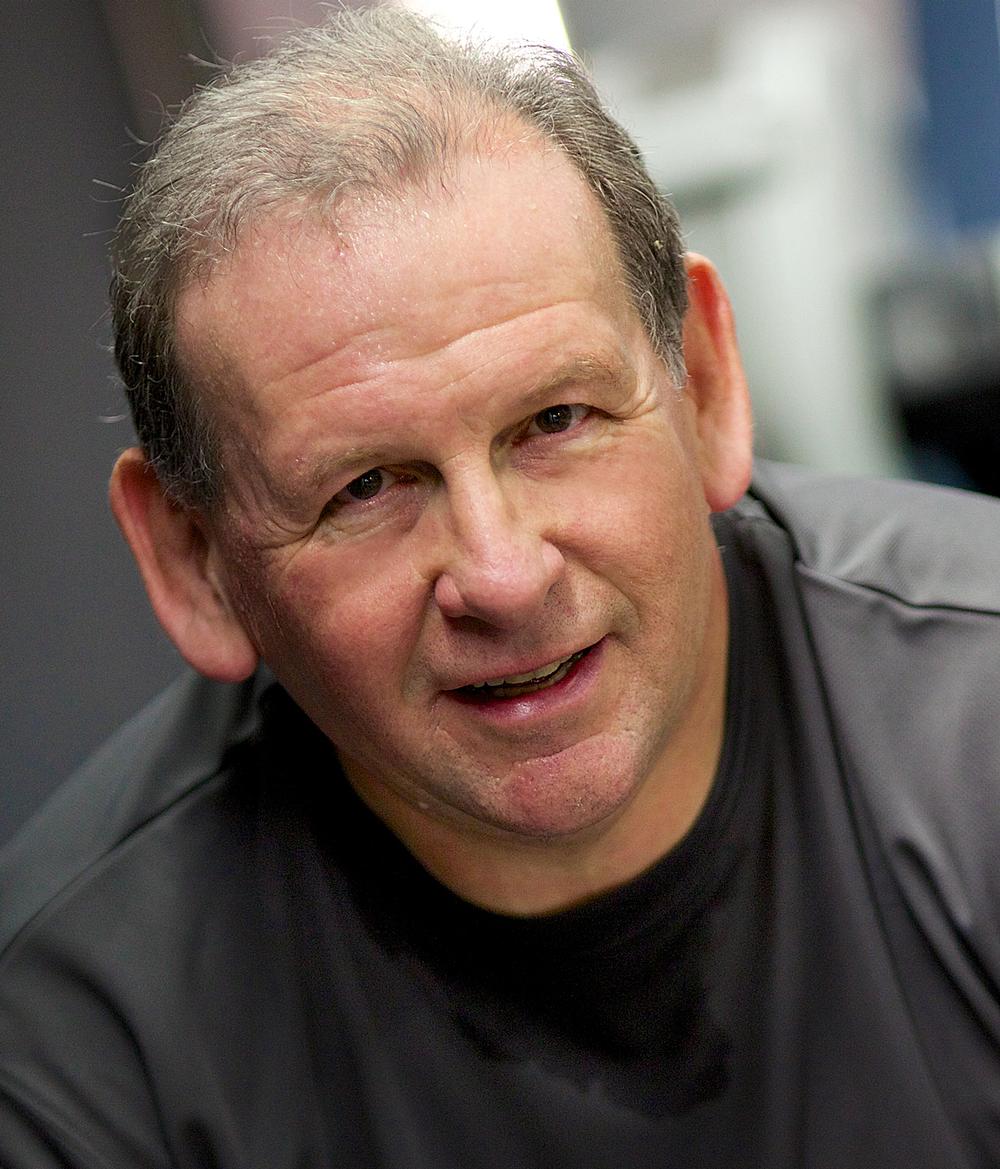
Cosslett has worked in hospitality and for big brands like Unilever
“If you were to stop 100 people in the street and ask them if they wanted to feel happier and look better, how many of them would say ‘no thanks’?” asks Andrew Cosslett, CEO of Fitness First, when I meet him at the company’s offices in Marylebone, London. “The real question is: what’s that worth to you? What are you willing to give up in the pursuit of that health and happiness?
“And the problem is that, so far, the fitness sector hasn’t really given consumers a reason to place much worth on its offering.”
Cosslett is firmly of the belief that blaming lack of participation on cost is “invalid when gym membership costs no more than the price of a coffee a day”. But it is, he acknowledges – and particularly in tough economic times – up to operators to offer “a product, a proposition and a way of dealing with people on their own terms”.
He says: “Actual cost is irrelevant. We simply haven’t done a good enough job of explaining ourselves and putting an offer in front of people that they find good value. You have to join all the dots and present a proposition that satisfies customers’ needs, making it easier for them to take that step and make a commitment to the gym.”
Faced with the huge challenge of turning around the fortunes of an embattled Fitness First, Cosslett therefore began by seeking a better understanding of consumer needs within the fitness sector. The result was a paper, produced in partnership with professor Stuart Biddle of Loughborough University in the UK, which outlined the science behind motivation and how the principles of behavioural psychology inform whether we will – or won’t – be successful in maintaining exercise.
“We peeled it right back to two questions: why don’t people get involved in the first place?; and when they do get involved, why do so many stop coming?” says Cosslett. “These aren’t new questions, but I do think we’re getting some different answers.
“The three things that matter to customers are being made to feel welcome, comfortable and as though they belong; being given a sense of competence and therefore confidence, which makes them feel empowered; and being given lots of feedback, encouragement and support about how they’re doing and how they can go further. Those are the three critical components. While they’re not rocket science, they’re strangely absent in a lot of places I’ve been in this industry.”
It’s around these key components that the new Fitness First has been born.
Asking the questions Whether Fitness First will actually have struck upon the answers to the industry’s ever-present retention challenge remains to be seen – as will its ability to put these theories into practice – but Cosslett seems quietly confident, if measured in his response: “We’ve set out our stall and believe it’s the way to go, but joining the dots is very difficult and it will be a long journey. We’ve moved the brand renewal programme through at pretty high speed and we’re still learning.”
That said, he has a strong and diverse team in place, their experience in sectors such as retail and airlines complementing his own background in brands and hospitality. Having learned his trade in the 1980s at the “great university of marketing” that is Unilever, Cosslett progressed into general management for Cadbury-Schweppes in Australia and Asia before moving into hospitality at hotel group IHG in 2005.
“A lot of the same issues apply in hospitality as in fitness,” he says. “The hotel industry is very inward looking – it continues with practices that have been around for many, many decades. What we did with IHG was overhaul it and challenge some of the preconceived notions of how things should be done.” That included the relaunch of the Holiday Inn brand: 3,200 hotels around the world in a “four-year journey of massive organisational challenge”.
Listening to Cosslett speak, particularly with the strong customer and brand insight his experience at the likes of Unilever has given him – as well as his clear personal passion for fitness – you get the feeling he could be the man to turn Fitness First’s fortunes around.
“I’m willing to ask the crazy questions,” explains Cosslett. “When I got here, I saw an opportunity to do something a bit different.
“From an outsider’s point of view, it’s always struck me as strange that an industry that should be seen as a paragon of virtue in society wasn’t portrayed that way. We’re saving people’s lives, making them happy, helping them fulfil their dreams and go further in life, yet the industry’s reputation was nothing like that. It was way down the pecking order in terms of appeal to executives to join it; the Office of Fair Trading was all over it for its overcomplicated contracts and terms and conditions; and there was little trust from the public. And as an observer and user, I agreed with a lot of what was being said.
“Fitness First in particular was a brand with quite a lot of reputational damage. It wasn’t the case in Asia or Germany, but in the UK it had run out of money and hadn’t been able to invest in its infrastructure. We live in a world of design-led environments and Fitness First had been left behind, so we have a big programme of renovations underway.
“The company also had a reputation as a selling machine, and that needed to be addressed. If you come through our doors as a potential new user, we want all your early contacts with us to be positive ones. We want you to feel you’re talking to someone who knows their product and knows what’s involved. When you walk into the Apple Store, you aren’t confronted by someone who can’t answer your questions. They don’t have to go and find someone else for you to talk to. They know their product inside-out, they understand it and they’re advocates for it.”
With this in mind, every single member of staff – from receptionists and sales people, right up to Cosslett as CEO – is now being trained towards a fitness qualification.
Missed connections But perhaps Cosslett’s biggest concern on joining Fitness First was the lack of what he calls ‘connecting the dots’ across the fitness sector as a whole: “My 30 years in business have been about running international brands, but I walk into fitness and I see no brands – just names over doors.
“I also don’t see much focus on the customer. I see a lot of knowledge and focus on fitness and what that means, with an assumption that the world knows what we’re talking about.
But in practice, the connections just aren’t being made.
“In the UK, penetration is stuck at 12 per cent or thereabouts, in spite of everything we know about the benefits of exercise, an ageing population, activity being on the government agenda… So something’s missing. Something’s wrong. And it’s partly because the industry doesn’t connect the dots. Some companies in the industry know a lot about fitness, some offer very seductive environments and some have good customer contact – but not all three.
“Fitness is still quite a young sector, and I think a number of the inflection points we’ve seen appear recently, like the arrival of the low-cost operators, are evolutionary. They’re signs of an industry moving forward, which is great news, because that always spurs more innovative thinking, which in turn drives penetration and drives more people into the industry. But for now, I don’t think we have enough understanding about the things that drive demand.”
A sense of belonging And this is where we return to Fitness First’s new behavioural psychology-based approach, based on belonging, confidence and encouragement as the key to maintaining the appeal of – and demand for – the gym.
Delivering on this philosophy, one of the most visible shifts in the design of the rebranded clubs has been the introduction of extensive ‘freestyle’ areas for functional training, with small group training sessions included within the membership. Open-plan reception areas have been introduced to create a more welcoming first impression.
“A lot of the thinking about our club layouts revolves around the casual interaction between members, and between members and our staff,” explains Cosslett. “A sense of belonging is key and, while everyone has a different mindset when they’re in a club – some want to be left alone, some want to be engaged, that’s the same in the hotel business too – the skill is to train your people to be smart enough to know the difference and to be able to engage with customers on their terms, but still engage them, because that’s the precursor to keeping them as members.”
Creating a connection with members outside the club is also vital to engagement, and Fitness First is in the process of building a digital platform, the likes of which Cosslett believes “doesn’t exist out there at the moment”. He adds: “Fitness First needs to use its scale better, investing in R&D rather than relying on manufacturers to tell us what’s happening next. Our new platform will be the start of a new form of relationship with members and everything that’s made possible for them as a result of being a member.”
Another significant proportion of the company’s £270m, three-year global investment – which will cover everything from refurbishments to rebranding to building new clubs – will go into developing its people, with fitness qualifications for all just the start.
“In any business I’ve ever been involved with, the primary driver of difference is how you engage your people, what you ask them to do, how you empower them, what you teach them, how you teach them. It’s about helping them feel enriched and empowered. It’s about setting standards and rigorously training them in – ensuring gym staff know members’ names, for example.
“It’s also about who’s on your team in the first place, and we’ll be recruiting and training for attitude. We want people who are confident and empowered but who are also sociable. I know that’s obvious, but it still doesn’t happen routinely in the fitness industry.”
Reputation building He continues: “When you move a brand on, you can’t do it in bits. As someone once said to me, you can’t jump a chasm in three easy steps. You have to take the whole brand and the whole business to a different place. The brand look and feel is just the face of it – everything has to change. Your understanding of your customers has to change, meaning how you train your staff, what they say, how they engage, where they stand, what they wear – all that has to change. Your fitness products must have points of difference that make you distinctive and make people talk about you.
“What all great brands do is build relationships with their customers, keeping them loyal for longer and making them greater advocates of their brand ahead of others. That’s what we’re aiming to achieve.”
But how easy a task is that for Fitness First, given all its negative baggage? How does it re-engage a disillusioned public?
“Changing your logo as we’ve done is like an announcement, a way of flagging to the world that you’ve changed,” says Cosslett. “However, brand reputations are built – and particularly in these days of social media, they’re built by people talking about you. So it’s about winning over one customer at a time, day by day, encouraging them to walk back through the door and see that change has really happened and it’s not just cosmetic. That’s how we’ll earn our stripes.”
Fitness First: Evolution & Growth
Fitness First’s £270m global investment programme will see a revitalised brand bidding to return a sense of value to its offering. But that won’t mean lowering prices to compete with the budget operators, as CEO Andrew Cosslett explains: “I’ve always struggled with our ‘affordable fitness’ positioning in the UK – that’s not really a place to be given there will always be a budget operator to undercut you. Neither do we want to be seen as some sort of boutique super-brand.
“If you look at Asia, Australia, Germany – our more successful markets where we have the best brand reputation – Fitness First is positioned towards the upper end of the mid-scale market.”
Although the company does currently still operate five low-cost Klick clubs in the UK – the legacy of its venture into this segment of the market in 2011 – the focus of the estate is shifting upwards, with major investment in clubs, staff and technology. By 2016, all 300+ clubs in 16 countries around the world – including 82 in the UK – will have been refreshed with a new look and feel that embraces everything from club design and facility mix to technology and staffing.
However, prices will not necessarily rise. In the UK, some London clubs will see their prices go up, but as Cosslett explains: “We’ve taken a much more local view of pricing, because it’s just not credible to imagine that everywhere operates in the same economic environment. Fitness First was quite slow to acknowledge that and do anything about it, but it’s something we’re actively addressing now.”
There will also be new clubs. Here the focus will be primarily on Asia as a growth market – 15 new clubs this year and the same or more predicted for 2015 – with new sites also planned for the UK, Germany and Australia.
And while it isn’t aiming to become a ‘boutique super-brand’, Fitness First will also – where demographics and high local penetration of Fitness First clubs allow – be dipping a toe in the microgym market after the success of The Zone, its group exercise-only concept in Sydney, Australia. One such site, provisionally named The Beat, will open this month in London – a take on The Zone that also incorporates heart rate training.
The new approach is based on behavioural psychology to get members engaged
Classes and small group training help to create a sense of community in the clubs
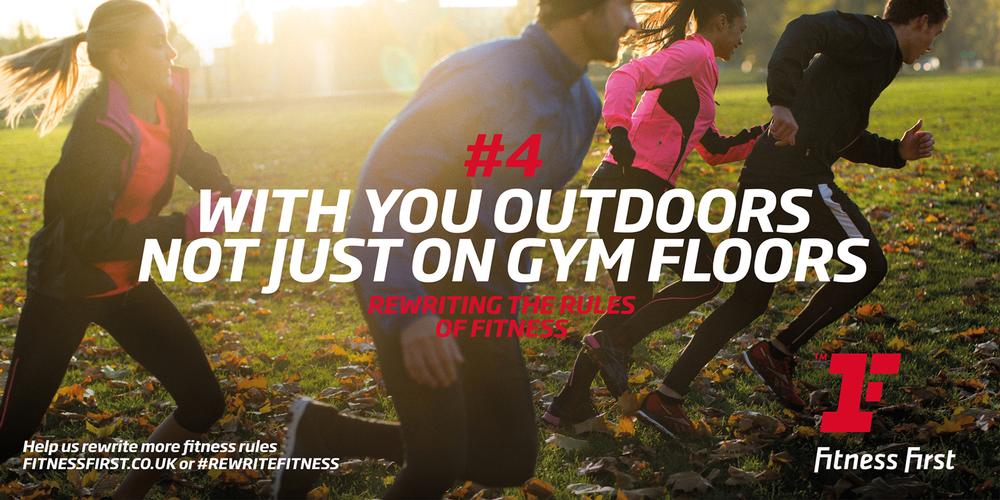
The rebranding doesn’t stop at the ad campaigns, but rather penetrates company structures
CoverMe, the global leader in fitness workforce management, today launches CoverMe PT, an
on-demand personal training platform that connects the right personal trainer to the right
client in under 10 seconds. [more...]
Panatta brought together four of the most influential figures in bodybuilding history on the
stage of RiminiWellness 2026: Phil Heath, Lee Haney, Ronnie Coleman and Hany Rambod. [more...]
+ More featured suppliers
COMPANY PROFILES
IndigoFitness
At IndigoFitness, we create intelligent training spaces that elevate fitness facilities across indus [more...]
The CEO of Fitness First talks to Kate Cracknell about putting behavioural psychology at the heart of the business in a £270m global repositioning and rebrand
By Kate Cracknell | Published in Health Club Management 2014 issue 3
Cosslett has worked in hospitality and for big brands like Unilever
“If you were to stop 100 people in the street and ask them if they wanted to feel happier and look better, how many of them would say ‘no thanks’?” asks Andrew Cosslett, CEO of Fitness First, when I meet him at the company’s offices in Marylebone, London. “The real question is: what’s that worth to you? What are you willing to give up in the pursuit of that health and happiness?
“And the problem is that, so far, the fitness sector hasn’t really given consumers a reason to place much worth on its offering.”
Cosslett is firmly of the belief that blaming lack of participation on cost is “invalid when gym membership costs no more than the price of a coffee a day”. But it is, he acknowledges – and particularly in tough economic times – up to operators to offer “a product, a proposition and a way of dealing with people on their own terms”.
He says: “Actual cost is irrelevant. We simply haven’t done a good enough job of explaining ourselves and putting an offer in front of people that they find good value. You have to join all the dots and present a proposition that satisfies customers’ needs, making it easier for them to take that step and make a commitment to the gym.”
Faced with the huge challenge of turning around the fortunes of an embattled Fitness First, Cosslett therefore began by seeking a better understanding of consumer needs within the fitness sector. The result was a paper, produced in partnership with professor Stuart Biddle of Loughborough University in the UK, which outlined the science behind motivation and how the principles of behavioural psychology inform whether we will – or won’t – be successful in maintaining exercise.
“We peeled it right back to two questions: why don’t people get involved in the first place?; and when they do get involved, why do so many stop coming?” says Cosslett. “These aren’t new questions, but I do think we’re getting some different answers.
“The three things that matter to customers are being made to feel welcome, comfortable and as though they belong; being given a sense of competence and therefore confidence, which makes them feel empowered; and being given lots of feedback, encouragement and support about how they’re doing and how they can go further. Those are the three critical components. While they’re not rocket science, they’re strangely absent in a lot of places I’ve been in this industry.”
It’s around these key components that the new Fitness First has been born.
Asking the questions Whether Fitness First will actually have struck upon the answers to the industry’s ever-present retention challenge remains to be seen – as will its ability to put these theories into practice – but Cosslett seems quietly confident, if measured in his response: “We’ve set out our stall and believe it’s the way to go, but joining the dots is very difficult and it will be a long journey. We’ve moved the brand renewal programme through at pretty high speed and we’re still learning.”
That said, he has a strong and diverse team in place, their experience in sectors such as retail and airlines complementing his own background in brands and hospitality. Having learned his trade in the 1980s at the “great university of marketing” that is Unilever, Cosslett progressed into general management for Cadbury-Schweppes in Australia and Asia before moving into hospitality at hotel group IHG in 2005.
“A lot of the same issues apply in hospitality as in fitness,” he says. “The hotel industry is very inward looking – it continues with practices that have been around for many, many decades. What we did with IHG was overhaul it and challenge some of the preconceived notions of how things should be done.” That included the relaunch of the Holiday Inn brand: 3,200 hotels around the world in a “four-year journey of massive organisational challenge”.
Listening to Cosslett speak, particularly with the strong customer and brand insight his experience at the likes of Unilever has given him – as well as his clear personal passion for fitness – you get the feeling he could be the man to turn Fitness First’s fortunes around.
“I’m willing to ask the crazy questions,” explains Cosslett. “When I got here, I saw an opportunity to do something a bit different.
“From an outsider’s point of view, it’s always struck me as strange that an industry that should be seen as a paragon of virtue in society wasn’t portrayed that way. We’re saving people’s lives, making them happy, helping them fulfil their dreams and go further in life, yet the industry’s reputation was nothing like that. It was way down the pecking order in terms of appeal to executives to join it; the Office of Fair Trading was all over it for its overcomplicated contracts and terms and conditions; and there was little trust from the public. And as an observer and user, I agreed with a lot of what was being said.
“Fitness First in particular was a brand with quite a lot of reputational damage. It wasn’t the case in Asia or Germany, but in the UK it had run out of money and hadn’t been able to invest in its infrastructure. We live in a world of design-led environments and Fitness First had been left behind, so we have a big programme of renovations underway.
“The company also had a reputation as a selling machine, and that needed to be addressed. If you come through our doors as a potential new user, we want all your early contacts with us to be positive ones. We want you to feel you’re talking to someone who knows their product and knows what’s involved. When you walk into the Apple Store, you aren’t confronted by someone who can’t answer your questions. They don’t have to go and find someone else for you to talk to. They know their product inside-out, they understand it and they’re advocates for it.”
With this in mind, every single member of staff – from receptionists and sales people, right up to Cosslett as CEO – is now being trained towards a fitness qualification.
Missed connections But perhaps Cosslett’s biggest concern on joining Fitness First was the lack of what he calls ‘connecting the dots’ across the fitness sector as a whole: “My 30 years in business have been about running international brands, but I walk into fitness and I see no brands – just names over doors.
“I also don’t see much focus on the customer. I see a lot of knowledge and focus on fitness and what that means, with an assumption that the world knows what we’re talking about.
But in practice, the connections just aren’t being made.
“In the UK, penetration is stuck at 12 per cent or thereabouts, in spite of everything we know about the benefits of exercise, an ageing population, activity being on the government agenda… So something’s missing. Something’s wrong. And it’s partly because the industry doesn’t connect the dots. Some companies in the industry know a lot about fitness, some offer very seductive environments and some have good customer contact – but not all three.
“Fitness is still quite a young sector, and I think a number of the inflection points we’ve seen appear recently, like the arrival of the low-cost operators, are evolutionary. They’re signs of an industry moving forward, which is great news, because that always spurs more innovative thinking, which in turn drives penetration and drives more people into the industry. But for now, I don’t think we have enough understanding about the things that drive demand.”
A sense of belonging And this is where we return to Fitness First’s new behavioural psychology-based approach, based on belonging, confidence and encouragement as the key to maintaining the appeal of – and demand for – the gym.
Delivering on this philosophy, one of the most visible shifts in the design of the rebranded clubs has been the introduction of extensive ‘freestyle’ areas for functional training, with small group training sessions included within the membership. Open-plan reception areas have been introduced to create a more welcoming first impression.
“A lot of the thinking about our club layouts revolves around the casual interaction between members, and between members and our staff,” explains Cosslett. “A sense of belonging is key and, while everyone has a different mindset when they’re in a club – some want to be left alone, some want to be engaged, that’s the same in the hotel business too – the skill is to train your people to be smart enough to know the difference and to be able to engage with customers on their terms, but still engage them, because that’s the precursor to keeping them as members.”
Creating a connection with members outside the club is also vital to engagement, and Fitness First is in the process of building a digital platform, the likes of which Cosslett believes “doesn’t exist out there at the moment”. He adds: “Fitness First needs to use its scale better, investing in R&D rather than relying on manufacturers to tell us what’s happening next. Our new platform will be the start of a new form of relationship with members and everything that’s made possible for them as a result of being a member.”
Another significant proportion of the company’s £270m, three-year global investment – which will cover everything from refurbishments to rebranding to building new clubs – will go into developing its people, with fitness qualifications for all just the start.
“In any business I’ve ever been involved with, the primary driver of difference is how you engage your people, what you ask them to do, how you empower them, what you teach them, how you teach them. It’s about helping them feel enriched and empowered. It’s about setting standards and rigorously training them in – ensuring gym staff know members’ names, for example.
“It’s also about who’s on your team in the first place, and we’ll be recruiting and training for attitude. We want people who are confident and empowered but who are also sociable. I know that’s obvious, but it still doesn’t happen routinely in the fitness industry.”
Reputation building He continues: “When you move a brand on, you can’t do it in bits. As someone once said to me, you can’t jump a chasm in three easy steps. You have to take the whole brand and the whole business to a different place. The brand look and feel is just the face of it – everything has to change. Your understanding of your customers has to change, meaning how you train your staff, what they say, how they engage, where they stand, what they wear – all that has to change. Your fitness products must have points of difference that make you distinctive and make people talk about you.
“What all great brands do is build relationships with their customers, keeping them loyal for longer and making them greater advocates of their brand ahead of others. That’s what we’re aiming to achieve.”
But how easy a task is that for Fitness First, given all its negative baggage? How does it re-engage a disillusioned public?
“Changing your logo as we’ve done is like an announcement, a way of flagging to the world that you’ve changed,” says Cosslett. “However, brand reputations are built – and particularly in these days of social media, they’re built by people talking about you. So it’s about winning over one customer at a time, day by day, encouraging them to walk back through the door and see that change has really happened and it’s not just cosmetic. That’s how we’ll earn our stripes.”
Fitness First: Evolution & Growth
Fitness First’s £270m global investment programme will see a revitalised brand bidding to return a sense of value to its offering. But that won’t mean lowering prices to compete with the budget operators, as CEO Andrew Cosslett explains: “I’ve always struggled with our ‘affordable fitness’ positioning in the UK – that’s not really a place to be given there will always be a budget operator to undercut you. Neither do we want to be seen as some sort of boutique super-brand.
“If you look at Asia, Australia, Germany – our more successful markets where we have the best brand reputation – Fitness First is positioned towards the upper end of the mid-scale market.”
Although the company does currently still operate five low-cost Klick clubs in the UK – the legacy of its venture into this segment of the market in 2011 – the focus of the estate is shifting upwards, with major investment in clubs, staff and technology. By 2016, all 300+ clubs in 16 countries around the world – including 82 in the UK – will have been refreshed with a new look and feel that embraces everything from club design and facility mix to technology and staffing.
However, prices will not necessarily rise. In the UK, some London clubs will see their prices go up, but as Cosslett explains: “We’ve taken a much more local view of pricing, because it’s just not credible to imagine that everywhere operates in the same economic environment. Fitness First was quite slow to acknowledge that and do anything about it, but it’s something we’re actively addressing now.”
There will also be new clubs. Here the focus will be primarily on Asia as a growth market – 15 new clubs this year and the same or more predicted for 2015 – with new sites also planned for the UK, Germany and Australia.
And while it isn’t aiming to become a ‘boutique super-brand’, Fitness First will also – where demographics and high local penetration of Fitness First clubs allow – be dipping a toe in the microgym market after the success of The Zone, its group exercise-only concept in Sydney, Australia. One such site, provisionally named The Beat, will open this month in London – a take on The Zone that also incorporates heart rate training.
The new approach is based on behavioural psychology to get members engaged
Classes and small group training help to create a sense of community in the clubs
The rebranding doesn’t stop at the ad campaigns, but rather penetrates company structures
The UK's four Chief Medical Officers have published a refreshed edition of Physical activity
guidelines: UK Chief Medical Officers' report, updating the evidence that underpins the nation's
physical activity recommendations and placing greater emphasis on strength, balance, reducing
sedentary behaviour and, for the first time, supporting people taking weight loss medications.
Places Leisure has exchanged contracts to build and operate a flagship £60m water and leisure
destination on behalf of Basingstoke and Deane Borough Council.
The Republic of Ireland will become the latest market in PureGym’s expanding international
portfolio, with the first launch planned for Dublin in 2027.
Anytime Fitness opened more than one club a day in 2025 and is on track to maintain this rate
of growth this year, as parent company Purpose Brands targets further international expansion.
The £33.9 million Leighton Leisure and Community Centre has opened in Leighton Buzzard, UK,
creating a next-generation public leisure, health and wellbeing hub for the local community.
Walnuts Leisure Centre in Orpington, in the London Borough of Bromley, has reopened following
a £17m transformation designed to secure the long-term future of the public leisure asset and
reposition it as a community wellbeing hub.
The Gym Group, has announced that it's sustained positive trading momentum has continued
through the first half of 2026 and the company remains confident about the outlook.
Luxury boutique Pilates and wellness studio, X-Club, officially launches a
4,000sq ft flagship at
Marylebone on 16 July Built around X-Club’s four pillars of wellness – mind,
movement,
nutrition and therapy – the facility features two group exercise studi
CoverMe, the global leader in fitness workforce management, today launches CoverMe PT, an
on-demand personal training platform that connects the right personal trainer to the right
client in under 10 seconds. [more...]
Panatta brought together four of the most influential figures in bodybuilding history on the
stage of RiminiWellness 2026: Phil Heath, Lee Haney, Ronnie Coleman and Hany Rambod. [more...]
+ More featured suppliers
COMPANY PROFILES
IndigoFitness At IndigoFitness, we create intelligent training spaces that elevate fitness facilities across indus [more...]