Is ‘exercise is medicine’ an appealing message for the general public, or is it more geared towards doctors? Do we need to change our tone in order to engage with the masses?
By Kath Hudson | Published in Health Club Management 2014 issue 2
Over the past few years, the health and fitness industry has been courting the medical profession, focusing heavily on the many health benefits of exercise in a bid to establish the credibility of ‘exercise is medicine’.
But although it’s undeniably important to shout about these benefits, is this actually a compelling message for the general public to hear on a day-to-day basis? Will the possibility of lengthening their lives by five years, or avoiding potential heart disease in 20 years’ time, be enough to make people commit to regular gym visits today? Or does it just add ‘getting fit’ to the list of things they have to do at some point, once they’ve finished a big work project, had a baby, or got past whatever life challenge is currently consuming them?
For those who just can’t quit smoking, or who reach for a bottle of wine and a bag of crisps before their trainers, is the incessant health message making them bury their head further in the sand? Do we need a two-pronged approach, with a medical focus for the medics and a less prescriptive tone for the public?
As Michelle Segar of the University of Michigan says, modern life is hectic and many decisions we make are automatic, led by emotions rather than logic. So how do we make exercise an automatic decision? For someone who’s exhausted after a stressful day, how can we make them choose to go to the gym rather than flopping on the sofa?
Do we need to focus on more tangible, instant benefits rather than long-term health – for example, being able to cope better with tomorrow’s stresses if they go to the gym today?
Are our messages too long-term? Too medicalised? What should we be saying, and how can we run two campaigns concurrently so we appeal both to the medics and those motivated by ‘exercise is medicine’, as well as those who just want to lose a few pounds? We ask the experts....
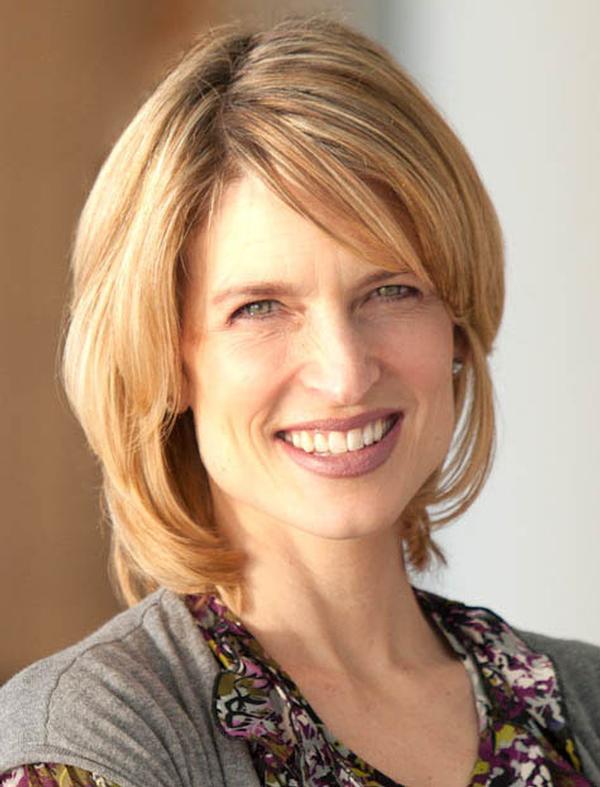
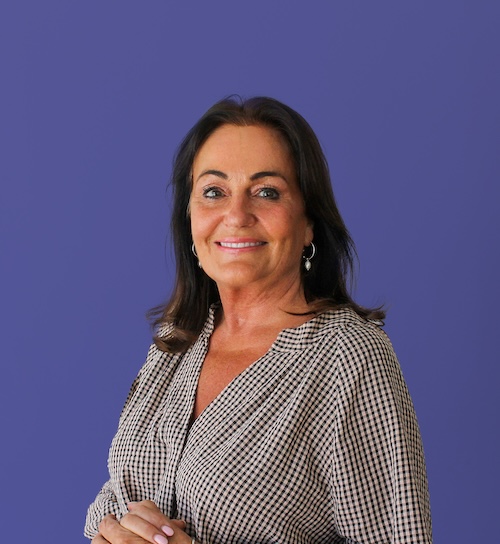
Michelle SegarAssociate directorUniversity of Michigan
Michelle Segar
“Long-term health benefits are motivating to one population, and we don’t want to alienate them, but they’ve already bought in to exercise. The vast majority are not motivated by this, so we should move away from prescribing exercise as medicine to showing how exercise can help them better fulfil their daily roles.
The public health message is very paternalistic: do this because it’s good for you. Telling children to eat vegetables because they’re good for them doesn’t work, so why haven’t we learned to change the message?
The fitness industry needs to look at great marketeers – Apple, for example – and see how they are speaking to people. Rather than giving everyone the same message, your audience must be segmented. For example, you might be able to sell exercise to a mother by explaining how it will make her a more energetic, patient and engaged mum.
Although future outcomes might be a key motivator to embark on a regime, they can’t keep exercise a priority on a day-to-day basis. Disease prevention might be too logical as a motivator – not emotional enough. We need to tap into feelings and move from long-term outcomes to smaller goals, such as being less stressed and feeling proud of yourself after exercise.”
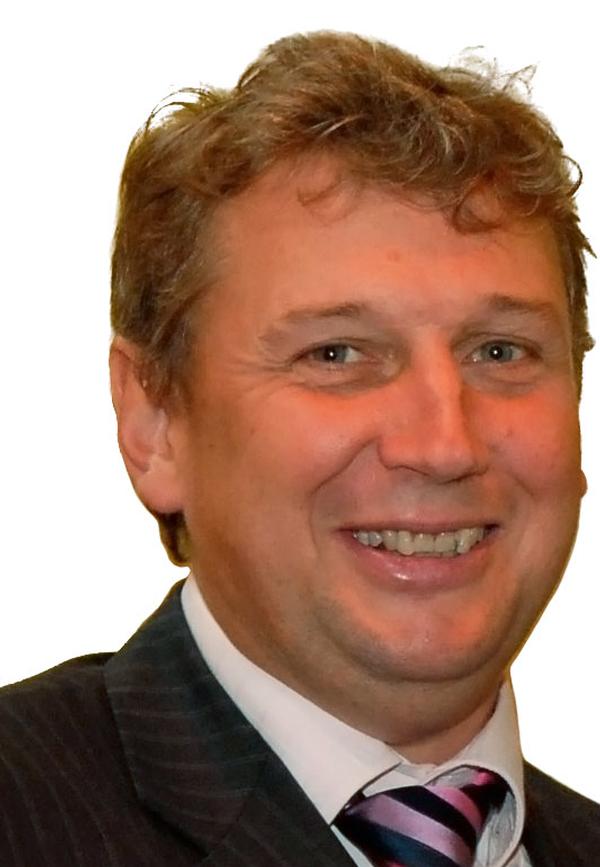
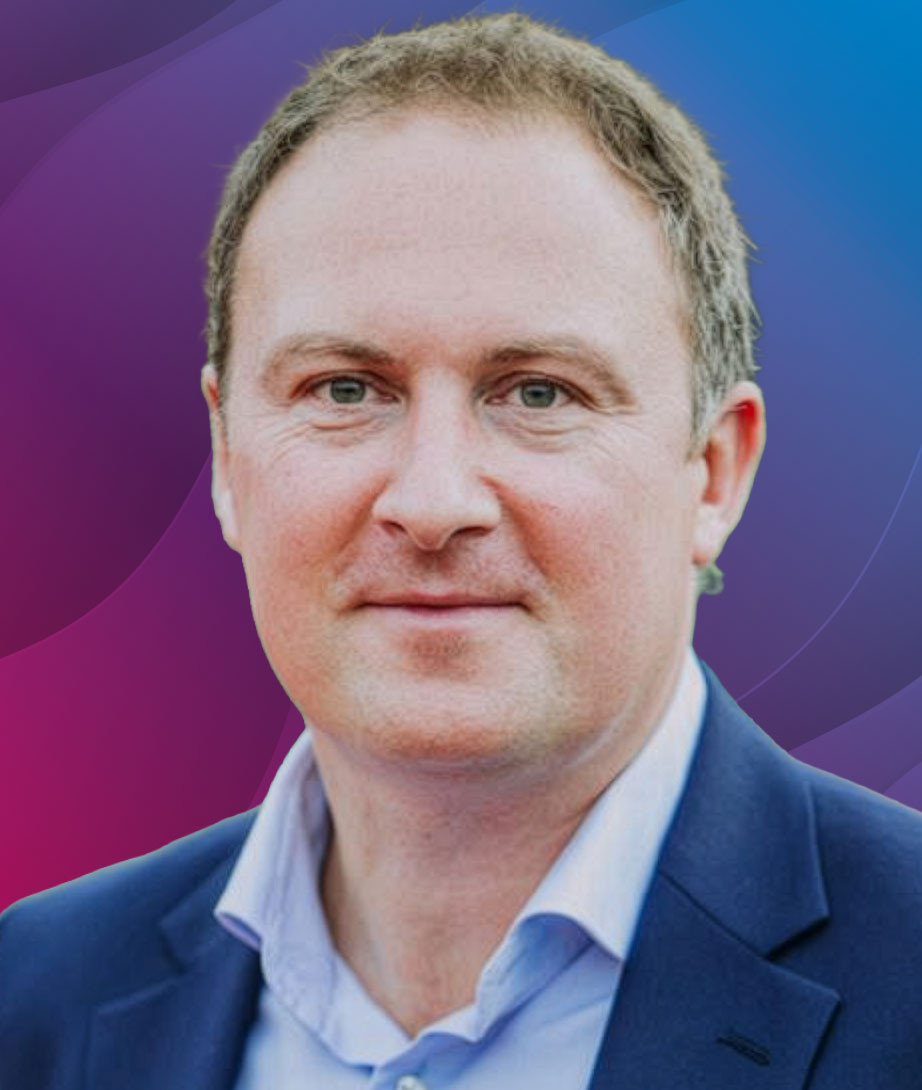
Dave stalkerCEOukactive
Dave stalker
“Shifting the focus onto the dangers of inactivity is important both for our sector and the UK as a whole. GPs are at the frontline of care and, as such, are trusted by the general public, so we need to work with them and share our expertise.
The tone of our messaging is shifting away from just pushing the health benefits of physical activity to explaining the dangers of inactivity. Inactivity is the fourth leading risk factor in mortality on a global basis, and this offers an easy marketing opportunity because the statistics and facts are there: 37,000 people in England die each year because they don’t do any exercise.
I would like to see the whole sector focusing on the medical aspect a little more in their marketing campaigns, and drawing attention to the fact that exercise has benefits for everyone.
But of course fun, as well as fear, has an impact on the way people engage with physical activity. ukactive is currently working with Judy Murray, Britain’s most successful ever tennis coach, to promote the role of the family in forming positive feelings towards activity. Teaching children different ways of engaging with activity and making it enjoyable will create memories and habits that will still have resonance in later life and, as such, hopefully help them avoid the dangers of a sedentary lifestyle.”
Arron WilliamsEMEA special projectsLife Fitness
Arron Williams
“The central message of ‘exercise as medicine’ was designed for clinicians and healthcare providers, as it fits in neatly within the health promotion framework. However, the general public tends to see it as too paternalistic.
The industry has been pushing the same message for years, but we’re not breaking the 12 per cent barrier, so we need to change. We have great products, facilities and people – it’s our marketing and service experience that’s letting us down.
We need to emphasise the more immediate returns on the exercise investment: you feel better, you have more energy, you’re less stressed, more relaxed and focused. We’ve been pushing the message of moderate exercise for 30 minutes a day, but why not focus on how that 30 minutes fits into the bigger picture and will enhance the rest of the day? Telling people exercise will lengthen their lives or ward off heart disease might draw them in, but it doesn’t sustain behaviour.
Traditionally the industry has focused on the physical benefits of exercise, but has overlooked the mental, emotional, social and spiritual benefits. Letting people know exercise can make them feel better on many levels and enhance the quality of their everyday life could be a message that resonates.”
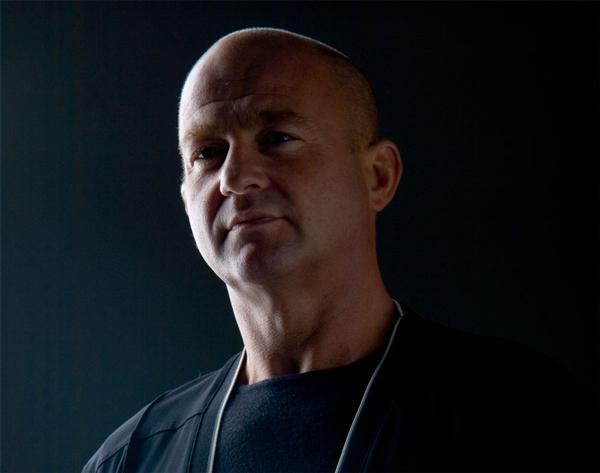
Jay BrewerHead of physiologyNuffield Health
Jay Brewer
“When promoting exercise, we need to start focusing on the positives. As a healthcare system, we are too focused on negative health outcomes.
At Nuffield Health, we now work to a bio / psycho / social model, focusing on good outcomes rather than bad. So instead of saying ‘if you don’t exercise, you will get high cholesterol, leading to heart disease, then death’, we say ‘exercising will give you a better quality of life, greater happiness (which is something the government wants to measure) and more energy’. We’re moving away from the message of exercise just to stop something bad happening, towards exercise to increase the chances of something good happening.
People are easily influenced by their spouses and line managers, so Nuffield Health is working to get line management to buy in to exercise. We’re using research we’ve undertaken with Ashridge Business School and the London School of Economics to show how exercise increases energy, output and productivity, and how those who exercise outperform those who are inactive.
Children are an easy audience to engage with. Although adults control their social time, children do have a large influence in this and are receptive to the idea of exercise.”
Panatta brought together four of the most influential figures in bodybuilding history on the
stage of RiminiWellness 2026: Phil Heath, Lee Haney, Ronnie Coleman and Hany Rambod. [more...]
Active Blackpool is deploying Cornerstone Connect, a new digital interface allowing
disparate information from multiple systems to be aggregated into one dataset, to support
its focus on reducing health inequalities and improving healthy life expectancy. [more...]
+ More featured suppliers
COMPANY PROFILES
Alliance Leisure
Alliance Leisure Services was specifically
established to respond to the changing
development need [more...]
Everyone Active
Everyone Active operates leisure centres in partnership with local councils across the UK. Today, Ev [more...]
Is ‘exercise is medicine’ an appealing message for the general public, or is it more geared towards doctors? Do we need to change our tone in order to engage with the masses?
By Kath Hudson | Published in Health Club Management 2014 issue 2
Over the past few years, the health and fitness industry has been courting the medical profession, focusing heavily on the many health benefits of exercise in a bid to establish the credibility of ‘exercise is medicine’.
But although it’s undeniably important to shout about these benefits, is this actually a compelling message for the general public to hear on a day-to-day basis? Will the possibility of lengthening their lives by five years, or avoiding potential heart disease in 20 years’ time, be enough to make people commit to regular gym visits today? Or does it just add ‘getting fit’ to the list of things they have to do at some point, once they’ve finished a big work project, had a baby, or got past whatever life challenge is currently consuming them?
For those who just can’t quit smoking, or who reach for a bottle of wine and a bag of crisps before their trainers, is the incessant health message making them bury their head further in the sand? Do we need a two-pronged approach, with a medical focus for the medics and a less prescriptive tone for the public?
As Michelle Segar of the University of Michigan says, modern life is hectic and many decisions we make are automatic, led by emotions rather than logic. So how do we make exercise an automatic decision? For someone who’s exhausted after a stressful day, how can we make them choose to go to the gym rather than flopping on the sofa?
Do we need to focus on more tangible, instant benefits rather than long-term health – for example, being able to cope better with tomorrow’s stresses if they go to the gym today?
Are our messages too long-term? Too medicalised? What should we be saying, and how can we run two campaigns concurrently so we appeal both to the medics and those motivated by ‘exercise is medicine’, as well as those who just want to lose a few pounds? We ask the experts....
Michelle SegarAssociate directorUniversity of Michigan
Michelle Segar
“Long-term health benefits are motivating to one population, and we don’t want to alienate them, but they’ve already bought in to exercise. The vast majority are not motivated by this, so we should move away from prescribing exercise as medicine to showing how exercise can help them better fulfil their daily roles.
The public health message is very paternalistic: do this because it’s good for you. Telling children to eat vegetables because they’re good for them doesn’t work, so why haven’t we learned to change the message?
The fitness industry needs to look at great marketeers – Apple, for example – and see how they are speaking to people. Rather than giving everyone the same message, your audience must be segmented. For example, you might be able to sell exercise to a mother by explaining how it will make her a more energetic, patient and engaged mum.
Although future outcomes might be a key motivator to embark on a regime, they can’t keep exercise a priority on a day-to-day basis. Disease prevention might be too logical as a motivator – not emotional enough. We need to tap into feelings and move from long-term outcomes to smaller goals, such as being less stressed and feeling proud of yourself after exercise.”
Dave stalkerCEOukactive
Dave stalker
“Shifting the focus onto the dangers of inactivity is important both for our sector and the UK as a whole. GPs are at the frontline of care and, as such, are trusted by the general public, so we need to work with them and share our expertise.
The tone of our messaging is shifting away from just pushing the health benefits of physical activity to explaining the dangers of inactivity. Inactivity is the fourth leading risk factor in mortality on a global basis, and this offers an easy marketing opportunity because the statistics and facts are there: 37,000 people in England die each year because they don’t do any exercise.
I would like to see the whole sector focusing on the medical aspect a little more in their marketing campaigns, and drawing attention to the fact that exercise has benefits for everyone.
But of course fun, as well as fear, has an impact on the way people engage with physical activity. ukactive is currently working with Judy Murray, Britain’s most successful ever tennis coach, to promote the role of the family in forming positive feelings towards activity. Teaching children different ways of engaging with activity and making it enjoyable will create memories and habits that will still have resonance in later life and, as such, hopefully help them avoid the dangers of a sedentary lifestyle.”
Arron WilliamsEMEA special projectsLife Fitness
Arron Williams
“The central message of ‘exercise as medicine’ was designed for clinicians and healthcare providers, as it fits in neatly within the health promotion framework. However, the general public tends to see it as too paternalistic.
The industry has been pushing the same message for years, but we’re not breaking the 12 per cent barrier, so we need to change. We have great products, facilities and people – it’s our marketing and service experience that’s letting us down.
We need to emphasise the more immediate returns on the exercise investment: you feel better, you have more energy, you’re less stressed, more relaxed and focused. We’ve been pushing the message of moderate exercise for 30 minutes a day, but why not focus on how that 30 minutes fits into the bigger picture and will enhance the rest of the day? Telling people exercise will lengthen their lives or ward off heart disease might draw them in, but it doesn’t sustain behaviour.
Traditionally the industry has focused on the physical benefits of exercise, but has overlooked the mental, emotional, social and spiritual benefits. Letting people know exercise can make them feel better on many levels and enhance the quality of their everyday life could be a message that resonates.”
Jay BrewerHead of physiologyNuffield Health
Jay Brewer
“When promoting exercise, we need to start focusing on the positives. As a healthcare system, we are too focused on negative health outcomes.
At Nuffield Health, we now work to a bio / psycho / social model, focusing on good outcomes rather than bad. So instead of saying ‘if you don’t exercise, you will get high cholesterol, leading to heart disease, then death’, we say ‘exercising will give you a better quality of life, greater happiness (which is something the government wants to measure) and more energy’. We’re moving away from the message of exercise just to stop something bad happening, towards exercise to increase the chances of something good happening.
People are easily influenced by their spouses and line managers, so Nuffield Health is working to get line management to buy in to exercise. We’re using research we’ve undertaken with Ashridge Business School and the London School of Economics to show how exercise increases energy, output and productivity, and how those who exercise outperform those who are inactive.
Children are an easy audience to engage with. Although adults control their social time, children do have a large influence in this and are receptive to the idea of exercise.”
The UK's four Chief Medical Officers have published a refreshed edition of Physical activity
guidelines: UK Chief Medical Officers' report, updating the evidence that underpins the nation's
physical activity recommendations and placing greater emphasis on strength, balance, reducing
sedentary behaviour and, for the first time, supporting people taking weight loss medications.
Places Leisure has exchanged contracts to build and operate a flagship £60m water and leisure
destination on behalf of Basingstoke and Deane Borough Council.
The Republic of Ireland will become the latest market in PureGym’s expanding international
portfolio, with the first launch planned for Dublin in 2027.
Anytime Fitness opened more than one club a day in 2025 and is on track to maintain this rate
of growth this year, as parent company Purpose Brands targets further international expansion.
The £33.9 million Leighton Leisure and Community Centre has opened in Leighton Buzzard, UK,
creating a next-generation public leisure, health and wellbeing hub for the local community.
Walnuts Leisure Centre in Orpington, in the London Borough of Bromley, has reopened following
a £17m transformation designed to secure the long-term future of the public leisure asset and
reposition it as a community wellbeing hub.
The Gym Group, has announced that it's sustained positive trading momentum has continued
through the first half of 2026 and the company remains confident about the outlook.
Luxury boutique Pilates and wellness studio, X-Club, officially launches a
4,000sq ft flagship at
Marylebone on 16 July Built around X-Club’s four pillars of wellness – mind,
movement,
nutrition and therapy – the facility features two group exercise studi
Panatta brought together four of the most influential figures in bodybuilding history on the
stage of RiminiWellness 2026: Phil Heath, Lee Haney, Ronnie Coleman and Hany Rambod. [more...]
Active Blackpool is deploying Cornerstone Connect, a new digital interface allowing
disparate information from multiple systems to be aggregated into one dataset, to support
its focus on reducing health inequalities and improving healthy life expectancy. [more...]
+ More featured suppliers
COMPANY PROFILES
Alliance Leisure Alliance Leisure Services was specifically
established to respond to the changing
development need [more...]