For any planned leisure development, rigorous site investigations are essential to establish a realistic project cost. Denis O’Brien, senior surveyor from international construction services company ISG – a key Alliance Leisure contractor – explains the basics of the process
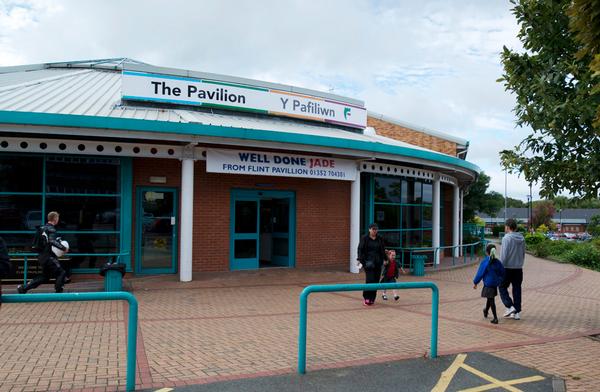
The choice of construction method enabled The Pavilion to stay open during the build
For potential leisure projects, how important are the site investigations in the Alliance design and build process? Site investigations may not be the most exciting part of the process to talk about, but without very detailed and rigorous surveys at this key stage, it’s impossible to come up with a realistic project cost. Alliance Leisure always works to a fixed price contract, so we need to know about every potential pitfall of the proposed development site.
What’s involved? It depends whether we’re looking at a new build or an extension to an existing facility. There are obviously a lot more unknowns – particularly relating to the ground works – with a site that doesn’t already have a building on it.
We undertake ground investigation surveys, tree surveys, environmental impact surveys, assess the proximity and ease of access to utilities. We also try to look for the potential show-stoppers such as former coal mines or sink holes. Of course, there are always some things you can’t plan for which might significantly delay the start of the project, such as undiscovered munitions or archaeological remains, but in reality these are very rare occurrences.
When it comes to extensions and redevelopments, there’s another whole tier of investigations to carry out before the project can be accurately costed.
The majority of leisure centres we’re now redeveloping date back to the 60s and 70s, so we have to consider the presence of asbestos and the quality of the drains, as well as undertaking structural surveys to see if the existing structure can take the new load.
We also need to check whether the existing services provision is sufficient to supply a larger site, and carry out a dilapidation survey to check structures such as the original roof, which might be nearing the end of its life.
What are the site problems that add most to the budget? If there are inadequate services, then the need, for example, to build a sub-station could easily add £100,000–£120,000 to the project cost.
With existing leisure centres, it might be that it’s best to knock down a quarter to a third of the existing building in order to properly develop the site.
However, in the case of older buildings, it’s almost always better to plan to replace some elements of the building right at the start, as the payback on this can be relatively quick. For example, we’ll always introduce modern, efficient lighting to any building project we’re working on from top to bottom, as the energy savings this yields over time can enable the leisure centre to recoup the cost of the capital outlay in just a few years.
It’s a false economy to cut elements like this out of the budget just to bring proposed costs down.
How do the site findings feed into the overall process? On the basis of these investigations, we’re able to carry out a block planning exercise that comes up with the overall size and shape of the development, together with the content and what it will cost (usually within 10–15 per cent of the final fixed cost).
If there are any real show-stoppers at this stage, which is very rare, the client can choose to walk away and just bear the cost of the site investigations.
Sometimes, at this stage, the local authority might want to scale down some elements of the project to make savings.
If they proceed with the plan, the site investigation costs are absorbed into Alliance’s overall development costs. We then go on to commission architects, and draw up a more robust cost plan and a bill of quantities.
CASE STUDY Jade Jones Pavilion Flint, North Wales In July 2012, Alliance Leisure completed a £2m extension and refurbishment project at the Jade Jones Pavilion Flint in North Wales.
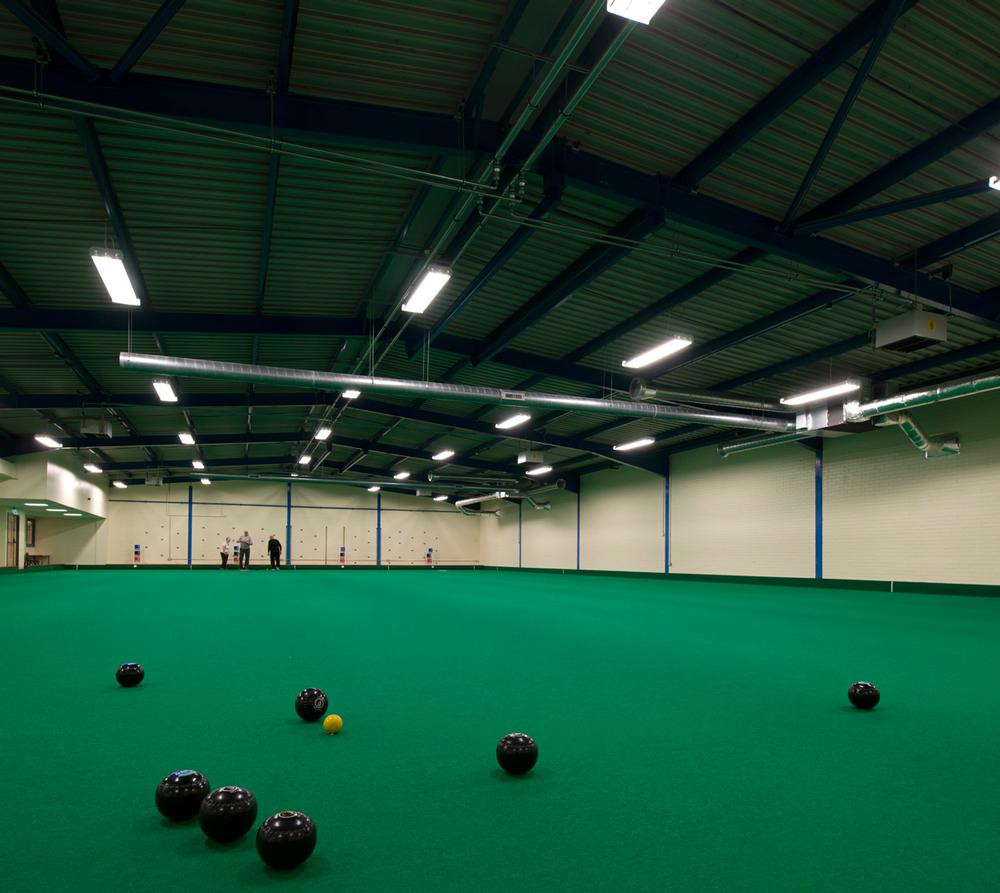
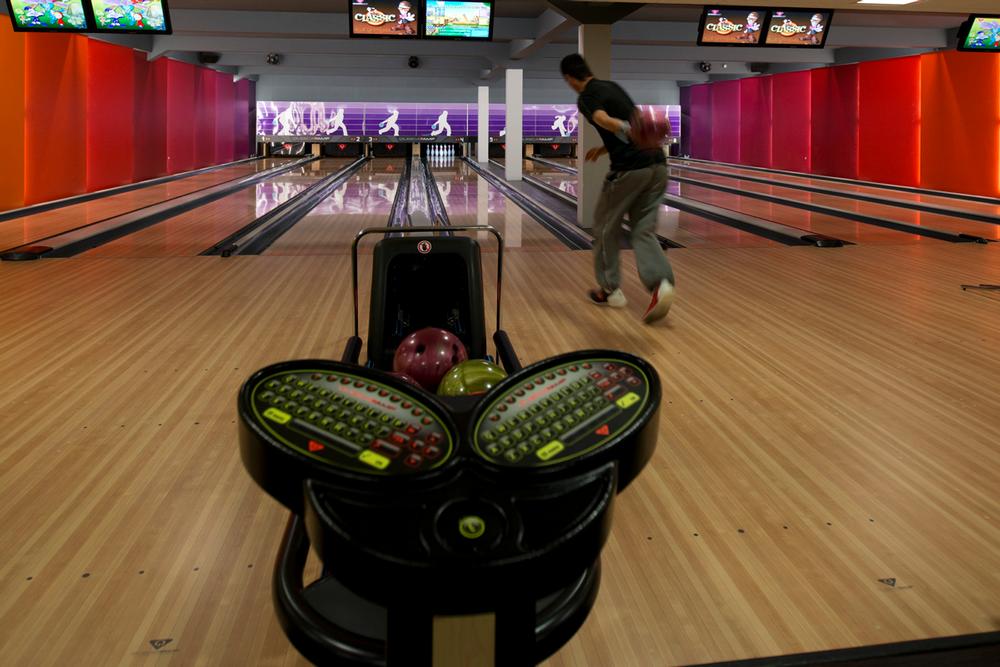
At the heart of the project was the redevelopment of the sports hall. After carrying out site investigations, Alliance discovered that it needed new pile foundations to take the weight of the new project proposals, which consisted of an eight-lane ten pin bowling alley on the ground floor, and a four-lane flat green bowling rink on a new mezzanine level.
Because of the poor soil structure on the site, Alliance contractor ISG used a mini continuous flight auger piling system to construct new foundations. Although this method comes at a higher cost, it meant minimum vibration and noise for the existing, occupied leisure centre, including the adjacent swimming pool facility. Choosing this building route meant The Pavilion was able to stay open for the entire 28-week build period, and therefore maintain its usual revenue stream.
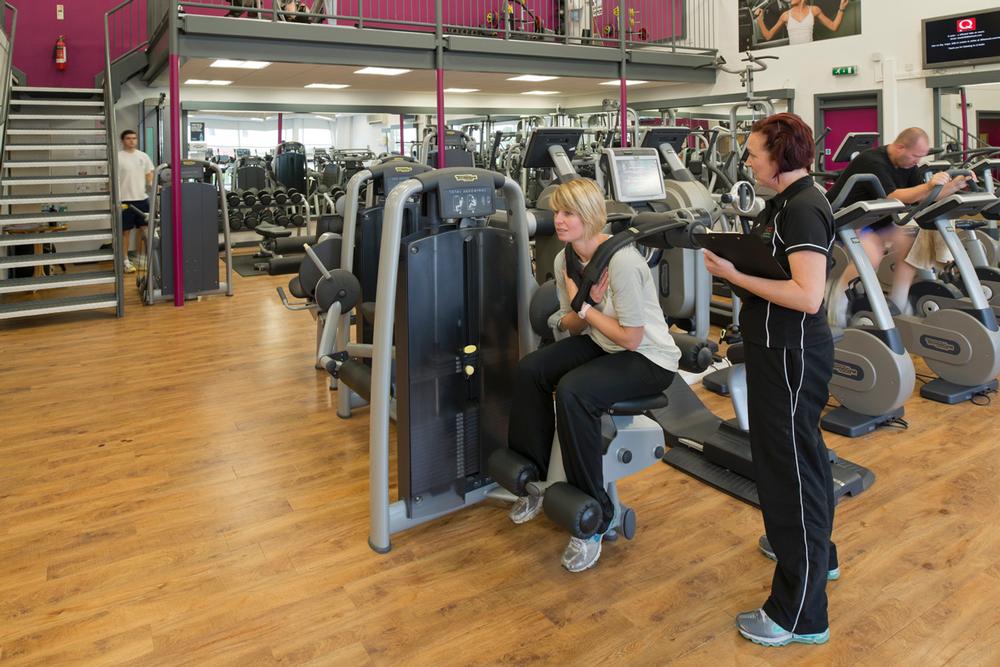
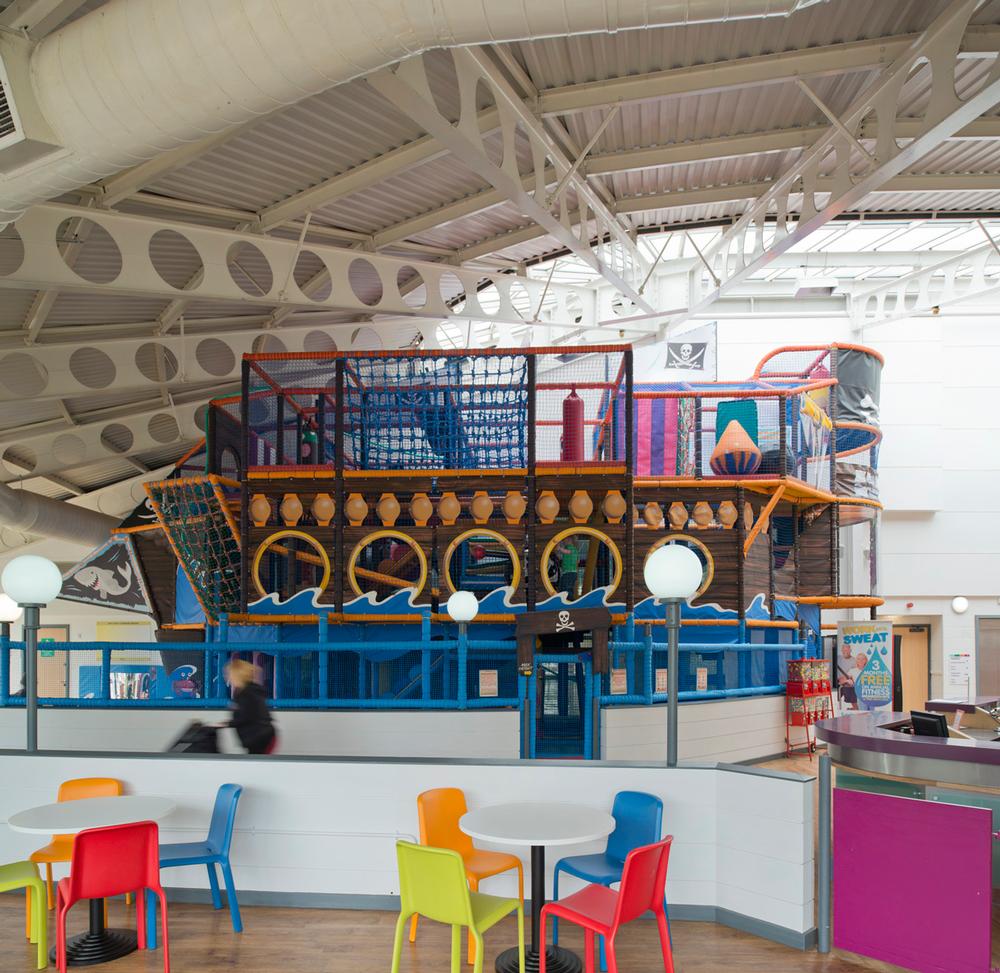
Other facilities at the leisure centre include a fitness suite, a 25-metre swimming pool and children’s pool, café and licensed bar, and multi-activity studios for fitness and dance classes – along with a new pirate-themed children’s soft play area, which was added as part of the redevelopment project.
Follow the series
1. Scoping / Investigation 2. Conceptualisation 3. Viability assessment & full feasibility 4. Site investigation 5. Fixed price contracts 6. Overseeing the building work 7. Ordering phase 8. Client support (part 1) 9. Client support (part 2)
Something for everyone - Pavilion Flint offers a flat green bowling for the senior market
Something for everyone - Pavilion Flint offers a fitness suite, as well as a range of new facilities
Something for everyone - Pavilion Flint offers a ten pin bowling to appeal to families
Something for everyone - Pavilion Flint offers a new pirate-themed kids’ play area
CoverMe, the global leader in fitness workforce management, today launches CoverMe PT, an
on-demand personal training platform that connects the right personal trainer to the right
client in under 10 seconds. [more...]
Panatta brought together four of the most influential figures in bodybuilding history on the
stage of RiminiWellness 2026: Phil Heath, Lee Haney, Ronnie Coleman and Hany Rambod. [more...]
For any planned leisure development, rigorous site investigations are essential to establish a realistic project cost. Denis O’Brien, senior surveyor from international construction services company ISG – a key Alliance Leisure contractor – explains the basics of the process
The choice of construction method enabled The Pavilion to stay open during the build
For potential leisure projects, how important are the site investigations in the Alliance design and build process? Site investigations may not be the most exciting part of the process to talk about, but without very detailed and rigorous surveys at this key stage, it’s impossible to come up with a realistic project cost. Alliance Leisure always works to a fixed price contract, so we need to know about every potential pitfall of the proposed development site.
What’s involved? It depends whether we’re looking at a new build or an extension to an existing facility. There are obviously a lot more unknowns – particularly relating to the ground works – with a site that doesn’t already have a building on it.
We undertake ground investigation surveys, tree surveys, environmental impact surveys, assess the proximity and ease of access to utilities. We also try to look for the potential show-stoppers such as former coal mines or sink holes. Of course, there are always some things you can’t plan for which might significantly delay the start of the project, such as undiscovered munitions or archaeological remains, but in reality these are very rare occurrences.
When it comes to extensions and redevelopments, there’s another whole tier of investigations to carry out before the project can be accurately costed.
The majority of leisure centres we’re now redeveloping date back to the 60s and 70s, so we have to consider the presence of asbestos and the quality of the drains, as well as undertaking structural surveys to see if the existing structure can take the new load.
We also need to check whether the existing services provision is sufficient to supply a larger site, and carry out a dilapidation survey to check structures such as the original roof, which might be nearing the end of its life.
What are the site problems that add most to the budget? If there are inadequate services, then the need, for example, to build a sub-station could easily add £100,000–£120,000 to the project cost.
With existing leisure centres, it might be that it’s best to knock down a quarter to a third of the existing building in order to properly develop the site.
However, in the case of older buildings, it’s almost always better to plan to replace some elements of the building right at the start, as the payback on this can be relatively quick. For example, we’ll always introduce modern, efficient lighting to any building project we’re working on from top to bottom, as the energy savings this yields over time can enable the leisure centre to recoup the cost of the capital outlay in just a few years.
It’s a false economy to cut elements like this out of the budget just to bring proposed costs down.
How do the site findings feed into the overall process? On the basis of these investigations, we’re able to carry out a block planning exercise that comes up with the overall size and shape of the development, together with the content and what it will cost (usually within 10–15 per cent of the final fixed cost).
If there are any real show-stoppers at this stage, which is very rare, the client can choose to walk away and just bear the cost of the site investigations.
Sometimes, at this stage, the local authority might want to scale down some elements of the project to make savings.
If they proceed with the plan, the site investigation costs are absorbed into Alliance’s overall development costs. We then go on to commission architects, and draw up a more robust cost plan and a bill of quantities.
CASE STUDY Jade Jones Pavilion Flint, North Wales In July 2012, Alliance Leisure completed a £2m extension and refurbishment project at the Jade Jones Pavilion Flint in North Wales.
At the heart of the project was the redevelopment of the sports hall. After carrying out site investigations, Alliance discovered that it needed new pile foundations to take the weight of the new project proposals, which consisted of an eight-lane ten pin bowling alley on the ground floor, and a four-lane flat green bowling rink on a new mezzanine level.
Because of the poor soil structure on the site, Alliance contractor ISG used a mini continuous flight auger piling system to construct new foundations. Although this method comes at a higher cost, it meant minimum vibration and noise for the existing, occupied leisure centre, including the adjacent swimming pool facility. Choosing this building route meant The Pavilion was able to stay open for the entire 28-week build period, and therefore maintain its usual revenue stream.
Other facilities at the leisure centre include a fitness suite, a 25-metre swimming pool and children’s pool, café and licensed bar, and multi-activity studios for fitness and dance classes – along with a new pirate-themed children’s soft play area, which was added as part of the redevelopment project.
Follow the series
1. Scoping / Investigation 2. Conceptualisation 3. Viability assessment & full feasibility 4. Site investigation 5. Fixed price contracts 6. Overseeing the building work 7. Ordering phase 8. Client support (part 1) 9. Client support (part 2)
Something for everyone - Pavilion Flint offers a flat green bowling for the senior market
Something for everyone - Pavilion Flint offers a fitness suite, as well as a range of new facilities
Something for everyone - Pavilion Flint offers a ten pin bowling to appeal to families
Something for everyone - Pavilion Flint offers a new pirate-themed kids’ play area
The UK's four Chief Medical Officers have published a refreshed edition of Physical activity
guidelines: UK Chief Medical Officers' report, updating the evidence that underpins the nation's
physical activity recommendations and placing greater emphasis on strength, balance, reducing
sedentary behaviour and, for the first time, supporting people taking weight loss medications.
Places Leisure has exchanged contracts to build and operate a flagship £60m water and leisure
destination on behalf of Basingstoke and Deane Borough Council.
The Republic of Ireland will become the latest market in PureGym’s expanding international
portfolio, with the first launch planned for Dublin in 2027.
Anytime Fitness opened more than one club a day in 2025 and is on track to maintain this rate
of growth this year, as parent company Purpose Brands targets further international expansion.
The £33.9 million Leighton Leisure and Community Centre has opened in Leighton Buzzard, UK,
creating a next-generation public leisure, health and wellbeing hub for the local community.
Walnuts Leisure Centre in Orpington, in the London Borough of Bromley, has reopened following
a £17m transformation designed to secure the long-term future of the public leisure asset and
reposition it as a community wellbeing hub.
The Gym Group, has announced that it's sustained positive trading momentum has continued
through the first half of 2026 and the company remains confident about the outlook.
Luxury boutique Pilates and wellness studio, X-Club, officially launches a
4,000sq ft flagship at
Marylebone on 16 July Built around X-Club’s four pillars of wellness – mind,
movement,
nutrition and therapy – the facility features two group exercise studi
CoverMe, the global leader in fitness workforce management, today launches CoverMe PT, an
on-demand personal training platform that connects the right personal trainer to the right
client in under 10 seconds. [more...]
Panatta brought together four of the most influential figures in bodybuilding history on the
stage of RiminiWellness 2026: Phil Heath, Lee Haney, Ronnie Coleman and Hany Rambod. [more...]